Locksmith in Ionview, OntarioYour locksmithdown the road in Ionview
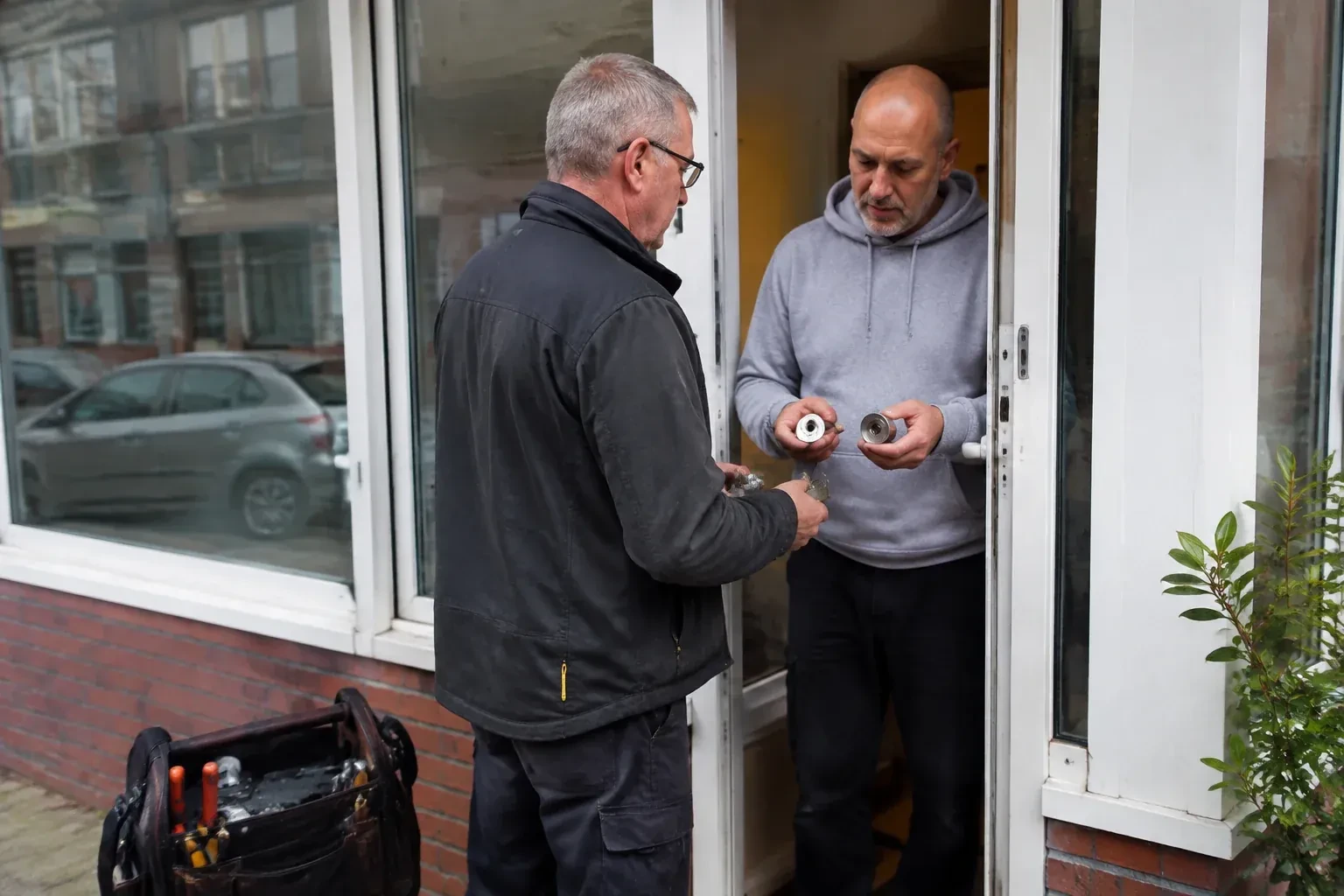
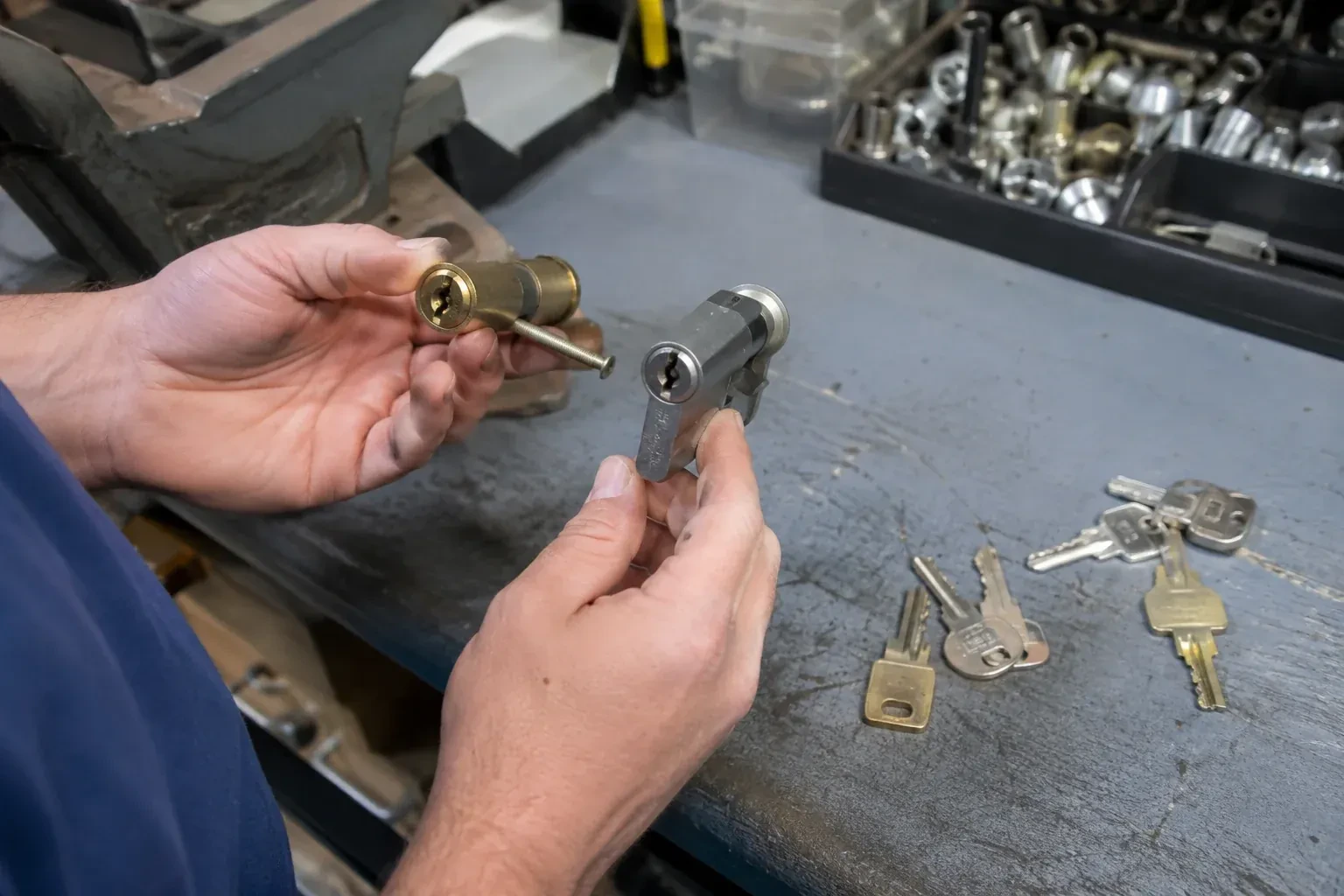
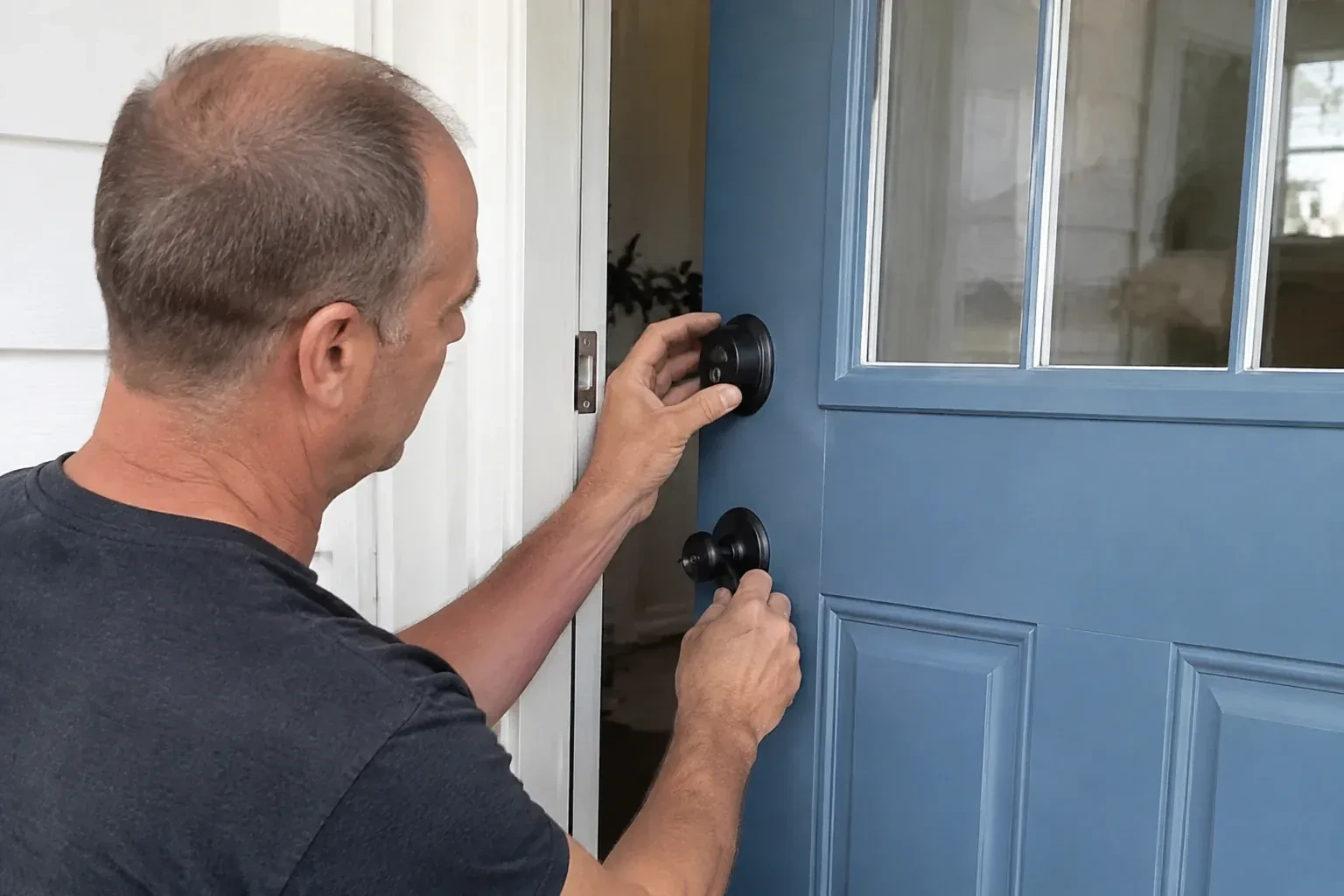
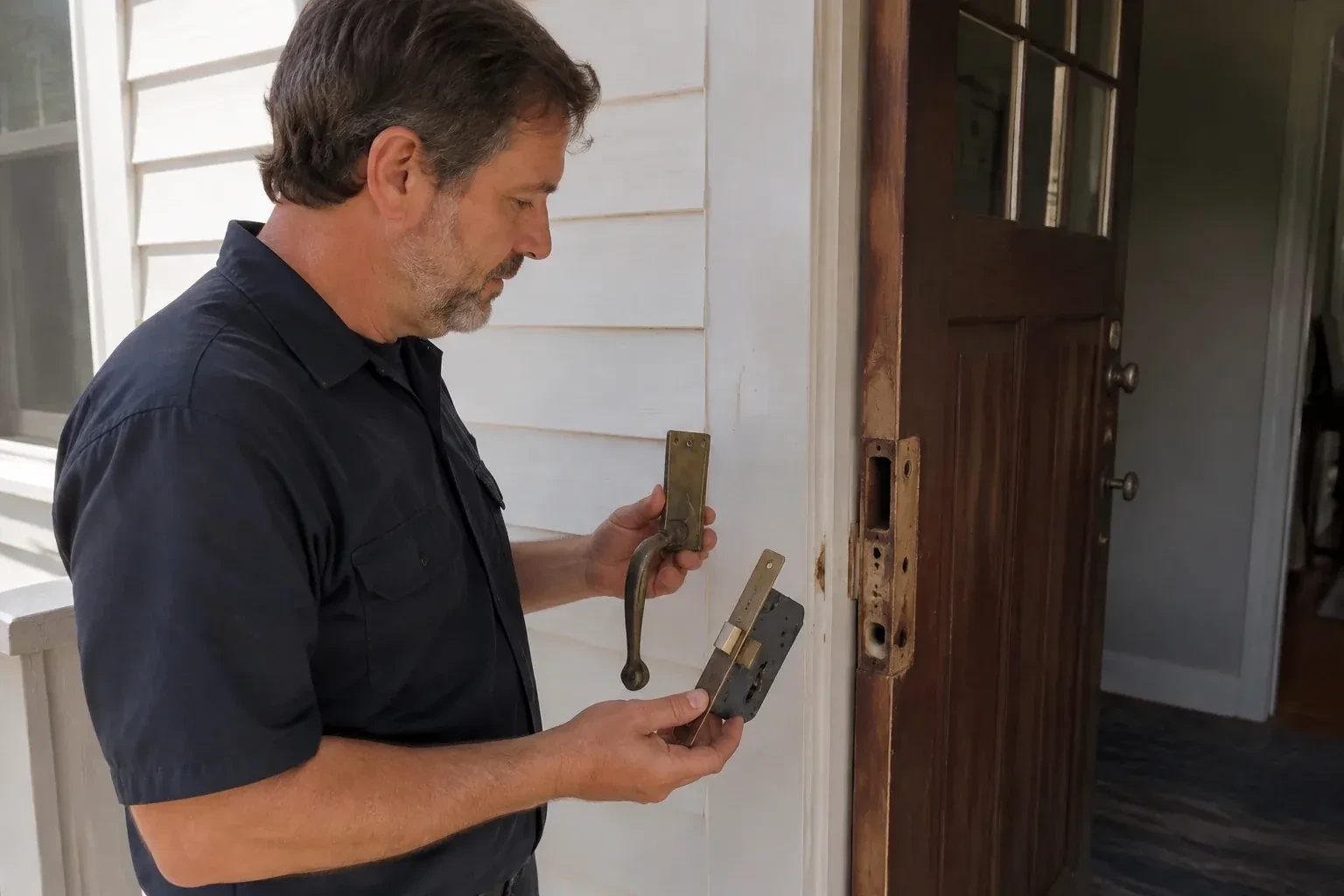
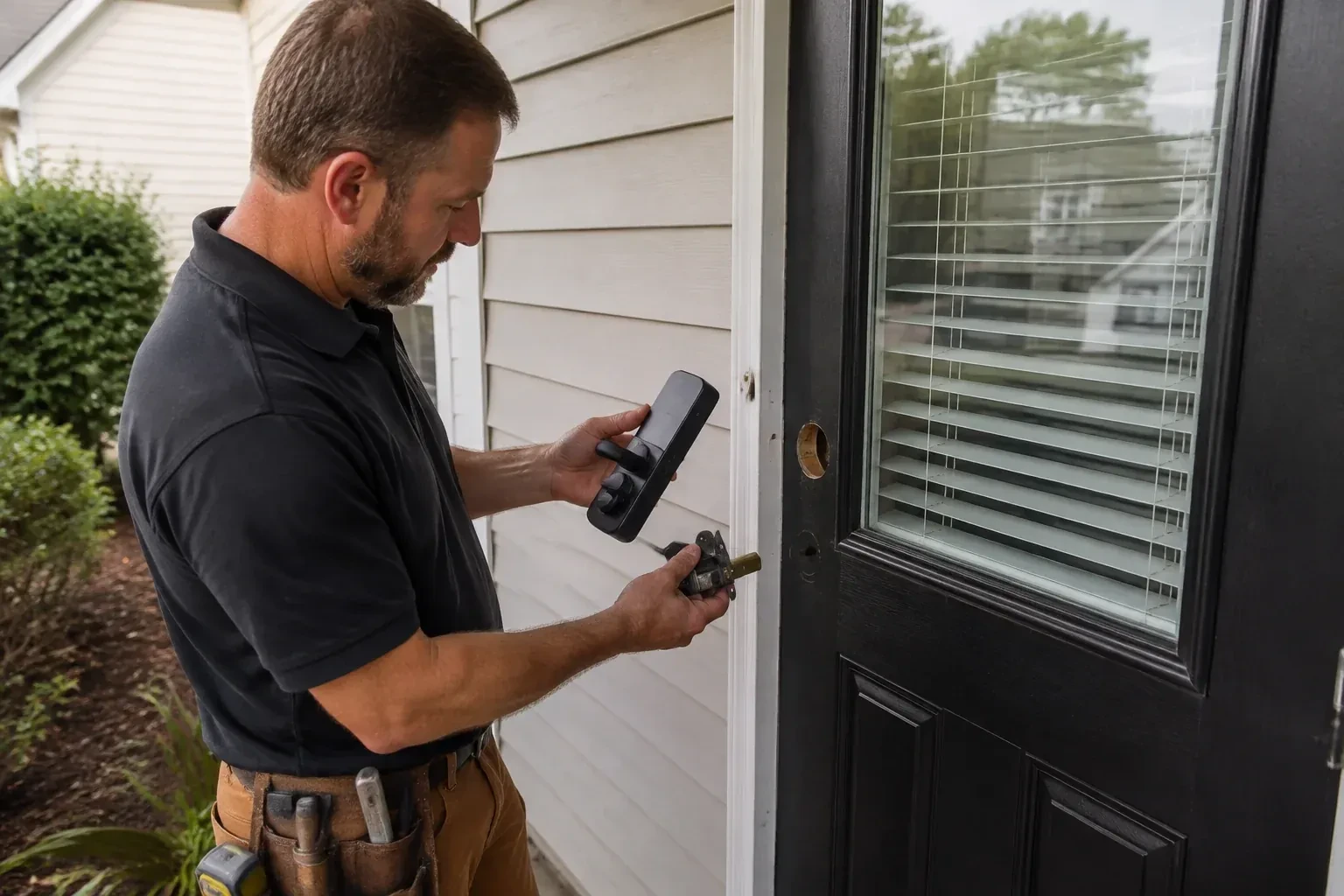
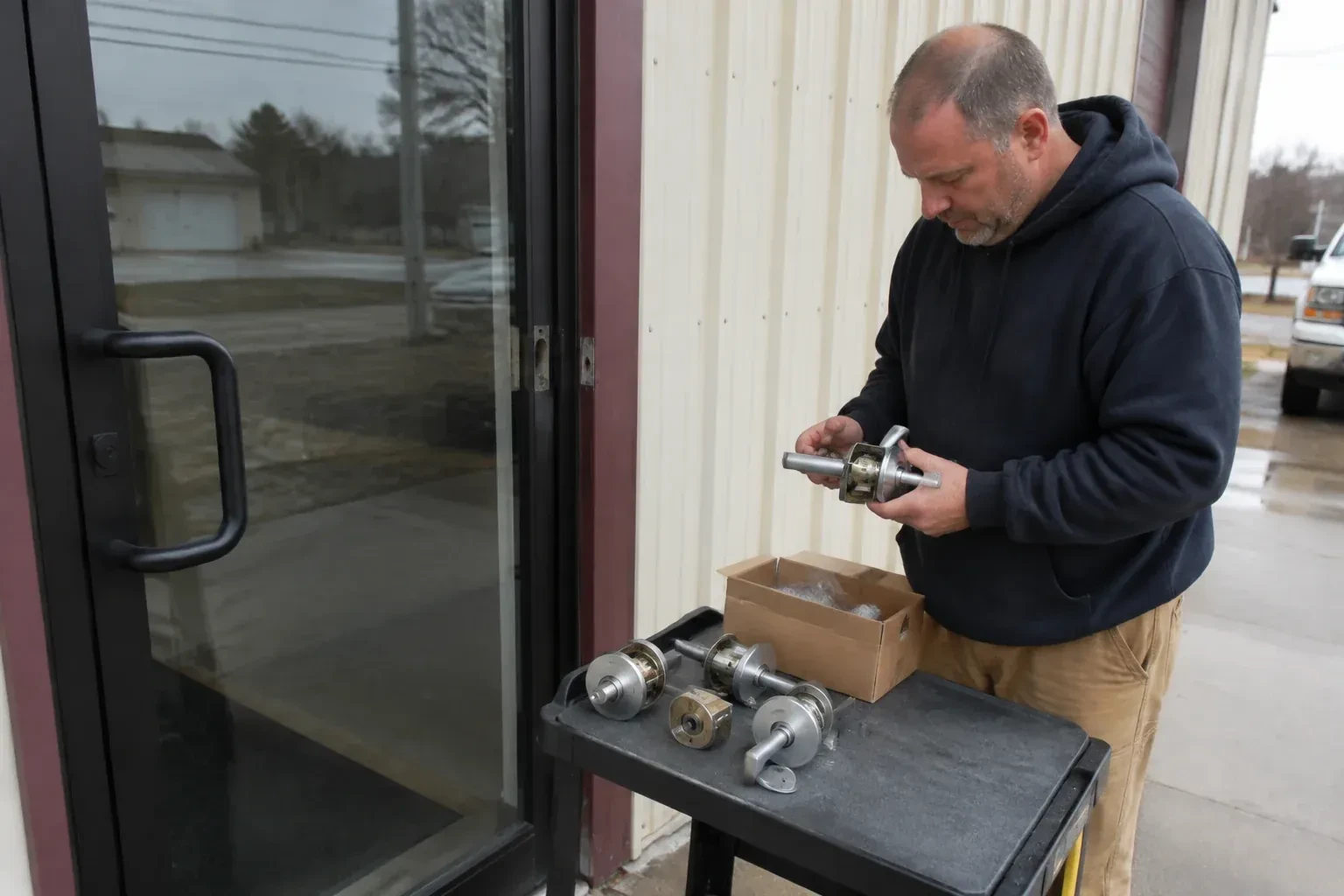
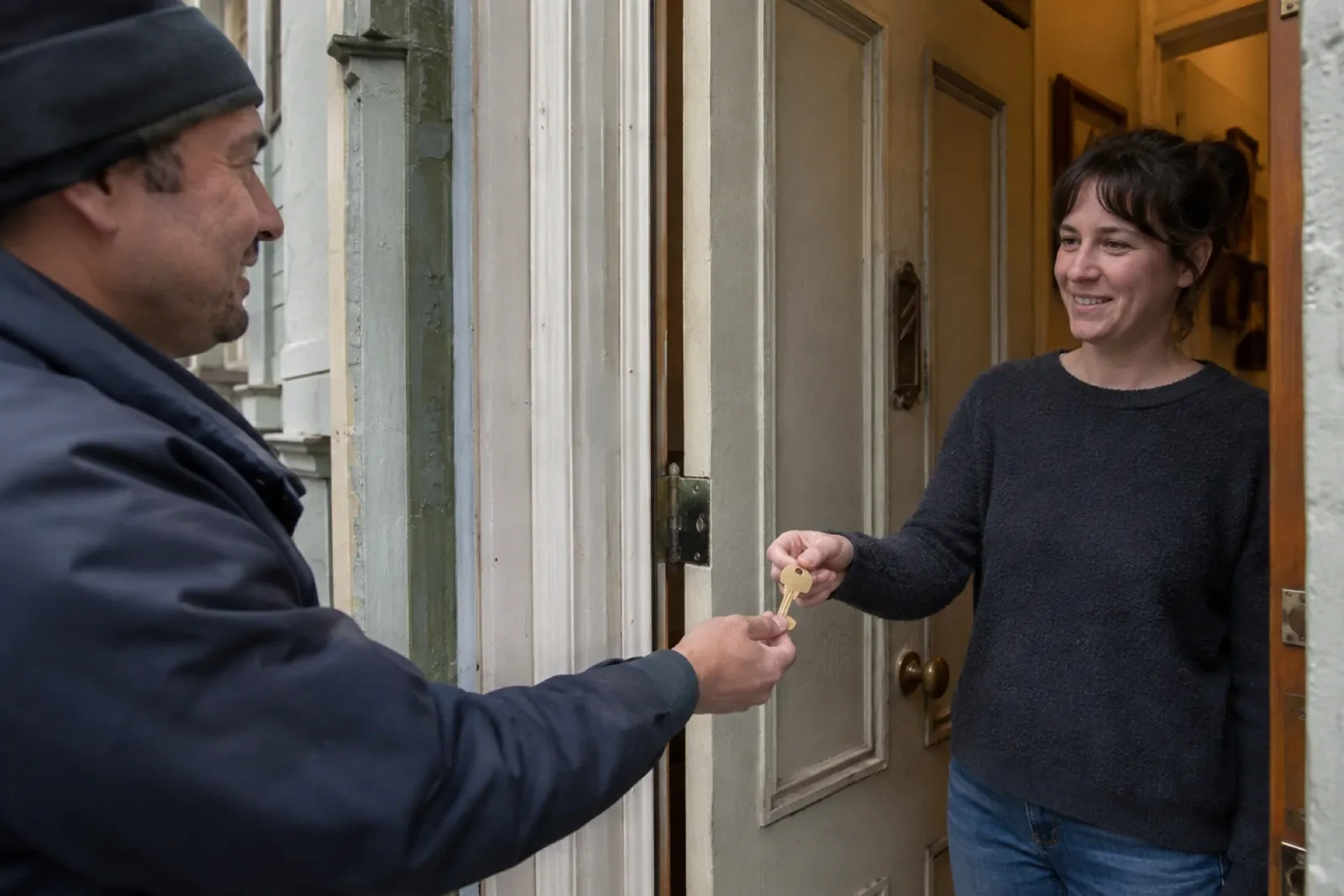
Being nearby changes how a job goes. It means a marked van in your driveway in Ionview, boots wiped at the door, a clear word about what we are about to do before we do it, and a locksmith who expects to see you again at the hardware store rather than never.
Being nearby changes how a job goes. It means a marked van in your driveway in Ionview, boots wiped at the door, a clear word about what we are about to do before we do it, and a locksmith who expects to see you again at the hardware store rather than never.
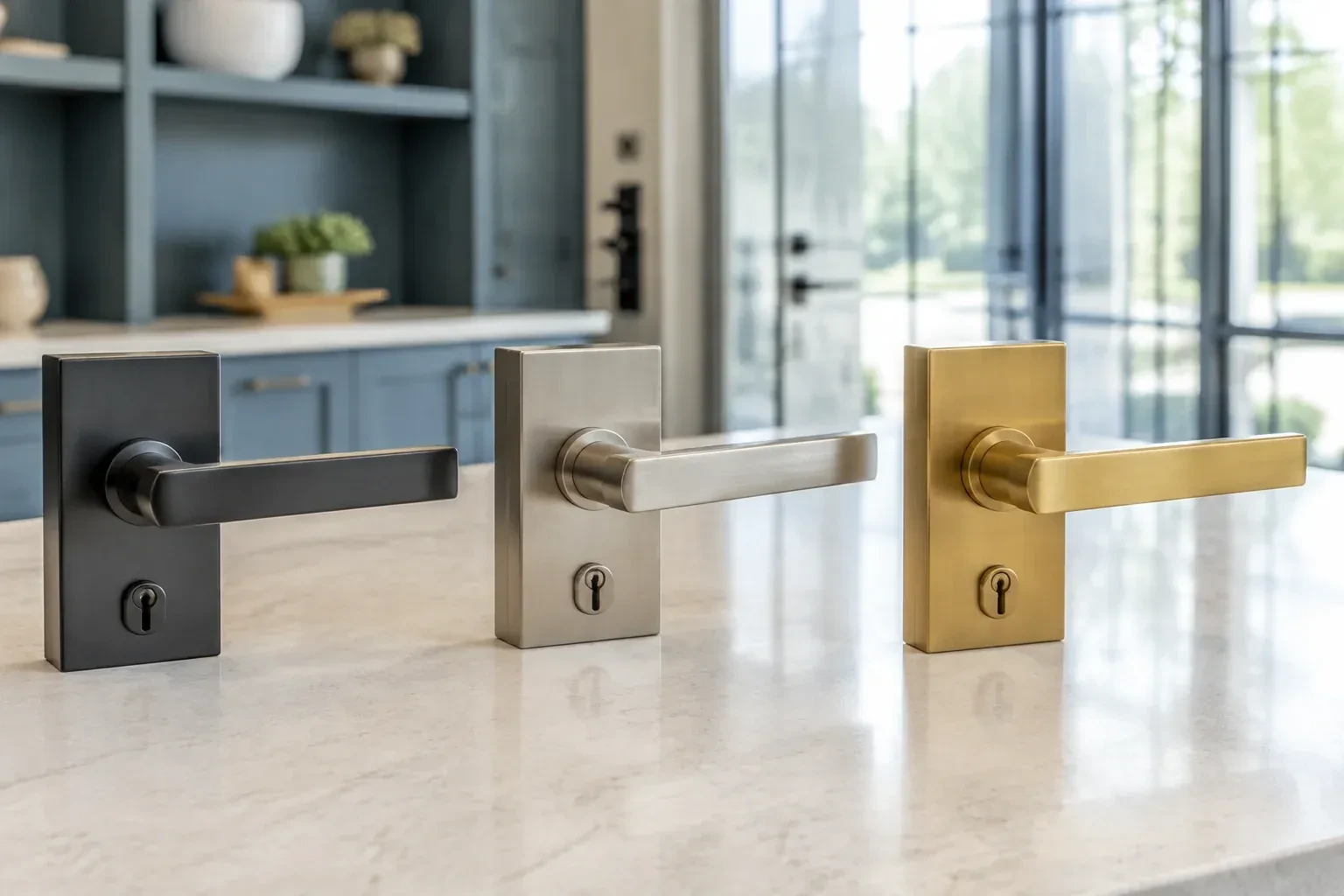
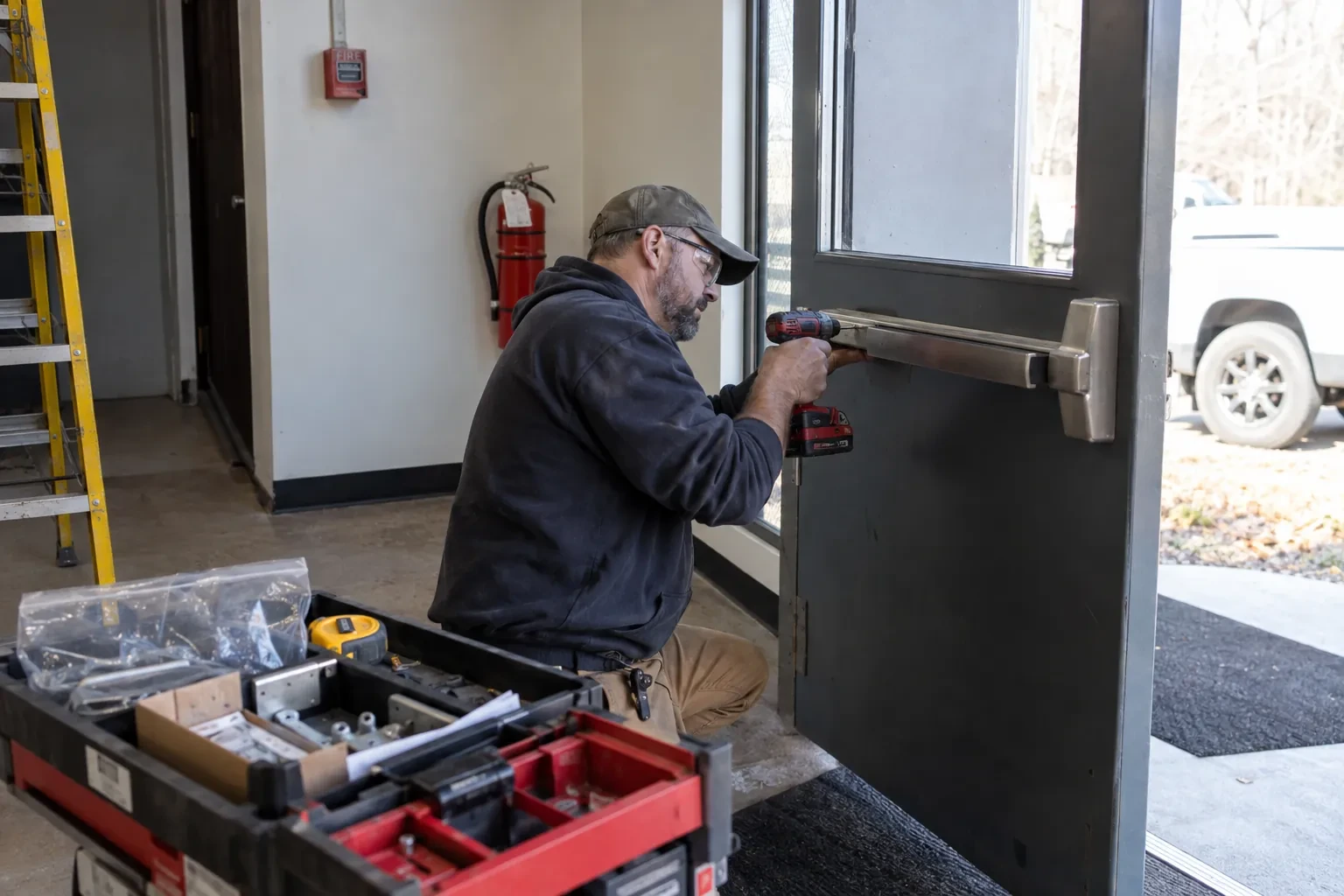
We look after the door, not just the lock.
For businesses in Ionview we keep records. Which cylinders were pinned to which key, how many keys were cut, which doors carry a master, when the closers were last adjusted. That paperwork lands in your inbox after the visit so the next staff change or the next audit is a matter of reading a page rather than calling around.
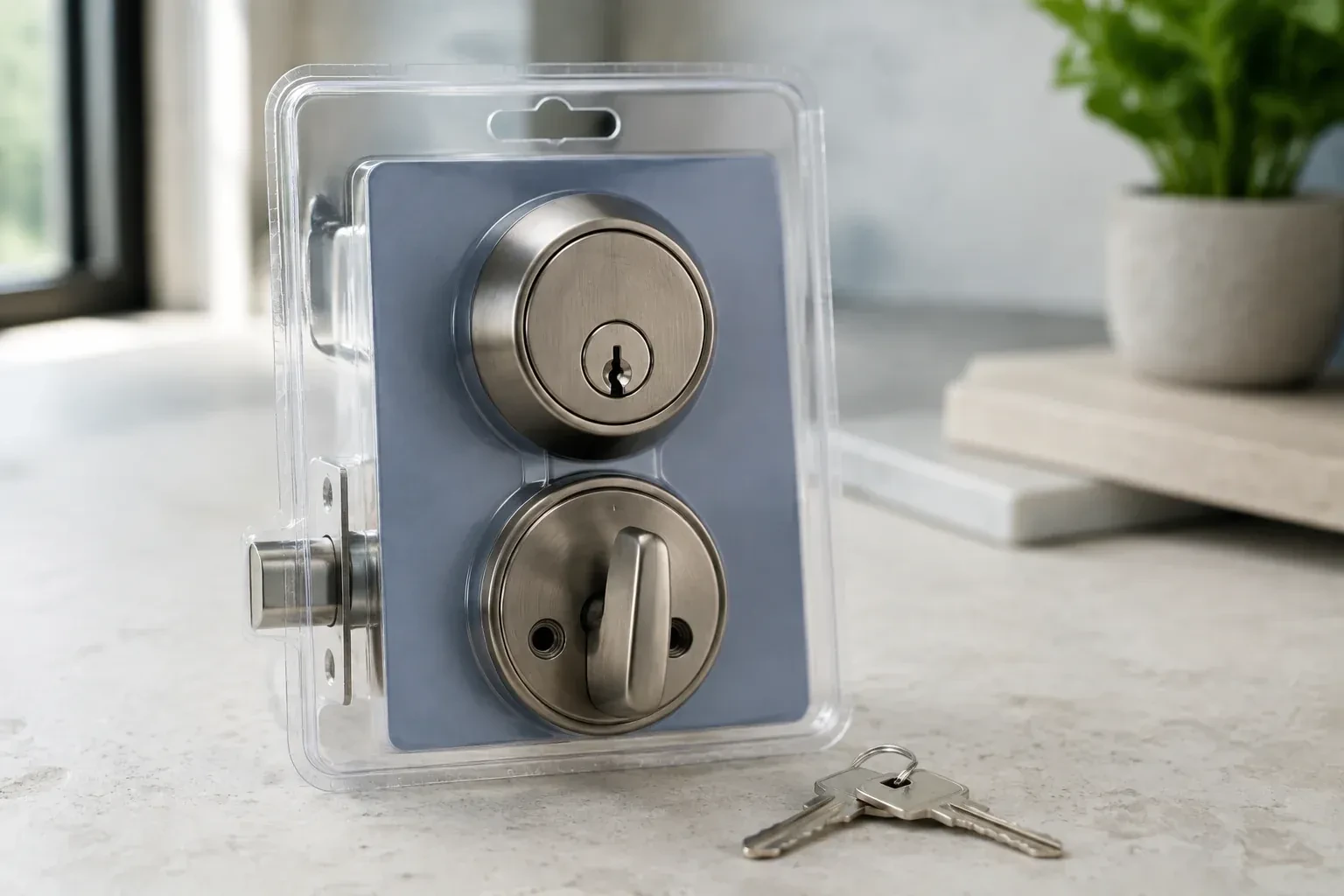
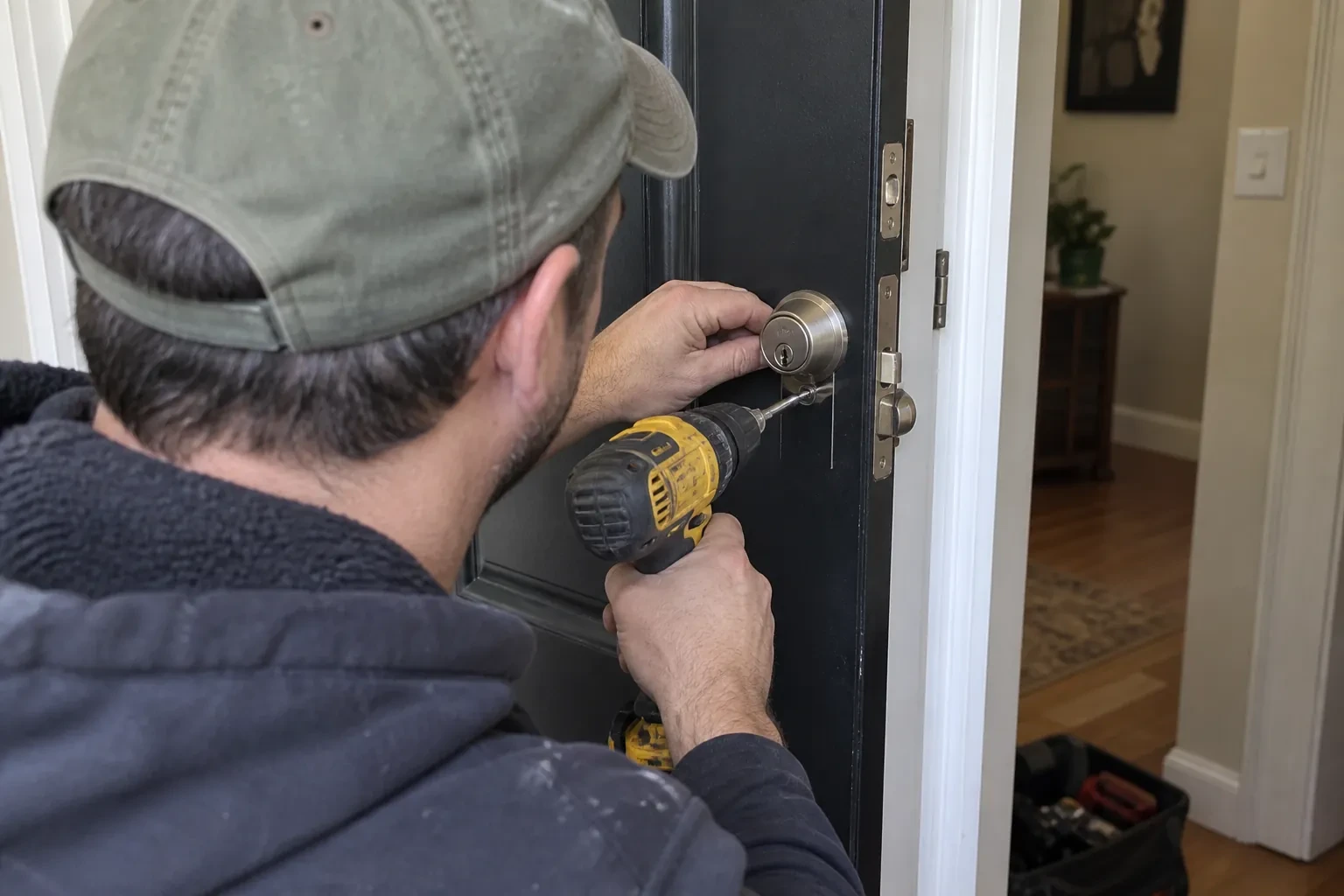
For families in Ionview, the goal is usually simple: a door that locks with one hand, keys that turn without a fight, and the peace of mind that nobody else holds a copy. We deliver that through rekeying, careful deadbolt installation and attention to the frame and hinges, and we show you everything before we leave.
31years in business
24/7open every day
Questions welcomed. Ask about the lock, the method, the parts or the reasoning. A good explanation is part of the service, not a favour.
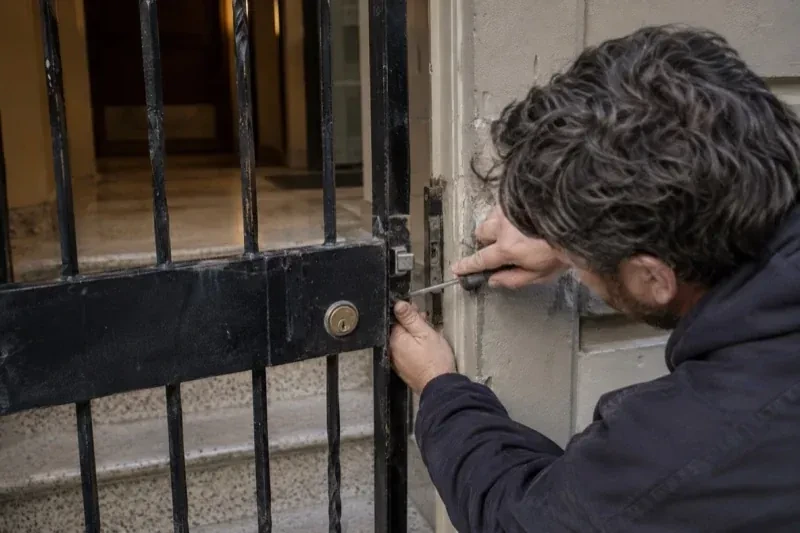
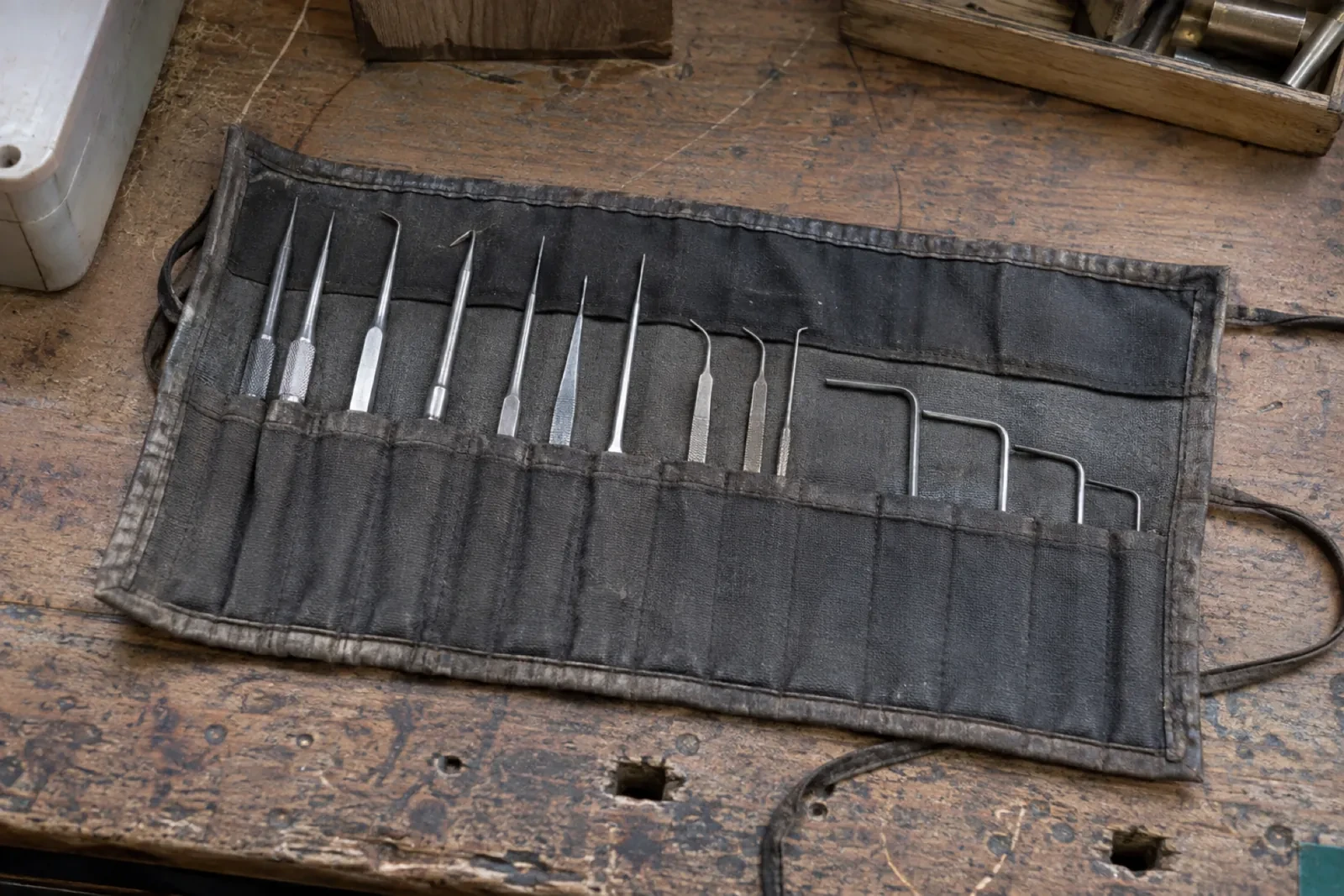
Nothing forced that could be finessed. We reach for picks and shims before drills, and we tell you if the lock has left us no gentle option.
Swept, wiped and working. Metal filings, drywall dust and old screws all leave with us. The lock is tested from both sides and the key handed over.
The lock services below are the ones people in Ionview ask for by name: get me back in, change the locks, rekey the house, put a deadbolt on this door, sort out the shop, open the safe. Each page answers the questions that usually come next, and the technician answers the rest at the door.
About 58% of homes in Toronto were built in 1980 or earlier, according to the 2021 Census.
Older homes
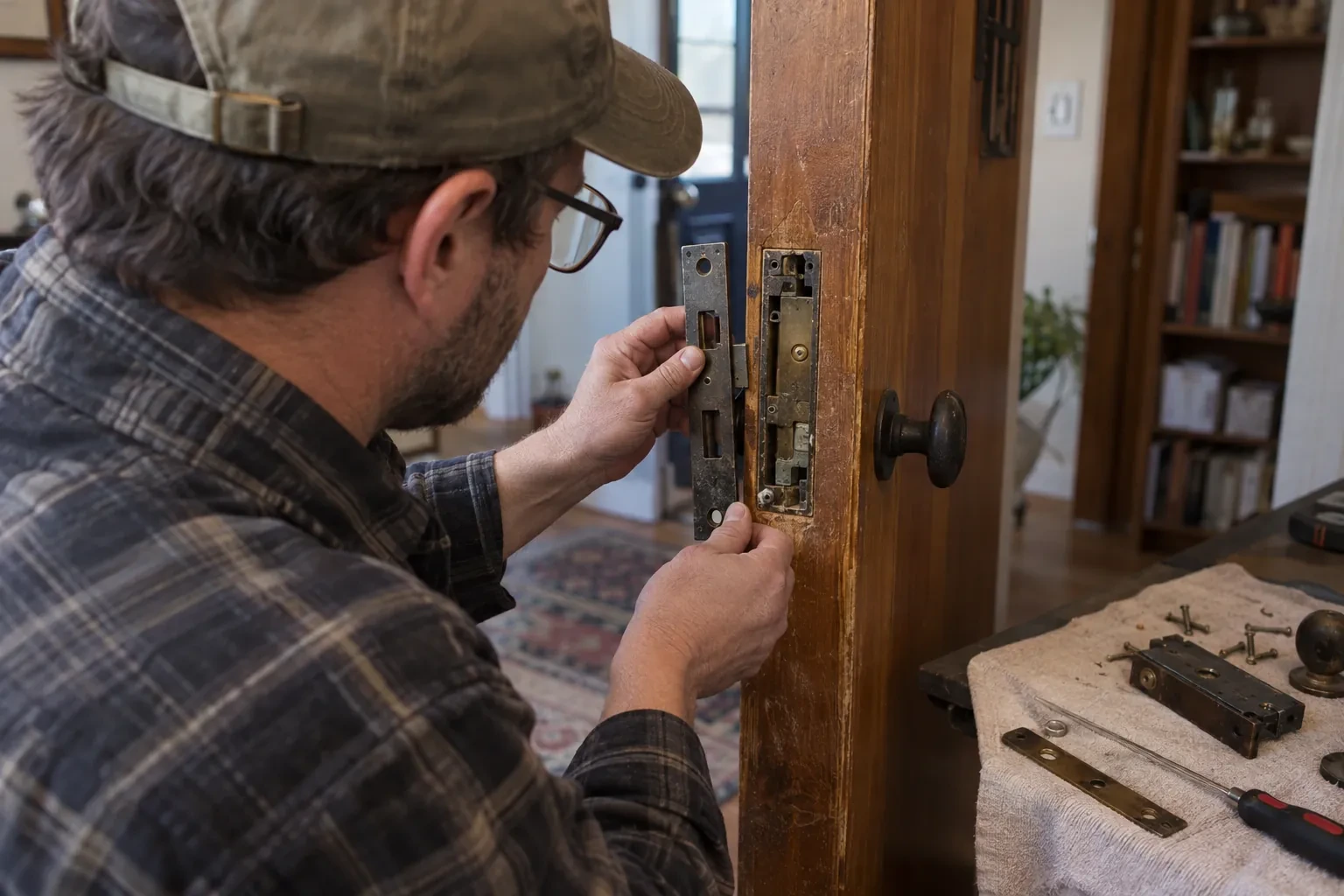
Where housing is mostly older, many entries still have only a knob lock and no deadbolt at all. Adding one is a straightforward job on a solid wood door, and it is the single upgrade that changes most for a house of this kind.
Single-detached houses make up about 23% of homes in Toronto (2021 Census).
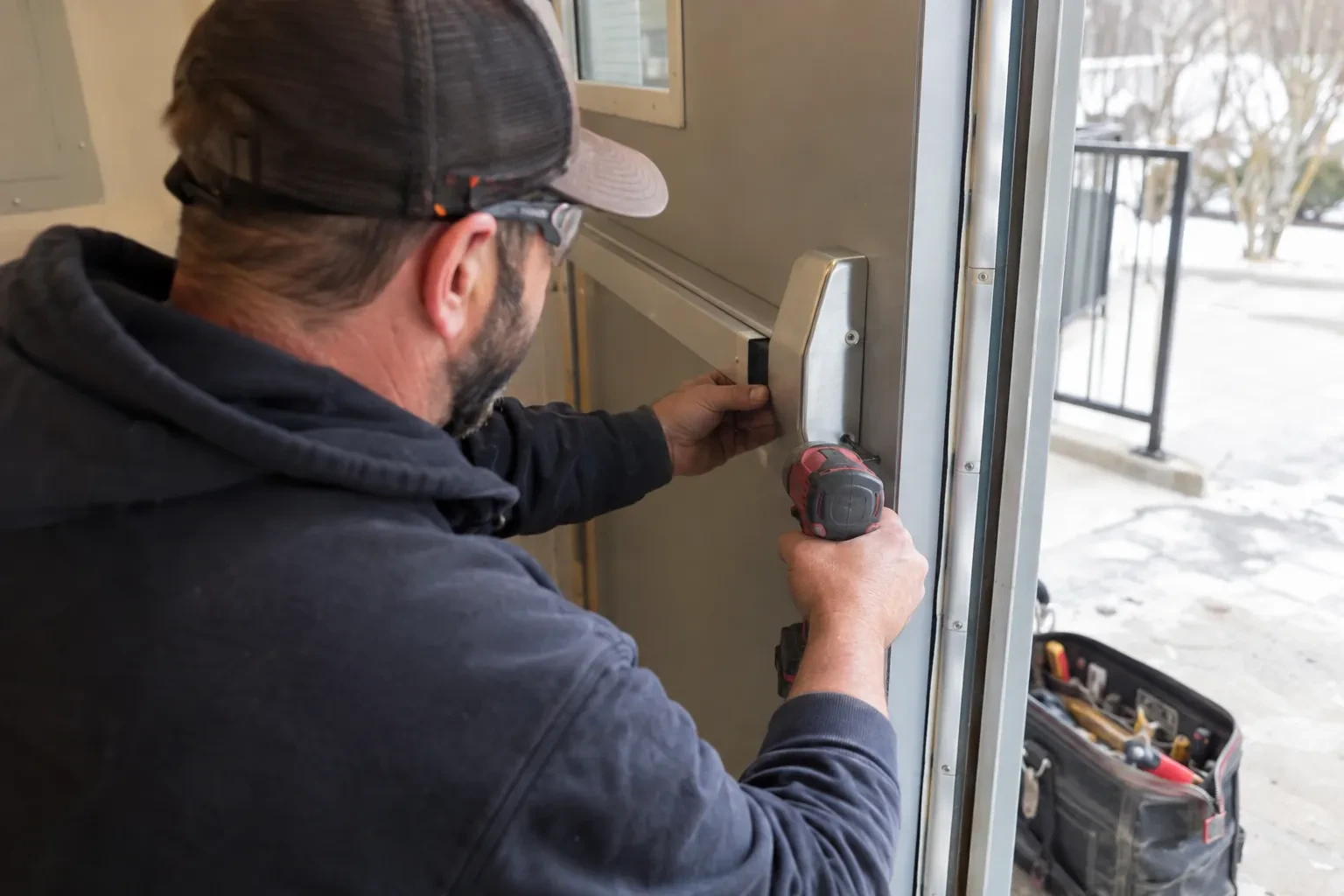
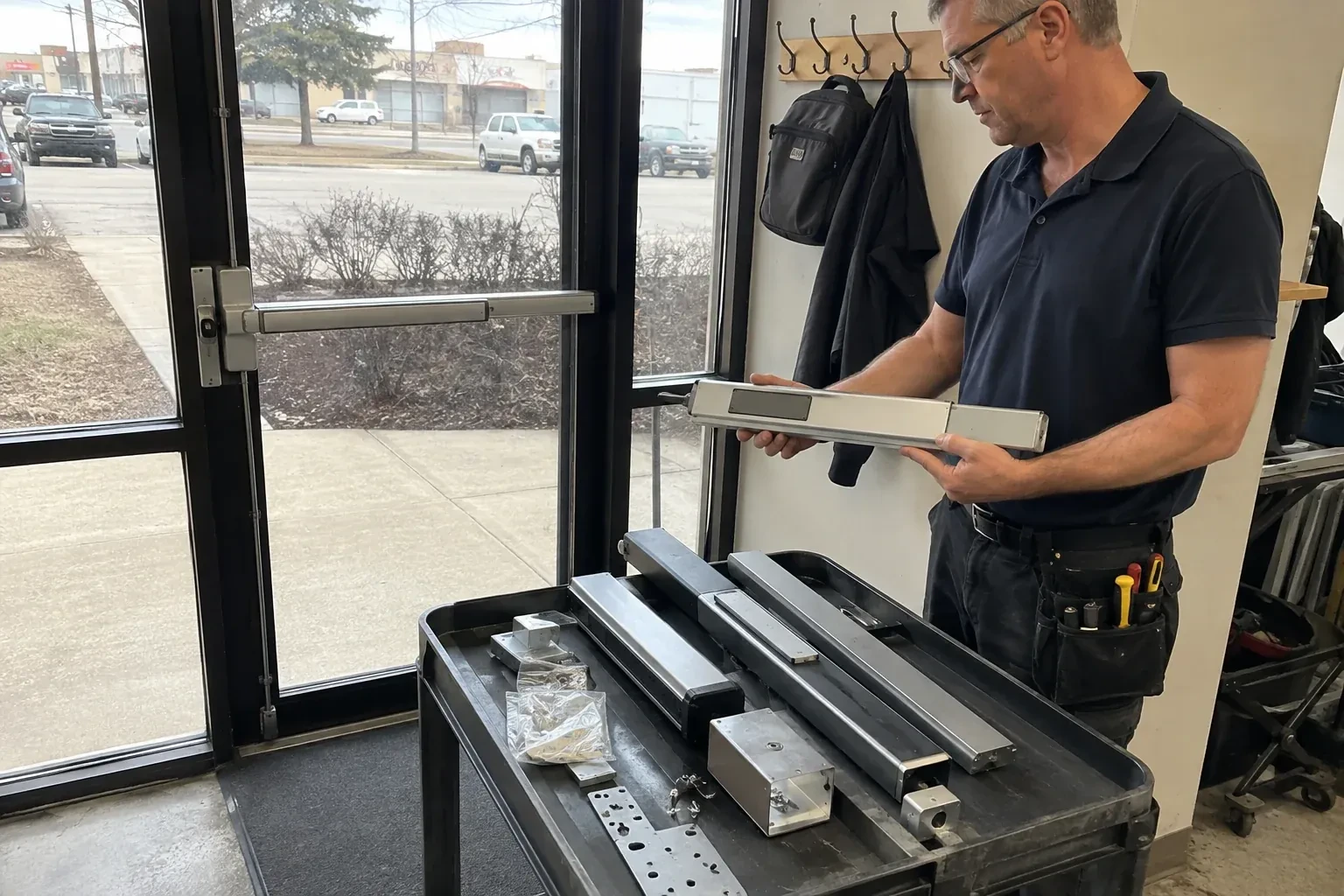
In buildings, the suite door often has a closer and a heavy frame, and the deadbolt sits in a metal or metal-clad door. A locksmith fitting or rekeying one brings the tools and cylinders that suit that construction rather than a wooden house door.
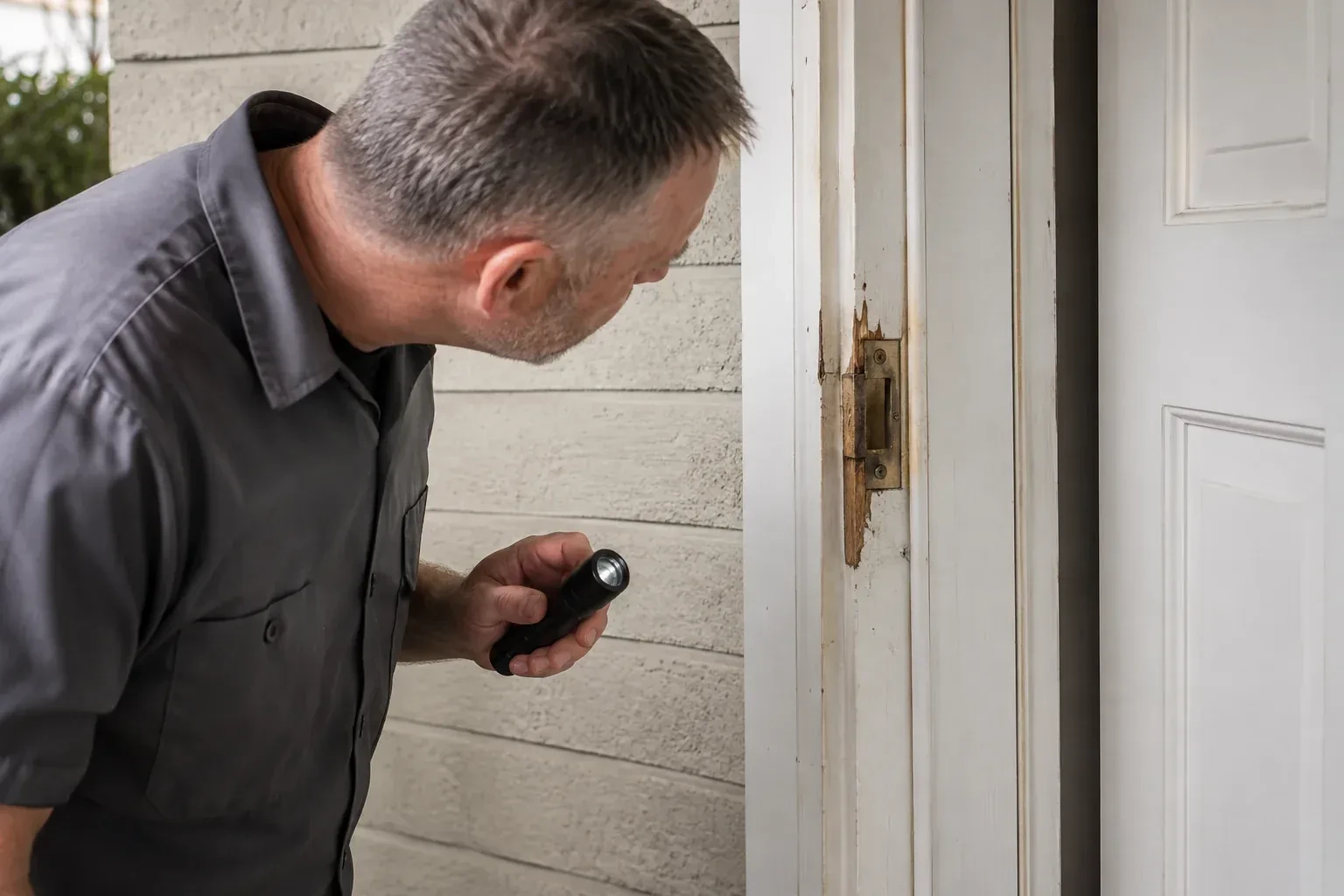
The kick is the most common attack on a residential door, and a standard strike plate held by two short screws fails to it. Reinforced strikes and door-edge wraps are the least glamorous part of high security and the part most often worth doing.
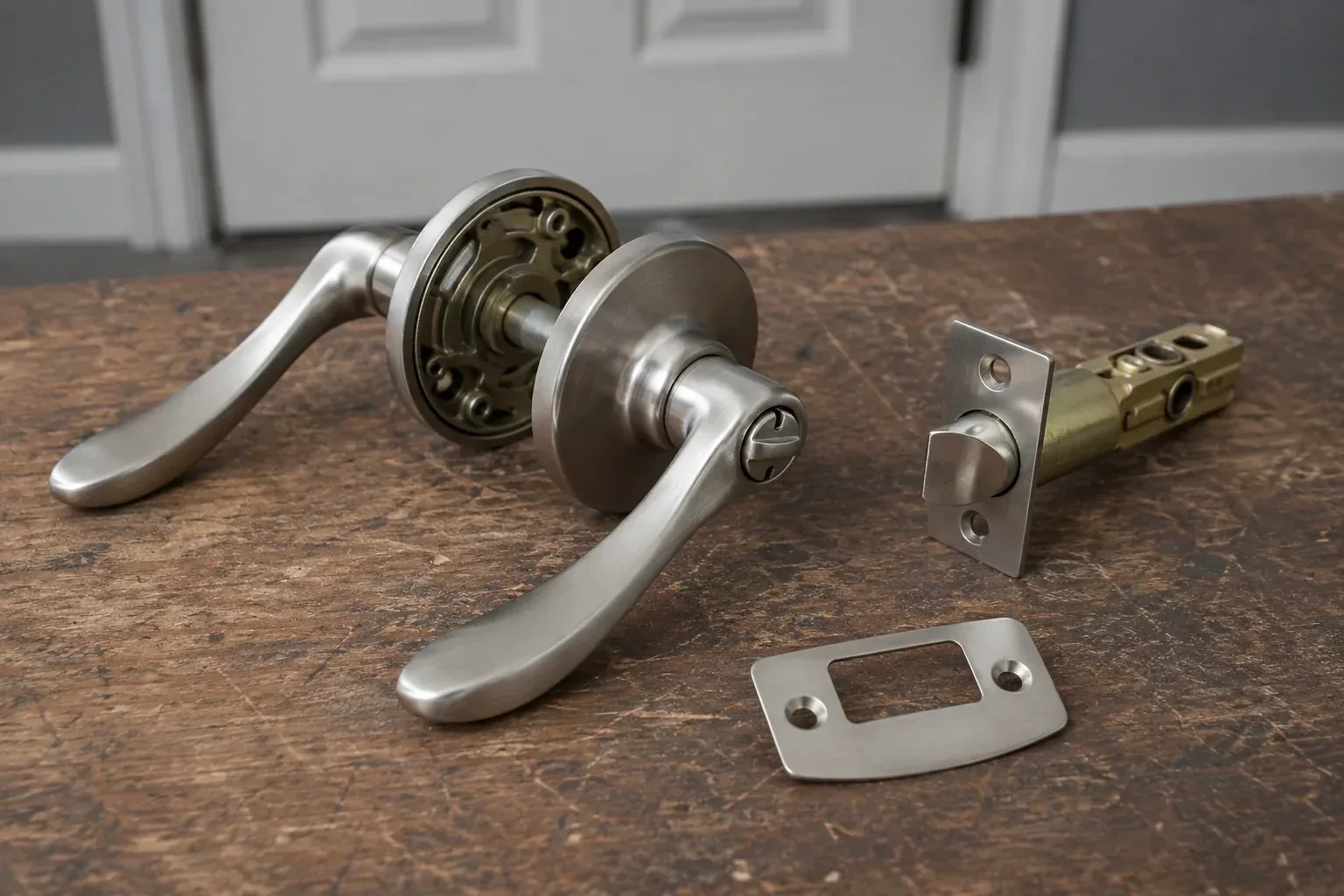
The house is fifteen years old and every exterior door still wears the light hardware the builder fitted: a short bolt, a thin strike held by two small screws, and a knob lock that never suited a street entrance.
Keys for a business should be a record, not a rumour. Master key systems and restricted keyways make it possible to know how many keys exist and who holds each. The commercial pages explain how we set that record up and keep it accurate.
Pry marks circle the dial after an overnight break-in attempt, and the safe now refuses every number that used to open it, as if something inside has locked itself down.
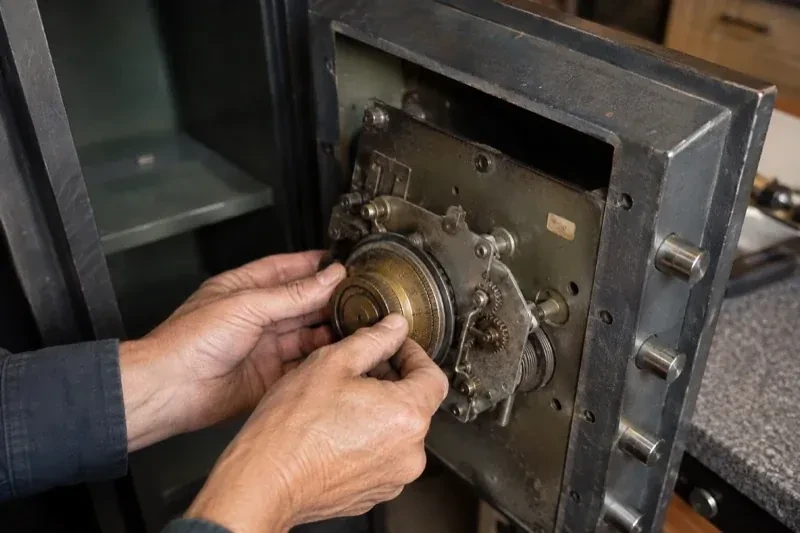
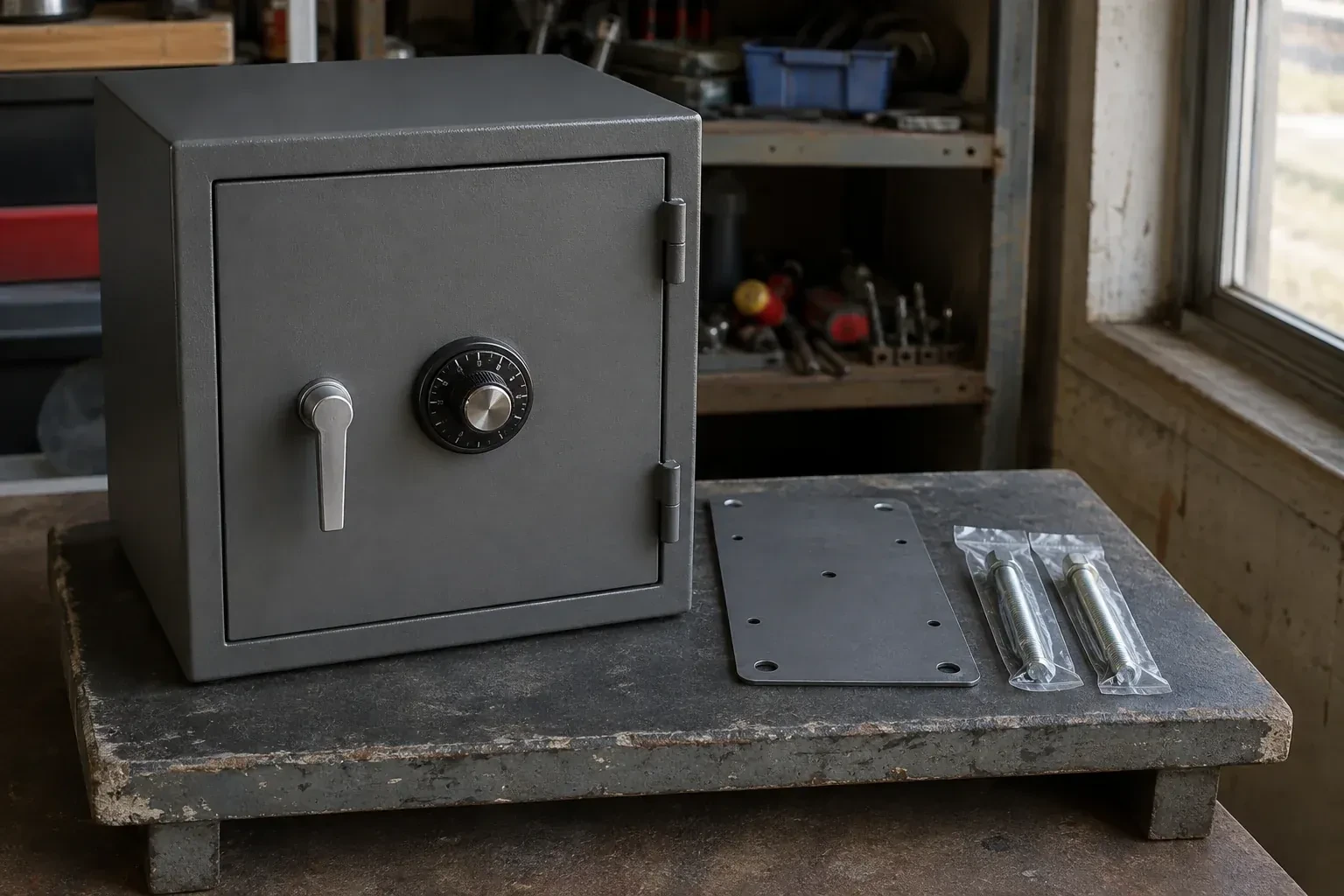
The office is moving three blocks over, and the old commercial safe that has sat bolted to the concrete for fifteen years now needs to come out, travel across town, and go back down just as solidly.
Which fix fits?
The manager who holds the only set of office keys is on a plane.
WhyFreezing is one of the bigger seasonal causes of broken keys here.
A software update reset the clinic's small safe overnight, and the receptionist's usual code now does nothing on a keypad that lights up but goes no further.
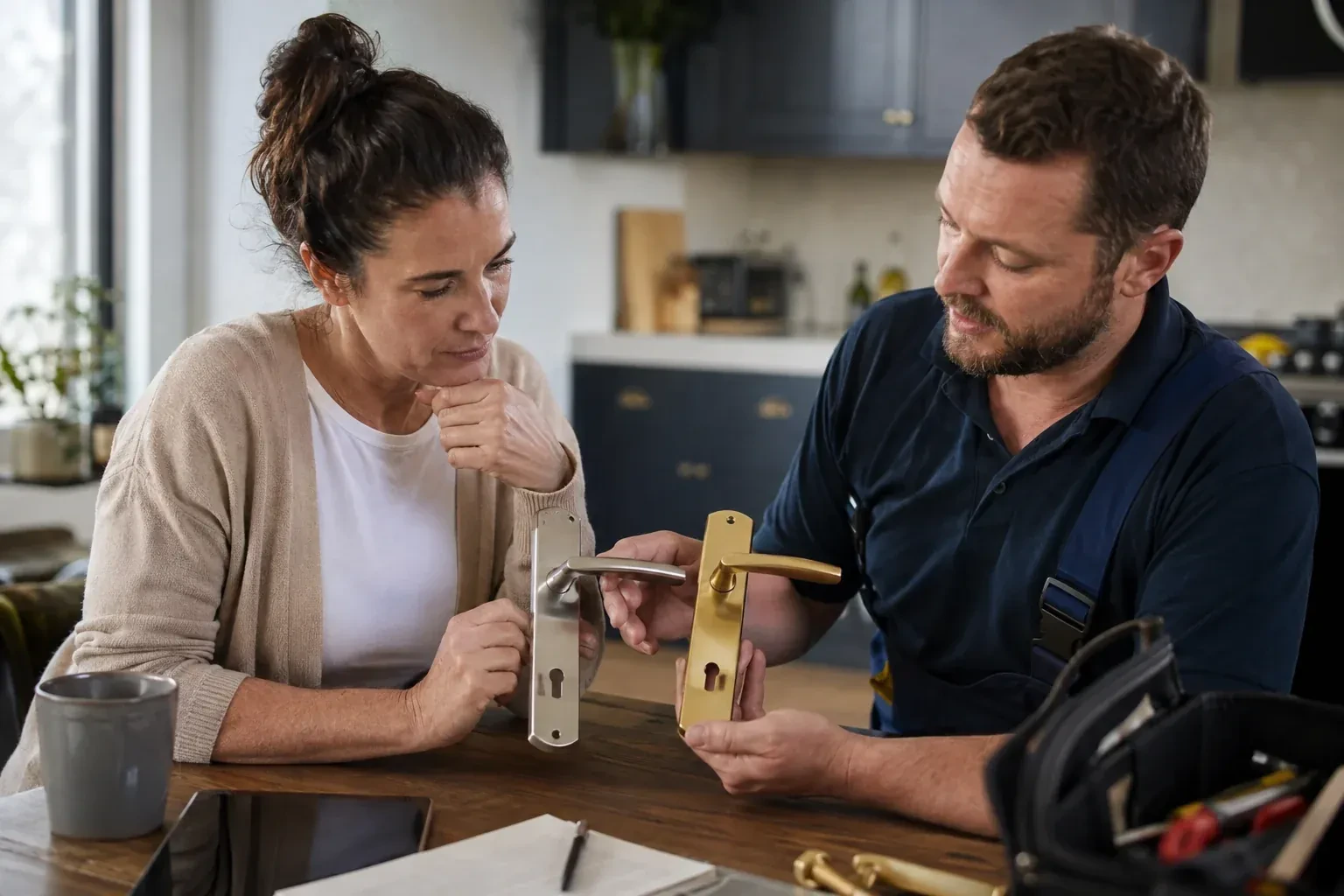
WhyThe service begins with a conversation about what the door protects and what worries you, then a close look at the door as a whole: the cylinder, the bolt, the strike, the frame, the hinges and any glass nearby.
A break-in overnight took the cash float and a staff member's bag with her work keys inside it.
WhyLosing a master key exposes every door it opened, and a commercial rekey brings that exposure back to zero.
A self-storage operator wants the office, the tenant gate and the equipment shed on three different levels of access for staff, but every lock on the property currently answers to the same handful of interchangeable keys handed out over the years.
WhyBeyond convenience, master key system design is a security decision.
The keypad on the side door has started sticking on cold mornings, codes get shared instead of reset, and half the staff still remember a code you meant to retire two hires ago.
WhyA building already running an intrusion alarm or a camera system gains from an access control installation that speaks to them rather than sitting apart from them: an arm-and-disarm event that lines up with the person who unlocked the door, a camera clip tagged to a specific credential instead of a blank time stamp.
Two coworkers share one delivery van and one key between them, trading it at the start and end of every shift in a parking lot.
WhyMaking a spare before the original goes missing is simpler than making one after, because the whole process is built from a working key to read or trace from.
You line the key up with the trunk lock, turn it, and feel nothing catch.
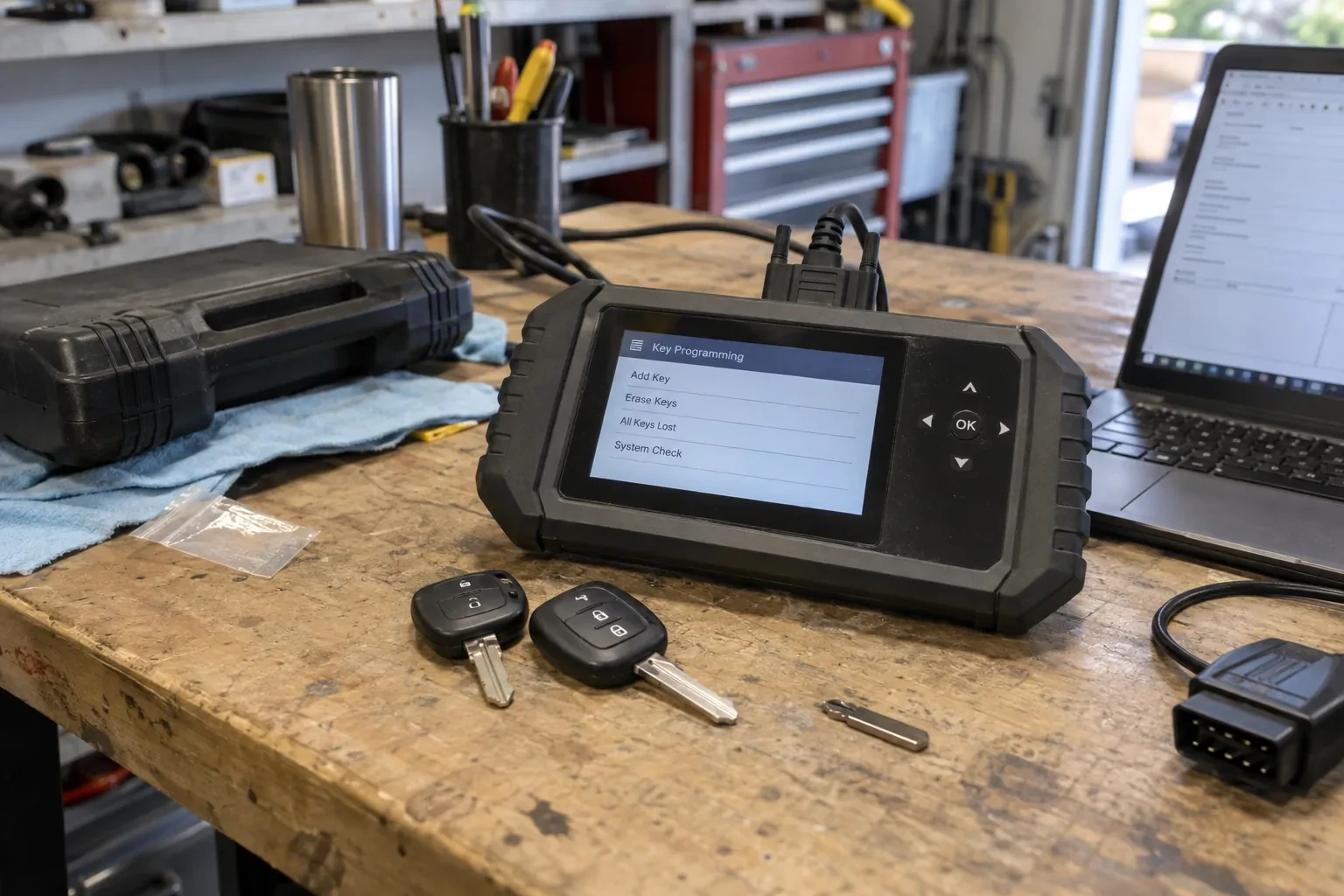
WhySome vehicle lock faults are entirely mechanical, a cylinder worn from years of use, a linkage rod that slipped off its clip, while others sit in the electrical side: a tired actuator motor, a corroded connector, or a coin battery inside the key fob that has finally run flat.
Good days. Start with a turn.
1/9Business Lockout Service
The manager who holds the only set of office keys is on a plane. The team is gathered in the corridor outside the suite, the landlord's office does not open for another hour, and the client meeting is at nine-thirty.
In the parking lot your car key snapped in the driver's door. You are holding the plastic head with the buttons on it, the metal blade is inside the lock, and the spare is on a hook at home.
A software update reset the clinic's small safe overnight, and the receptionist's usual code now does nothing on a keypad that lights up but goes no further.
The restricted keys you bought years ago are no longer restricted; the locksmith mentioned the patent has run out and blanks are sold openly. Your key control quietly stopped being control.
A break-in overnight took the cash float and a staff member's bag with her work keys inside it. The glass is being replaced this morning, but the key that opened the door yesterday will still open it tonight unless the cylinders are changed.
A self-storage operator wants the office, the tenant gate and the equipment shed on three different levels of access for staff, but every lock on the property currently answers to the same handful of interchangeable keys handed out over the years.
The keypad on the side door has started sticking on cold mornings, codes get shared instead of reset, and half the staff still remember a code you meant to retire two hires ago.
Two coworkers share one delivery van and one key between them, trading it at the start and end of every shift in a parking lot. A missed handoff leaves someone standing beside a locked van with nowhere else to be.
You line the key up with the trunk lock, turn it, and feel nothing catch. It spins freely, over and over, never lifting the latch, while every other lock on the car still locks and unlocks the way it always has.
We need to open for customers. How do you sequence the visit?
Entry comes first and repairs second. Once authority is confirmed the door is opened, staff go in and start their routine, and the locksmith turns to the cause: extracting a broken key, rekeying for a lost one, re-springing a deadlatch or lifting a dropped door. Anything that can wait for a quieter hour, such as rekeying interior doors, is offered as a return visit so the shop floor is not blocked while it trades.
Will extracting the piece damage my lock?
Extractor tools grip the key, not the lock, and are meant to leave the pins, springs and plug as they were: hooks and spirals ride in the keyway grooves beside the fragment and draw it out the way the key travels. It is not certain, though; a deeply lodged fragment or a prior failure can still leave a lock, especially a vehicle cylinder, needing further work. Damage most often comes from what happens before the locksmith arrives, mainly tweezers, screwdrivers and glue, which is why leaving the keyway alone matters.
What happens to the hole if my safe has to be drilled?
It is closed with a repair plug or patch plate matched to the case material and finish before the visit ends, aiming to leave one small, professionally finished repair rather than an open hole, with the exact result depending on the safe's construction and the approved repair method used. If the drilled point affected the safe's original security rating, that is explained plainly, along with whether the replacement lock restores it to its prior level.
Is a smart lock more secure than a high security mechanical lock?
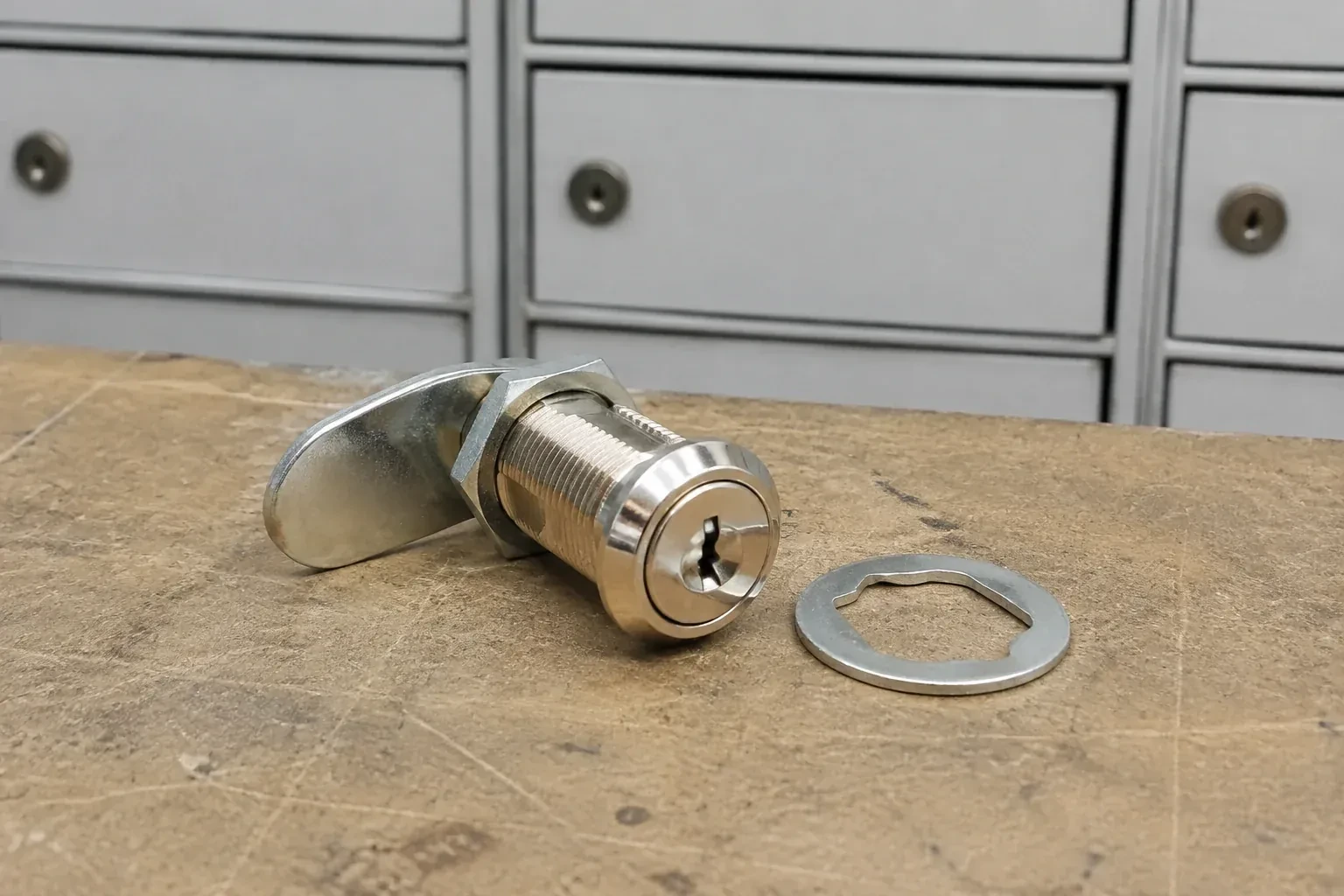
They solve different problems. A keypad or smart lock manages who can enter and when, and many have no keyway to pick. A high security mechanical lock resists physical attack and controls key copying without batteries, apps or connectivity. Many businesses use both: electronic access on high-traffic doors and high security cylinders on rooms that must hold regardless of power. The locksmith helps you match the tool to each door rather than choosing one philosophy.
What information should I have ready before the locksmith arrives?
A list of the doors and other locks you want included, a copy of the lease or the property manager's contact, every existing key you can find, and a rough idea of who needs to open what. Note which doors, if any, are interchangeable cores and where the control key is. Knowing your quiet hours and who opens up in the morning helps the locksmith plan the order of work and the key handover.
What happens if a department splits or a business reorganizes?
The existing chart is the starting point rather than a blank page. Doors that move to a new department are reassigned within the existing hierarchy where the cylinders and platform allow it, and only the affected levels are touched. A reorganization is usually an adjustment to the record, not a reason to rebuild the whole system from the ground up.
Can different doors run on different schedules?
Yes, and this is one of the more useful parts of the system. A front office can unlock for regular business hours, a stockroom can allow only two credentials at any hour, and a loading dock can release only during a set delivery window. Schedules are set per door and per access level in the controller, and can be changed at any time without touching the hardware itself.
What happens if I only have one key and it is for a car I just bought?
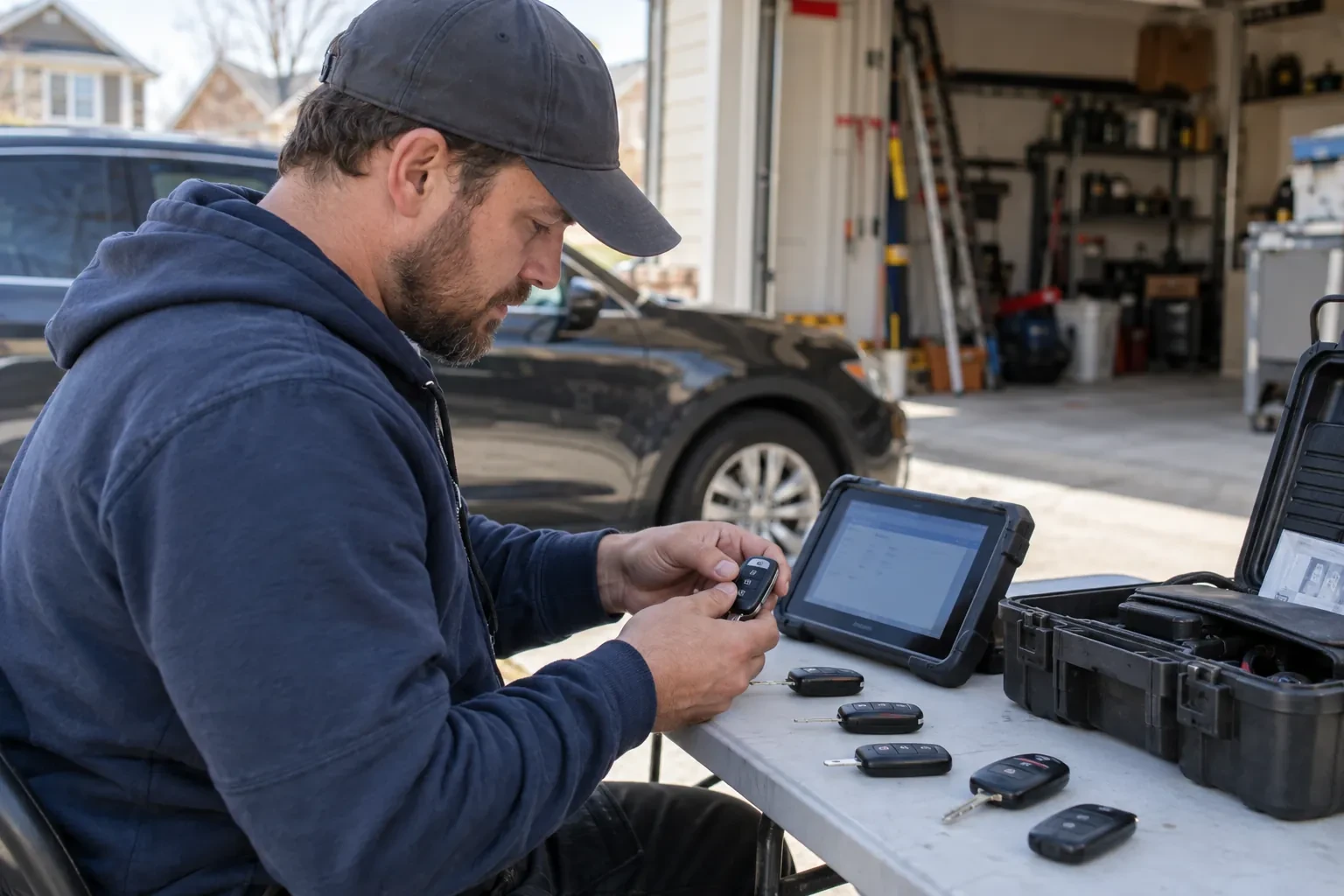
This is a common and straightforward call. The locksmith works from the single existing key and the vehicle itself, identifying the blade profile and reading or matching the chip, then testing the result on its own before the visit ends. It is also a good moment to confirm how many keys the car's history suggests should exist, since a private sale sometimes changes hands with an unknown key already out of circulation.
What is the difference between an actuator problem and a wiring problem?
An actuator problem usually means the small motor that moves the lock has worn out, though a switch or control signal in the same assembly can fail too. A wiring problem usually means the motor is fine but current is not reaching it, often traced to a cracked wiring boot at the door hinge or a corroded connector, though the locksmith checks the whole path rather than assuming which it is.
Request a visit
For businesses in Ionview we keep records. Which cylinders were pinned to which key, how many keys were cut, which doors carry a master, when the closers were last adjusted. That paperwork lands in your inbox after the visit so the next staff change or the next audit is a matter of reading a page rather than calling around.