Lockouts · Toronto
Seized & Jammed Lock Opening
The lock works, but only if you lean on the door with your hip while turning the key.
In plain words
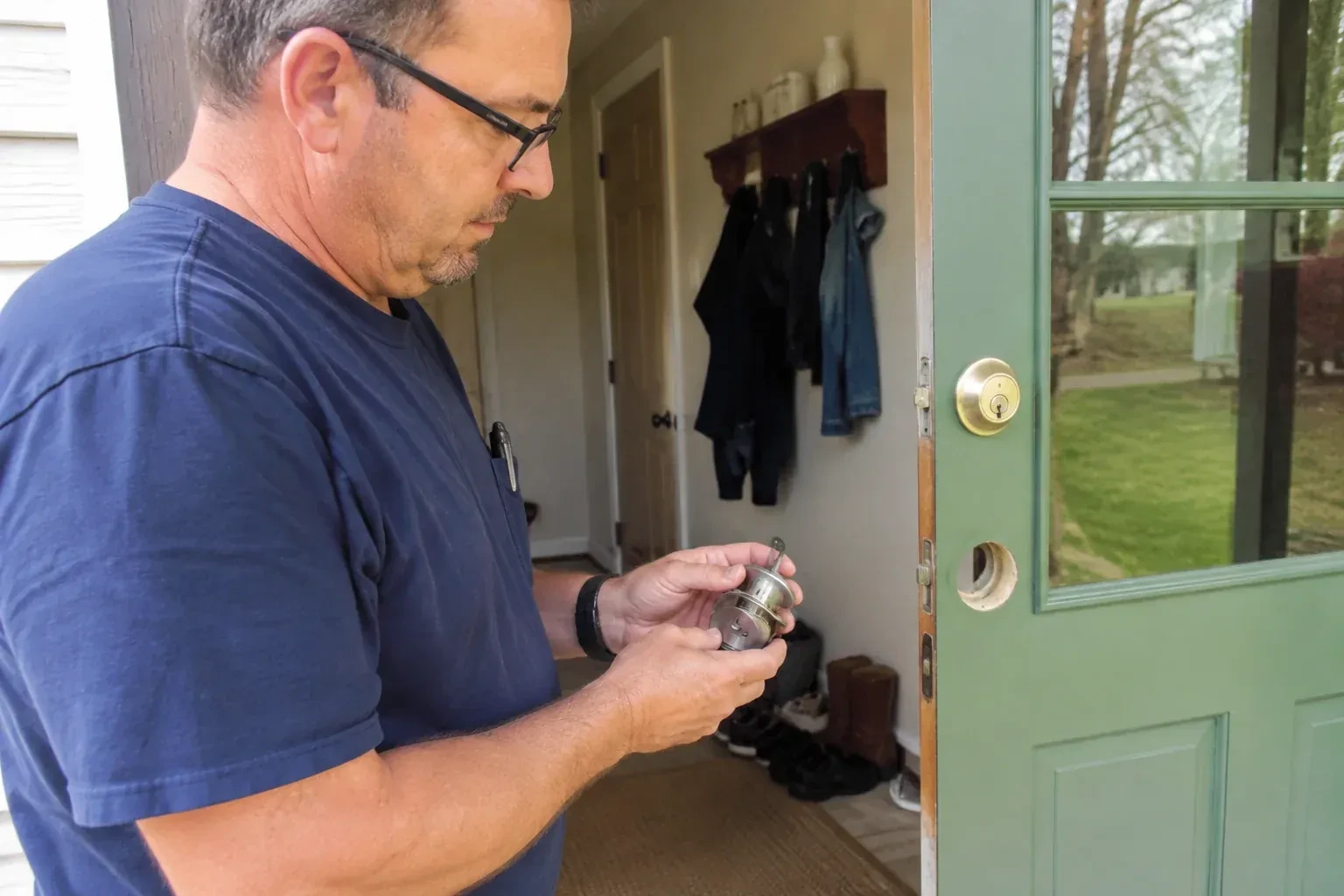
On storefronts, offices and older houses the hardware is often a mortise lock with a lever, and the jam is frequently inside the case, not the cylinder. A lever that swings without retracting the latch can point to a broken spring, a worn hub, or another fault in the drive path; a key that stops halfway can point to a bent spindle, an old case packed with dust, or a problem in the cylinder itself. Seized and jammed lock opening for this hardware means getting people through the door, then opening the case, cleaning the contact points, and fitting the part that gave up.
How the visit goesThe old mortise lock on the front door of the house turns the key halfway and stops with a dull clunk. It has been getting harder for months, and the brass key is starting to show a bend.
Seized & Jammed Lock Opening
How the visit goes
Loading the door while the key is worked
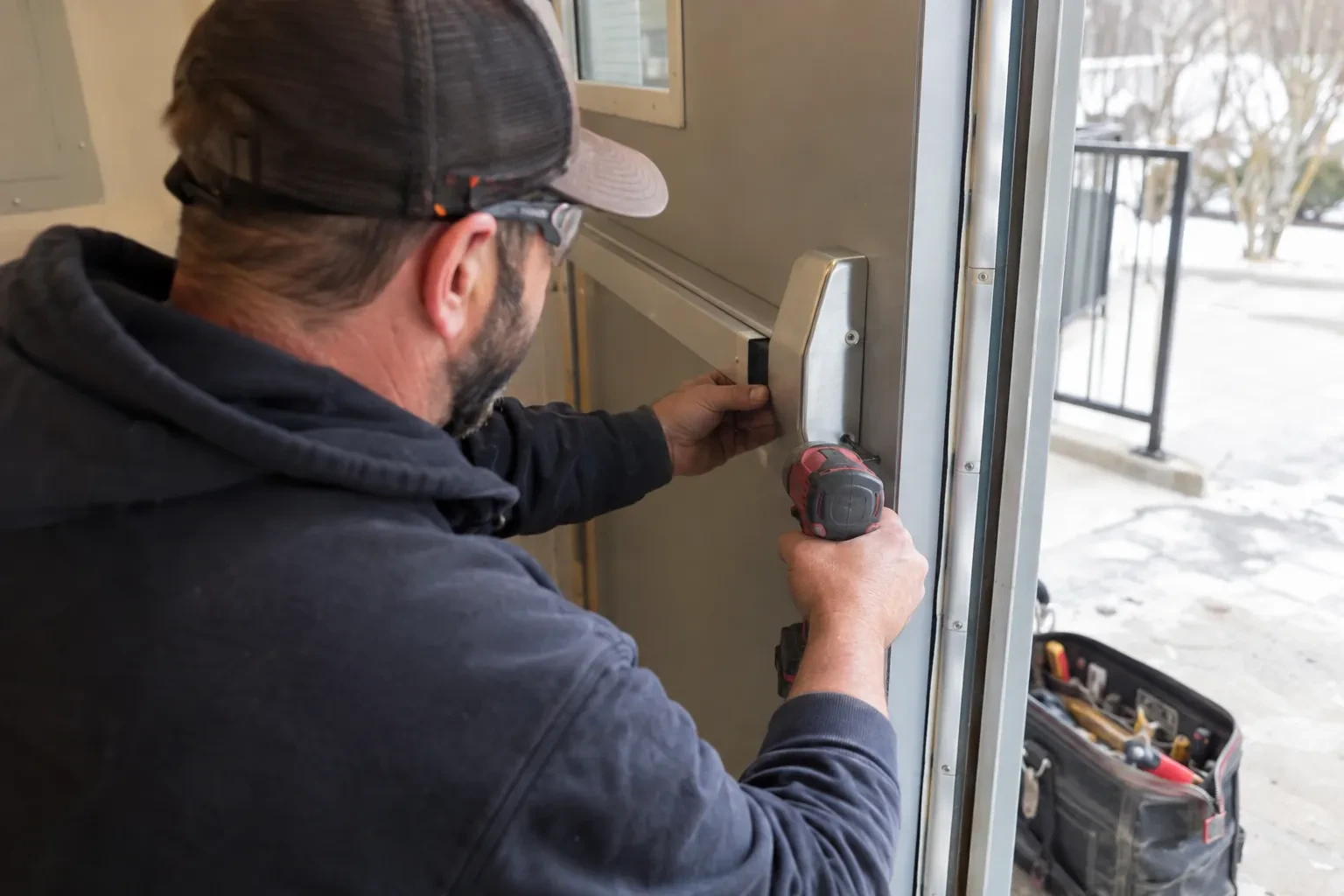
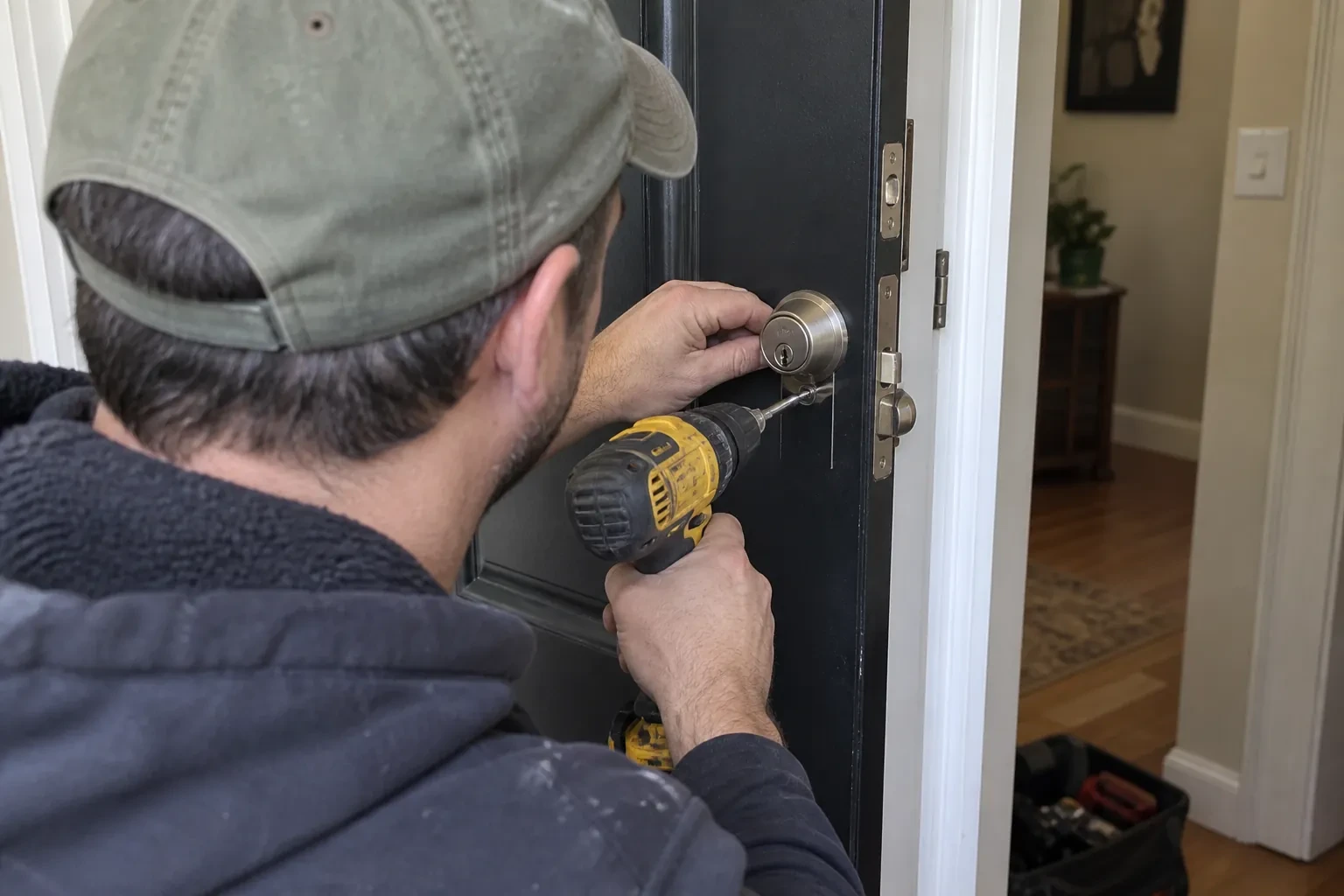
With the lock family narrowed, the locksmith puts a hand on the door. Pushing it into the frame, pulling it out, and lifting on the handle each change how a bound bolt sits in its pocket, and the key is tried gently in each position. If the key frees up under one of those loads, the door is the cause. Where a second entrance is open, the same lock family is compared with the door swung wide, since a bolt that throws smoothly in mid-air and binds when closed has been pinched by the frame. Nothing is forced during this test; it is a diagnosis, not an attempt.
Proving it with the door open and shut
The job is finished with testing rather than with the last screw. The bolt is thrown and drawn back with the door open to prove the lock itself, then with the door closed to prove the door and strike, then from the inside with the thumb-turn or lever. Every key you hold is tried, including the spare from the drawer. If the door is a main exit, the locksmith confirms it opens from inside with one motion and no key. Any hardware that was adjusted is cycled a dozen times to make sure it stays put, and the finish is wiped clean of cleaner and lubricant.
A door that closes without a fight
If the door was the cause, the hinges, strike and seal have been set so the bolt has room. Keeping it that way is a seasonal habit: each spring and fall, try the lock with the door closed and no pressure on it, and snug the hinge and strike screws if the door has begun to drop. Wood keeps moving with humidity, so a door that swells in August may need a touch on the strike in September. A door that suddenly needs a push to lock is telling you early, while the fix is still a screwdriver and not a seized bolt.
Seized & Jammed Lock Opening
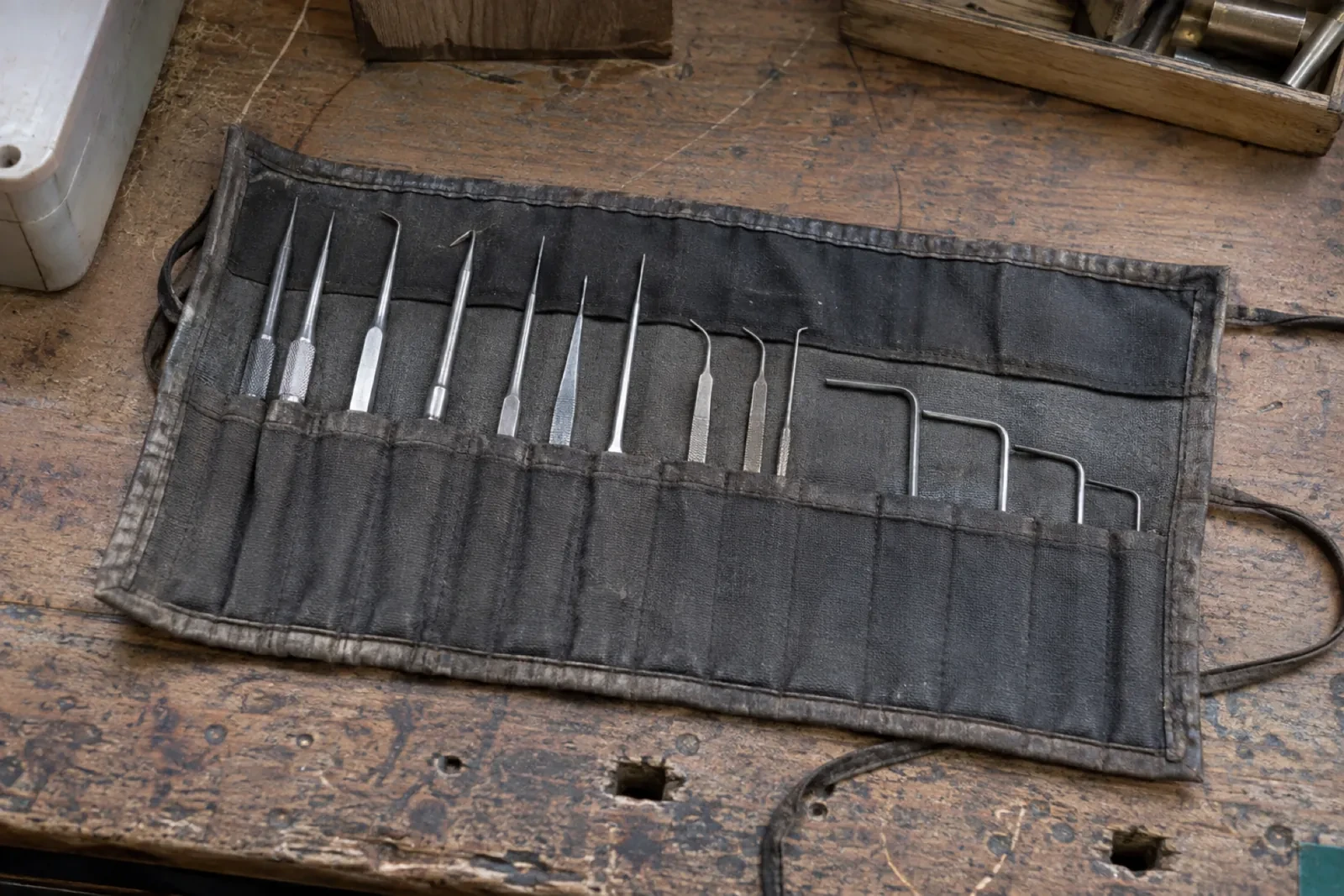
In the van
Key blanks and code cutter
Replacement tailpiece or cam
Replacement cylinder
Long hinge screws
Penetrating lubricant
Seized & Jammed Lock Opening
What affects the quote
Inside door or outside door
A jammed bedroom or office privacy lock is generally a lighter job than a weather-exposed exterior deadbolt, and a mortise lock on an interior door sits between the two.
Matching finish and keyway
A replacement that has to match an unusual finish or a restricted keyway takes a specific part rather than a stock one, and the quote reflects the part.
Small parts behind the cylinder
Tailpieces, cams, springs, cylinder caps and pins are minor items, but each one used is named on the quote so you can see what went into the lock.
What to have ready
- Is there another door you can use in the meantime?
- What kind of lock is it: deadbolt, knob, lever, mortise or keypad?
- Which side of the building does the door face, and is it near a salted driveway?
Seized & Jammed Lock Opening: questions
QuestionsThe thumb-turn is stuck from inside and we need that door to get out. What should we do?
Use another exit for now and call. From the inside the fault is usually a bolt pinned by the frame or a bent spindle, both of which the locksmith frees without damage. A main exit door should open from inside without a key or special knowledge, so the repair leaves the door doing exactly that, and if the hardware on it was the wrong type for an exit, a thumb-turn deadbolt is suggested.
What is a tailpiece, and why does it matter here?
The tailpiece is the flat bar that sticks out of the back of a deadbolt cylinder and turns the bolt mechanism when the key turns; on a knob or lever set the equivalent part is a cam or spindle. It carries all the twisting effort, so a bent, worn or broken one is the reason a key can turn without anything happening. It is a small part to replace, it comes in several lengths, and the right length matters.
Will I need a whole new lock?
Usually not. Most jammed locks are saved by cleaning the cylinder, fitting a small part such as a tailpiece or spring, or adjusting the door so the bolt has room. A new cylinder is fitted when the plug or shell is corroded through or twisted by forcing, matched to your finish and, where possible, pinned to your current key. A complete new lockset is usually a choice you make rather than a requirement, though some internal failures cannot be serviced in place and call for a full replacement.
Related services
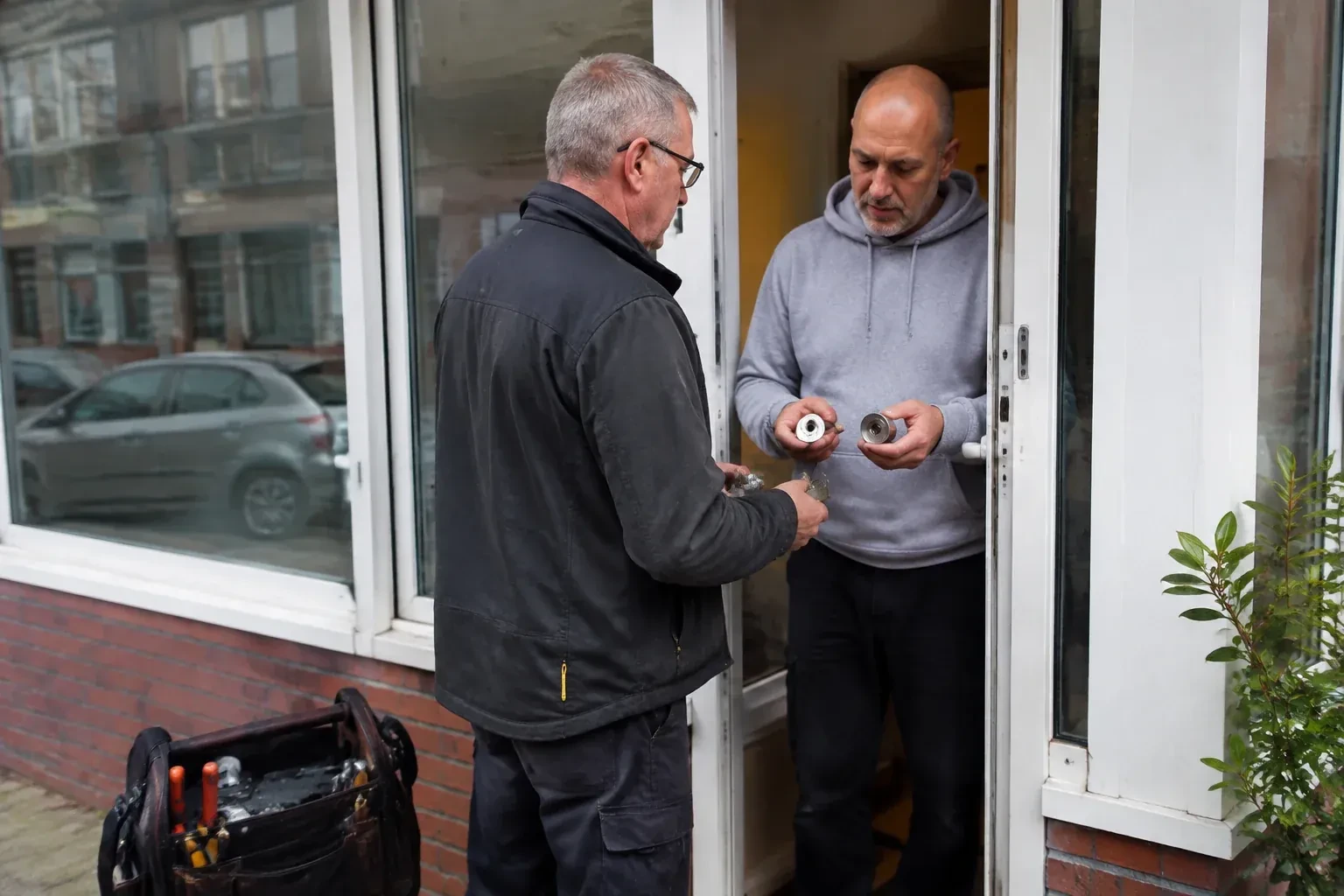
- Business Lockout ServiceIt is ten to nine, three staff are on the sidewalk with their coffees, and the key that has opened the glass front door for six years will not turn.
- Broken Key ExtractionThe key went in like any other morning, you turned it, and something gave with a small metallic click.
- Break-In Damage Lock RepairSomeone smashed the little window beside the door, reached in and turned the thumb-turn.