
Commercial · Toronto
Master Key System Design
A dental office wants the front desk to lock up at night without ever holding a key to the room where patient records and controlled supplies are stored.
In plain words
In a building shared by several tenants, departments or contractors, master key system design draws a clear line between who needs a broad master and who needs a single change key for their own door. Cleaners, maintenance staff, department heads and the owner typically sit at different levels, and the hierarchy is built to reflect that rather than to make life easier for whoever is issuing keys that week. The chart that results shows every level at a glance, which makes it far simpler to answer a basic question: who can currently get into this room.
How the visit goesAfter a busy shift the manager counts the keys coming back in and loses track of who still has one. The walk-in cooler, the liquor cage and the office desk are all supposed to be separate, but the same battered key seems to fit two of them.
Master Key System Design
How the visit goes
Where a sub-master genuinely earns its place
Not every group of doors needs its own level. The assessment looks for places where a sub-master is a real convenience, such as a department, a floor, or a set of storage rooms used by the same small team, rather than adding levels for their own sake. A hierarchy with more levels than the business actually uses is harder to manage and easier to get wrong later, so this stage is as much about deciding what not to build as it is about what to include, before any pins are cut or any key blanks are ordered.
Choosing a platform with room in it
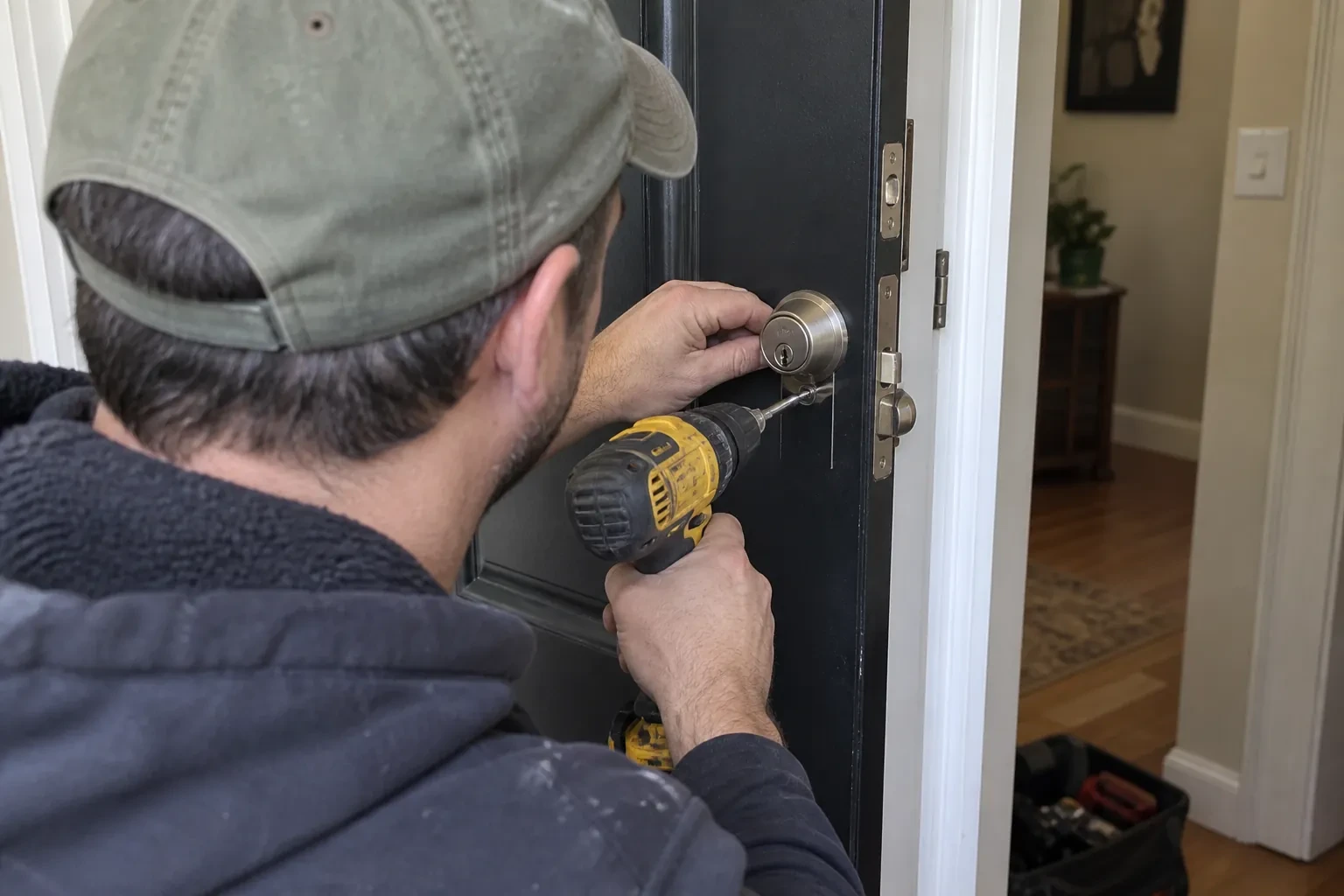
The keying platform and keyway are chosen to hold every level the design calls for, plus a margin for doors that are likely to join later. Each cylinder is then pinned chamber by chamber to the planned bittings, with bottom and master pins stacked together to create the shear lines every level needs to turn that one cylinder. Getting this stacking right is what prevents a common mistake: a change key that, through an overlooked shared pin, quietly opens more than the door or keyed-alike group it was meant for.
Handing the record to whoever administers it next
The chart, the issuance log and any spare keys are handed to a named administrator, not left as loose paperwork or scattered across whoever happened to be present. If that role changes hands, custody of the record moves with it deliberately, along with a signed acknowledgement of what is being transferred, so the system's history does not quietly disappear along with the person who used to manage it.
Master Key System Design
In the van
Locking chart storage cabinet
Compatible replacement cylinders
Master pin kits
Keying chart
Restricted or standard key blanks

Master Key System Design
What affects the quote
Room reserved for future growth
Building spare capacity into the keying platform so a business can add doors later without a full redesign takes deliberate planning during the design stage. A property with clear expansion plans may choose a platform with more reserved combinations, priced differently from a minimal, current-needs-only design.
Sub-master levels beyond the basics
One or two sub-master levels are typical for most properties. A more elaborate hierarchy, with several sub-masters covering overlapping departments or floors, takes longer to design correctly and test, and that additional design and testing time is reflected in the quote.
Whether hardware needs replacing for accessibility
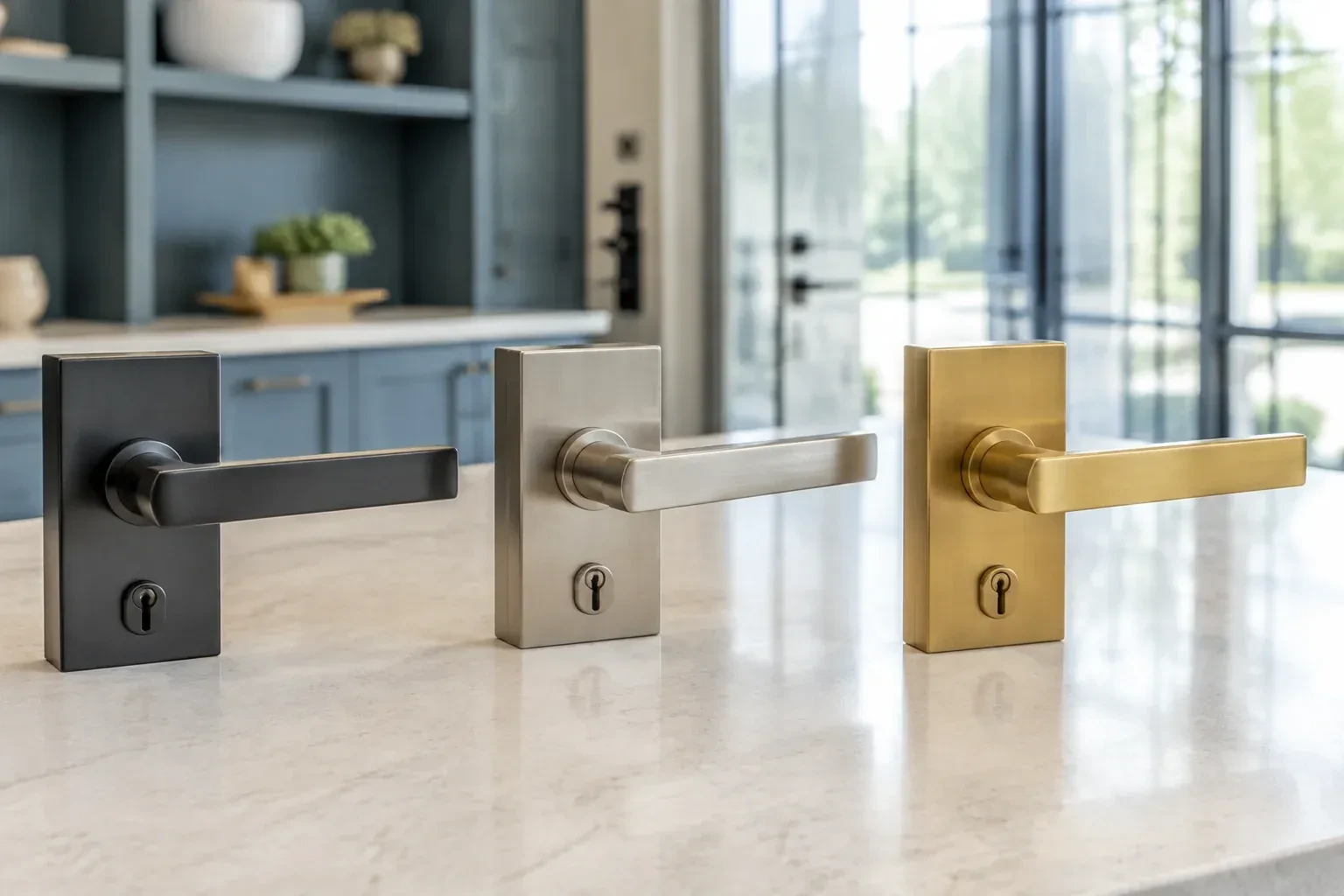
Doors on a barrier-free path of travel need lever or paddle-style hardware rather than round knobs, so a property with several such doors that currently have incompatible hardware has more replacement work folded into the project than one already fitted with compliant hardware.
What to have ready
- Are any doors part of a shared or condominium-controlled building system?
- Who should be named as the system's administrator going forward?
- Do any doors need restricted or patented keys for duplication control?
Master Key System Design: questions
QuestionsCan cleaners or contractors get limited access without a master key?
Yes. A change key or a narrow sub-master covering only the areas they service is the usual approach, rather than handing over a level that reaches further than the job requires. Where the property uses keypad or card access alongside mechanical keys, a time-limited or role-specific electronic credential can serve the same purpose without a physical key changing hands at all.
What happens if a department splits or a business reorganizes?
The existing chart is the starting point rather than a blank page. Doors that move to a new department are reassigned within the existing hierarchy where the cylinders and platform allow it, and only the affected levels are touched. A reorganization is usually an adjustment to the record, not a reason to rebuild the whole system from the ground up.
Who should hold the top-level master key?
As few people as the business can genuinely operate with. Every additional holder is another way a full-access key can be lost, borrowed or copied without anyone deciding that should happen. A useful test during design is asking, for each proposed holder, whether they need to open every single door on the property or only a defined group; the second answer usually points to a sub-master instead.
Related services
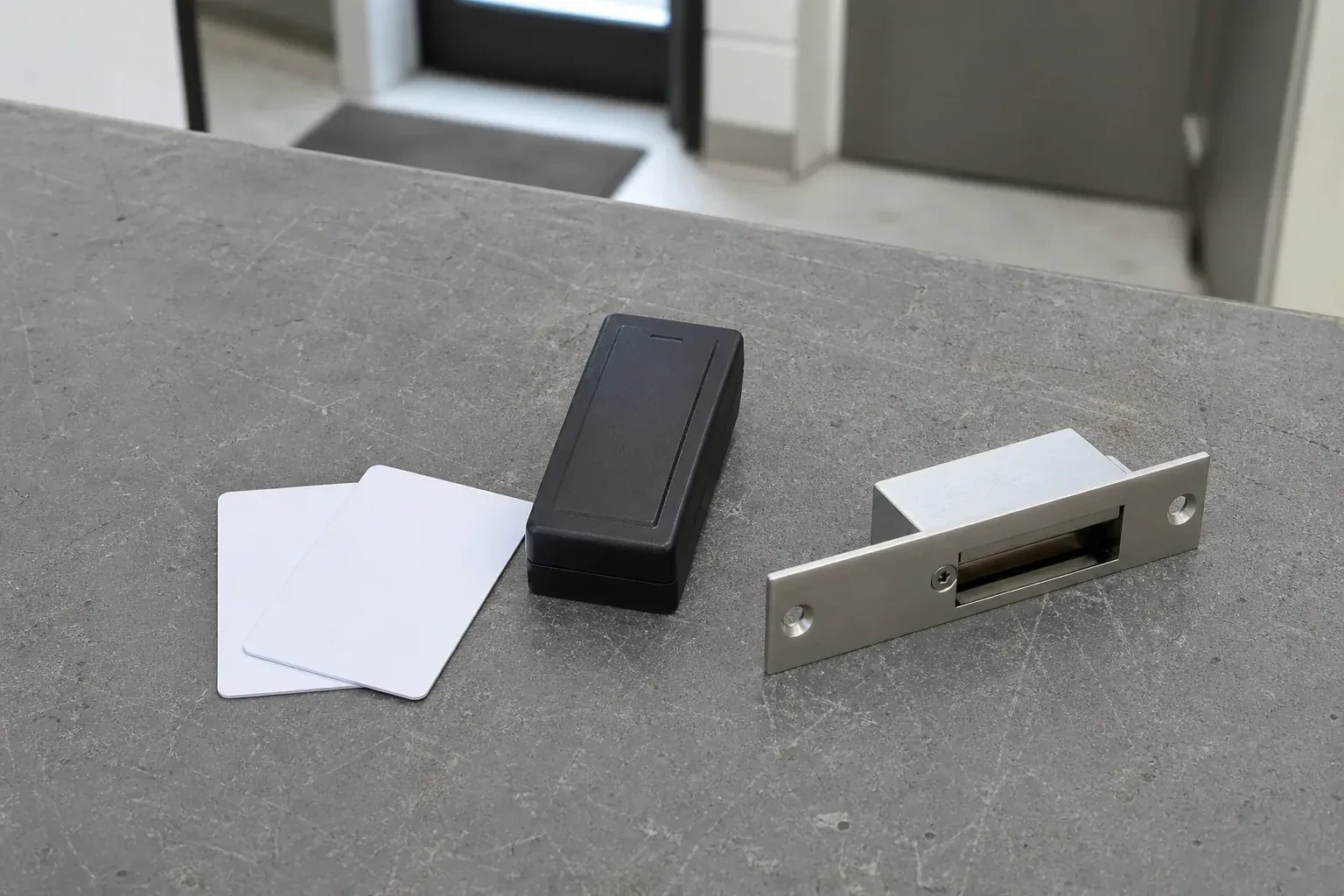
- Access Control InstallationAnother employee left and the keys never came back.
- Panic & Exit HardwareTwo doors used to swing as a pair at the community hall entrance, but one leaf has started closing before the other, catching the astragal and leaving a gap wide enough to worry the caretaker.
- Commercial-Grade Lock ReplacementA new tenant moved into the unit next door, and the property manager just found three different cylinders on three doors, none of them cut to the same key.