
Lockouts · Toronto
Broken Key Extraction
The key went in like any other morning, you turned it, and something gave with a small metallic click.
In plain words
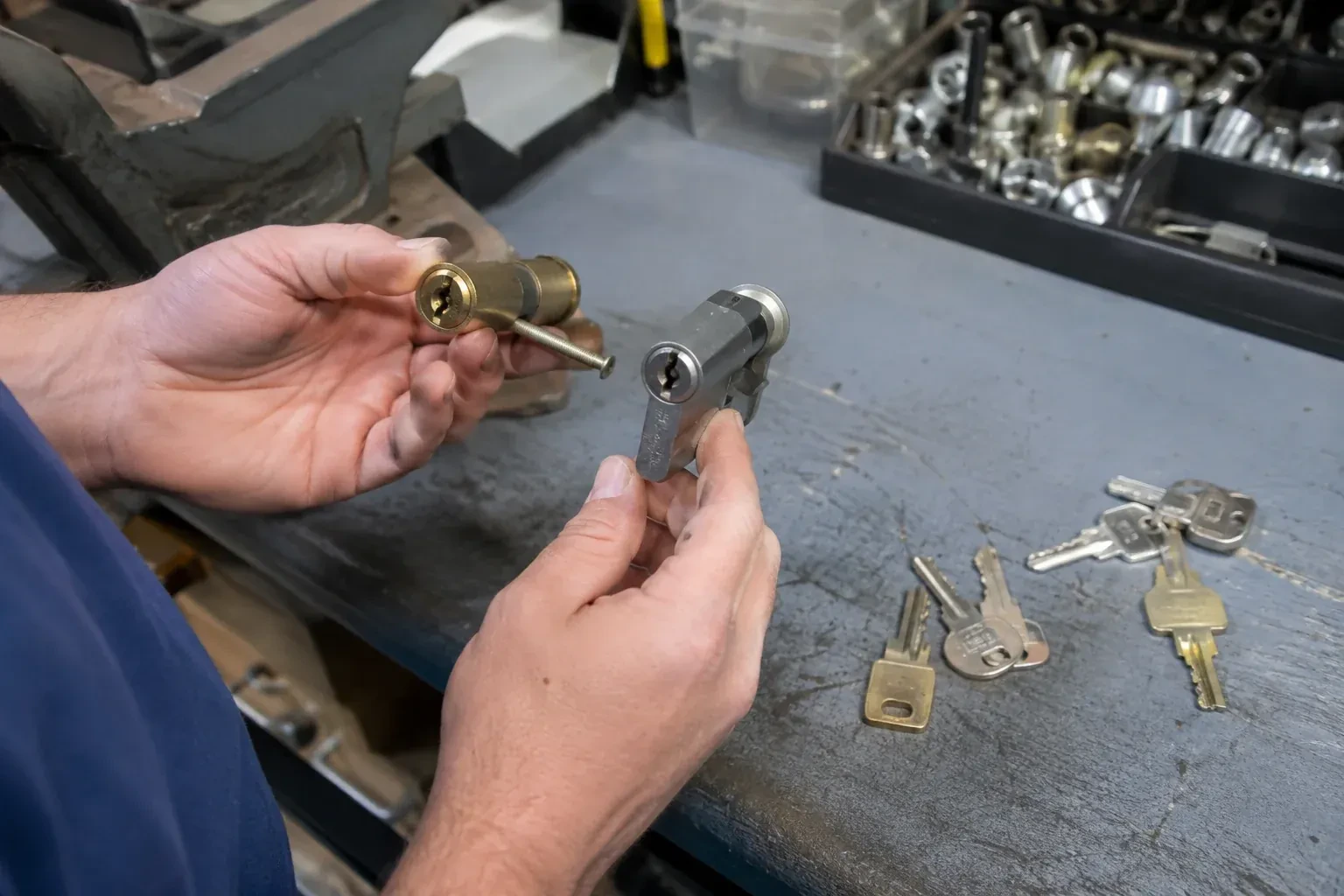
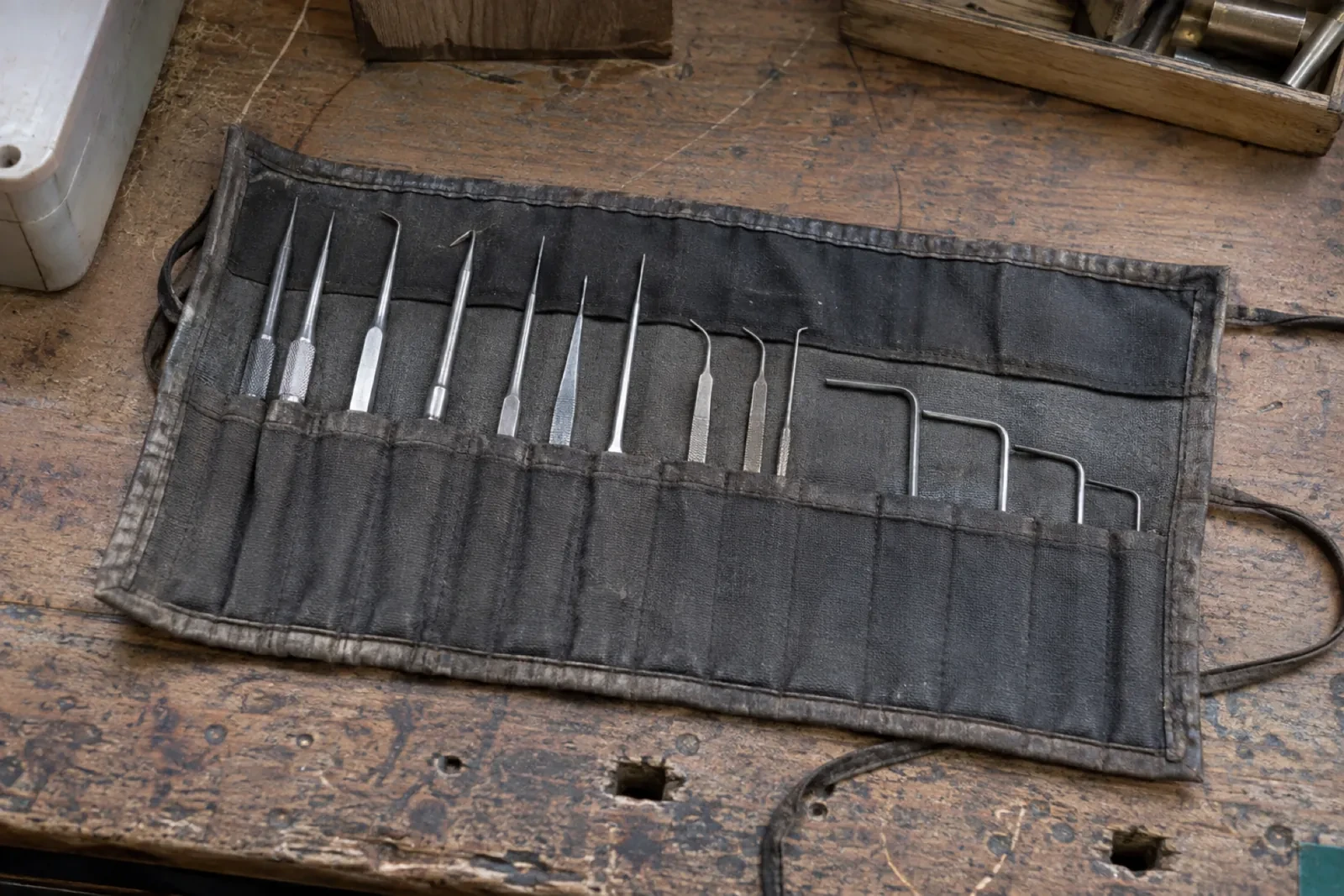
The tools are simple and precise. A hook extractor is a thin strip of spring steel with a barb at the tip; it slides along the groove of the keyway above or below the fragment, snags one of the cuts, and walks it out. A spiral extractor works like a tiny screw, threading into the ridges of the cuts and gripping as it turns. Fine-tipped extractor pliers handle a piece that shows above the face. A tension tool brings a turned plug back to rest. None of these push inward, which is the whole point: the piece comes out the way it went in and the cylinder stays whole.
How the visit goesIn the parking lot your car key snapped in the driver's door. You are holding the plastic head with the buttons on it, the metal blade is inside the lock, and the spare is on a hook at home.
Broken Key Extraction
How the visit goes
What happened in the second before it broke
Your account of the break is evidence. A key that snapped while you were turning against resistance points to ice, a binding bolt or a swollen door. One that broke as you pushed it in suggests grit or a damaged pin in the keyway. A key that had been sticking for weeks and finally gave up hints at worn pins or a loose cylinder cap. A key that simply cracked at a deep cut with no drama was probably fatigued metal. Each story leads to a different check after the piece is out, so a few honest sentences about the moment save guesswork later.
Bringing the plug back to rest
Nothing slides out of a rotated plug, because the pins that the key lifted are still sitting at the shear line and holding the blade. So when the key snapped mid-turn, the first job is to return the plug to its resting position. The locksmith applies gentle rotational pressure with a tension tool, feeling for the point where the pins drop back into the plug and the keyway lines up with the cylinder body. Sometimes a light tap on the face helps the pins settle. Only once the plug is at rest is the fragment free to move, and only then do the extractors go in.
A key cut from the pattern, not the wear
You leave with a key that was cut to the lock's original specification rather than traced from the tired blade that just failed. That difference shows every time you use it: it seats fully, lifts each pin cleanly and turns without a wiggle. Two or three copies made from that fresh cut give you spares that are as good as the first. The old bent or thinning keys that shared the ring are worth retiring now, because a key that has started to bend has started to crack, and the next one to snap will be one of them.
Broken Key Extraction
In the van
Hook key extractors
Spiral key extractors
Lock de-icer
Fine-jawed extractor pliers
Compressed air for the keyway
Broken Key Extraction
What affects the quote
Whether the plug turned before the break
A key that snapped mid-turn leaves the plug rotated and the pins holding the fragment. Easing the plug back to rest before extraction is an extra step in the work.
Anything added since the break
Glue, a second key or marks from a screwdriver mean clearing and sometimes repair before extraction can start, and that added time is named in the quote.
Number of keys cut
Copies are counted individually. One replacement for a single occupant and four for a household are different lines, and you choose the number on the spot.
What to have ready
- Is any part of the key still visible above the face of the lock?
- Was the lock frozen or the door swollen when it happened?
- Is the door or vehicle locked or unlocked right now?
Broken Key Extraction: questions
QuestionsIt broke while I was locking up and now the door is open. What should I do?
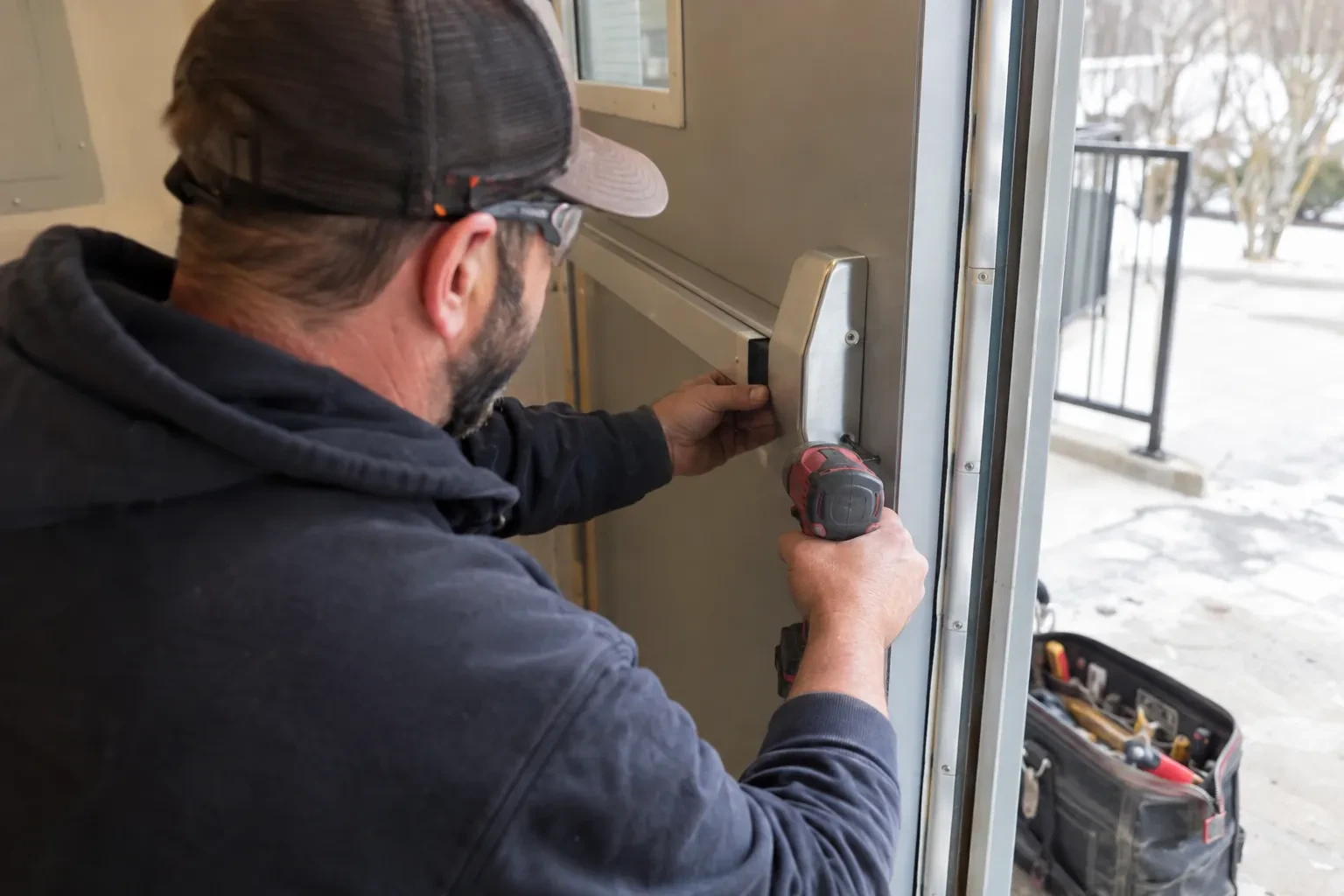
Stay with the door if you can, or ask a neighbour to keep an eye on it, and call. When the locksmith arrives the fragment is removed and securing the door comes ahead of everything else, so you can leave. If the cylinder needs more than a clean, a replacement goes on during that visit rather than leaving the door on a latch overnight.
Will extracting the piece damage my lock?
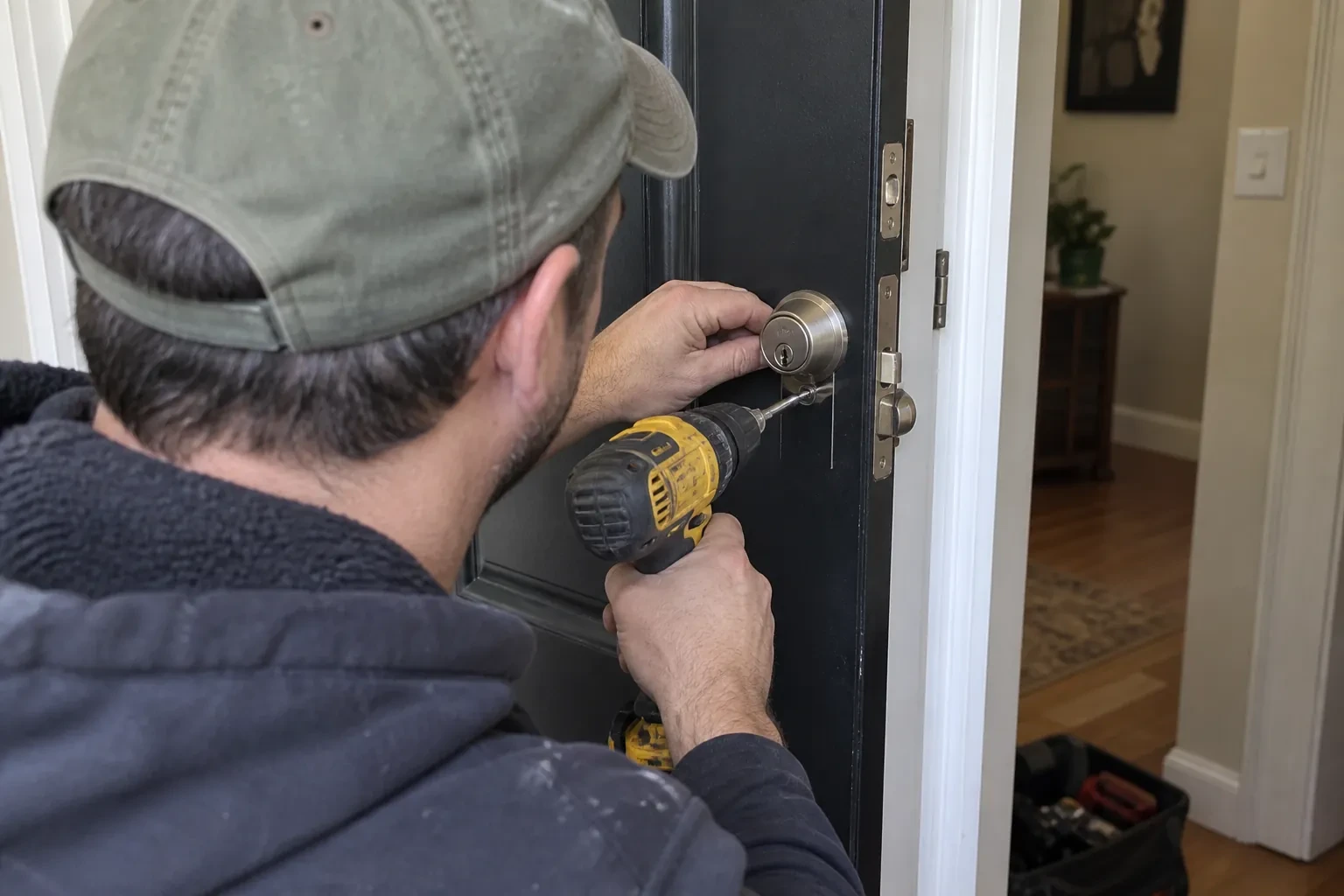
Extractor tools grip the key, not the lock, and are meant to leave the pins, springs and plug as they were: hooks and spirals ride in the keyway grooves beside the fragment and draw it out the way the key travels. It is not certain, though; a deeply lodged fragment or a prior failure can still leave a lock, especially a vehicle cylinder, needing further work. Damage most often comes from what happens before the locksmith arrives, mainly tweezers, screwdrivers and glue, which is why leaving the keyway alone matters.
What information helps when I call?
What the key was in: a front door deadbolt, a knob, a padlock, the driver's door or the ignition. Whether any of the key shows above the face. Whether the key turned before it broke and whether the door is locked now. Whether anything has been inserted since. Whether you have the other half, a spare or the key code. And whether the property is owned, rented or managed.
Related services
- Business Lockout ServiceIt is ten to nine, three staff are on the sidewalk with their coffees, and the key that has opened the glass front door for six years will not turn.
- Break-In Damage Lock RepairSomeone smashed the little window beside the door, reached in and turned the thumb-turn.
- Seized & Jammed Lock OpeningThe lock works, but only if you lean on the door with your hip while turning the key.