High security · Toronto
Safe Installation & Servicing
The office is moving three blocks over, and the old commercial safe that has sat bolted to the concrete for fifteen years now needs to come out, travel across town, and go back down just as solidly.
In plain words
Relocating an existing safe is closer to a small structural project than a simple carry. The unit is unbolted, moved on proper equipment rather than dragged, and protected through doorways and stairwells that were never designed with several hundred pounds of steel in mind. At the new address the floor or wall construction is checked again from scratch, because a slab that held the safe at the old office may be entirely different from the one at the new address, and anchoring hardware is chosen to match rather than reused automatically.
How the visit goesThe office is moving three blocks over, and the old commercial safe that has sat bolted to the concrete for fifteen years now needs to come out, travel across town, and go back down just as solidly.
Safe Installation & Servicing
How the visit goes
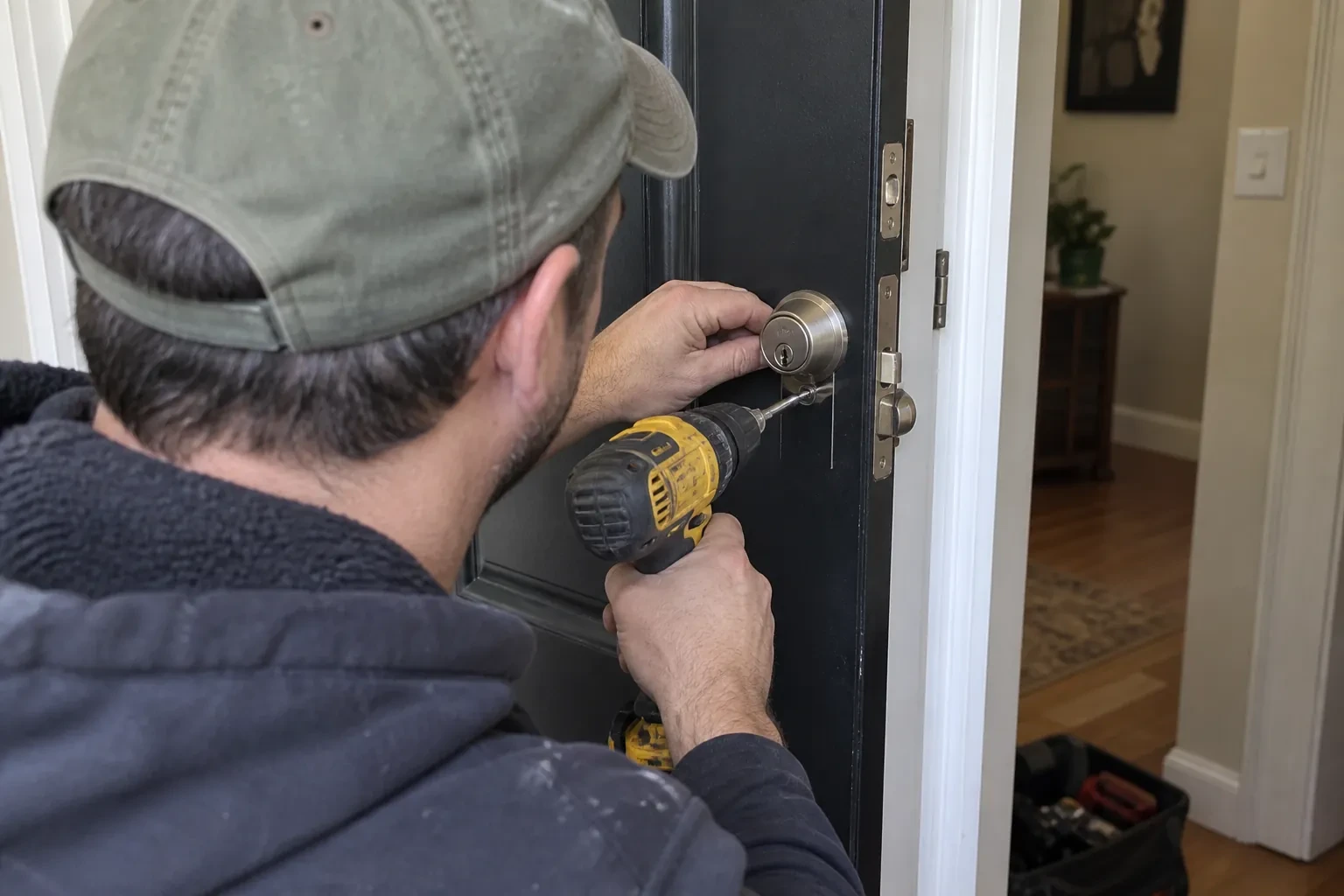
Whether the fire lining can breathe
A fire-rated interior works by trapping moisture inside its insulation, and that same airtight seal can hold humidity against paper and metal for years at a time. On a servicing visit the locksmith checks for a musty smell, damp interior panels, or documents that feel soft at the edges, all signs that trapped humidity has been building unnoticed. On a new installation, this becomes a conversation about desiccant and how often the door should be opened to let the interior air out, rather than something dealt with only after a problem appears.
Confirming everything before the visit ends
The last stage is deliberately unhurried: the lock is opened and closed a final set of times with the owner present, the bolts are checked by hand for any give, and the door is confirmed to swing freely without catching on the frame or the floor. Any paperwork that identifies the model and its ratings is gathered and handed over, along with spare keys for a mechanical override where one exists. The owner sets the combination or code they will actually use, and nobody else leaves the room knowing it.
A schedule for the next visit
A safe does not announce when it needs attention the way a squeaky hinge does, so it helps to put a rough date on the calendar rather than waiting for a sign of trouble. Checking the bolt-work, the batteries, and the door seal every year or two catches small stiffness or corrosion long before it becomes a stuck lock. Businesses with heavier daily use, such as a till safe opened many times a shift, generally benefit from a shorter interval between checks than a document safe opened rarely.
Safe Installation & Servicing
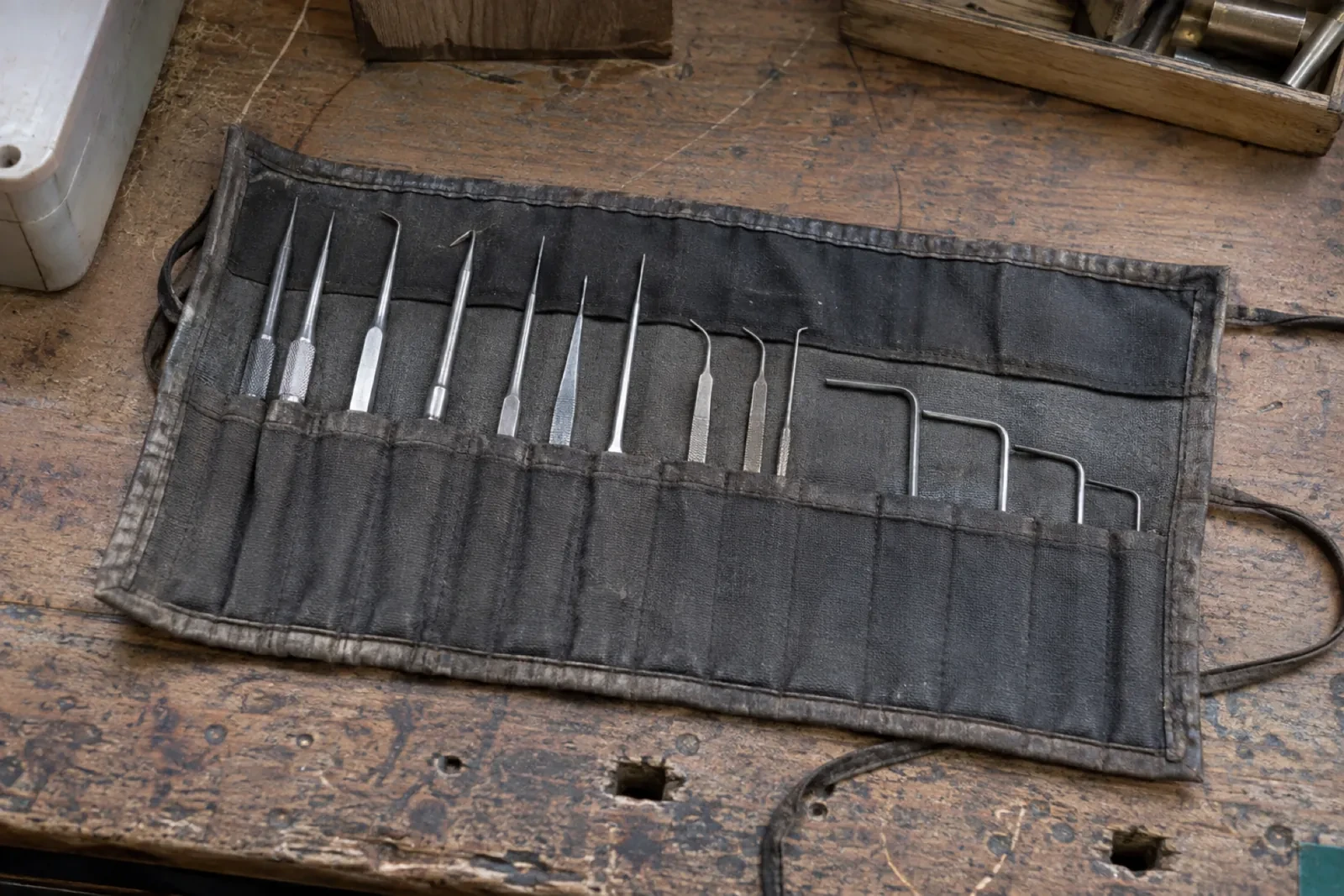
In the van
Desiccant packets
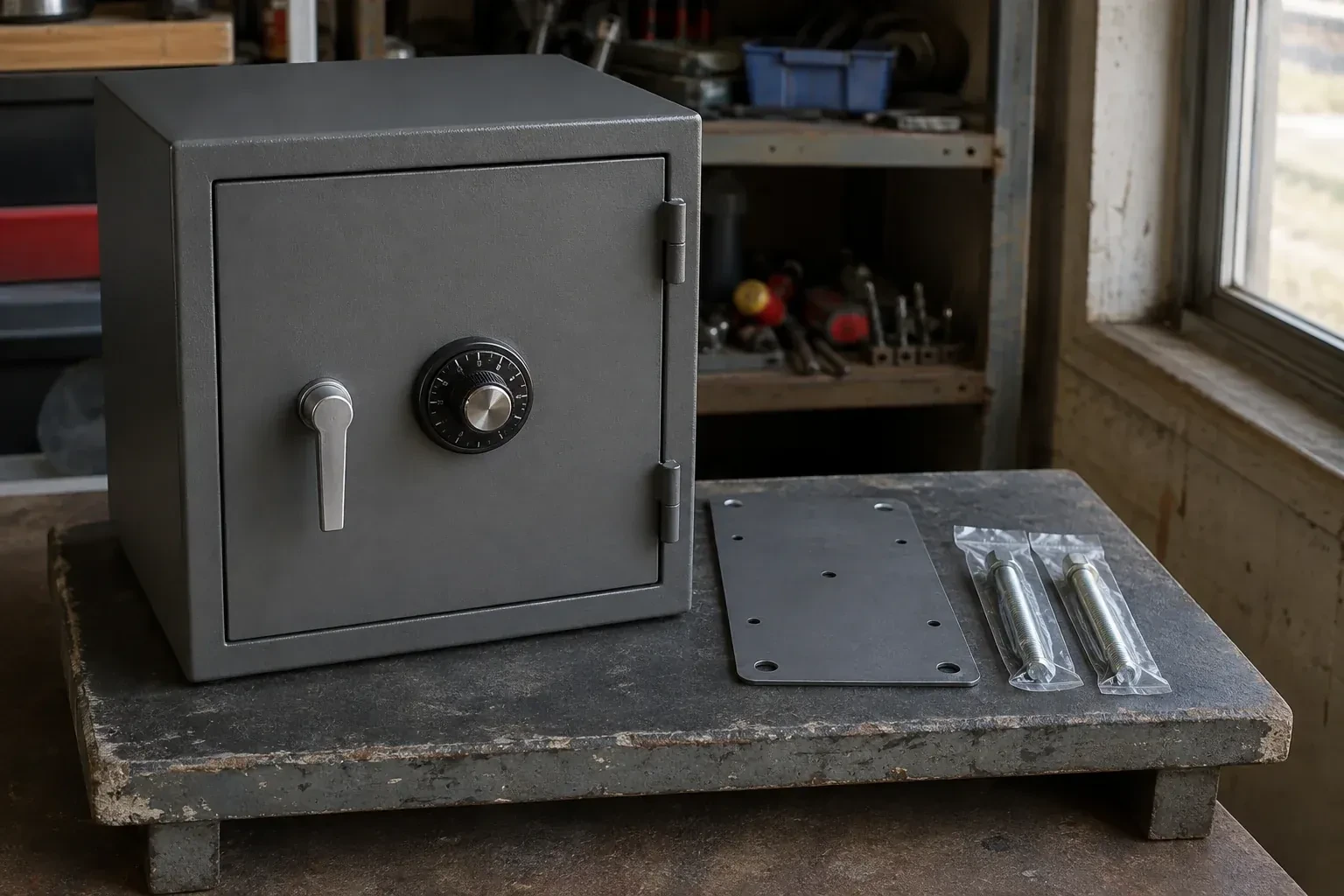
Mounting plate
Torque wrench and socket set
Rated safe (burglary and fire)
Bolt-work lubricant
Safe Installation & Servicing
What affects the quote
Access route to the final position
Stairs, narrow doorways, tight corners, and whether an elevator or loading dock is involved all affect how the safe gets to its spot and how much handling that route requires.
Battery and accessory needs
An electronic lock needs a battery of the correct type on hand, and a fire-rated unit benefits from desiccant supplied at installation, both small additions to the visit.
An insurer's or head office's stated requirement
Some businesses are told by a policy or a head office exactly what rating a safe on the premises needs to meet, which narrows the choice of unit before other factors are weighed.
What to have ready
- Does an insurer or head office require a specific rating?
- Does the lock use a dial, a keypad, or both?
- What floor or wall will the safe sit against?
Safe Installation & Servicing: questions
QuestionsHow do I prepare the room before a servicing visit?
Clearing a working space in front of the safe, moving anything stacked against or on top of it, and having a rough idea of when it was last serviced all help the visit start smoothly. If the combination or code is still known, having it on hand avoids needing to open the unit by other means first. Nothing more elaborate than that is generally needed beforehand.
How do I decide between a bigger safe now or upgrading later?
It comes down to how much the amount being stored is likely to grow over the next few years. A safe sized with some room to spare avoids an early repeat visit, while a unit sized exactly for today's needs can be outgrown within a year or two for a growing business. Anchoring and lock work do not change much with size, so the main trade-off is simply the footprint the larger unit takes up in the room.
Will anchoring damage my flooring?
Anchoring leaves small holes at the anchor points, sized to the bolts being used, and on a finished floor these sit under the safe itself where they are never seen again. On tile, the risk of cracking nearby tiles is real enough that an alternative fastening point or a different spot in the room is often chosen instead of drilling straight through the tile itself.