High security · Toronto
High Security Locks
You run a home office with client files and equipment, and your insurer has asked what kind of lock is on the door.
In plain words
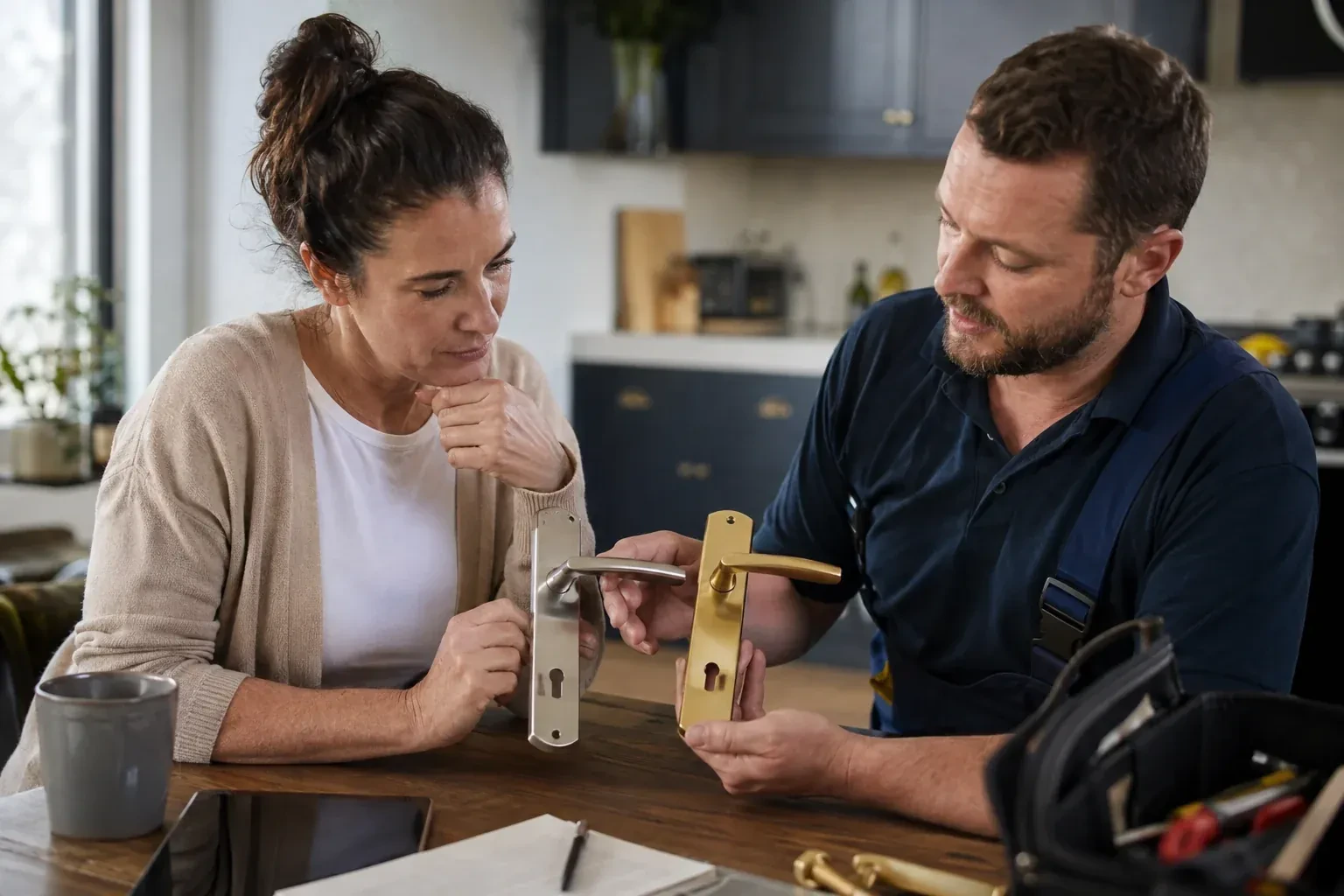
The service begins with a conversation about what the door protects and what worries you, then a close look at the door as a whole: the cylinder, the bolt, the strike, the frame, the hinges and any glass nearby. From that the locksmith recommends a level of protection that matches the risk, fits it, and sets up the key system in your name. From then on, extra keys are cut only when you authorise them, and you receive a record of which key opens which door. It is the mechanical answer to the question most people eventually ask: who else has a key to this?
How the visit goesYou have lost count of how many people have had a key to your house over the years: cleaners, a contractor, a former partner, the previous owner's family. The lock still works, but you no longer know who else it works for.
High Security Locks
How the visit goes
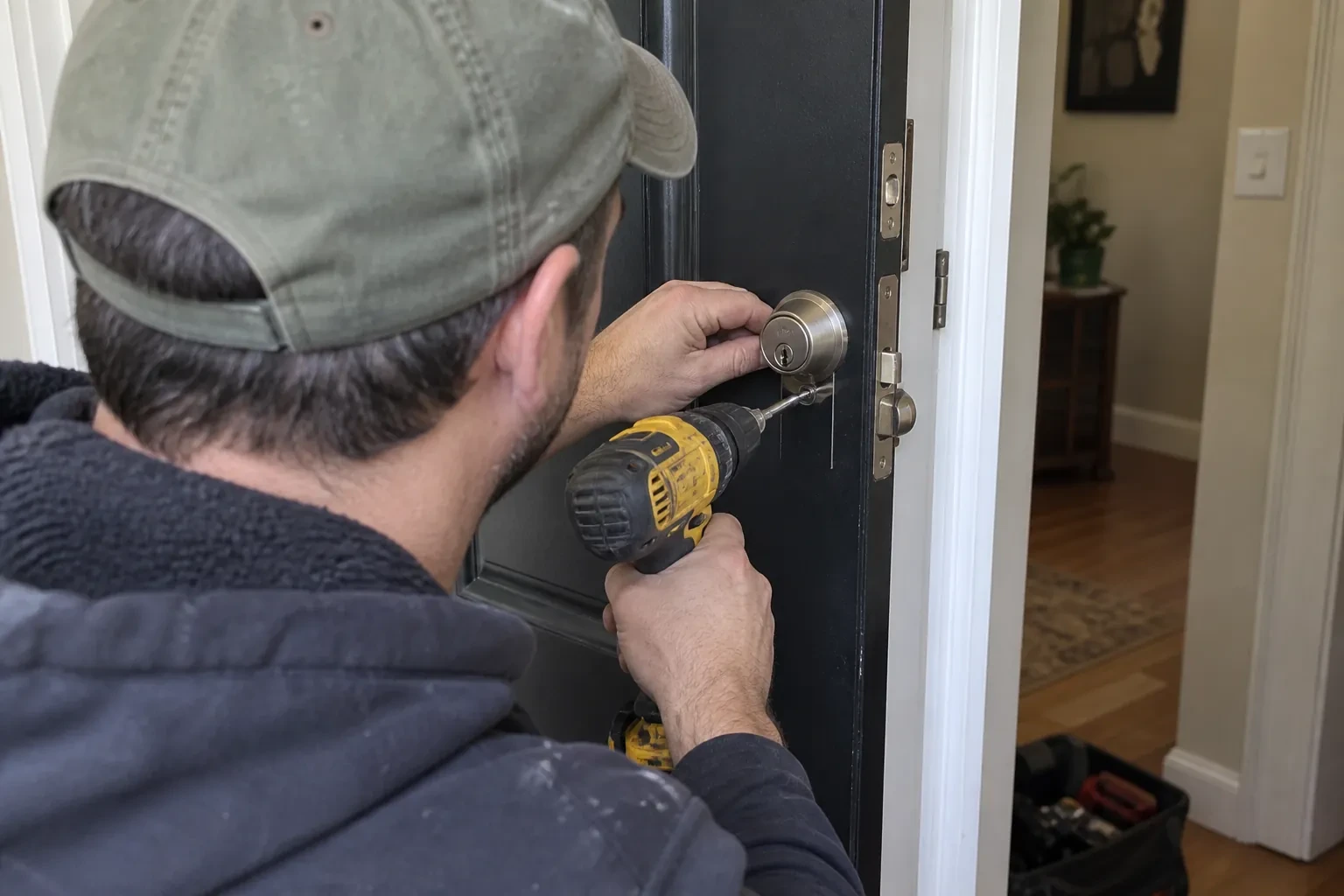
Matching the rating to the risk
Ratings are only useful if someone explains them. A residential deadbolt carries a hardware grade for security, durability and finish based on hammer blows, pulling force and cycle testing. A high-security cylinder carries a separate laboratory listing based on how many minutes it resists picking, drilling and forcing. The locksmith explains what each figure means in practice for your door and points out the rule that matters most: the whole assembly takes the grade of its weakest part. That conversation ends with a recommendation you understand rather than a part number you have to trust.
Retiring the old keys and closing gaps
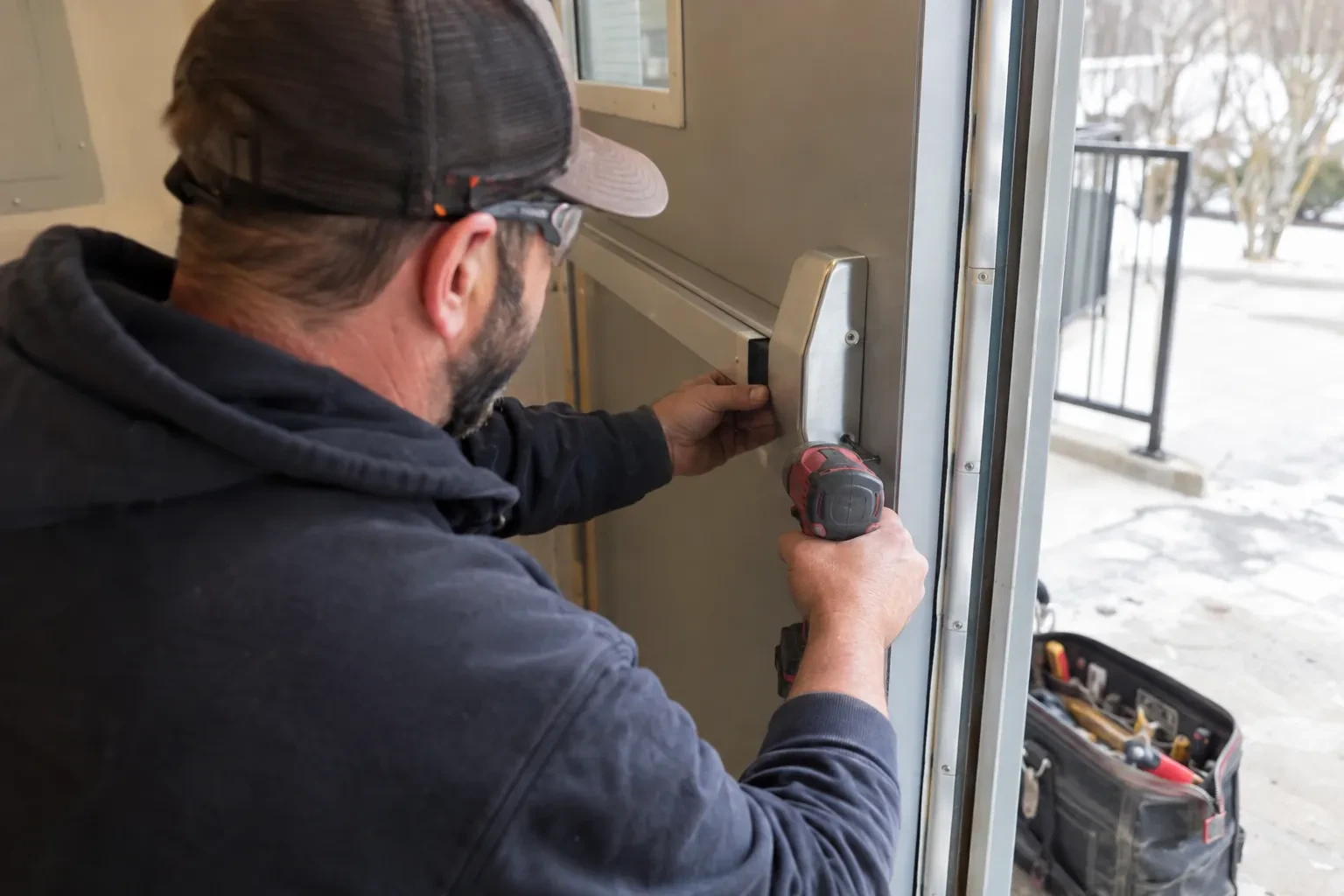
Part of the visit is making the old keys meaningless. Once the new cylinders are in, every previous key is tried to confirm it no longer operates anything, and any remaining door on the old keyway is either upgraded or at least rekeyed so an unknown copy has nowhere to go. The locksmith also closes small gaps found during the assessment: replacing hinge screws with long ones, adjusting a closer, adding a cylinder guard, or moving a thumb-turn away from glass. The door leaves the visit as one coherent assembly rather than one strong part among weak ones.
Looking after a precision cylinder
High-security cylinders are finer mechanisms than the pin tumblers they replace, and a little care keeps them turning sweetly. Use only the dry lubricant the locksmith recommends, once or twice a year and sparingly, and never household oil, which gathers grit around the finger pins and sidebar. In cold weather, if the key resists, warm it in your hand or use a de-icer rather than forcing it. Insert the key fully before turning. Keep a spare key indoors so a bent or worn key is retired rather than pushed on. Treated this way, the cylinder outlasts the door around it.
High Security Locks
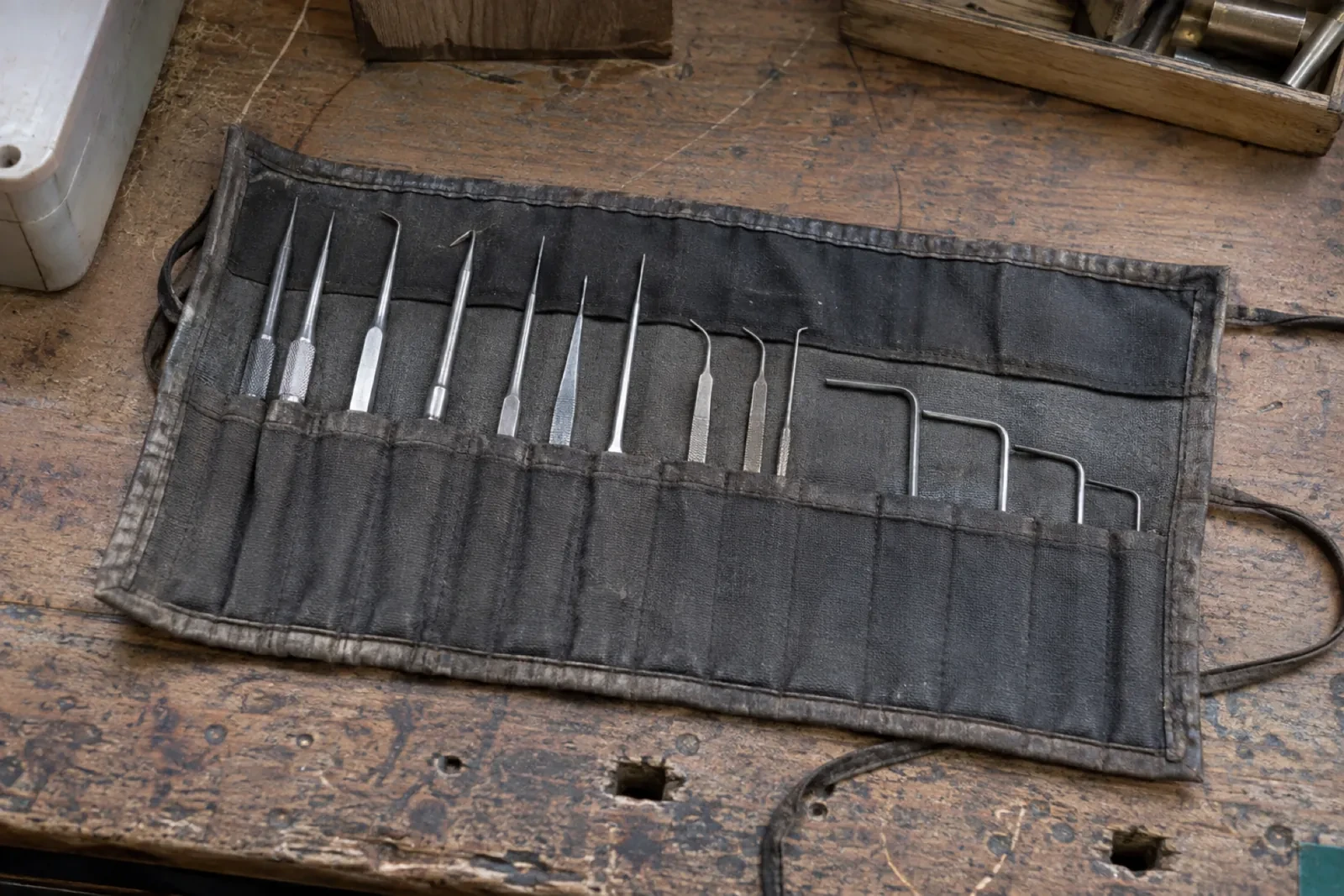
In the van
Hardened cylinder guard ring
Three-inch strike and hinge screws
Key control authorisation card
Graded deadbolt with hardened bolt
Pinning kit and plug follower
High Security Locks
What affects the quote
Glass near the lock
Sidelights or glazed panels beside the deadbolt may call for a different function or extra hardware to keep the inside turn out of reach, always keeping easy exit in view.
Strike and frame reinforcement
A reinforced strike with long screws is modest work on a healthy frame. Deepening the pocket, filling split wood, fitting a jamb plate or a wrap-around reinforcer adds materials and time.
Condition of the door itself
A solid door that hangs true takes hardware straight away. A dropped, swollen or hollow door may need hinge work, shimming or a recommendation to replace the slab before the lock is worth fitting.
What to have ready
- For a business, who should be allowed to authorise new keys?
- How many keys exist today, and are you confident of that number?
- Which locks are on the door now: knob only, knob and deadbolt, a mortise lock or a lever?
High Security Locks: questions
QuestionsWhat actually makes a lock high security?
Three things working together. The cylinder has a second locking mechanism, usually a sidebar released by finger pins or rotating pins, plus hardened steel in the path of a drill, so picking, bumping and drilling take far longer than on an ordinary lock. The deadbolt and strike are heavier and fastened into the framing. And the key is cut on a patented or restricted blank that only an authorised person can have copied. Remove any one and the door is weaker than the label suggests.
Is a smart lock more secure than a high security mechanical lock?
They solve different problems. A keypad or smart lock manages who can enter and when, and many have no keyway to pick. A high security mechanical lock resists physical attack and controls key copying without batteries, apps or connectivity. Many businesses use both: electronic access on high-traffic doors and high security cylinders on rooms that must hold regardless of power. The locksmith helps you match the tool to each door rather than choosing one philosophy.
What is bumping, and does this stop it?
Bumping uses a specially cut key that is struck while under light turning pressure, bouncing the pins to the shear line for an instant so an ordinary cylinder opens. It works on many standard pin tumblers. A high security cylinder needs its sidebar released by separately positioned finger or rotating pins at the same moment, and a bump key cannot set those, so the plug stays locked. It is one of the clearest advantages of the upgrade.