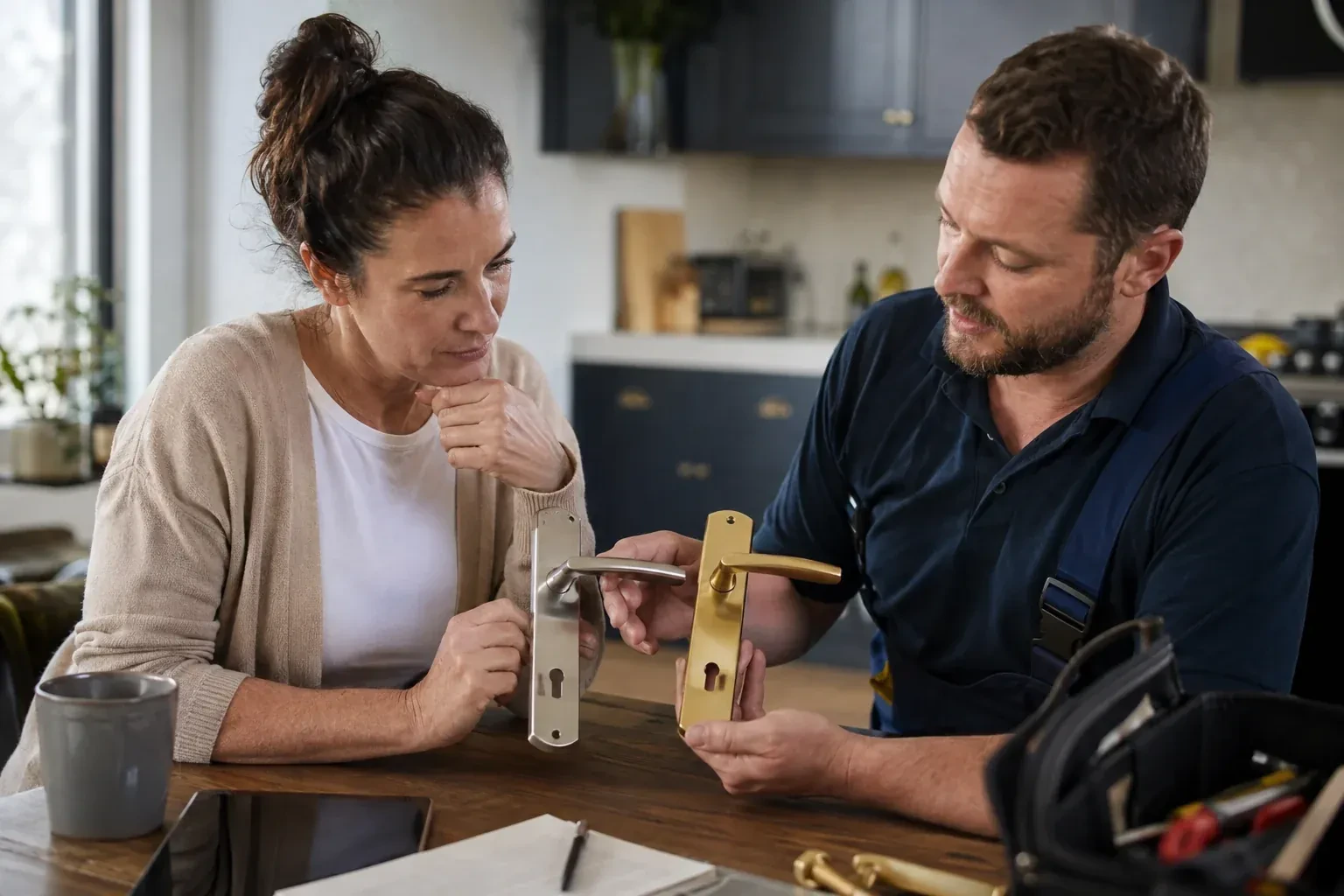
Change or rekey
Change or Rekey Locks
A home has a rhythm: school runs, dog walkers, cleaners, grown children with old keys. Our residential work fits the locks to that rhythm, whether that means a single rekey, a keypad for the side door or a full set of matching deadbolts.
Which one do I need?
- The previous owners left a coffee tin of keys on the counter, some labelled, most not.Lock Rekeying
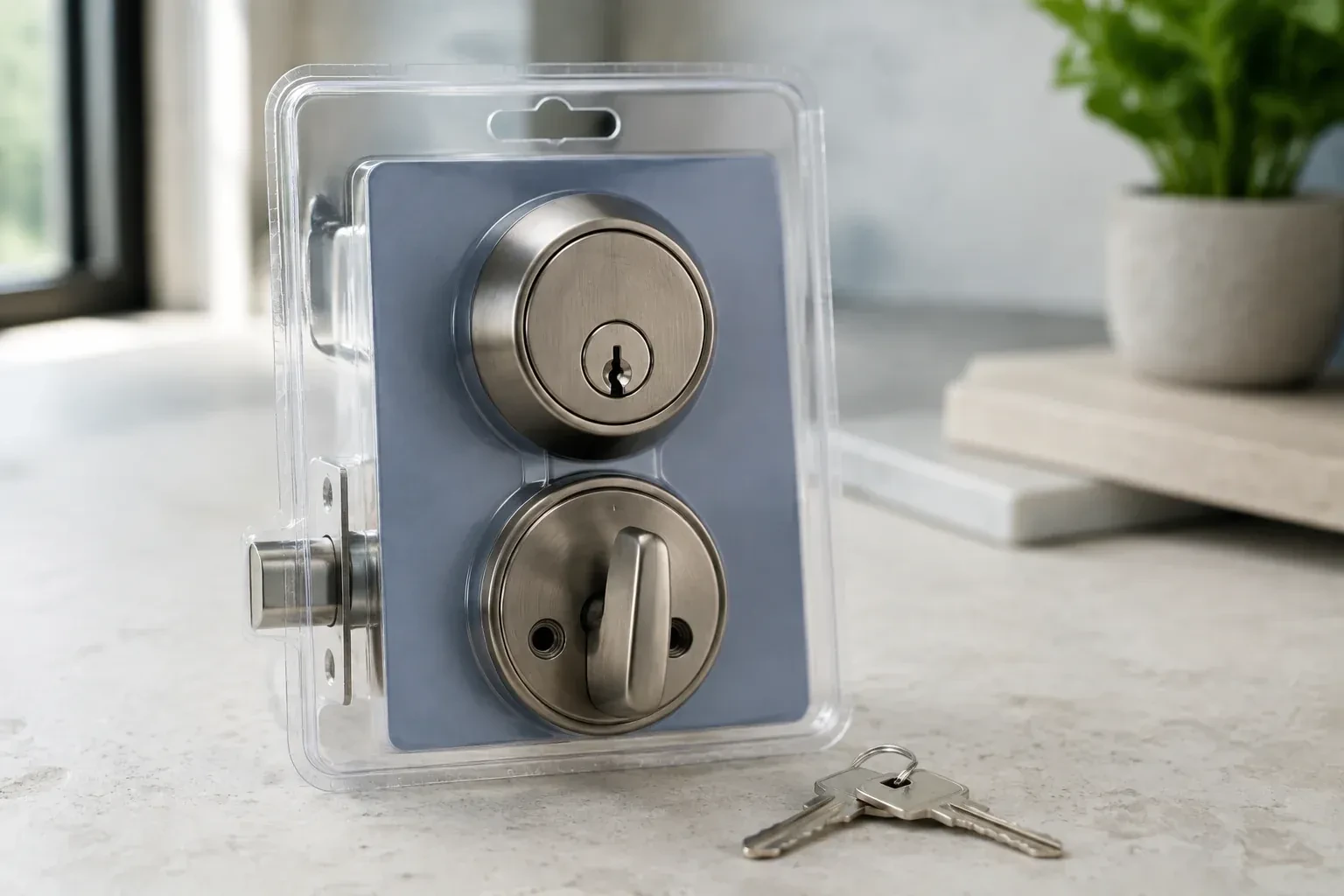
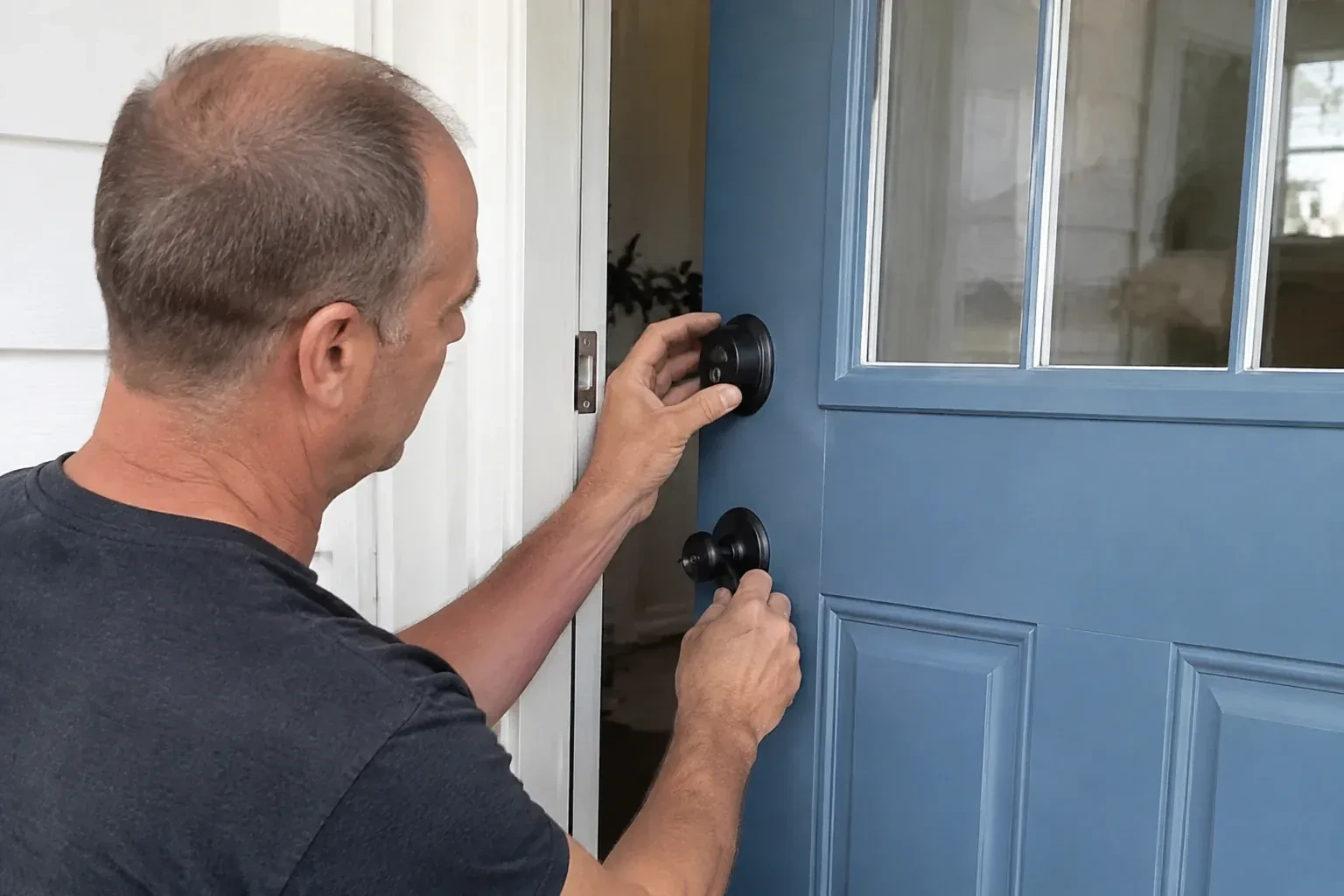
- The old deadbolt has grown lazy.Deadbolt Installation
- The house is fifteen years old and every exterior door still wears the light hardware the builder fitted: a short bolt, a thin strike held by two small screws, and a knob lock that never suited a street entrance.Lock Replacement & Upgrade
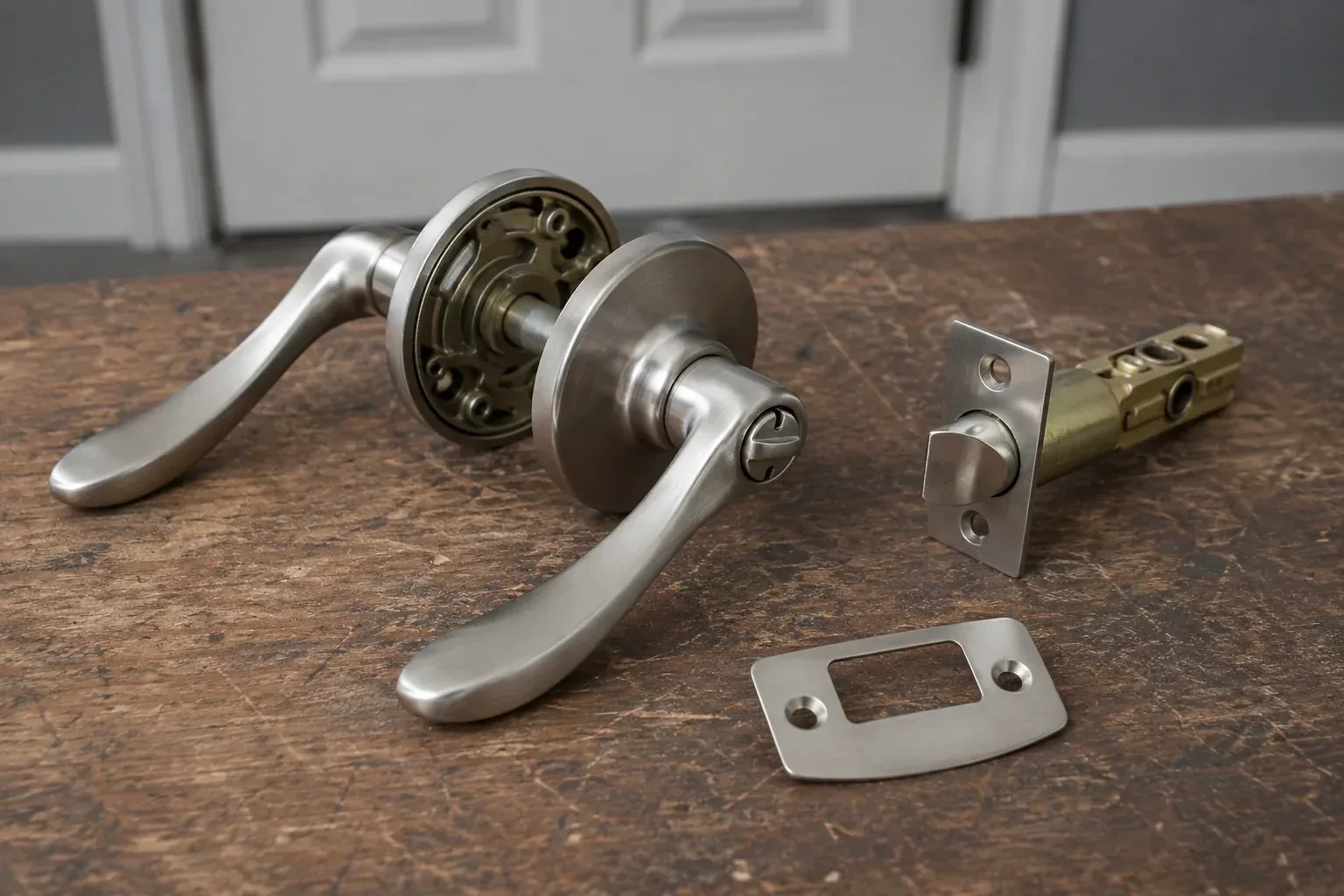
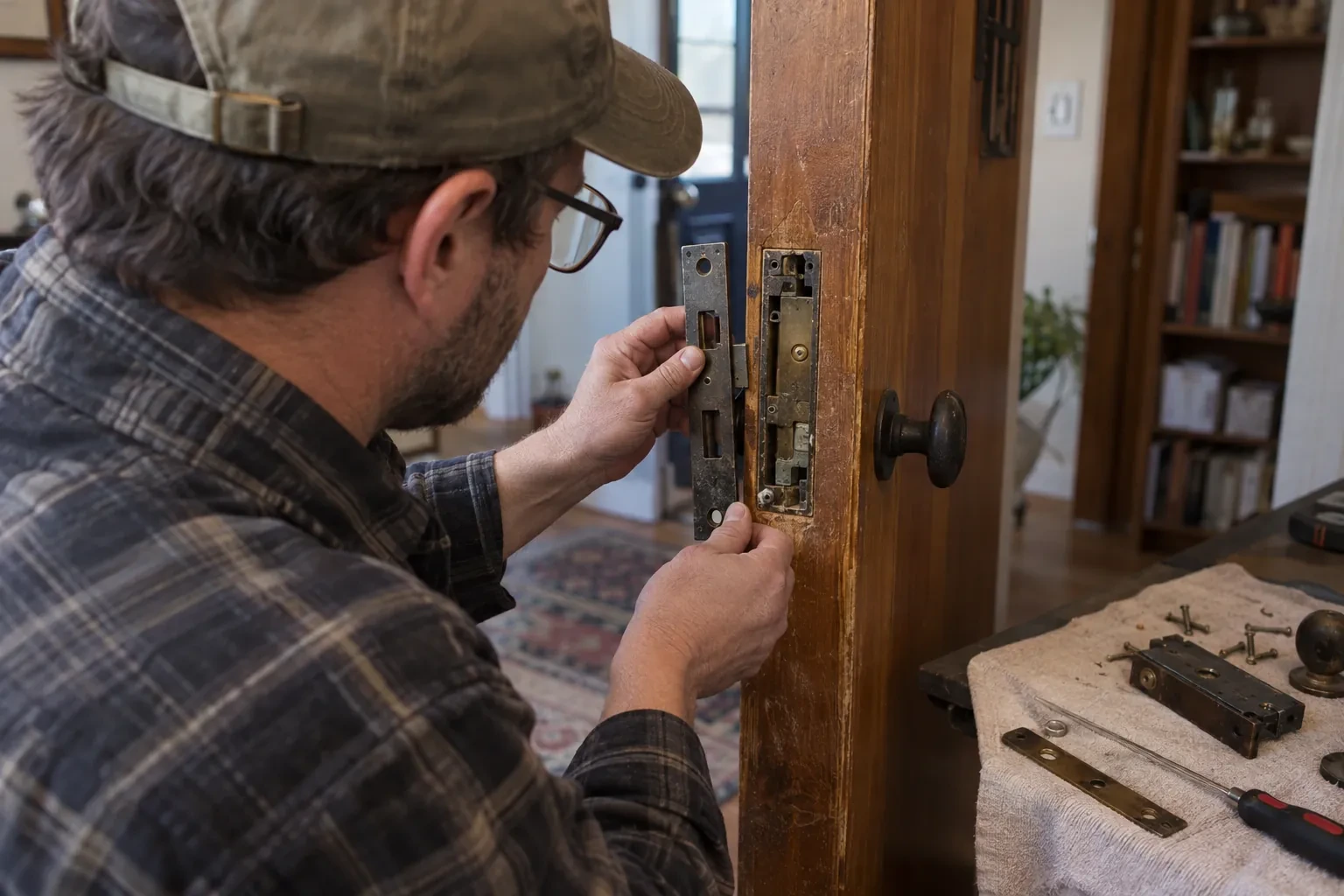
- The interior bedroom doors on the second floor have the original mortise latches, and none of them close any more.Vintage Mortise Lock Service
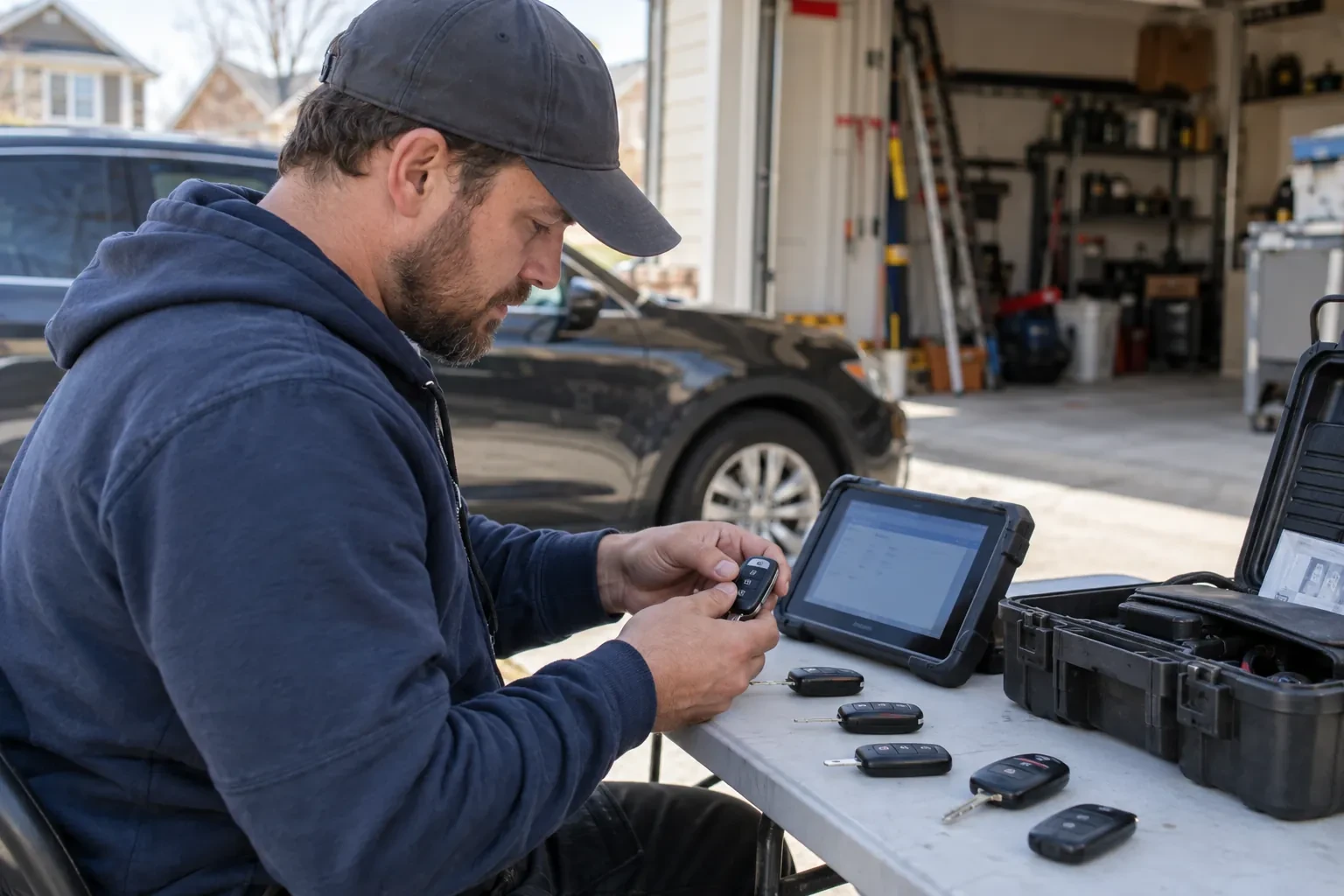
- There are four copies of the front-door key floating around: one with the cleaner, one with a neighbour, one on a hook at your parents' place, and one you honestly cannot account for.Smart Lock Installation
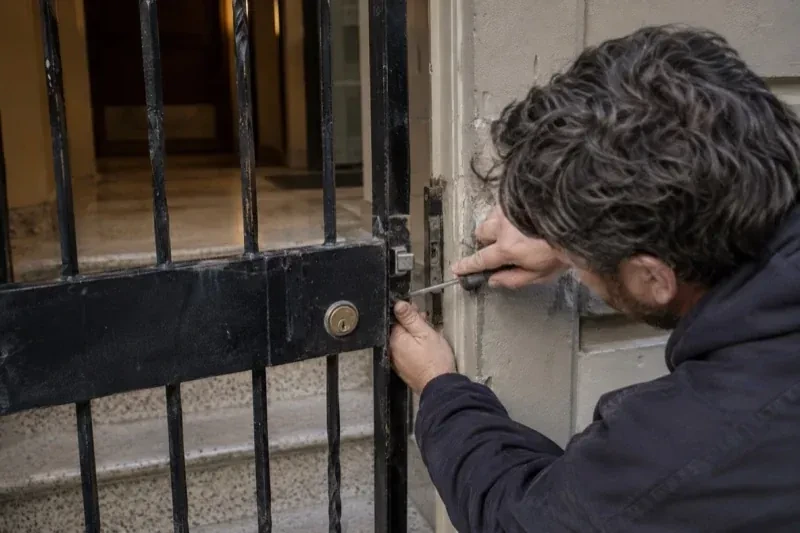
- A neighbour mentions, in passing, that the key from three tenants ago still lets him into the building's front door.Gate & Building Entry Locks
Change or Rekey Locks
New keys for the locks you have, or new locks where the hardware has worn out: rekeying, replacement, deadbolts, smart locks and older mortise hardware.
Lock Rekeying
The condition of every cylinder
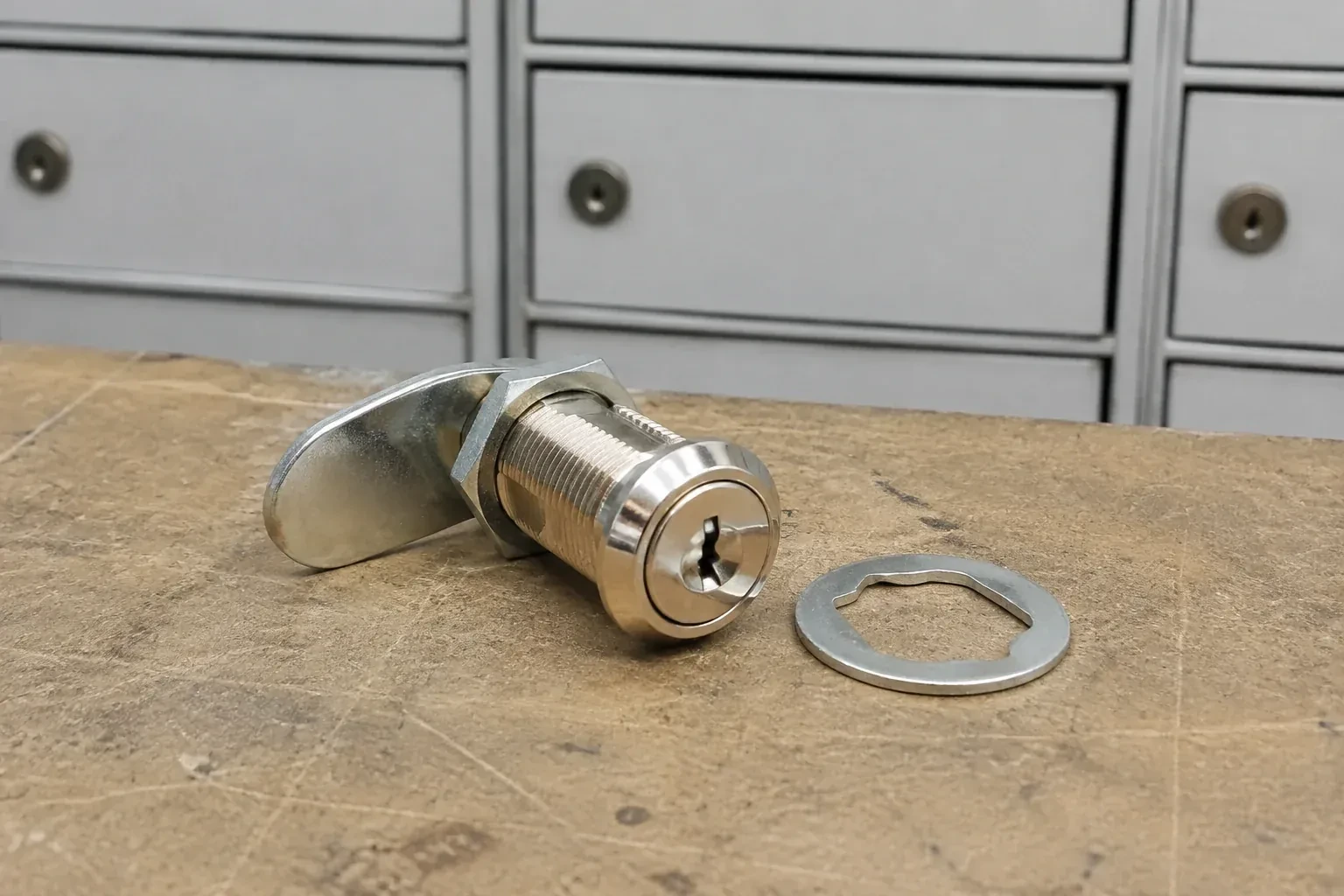
A cylinder about to be pinned to a new key should be worth pinning. The locksmith turns the existing key in each lock and feels for a plug that drags, soft springs, a wobbling cam or a keyway packed with grit and old oil. A cylinder in good order is rekeyed as it is.
A worn one is cleaned and given fresh springs while it is apart, and one that has truly worn out is pointed out so you can choose a replacement rather than have new pins dropped into a tired lock. A bolt that binds against its strike gets noticed here too, so the strike can be adjusted while the locksmith is at the door.