Locksmith in Bendale, OntarioYour shop's front dooris your first impression
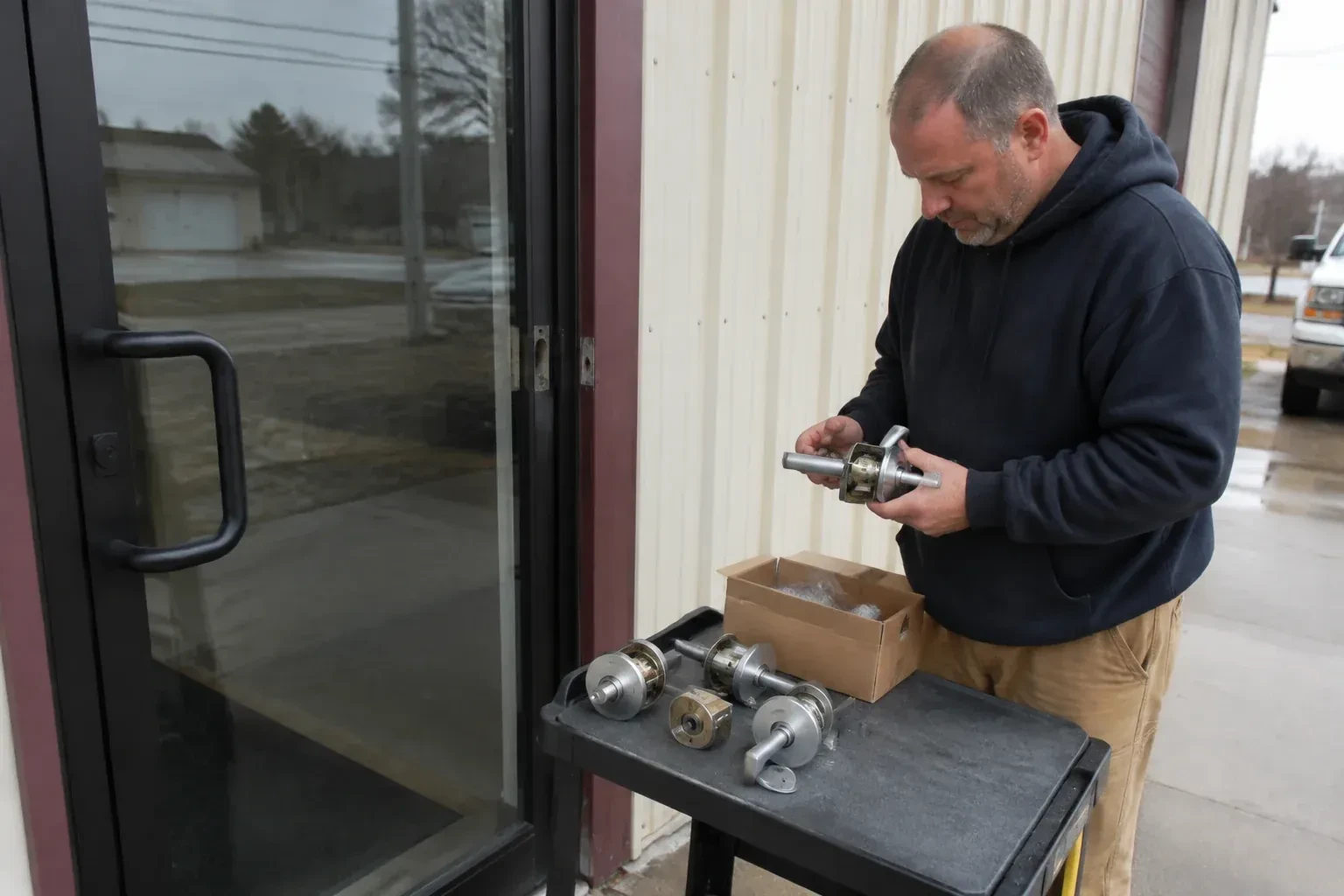
Customers in Bendale notice a storefront door that slams, drags or needs a shoulder. We service the closers, pivots and locks that keep a commercial entrance quiet and secure, fit cylinders that resist tampering, and set the hardware so the door greets people properly and locks tight after close.
Customers in Bendale notice a storefront door that slams, drags or needs a shoulder. We service the closers, pivots and locks that keep a commercial entrance quiet and secure, fit cylinders that resist tampering, and set the hardware so the door greets people properly and locks tight after close.
We look after the door, not just the lock.
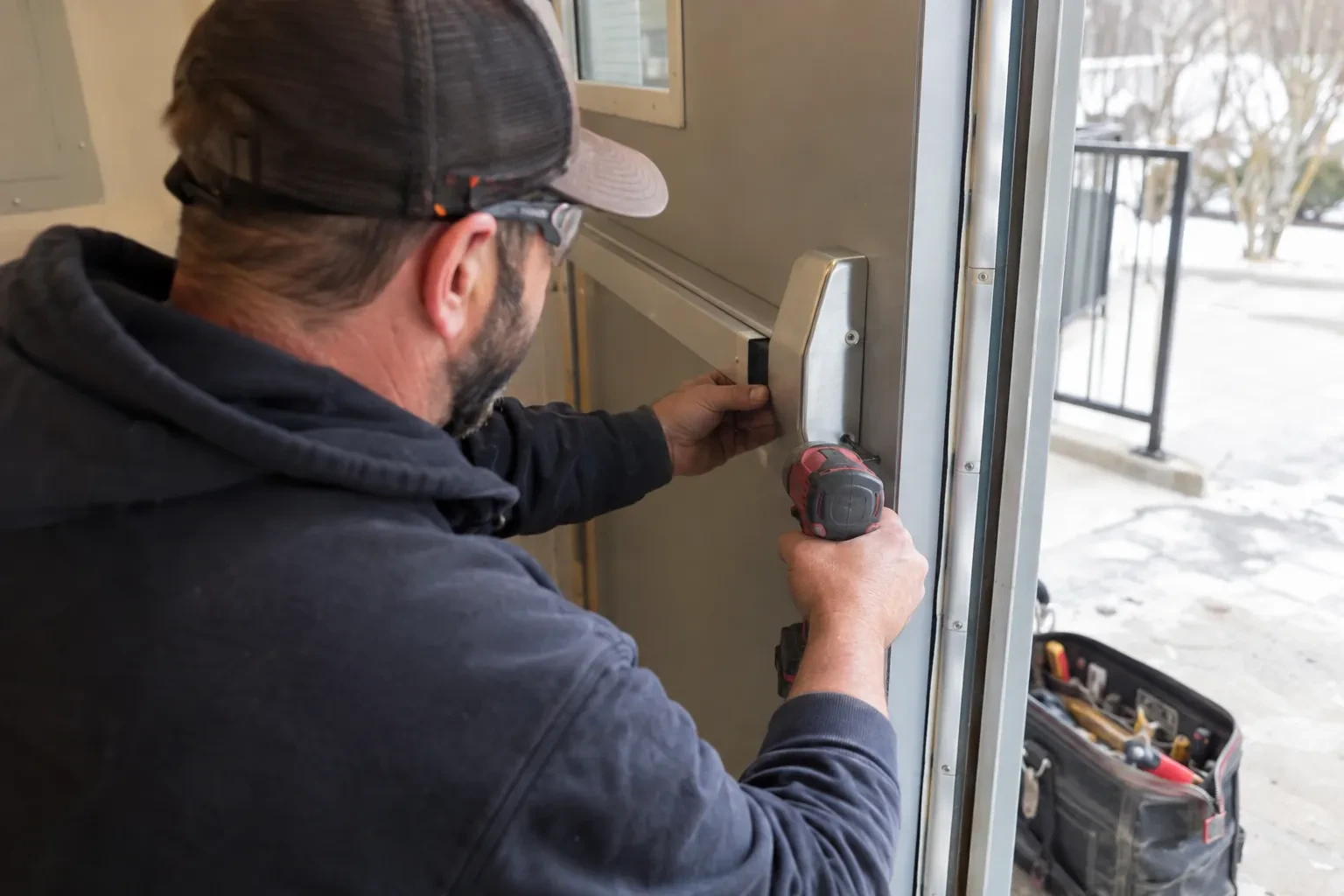
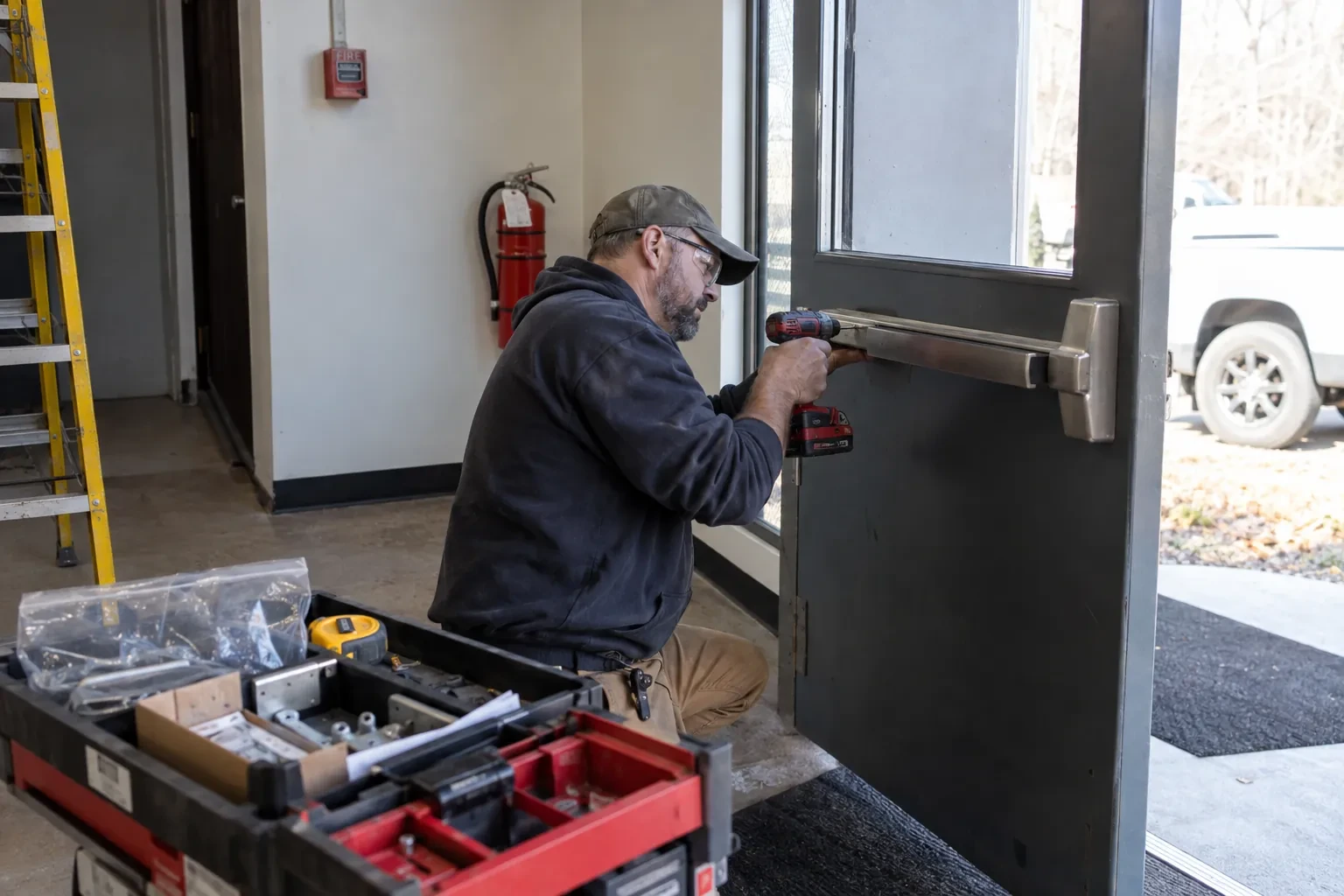
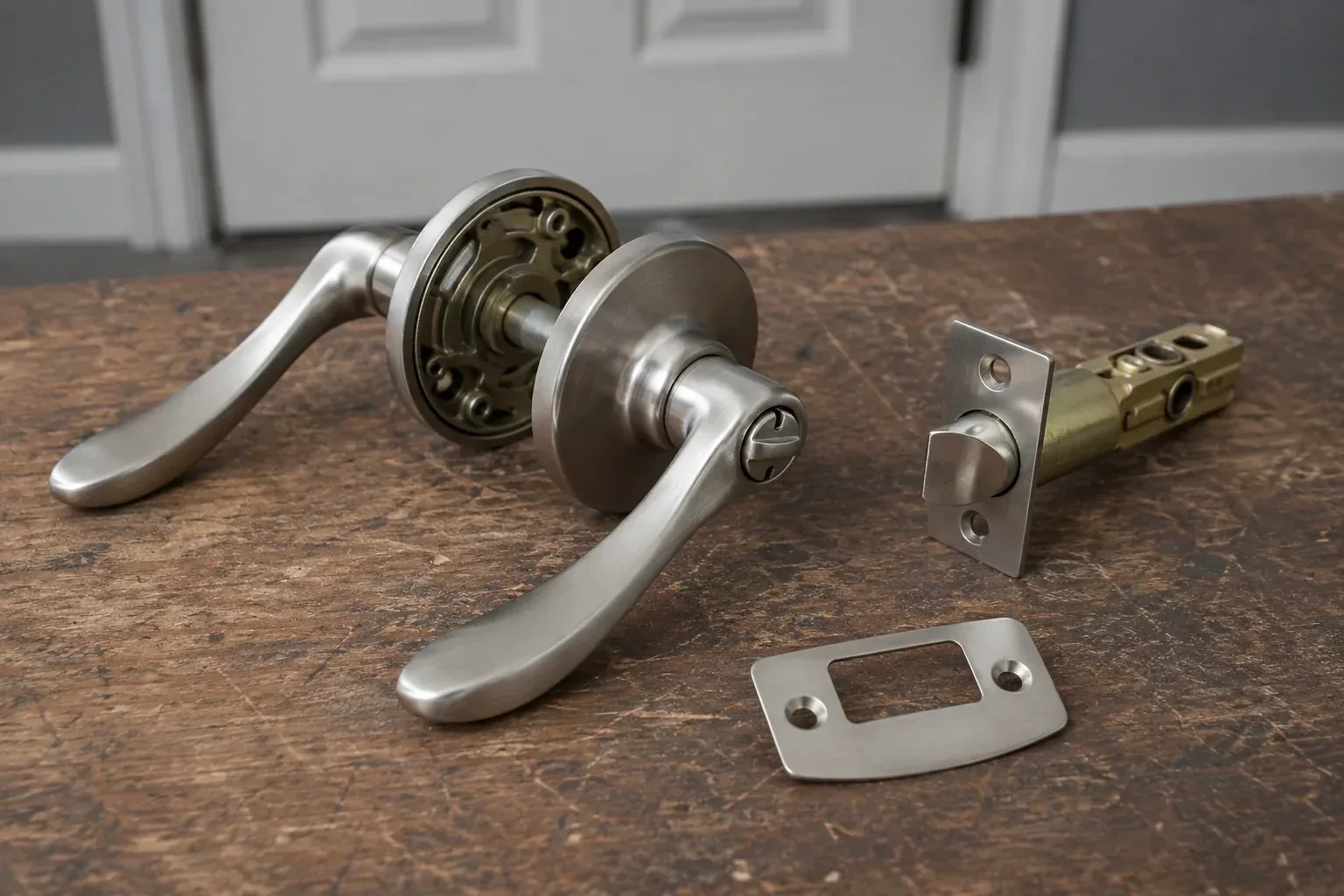
Businesses in Bendale get exit hardware that lets everyone leave without hunting for a key, while the door stays locked from the outside. We fit and adjust push bars, panic bars and deadlatches, set the closers so the door shuts on its own, and check that the whole exit path works in one motion from inside.
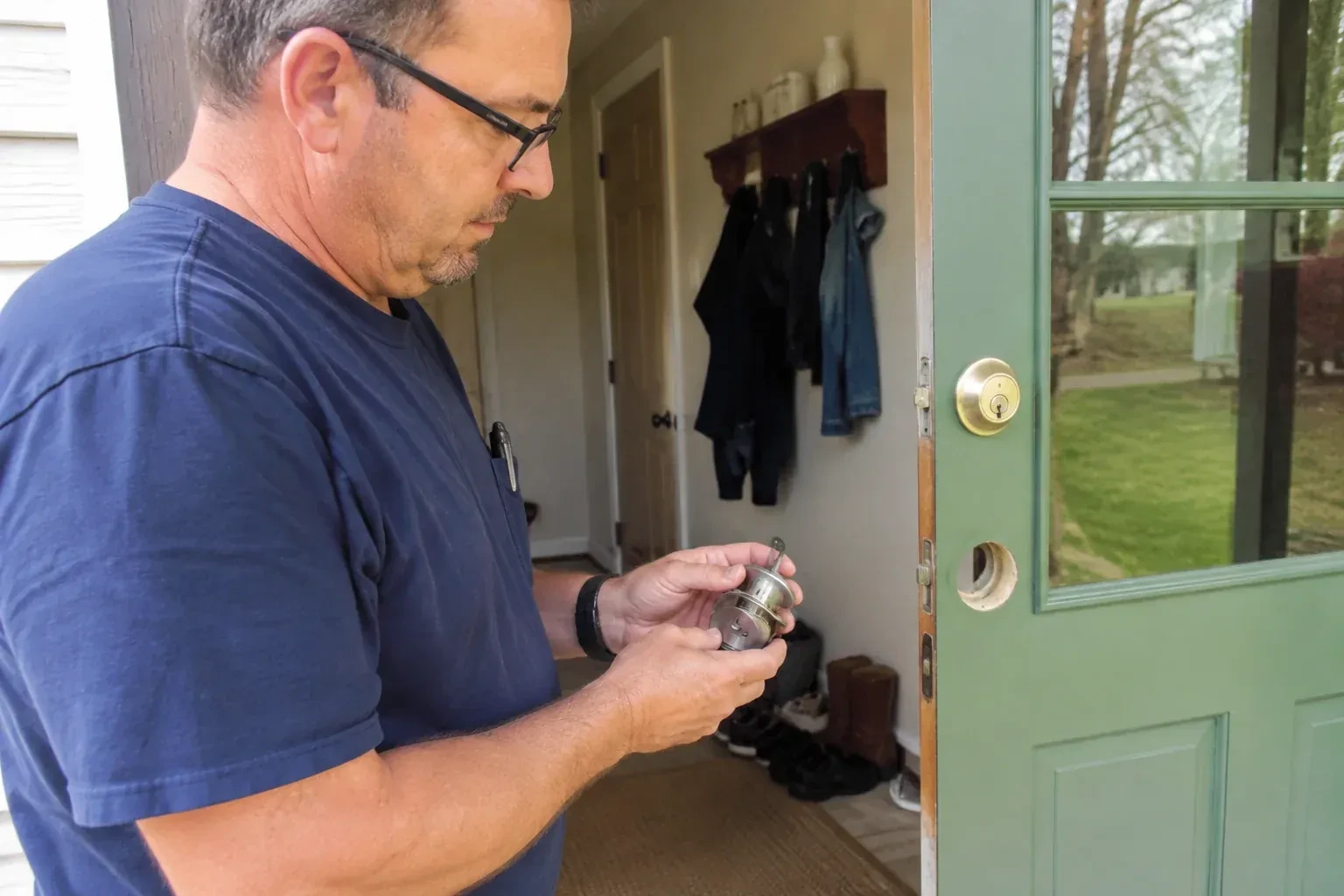
Lost keys are the most common reason people in Bendale reach us, and the conversation always starts the same way. Are the keys truly gone or just out of reach? Who else might have a copy? From those answers we decide between a simple opening, a rekey or a lock change, and we explain what each one means before touching the door.
31years in business
24/7open every day
Questions welcomed. Ask about the lock, the method, the parts or the reasoning. A good explanation is part of the service, not a favour.
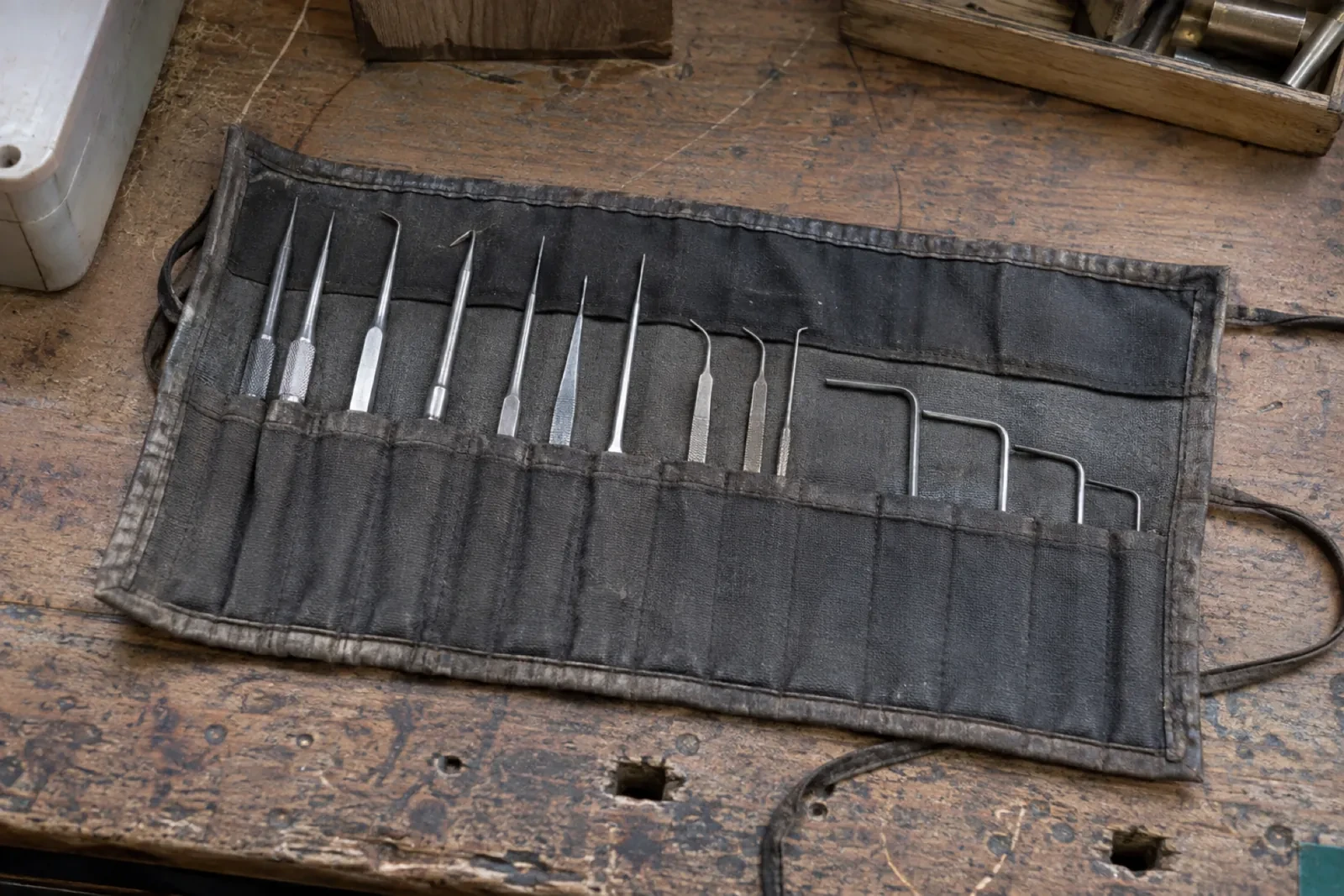
Nothing forced that could be finessed. We reach for picks and shims before drills, and we tell you if the lock has left us no gentle option.
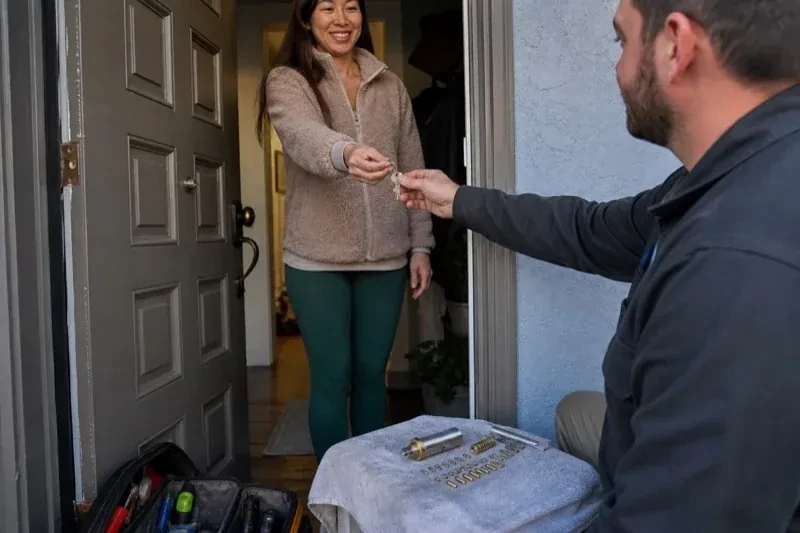
Swept, wiped and working. Metal filings, drywall dust and old screws all leave with us. The lock is tested from both sides and the key handed over.
Doors in Bendale are opened, rekeyed, repaired, reinforced and replaced by the same small team, so you can pick one service today and add another later without explaining the house all over again. Start with the page that matches your door; the rest of the list will still be here.
About 58% of homes in Toronto were built in 1980 or earlier, according to the 2021 Census.
Older homes
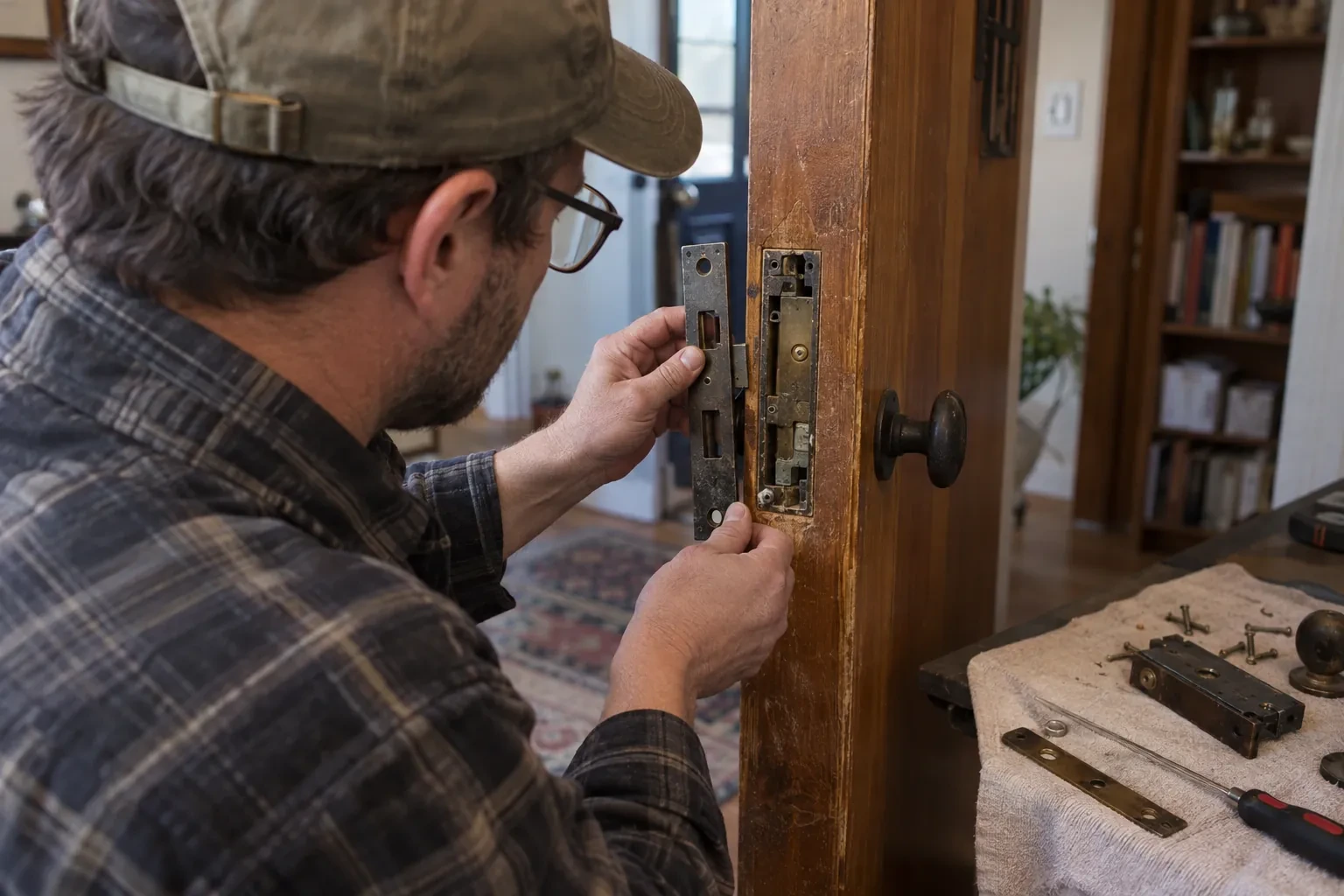
Older doors are usually thicker and made of solid wood, which is good news. They take a deadbolt well, hold longer strike screws, and reward reinforcement. The locksmith measures the thickness and backset so new hardware fits without fresh holes.
Single-detached houses make up about 23% of homes in Toronto (2021 Census).
Suite doors in buildings often have a viewer, a chain and a deadbolt fitted at different times. A locksmith can tidy that into one sound arrangement, with a properly set deadbolt and a strike that holds, without altering the door's face.
It is ten to nine, three staff are on the sidewalk with their coffees, and the key that has opened the glass front door for six years will not turn. The cylinder feels gritty, the door is locked, and the first customer is already parking.
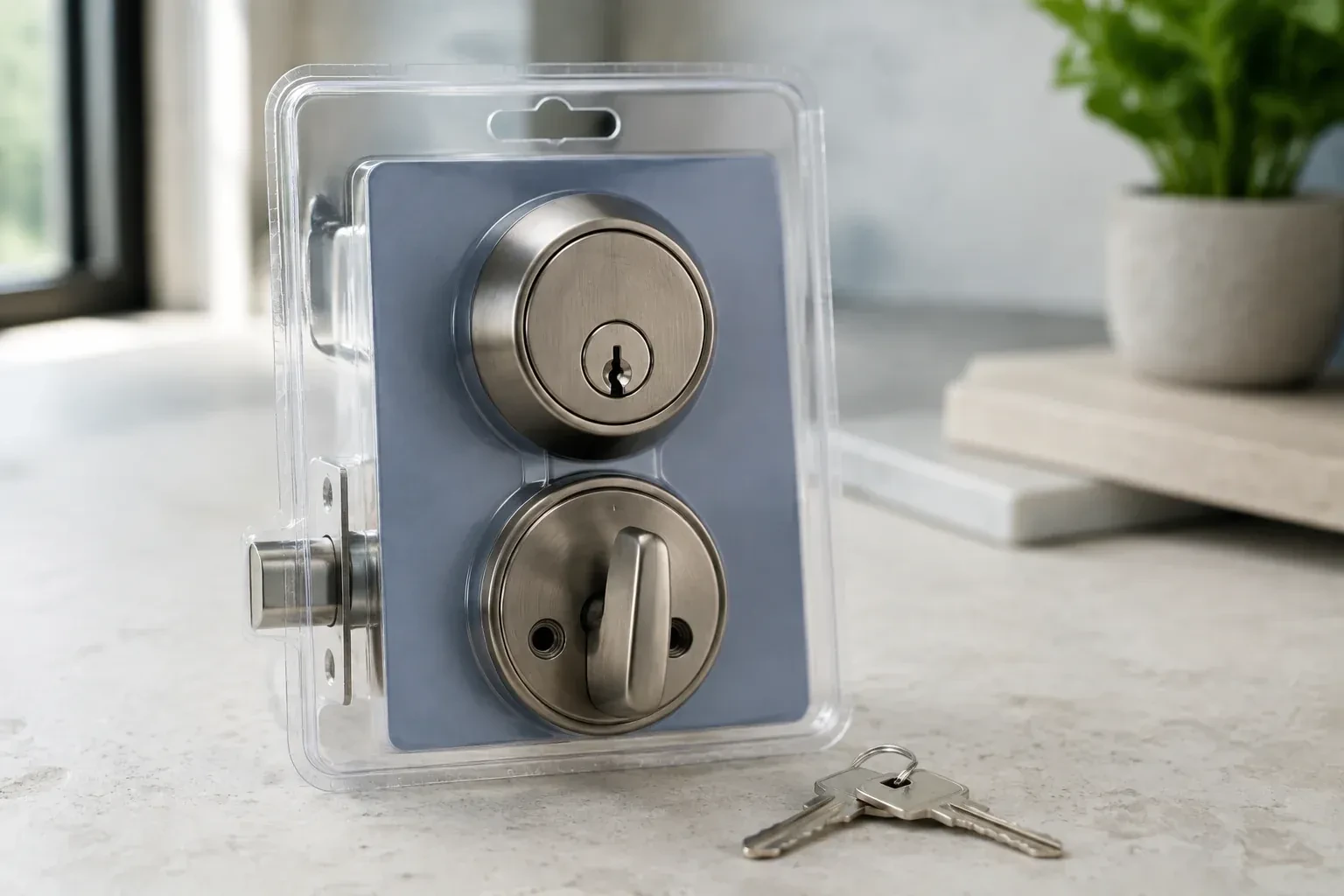
The builder handed over your new home with a stack of identical keys, and you know the framing crew, the painters and the flooring installers all used a construction key during the build. The doors are brand new, but the key that opens them should be yours alone.
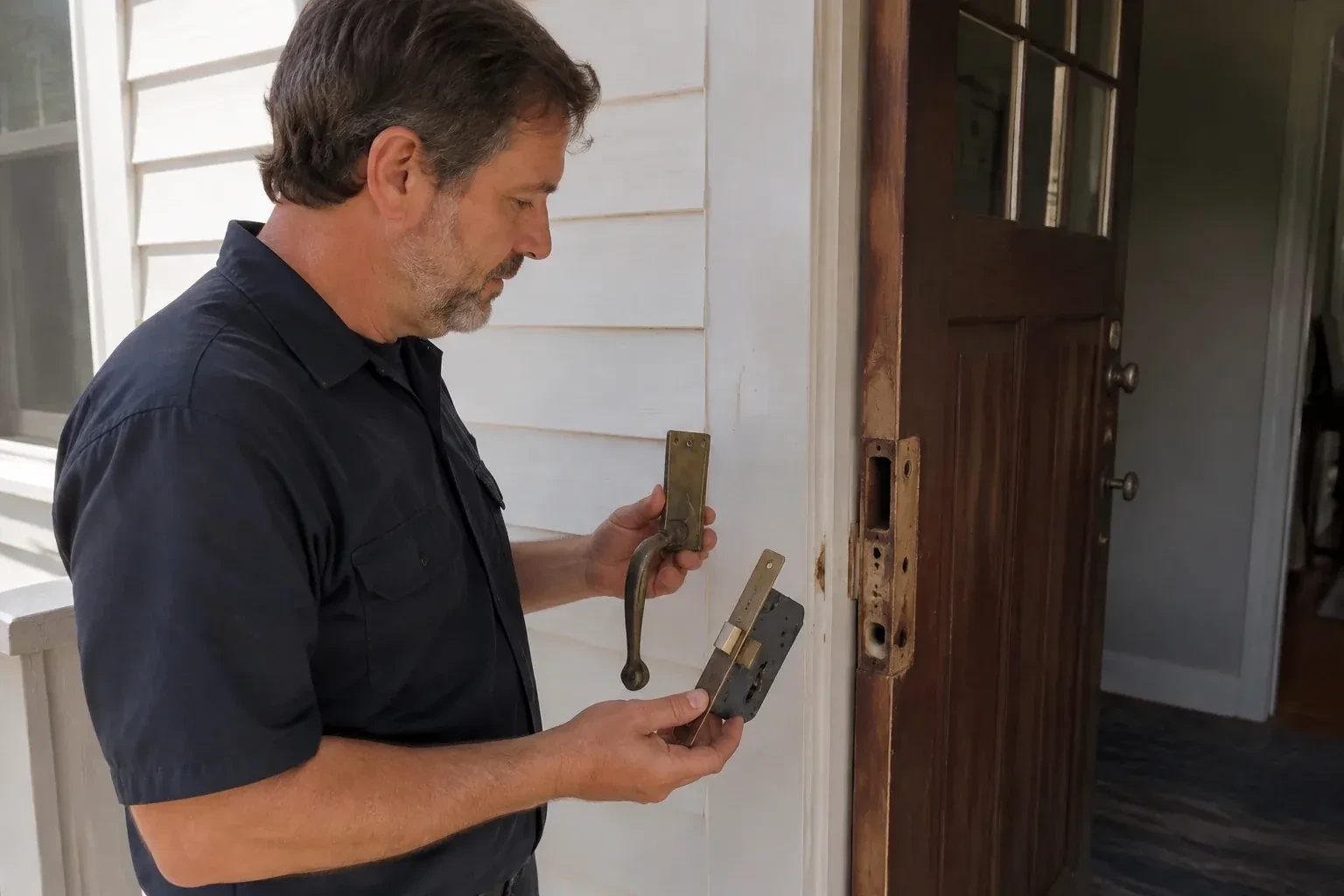
The old skeleton key still fits the keyhole, but it now needs a jiggle, a lean on the door and a little luck before the bolt moves. Last week it took three tries. You have one key and no idea where a second could come from.
Arthritis has made the small house key hard to grip and turn, especially with gloves on in January. Pressing a few buttons, or tapping a fob against the lock, would make coming home in winter far easier.
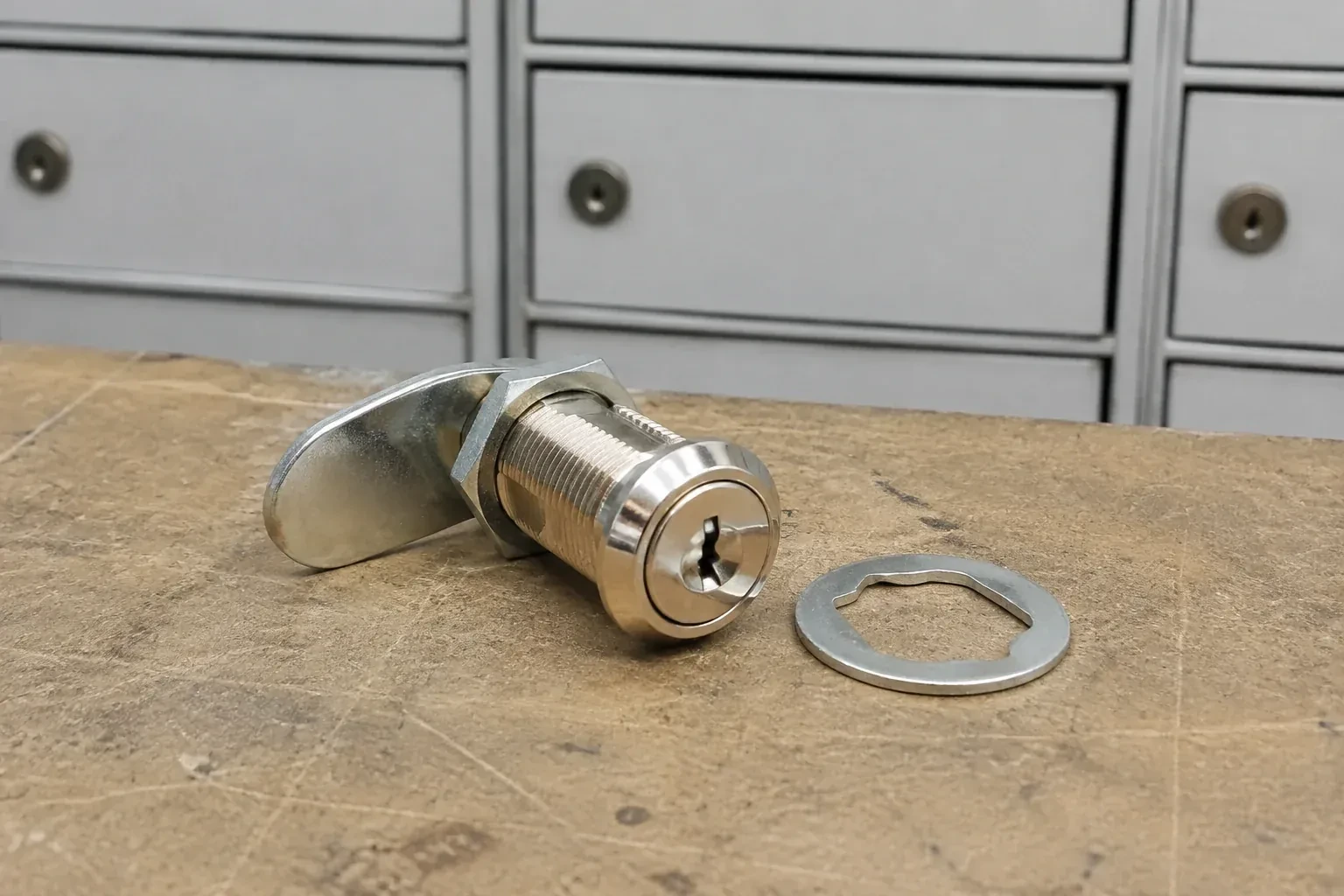
The property manager mentioned that half the compartments in the lobby's mailbox panel are original to the building and are starting to fail one by one, key by key, as tenants turn over year after year.
A new tenant moved into the unit next door, and the property manager just found three different cylinders on three doors, none of them cut to the same key.
It is a January morning, minus twenty with the wind, and the key will not enter the door cylinder. Yesterday's slush ran into the keyhole and froze overnight. The door itself is glued to its rubber seal, and the fob has gone quiet in the cold.
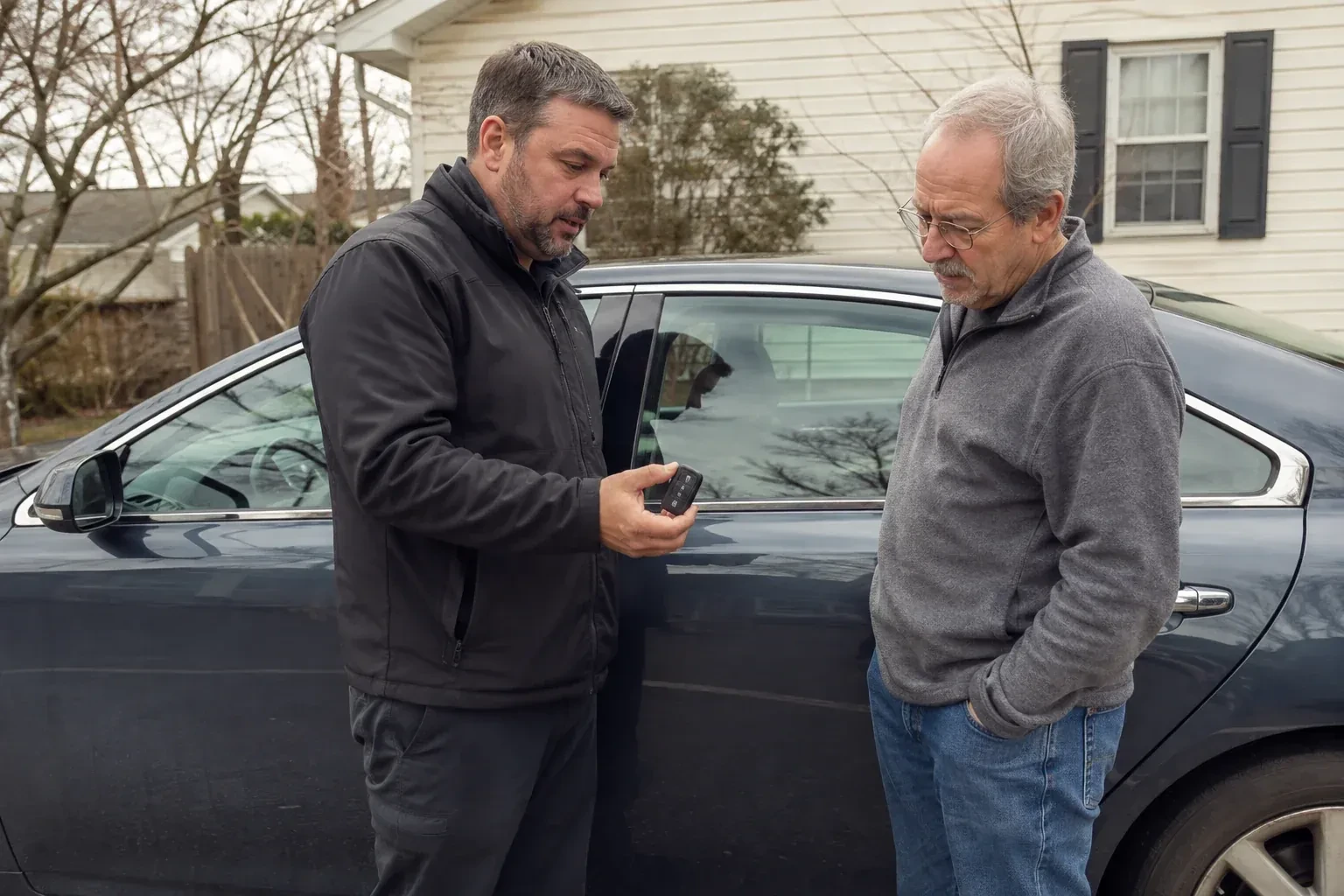
The key snapped at the head while you were turning it in a stiff, frosty door lock. Half the blade is in your hand, the rest is inside the lock, and the plastic head still lights up when you press a button.
A copy cut at a hardware kiosk turns the ignition on some mornings and skips it on others, occasionally sticking halfway and needing a wiggle that the original key never required.
Keys for a business should be a record, not a rumour. Master key systems and restricted keyways make it possible to know how many keys exist and who holds each. The commercial pages explain how we set that record up and keep it accurate.
WhyA locked business loses trading time, so the visit is arranged around getting people back to work.
The builder handed over your new home with a stack of identical keys, and you know the framing crew, the painters and the flooring installers all used a construction key during the build.
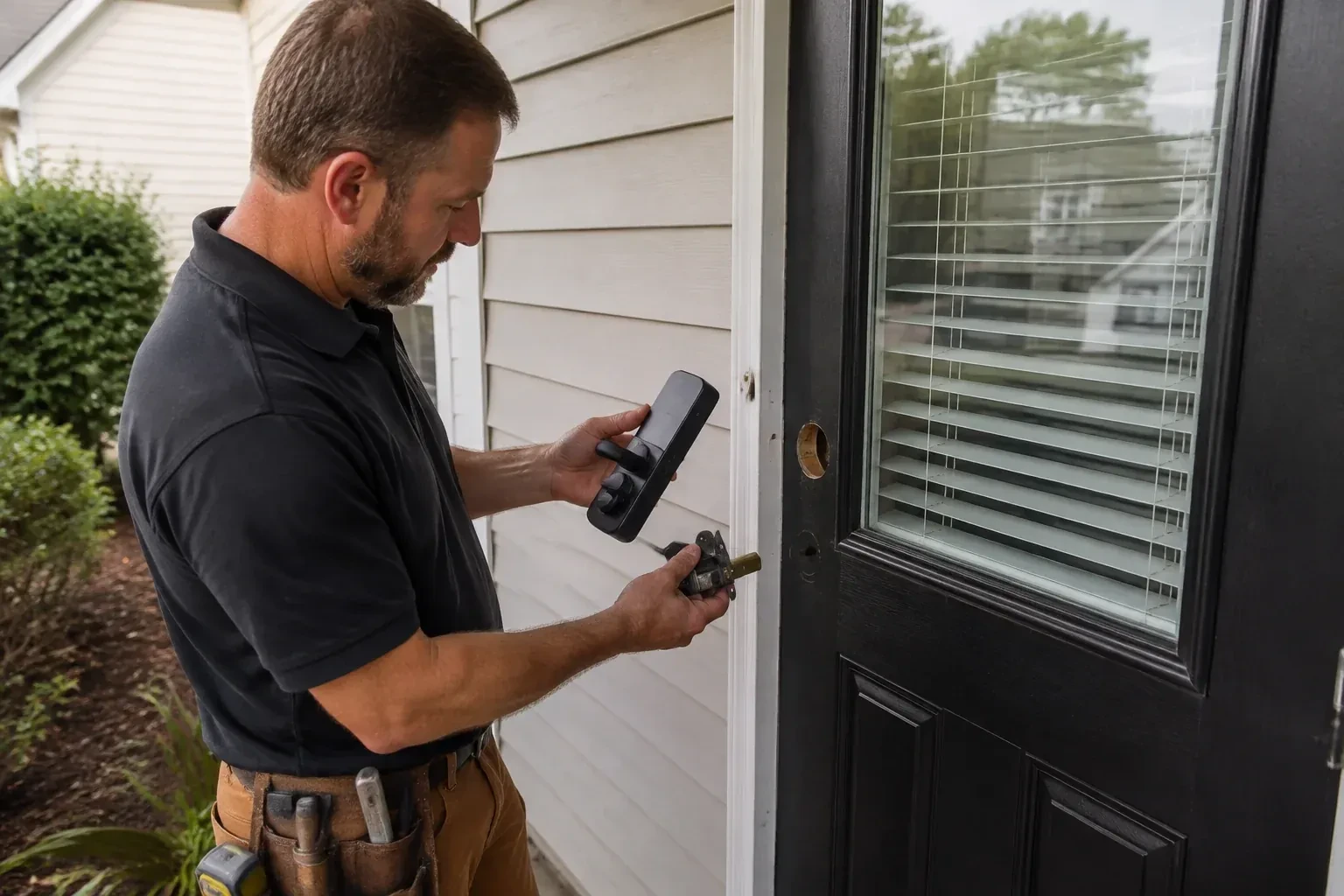
WhySmart lock installation puts an electronic deadbolt or lever on your door that opens with a code, a phone, a fob or a fingerprint, and, on some models, a conventional key too.
The property manager mentioned that half the compartments in the lobby's mailbox panel are original to the building and are starting to fail one by one, key by key, as tenants turn over year after year.
WhyMoving into a new place is a common moment for this service, since a mailbox compartment rarely comes with a documented history of who was handed a key.
A new tenant moved into the unit next door, and the property manager just found three different cylinders on three doors, none of them cut to the same key.
WhyWhere a home lockout is mostly about getting one door open again, a commercial lock replacement is mostly a decision about a system: how this one door's hardware fits into every other lock the business already manages.
It is a January morning, minus twenty with the wind, and the key will not enter the door cylinder.
WhyLosing a key is also a security event, and replacement is the moment to close it.
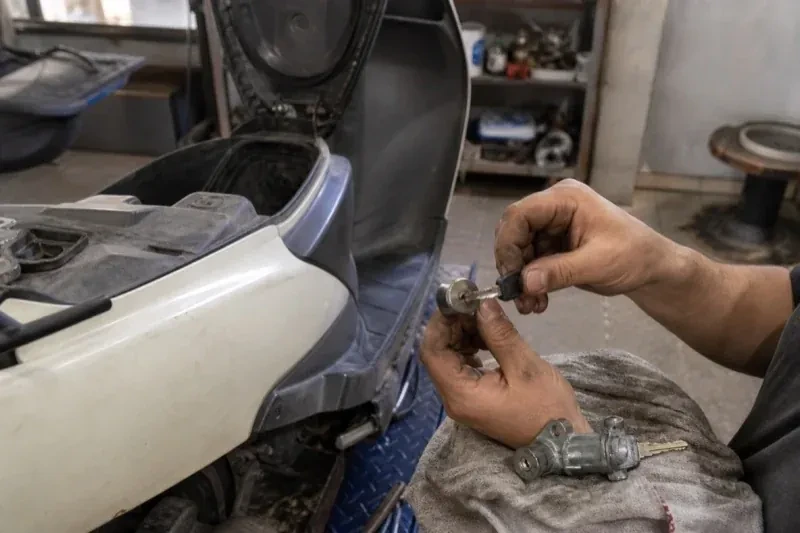
A copy cut at a hardware kiosk turns the ignition on some mornings and skips it on others, occasionally sticking halfway and needing a wiggle that the original key never required.
WhyThe visit follows a steady order regardless of what caused the missing key.
How a visit goes
Describe the property, the hardware and what has changed, and the visit starts from what you have seen.
1
2
3
01
Walking the building together
We visit each door on the plan and talk about who uses it, how often and at what hours. Wiring routes and power are checked at the same time.
02
Installing readers and locks
Readers, electric strikes or maglocks and the controller go in with cables hidden where the building allows. Every door is tested for release and re-locking.
03
Setting up users and handover
We add the first users, show your administrator how to add and remove people, and leave written notes so the system is yours to run.
We need to open for customers. How do you sequence the visit?
Entry comes first and repairs second. Once authority is confirmed the door is opened, staff go in and start their routine, and the locksmith turns to the cause: extracting a broken key, rekeying for a lost one, re-springing a deadlatch or lifting a dropped door. Anything that can wait for a quieter hour, such as rekeying interior doors, is offered as a return visit so the shop floor is not blocked while it trades.
My keys were lost with something showing my address. Is rekeying enough?
Rekeying is exactly the right response, because it makes the lost key useless at every door that was pinned. The locksmith will walk the property with you to be sure nothing is missed, including the garage side door, a shed and any padlock the same key opened, and will suggest changing any garage keypad code that was written on the same ring. After that, whoever finds the keys is holding brass that opens nothing on your property.
The key turns all the way round but the bolt stays put. What is wrong?
On a cylinder mortise lock this points to the cylinder rather than the case. The set screw that holds the cylinder in the door has loosened or stripped so the whole cylinder rotates, or the cam on the back of the cylinder has worn or is the wrong shape and no longer catches the bolt lever. Both are fixed by resetting or replacing the cylinder and its set screw, and the case itself is usually fine.
I am a landlord. Are smart locks a good fit for my rental?
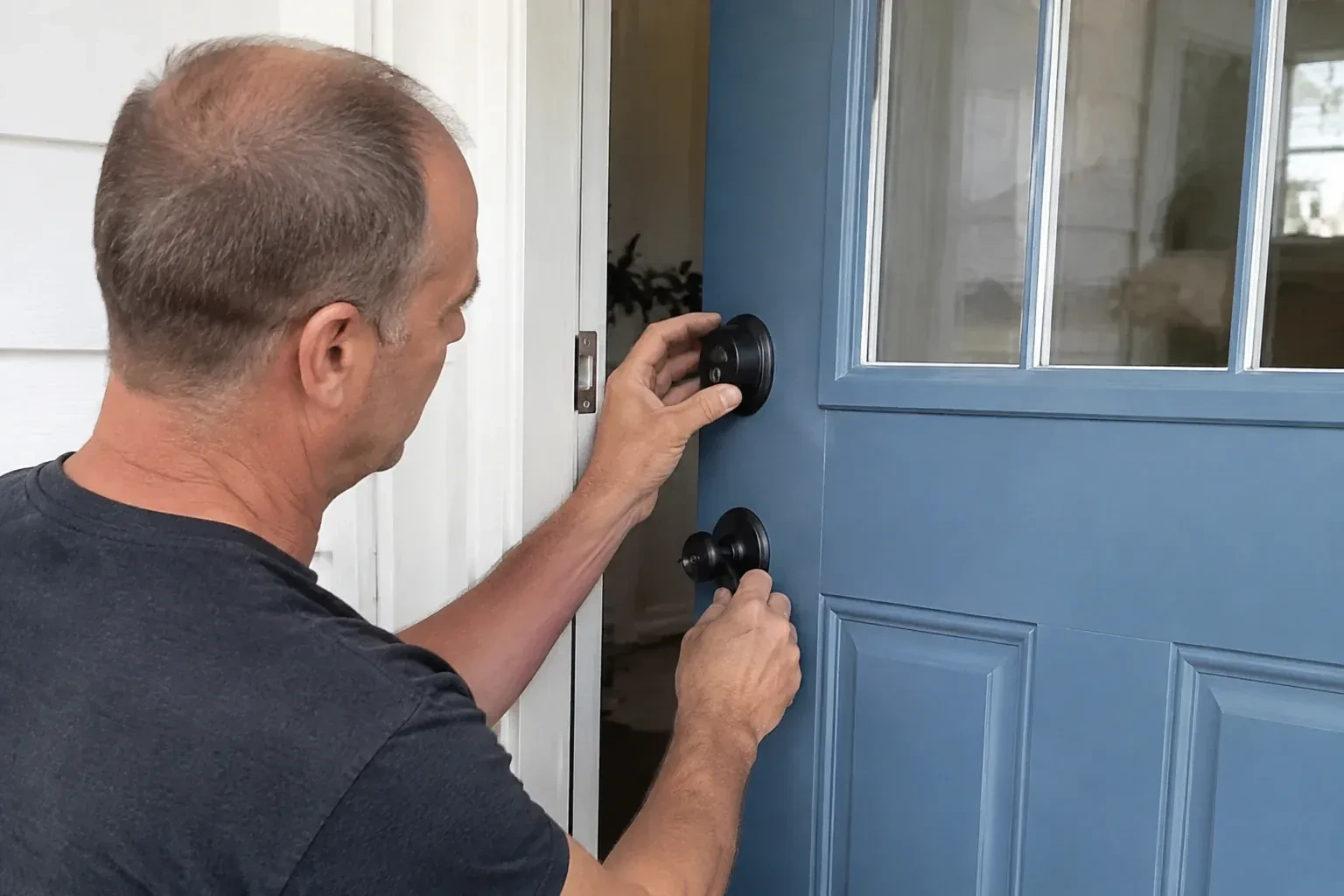
They suit turnover well: a departing tenant's code is deleted and a new one created without cutting keys or wondering about copies. Two things to plan for. The tenant in place must always have a working way in, which usually means their own code plus a key to the override cylinder, and any lock change on an occupied unit is done with the tenant's knowledge. Set the administrator account up under the property, not a departing employee, so control stays with you.
How many keys do I get when the lock is changed?
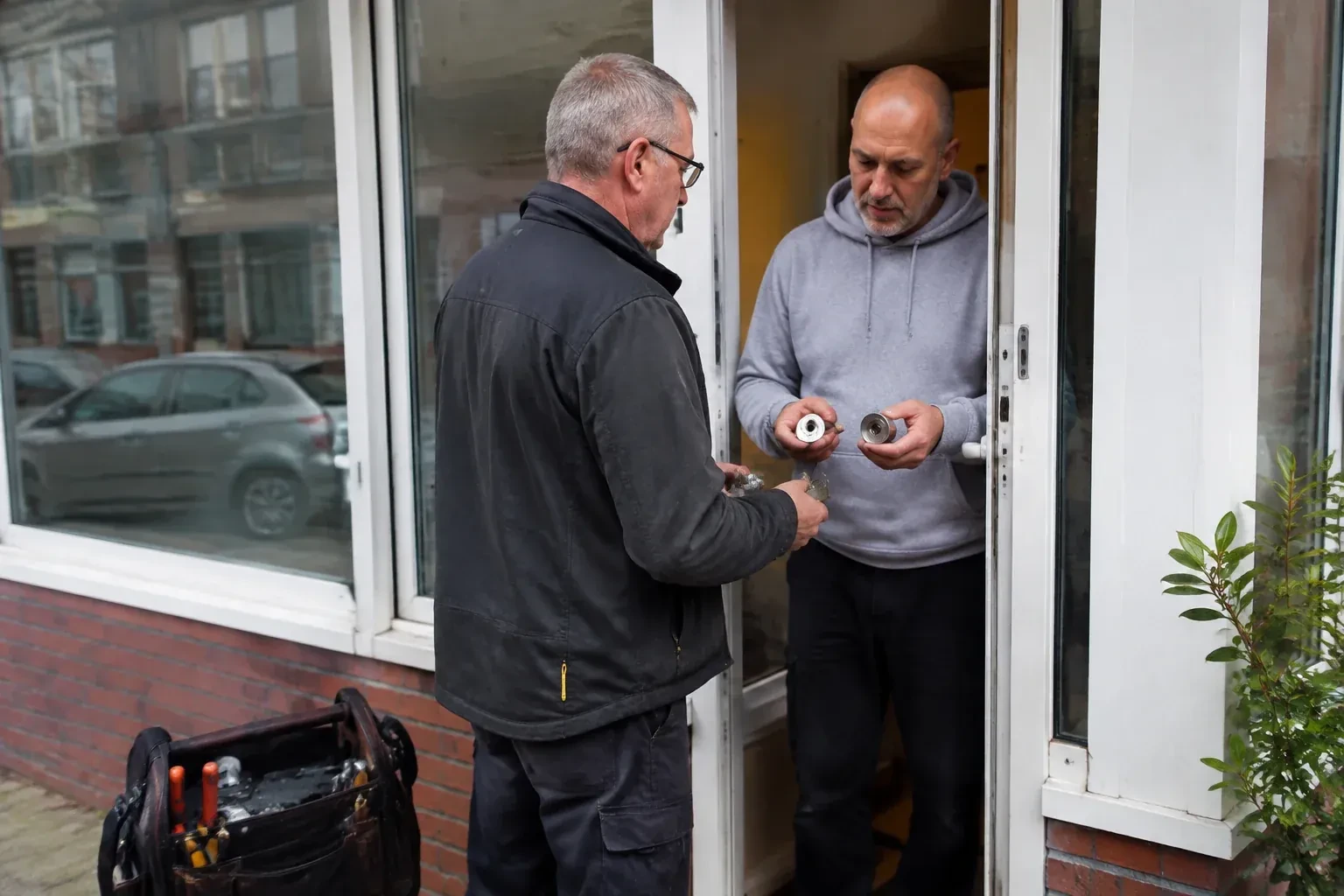
Two keys is standard, cut from blanks matched to the new lock and tested in the door before the visit ends. Additional keys for another household member, or for someone who collects mail while you travel, are cut on the spot if you ask, rather than needing a separate stop at a hardware store afterward.
Do you replace hardware after an attempted break-in even if the door still locks?
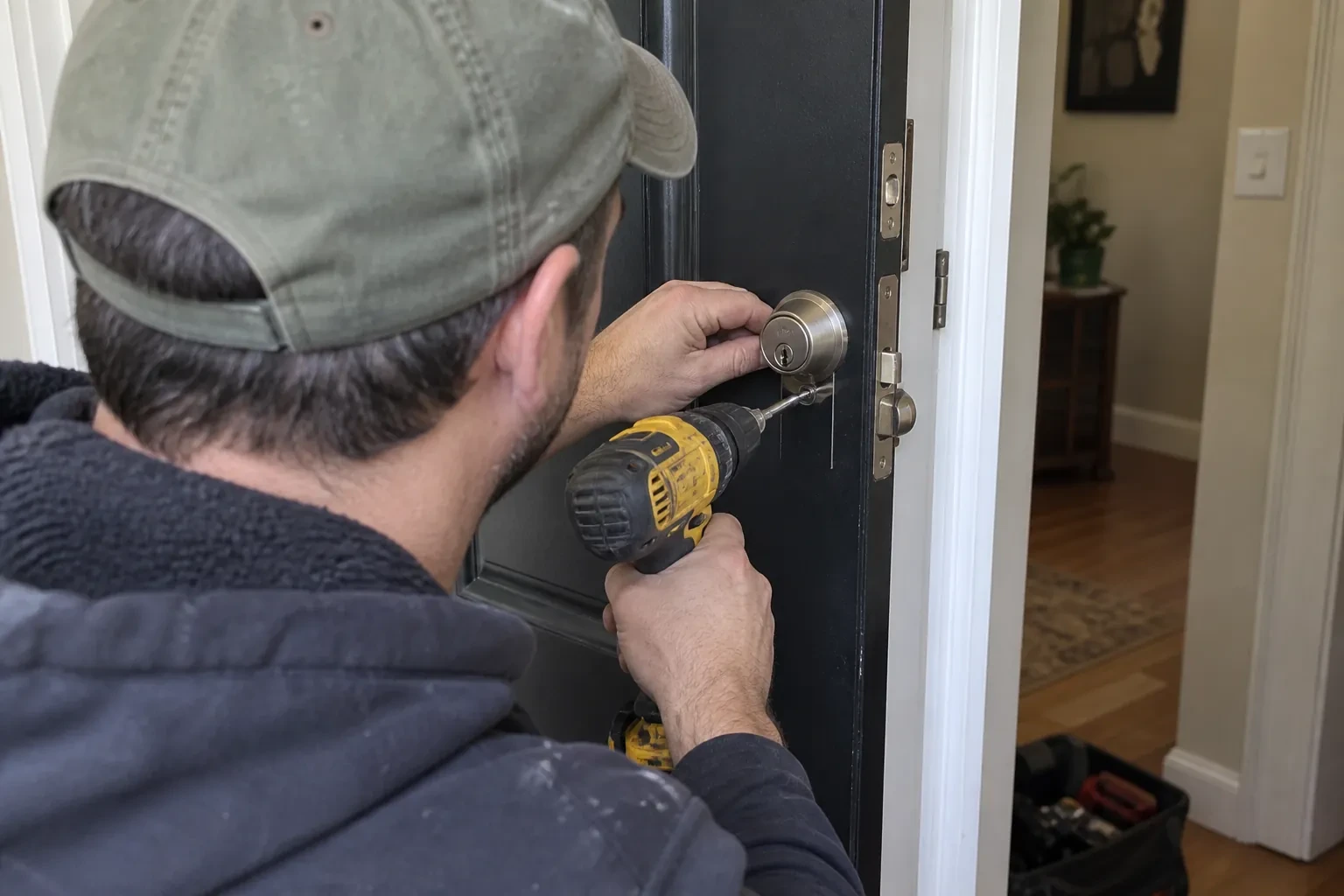
Yes, and it is worth having it checked even when the door still appears to function. A cylinder that was drilled at, pried or struck can be weakened internally without showing it externally, and a bent strike or a cracked frame around the lock can let a door appear locked while offering far less resistance than it should.
Will you need to see identification before opening my car?
Yes, and it is the part of the visit that protects you most. Photo identification matched against the vehicle permit, the insurance card or a rental agreement shows the car is yours to open. The permit carries the owner's name and plate number, so the match is straightforward. Roadside clubs ask their locksmiths for the same check, and every car owner benefits from a trade that asks before it opens.
Can a key be made for an older car with no chip?
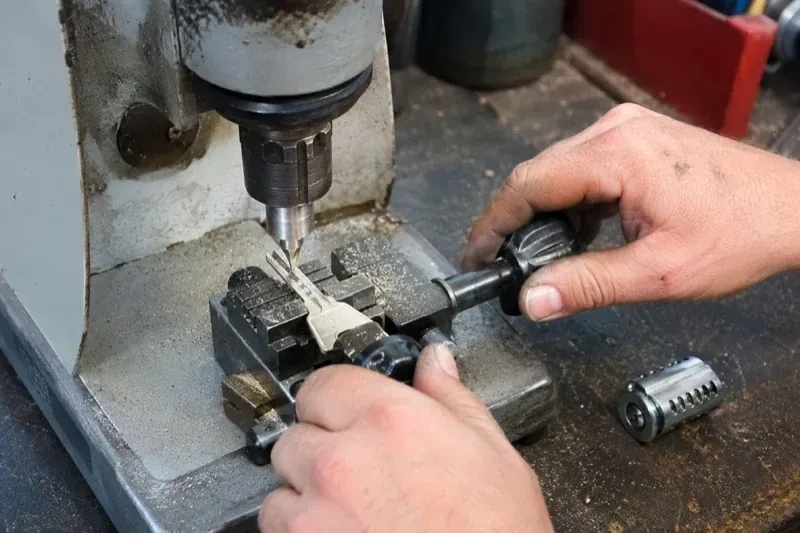
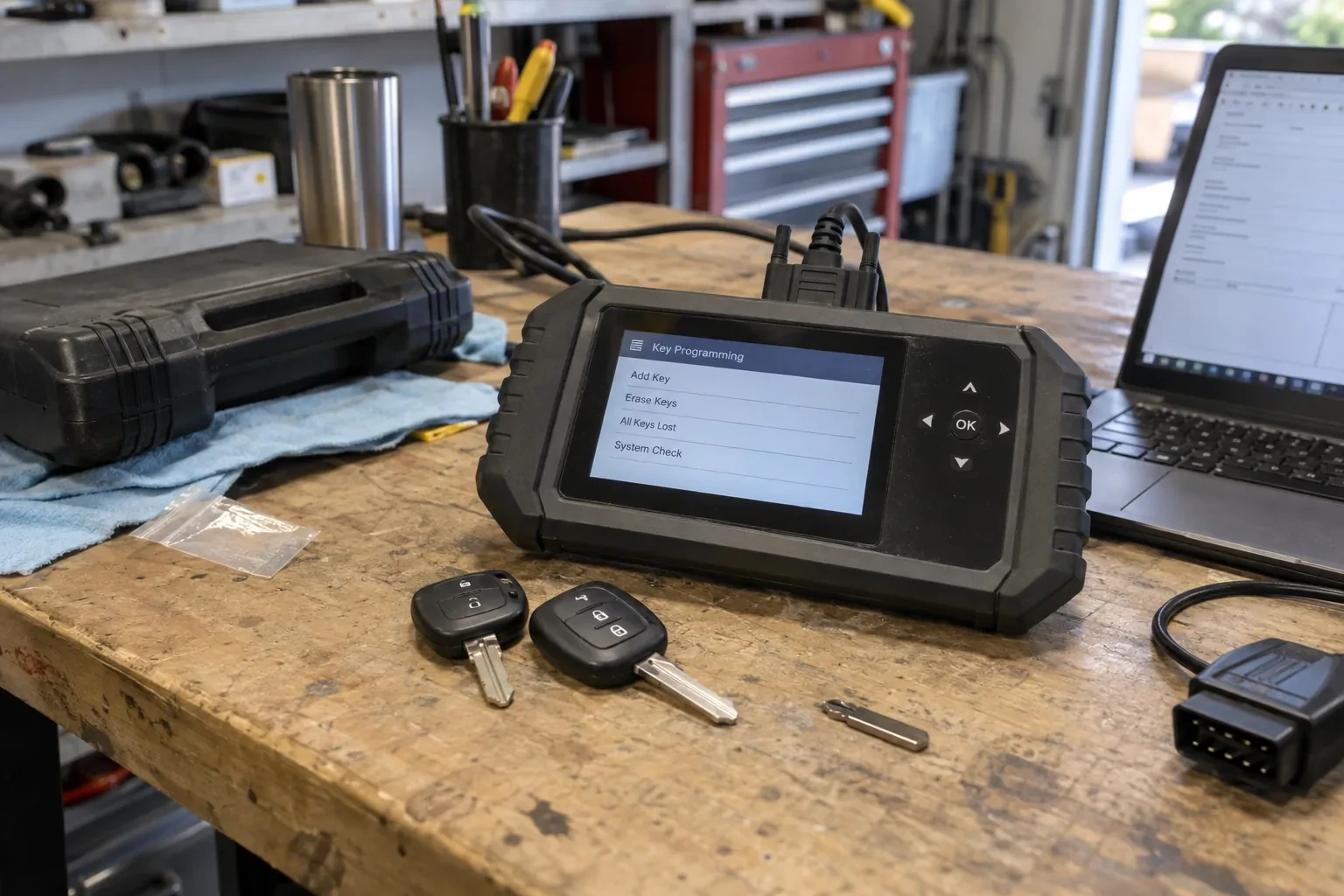
Yes, for a vehicle that genuinely has no immobilizer, checked by VIN and equipment rather than assumed from age, since several early-2000s vehicles already shipped with a factory immobilizer and coded key. Where that is the case, it is the simplest key work there is: a blade cut to the factory code from the VIN or to a reading of the door lock, rather than copied from a worn original. If the ignition has become sloppy, the locksmith can rebuild it in the same visit.
What should I have ready before you arrive?
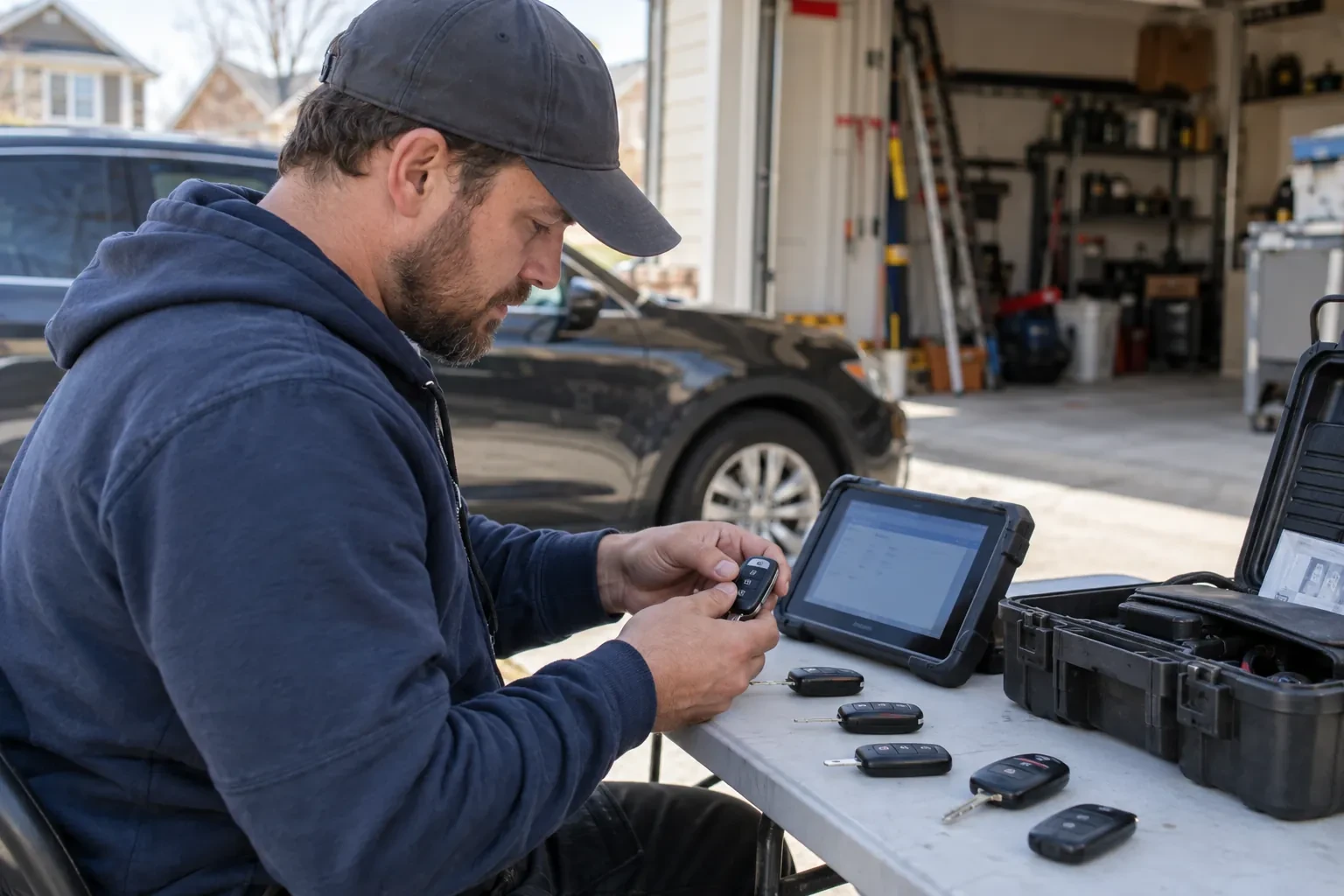
The make, model and year if known, the VIN if it is accessible, which locks are involved, and whether the engine cranks but does not start, which can point toward an immobiliser issue among other ordinary starting-system causes. Mentioning whether any key at all still exists, even a broken or poorly cutting one, changes what equipment comes along, since working from a key is a different job than decoding a lock with nothing to reference.
Request a visit
Businesses in Bendale get exit hardware that lets everyone leave without hunting for a key, while the door stays locked from the outside. We fit and adjust push bars, panic bars and deadlatches, set the closers so the door shuts on its own, and check that the whole exit path works in one motion from inside.