Lockouts · Bendale
Business Lockout Service in Bendale
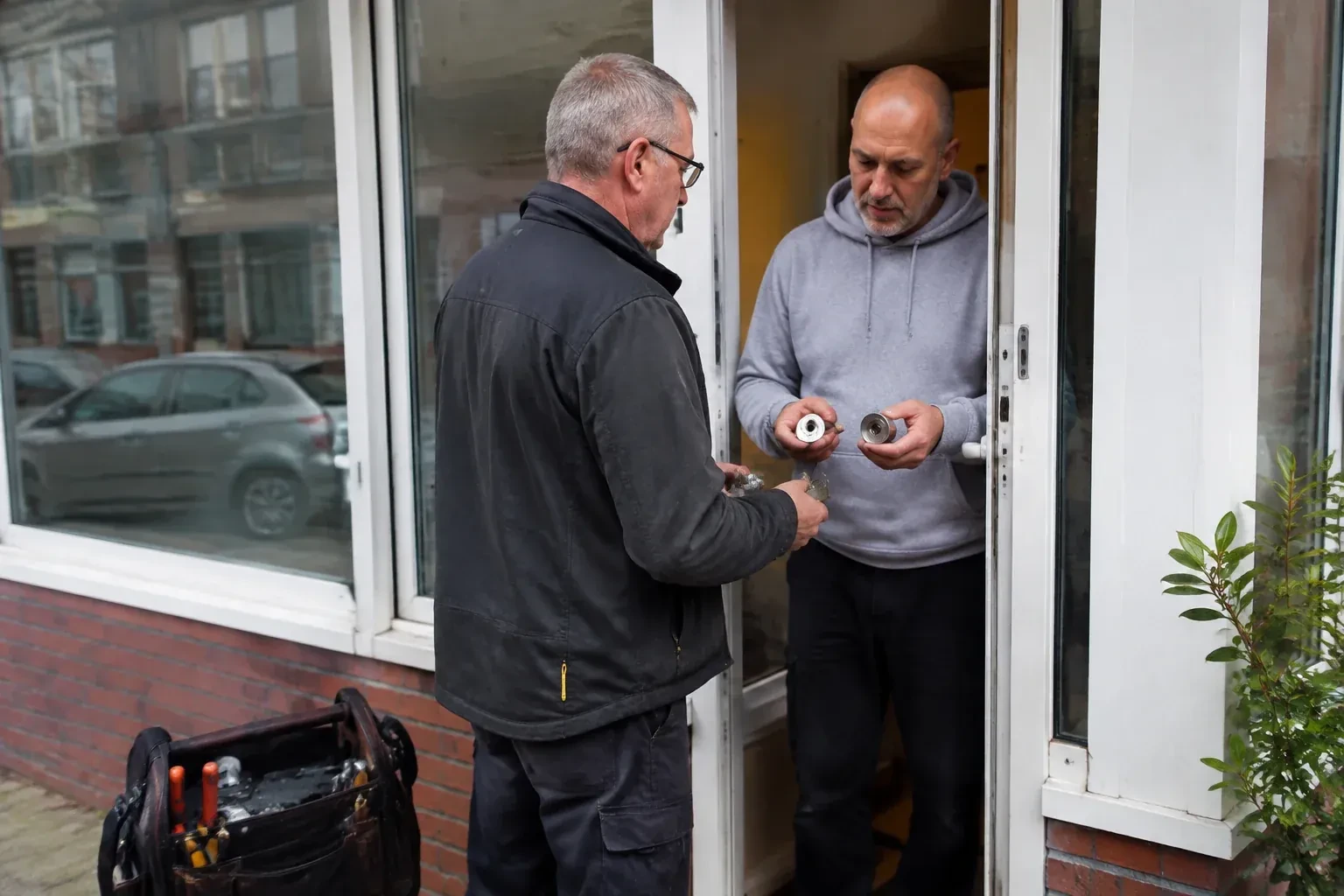
It is ten to nine, three staff are on the sidewalk with their coffees, and the key that has opened the glass front door for six years will not turn.
In plain words
A locked business loses trading time, so the visit is arranged around getting people back to work. The locksmith opens the door first and settles the cause second: a snapped key is extracted and the cylinder checked, a lost key leads to rekeying while staff open up, a failed deadlatch spring is replaced before the door is trusted again. What matters as much as the opening is closing time. Every door worked on is locked and unlocked from both sides before the locksmith leaves, so the person doing the final walk-round that evening has no surprises and the premises are as secure as they were before.
How the visit goesIt is ten to nine, three staff are on the sidewalk with their coffees, and the key that has opened the glass front door for six years will not turn. The cylinder feels gritty, the door is locked, and the first customer is already parking.
Business Lockout Service
How the visit goes
Which door and what is fitted to it
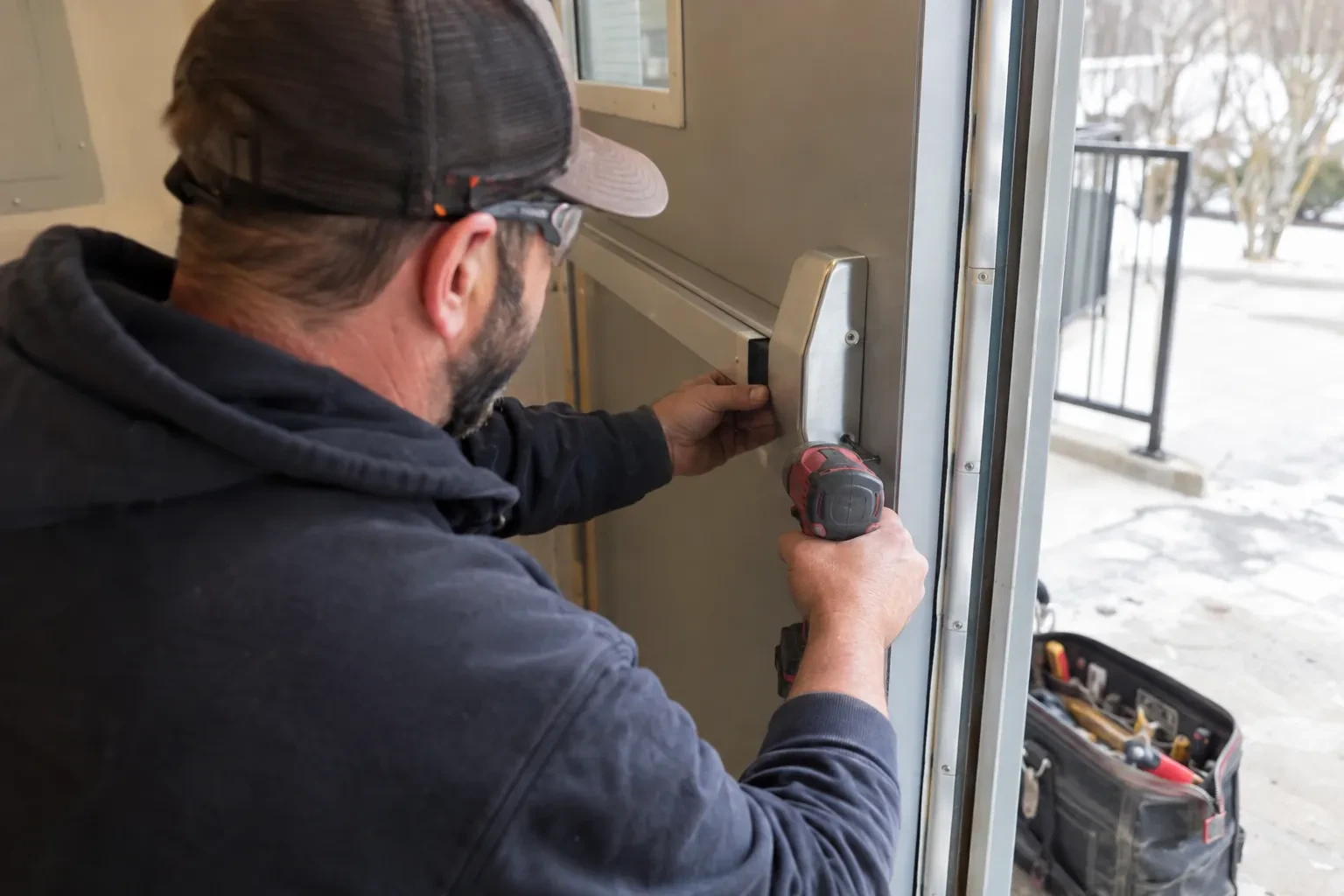
Commercial hardware is identified before it is touched. On a glass storefront door the locksmith looks at the narrow stile for a mortise cylinder, a paddle or thumb-turn inside, and the shape of the bolt in the edge: a hookbolt, a swing bolt or a spring latch with a deadlocking plunger. On a wood or steel door the tell is a lever with a small cylinder in its face, a full mortise lock with a separate deadbolt, or the outside trim of an exit device. A figure-eight core face means an interchangeable core system. Each of these points to a different opening method and a different set of spares from the van.
Making an unreturned key useless
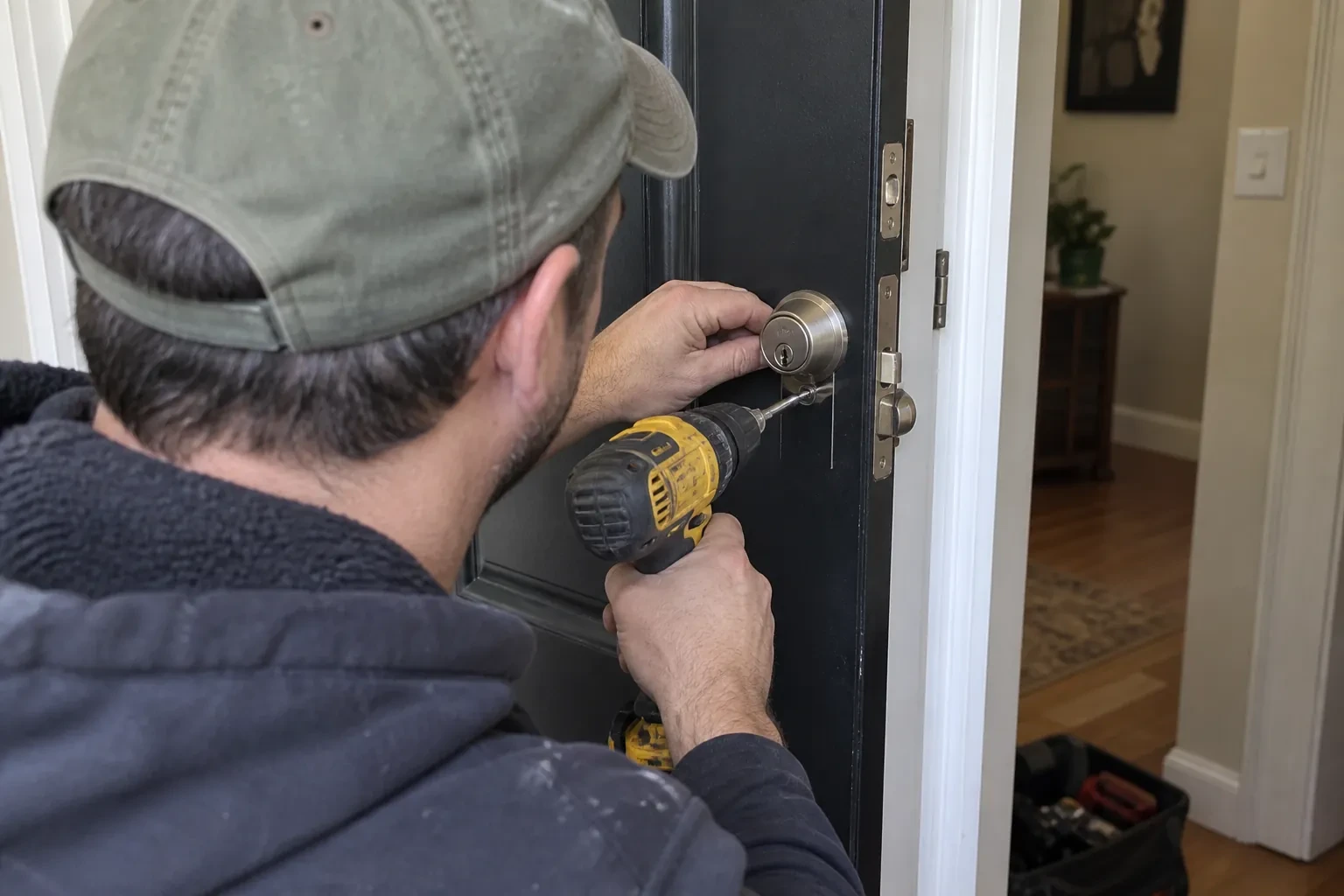
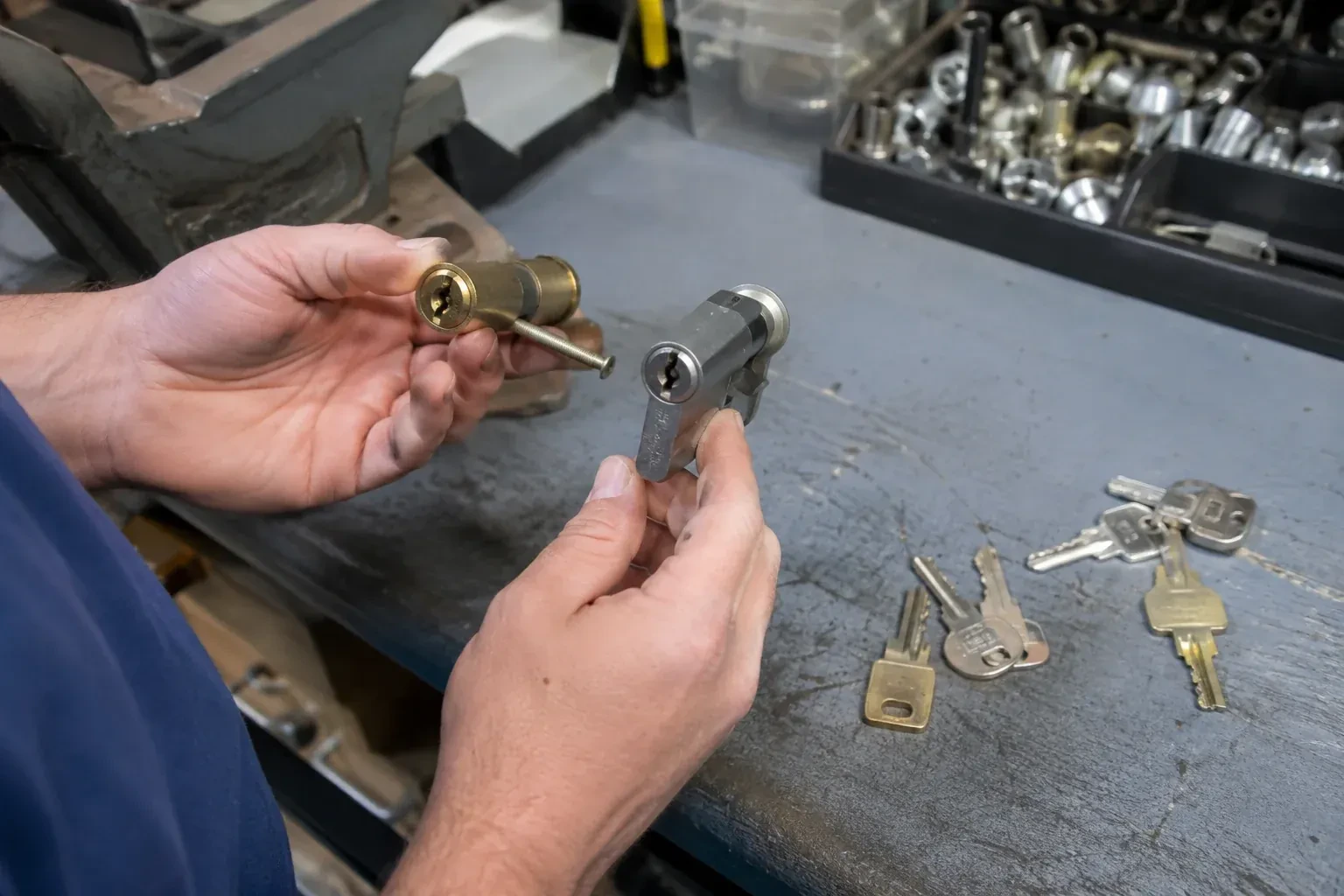
When a key is lost or unreturned, the second half of the visit is rekeying. Mortise and rim cylinders are removed, the plug slid out with a follower, and the bottom pins changed to a new combination so a fresh key operates them and the old one turns nothing. Where the building uses interchangeable cores, the core is swapped for one on a new combination. Cylinders that shared the old key are brought onto the new one, and if the door sits within a master key system the change is planned with the property manager so building keys keep working. New keys are cut, tested in every door and recorded against named holders.
Keys you can account for
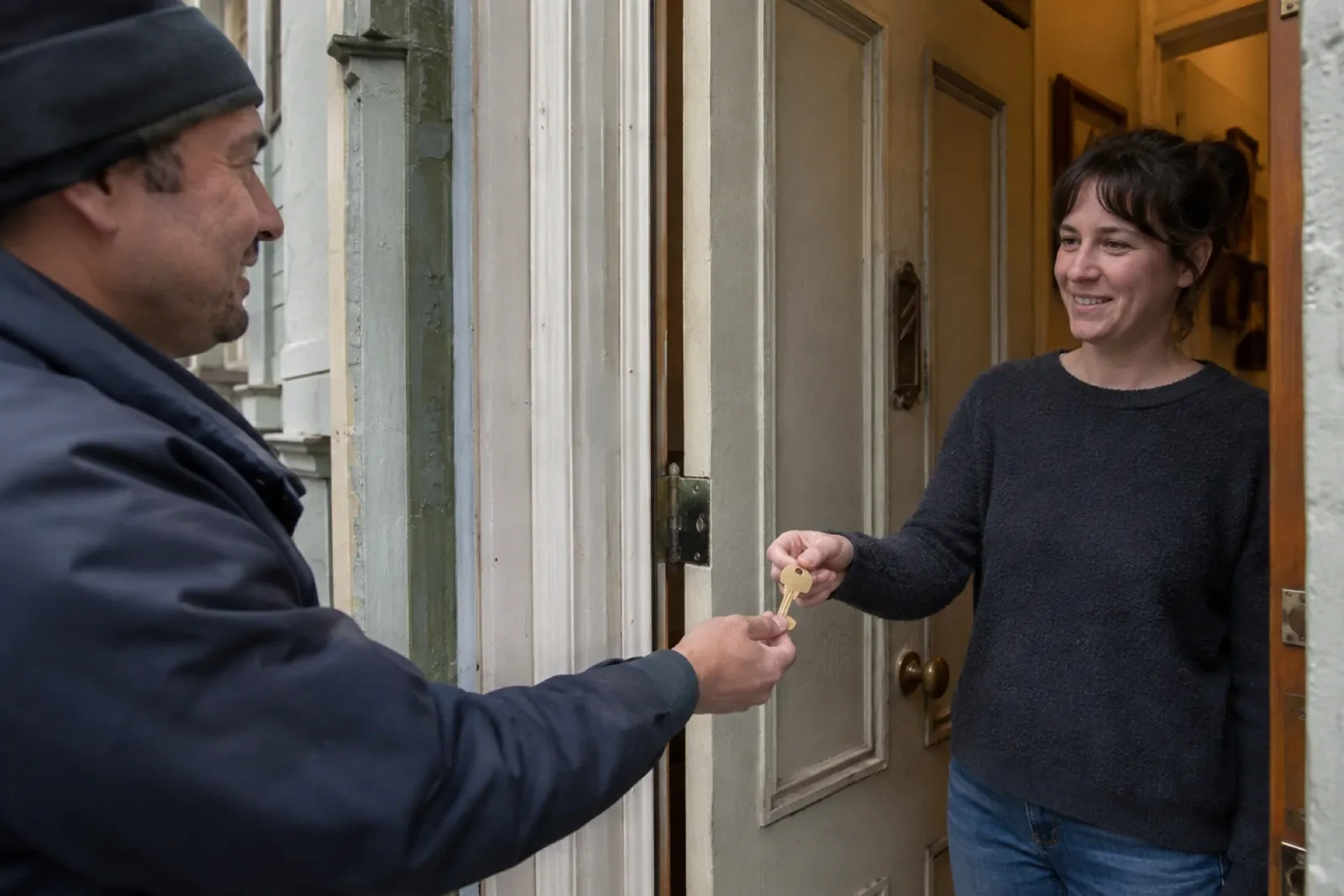
After a rekey or a core swap you receive a counted set of new keys, cut from the fresh combination rather than copied from a worn original. The sensible next step is a key register: a page or spreadsheet naming each keyholder, the key they carry and the date it was issued, updated when someone leaves. Manufacturers put it plainly: locks only limit access if the keys that work them are controlled. A restricted keyway, where blanks are supplied only through authorised channels, puts real controls around duplication, though the exact process varies by program, and can be introduced now or later. Interchangeable cores make future staff changes a matter of swapping a core rather than a rekey.
Business Lockout Service
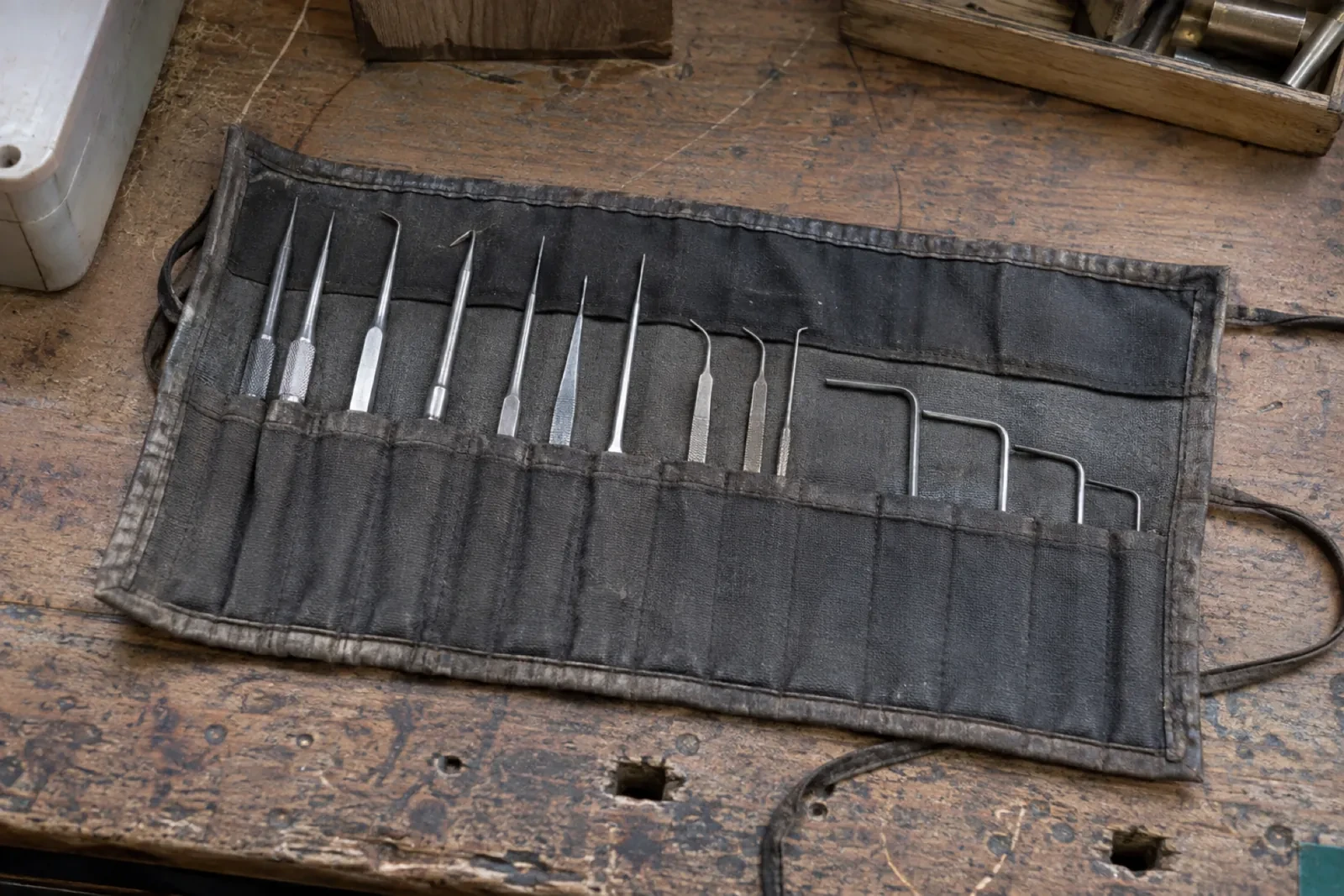
In the van
Interchangeable cores pinned to system
Exit device trim cylinders and dogging keys
Storefront deadlatch and hookbolt bypass tools
Cylinder decoder and plug spinner
Control keys and core-removal tools
Business Lockout Service
What affects the quote
Distance and access to the door
Travel is part of every call-out, and so is reaching the door: a plaza unit at street level, a suite behind a locked lobby, or a loading dock at the back of an industrial park each take a different amount of the locksmith's time.
Keys cut and recorded
Each new key is cut and counted individually. Two for the owners and four for the opening staff is a different line from one spare, and restricted blanks are priced above ordinary ones.
Rekeying or swapping cores afterwards
Making a lost or unreturned key useless is separate work, priced per cylinder or per core, and the count of doors sharing that key decides how much of it there is.
What to have ready
- Does the door use a card reader, keypad or intercom, and is it showing any lights?
- Which door are you locked out of, and what does the lock on it look like?
- Does the building have a property manager or a master key system for the unit?
Business Lockout Service: questions
QuestionsDo you work with our alarm company and access-control provider?
Yes, and it makes the visit smoother. The alarm station is told an entry is expected and the authorised person handles the disarm and password. For access control, the provider can often confirm the controller's status, unlock a magnetic lock remotely, or re-enrol fobs once you are inside, while the locksmith handles the mechanical side and the override cylinder. Nobody's wiring is cut; each party does the part it is set up to do.
We need to open for customers. How do you sequence the visit?
Entry comes first and repairs second. Once authority is confirmed the door is opened, staff go in and start their routine, and the locksmith turns to the cause: extracting a broken key, rekeying for a lost one, re-springing a deadlatch or lifting a dropped door. Anything that can wait for a quieter hour, such as rekeying interior doors, is offered as a return visit so the shop floor is not blocked while it trades.
What should I have ready when I call?
The address and unit number, which door you are outside, what the lock looks like, and where the keys are: with someone, lost, broken or simply refusing. Say whether there is an alarm or a card reader on the door, who can disarm or confirm your authority, and whether the building has a property manager. If you can send a photo of the lock and the door edge, the right cylinders and cores come on the first trip.
Related services
- Broken Key ExtractionThe key went in like any other morning, you turned it, and something gave with a small metallic click.
- Break-In Damage Lock RepairSomeone smashed the little window beside the door, reached in and turned the thumb-turn.
- Seized & Jammed Lock OpeningThe lock works, but only if you lean on the door with your hip while turning the key.