Locksmith in Ellesmere, OntarioLocksmith in Ellesmere,on call around the clock
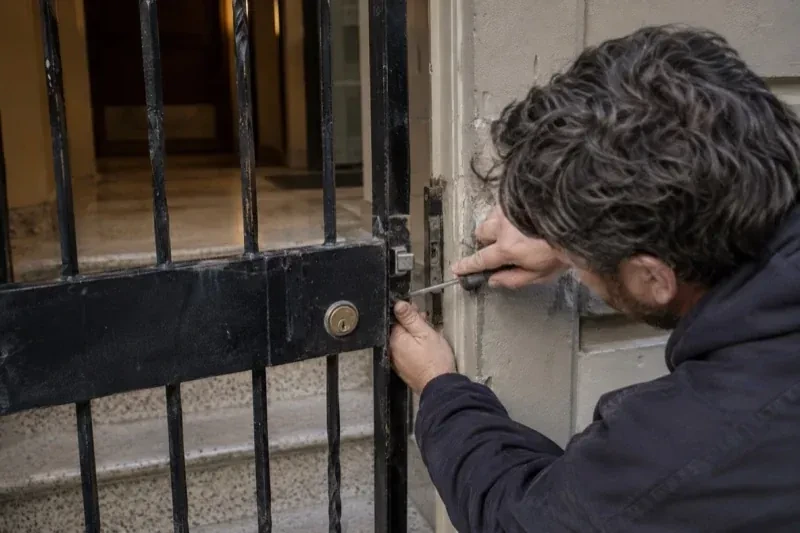
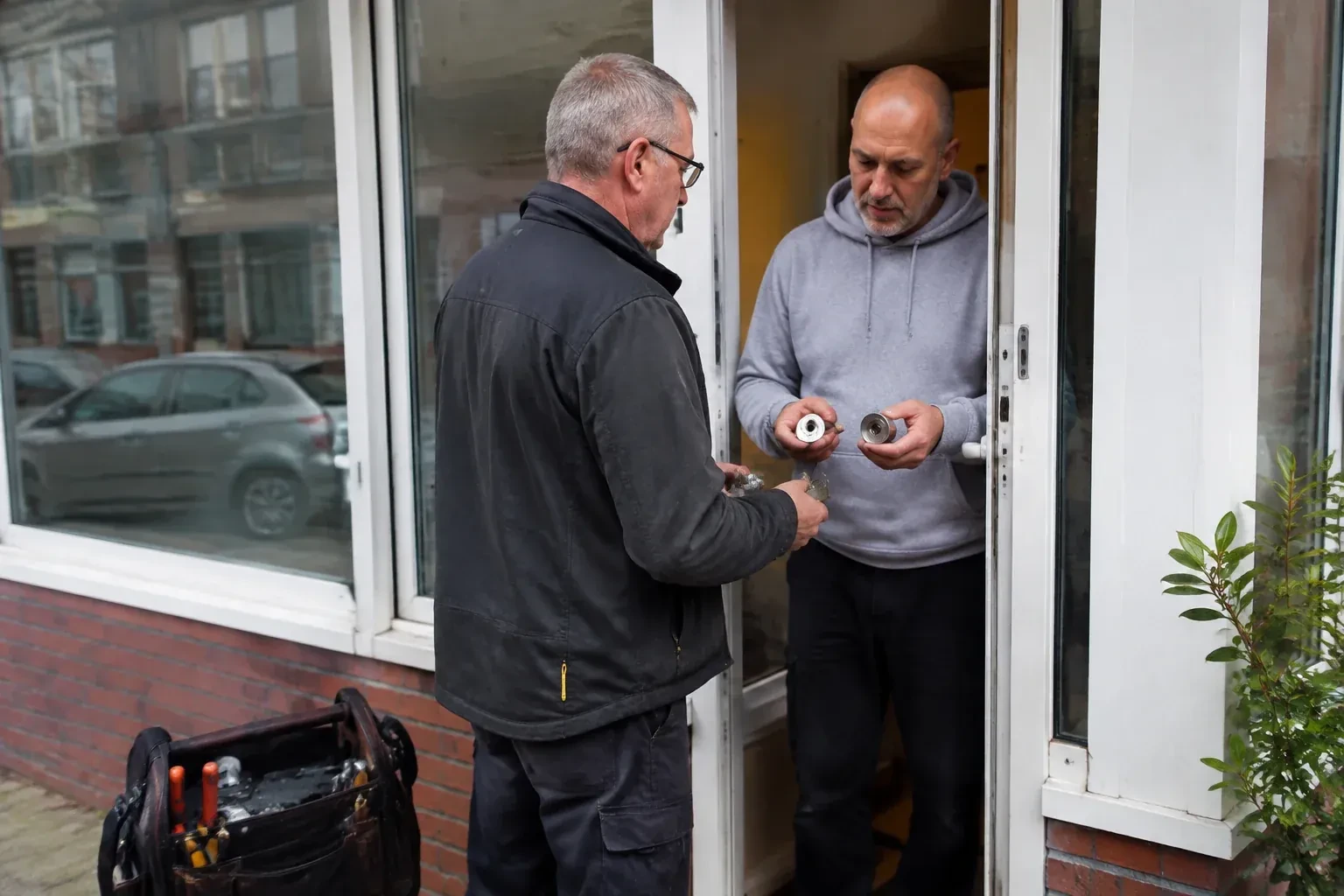
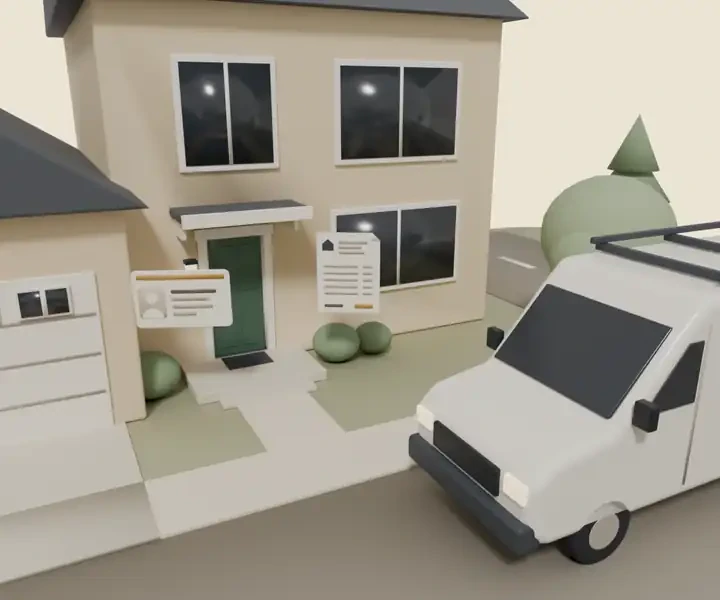
A lockout does not check the time, so neither do we. Households and businesses in Ellesmere can reach a working locksmith at any hour, and the fee for the visit stays the same whenever you call. We bring the same van and the same care whether the call comes at noon or long after dark.
A lockout does not check the time, so neither do we. Households and businesses in Ellesmere can reach a working locksmith at any hour, and the fee for the visit stays the same whenever you call. We bring the same van and the same care whether the call comes at noon or long after dark.
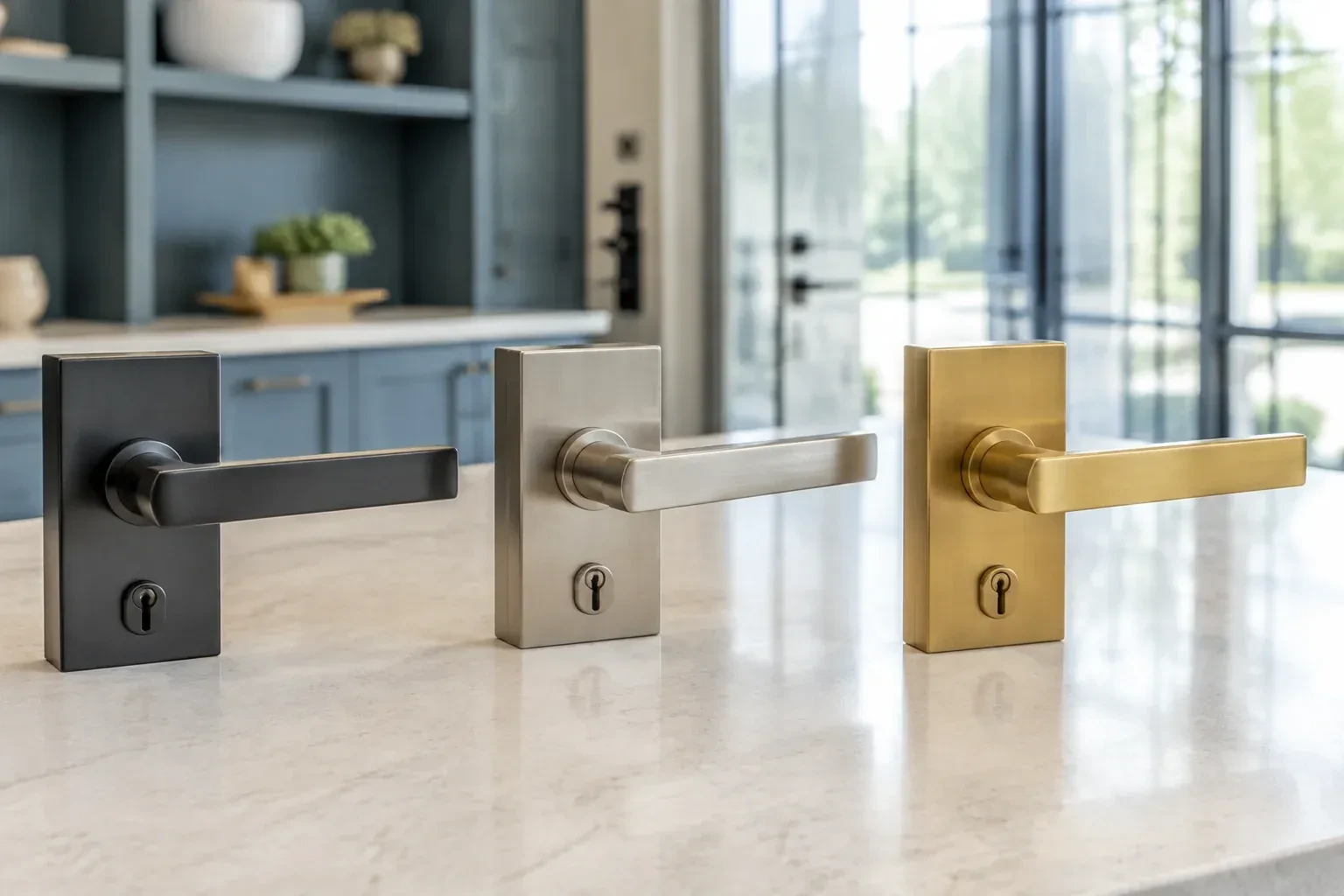
We look after the door, not just the lock.
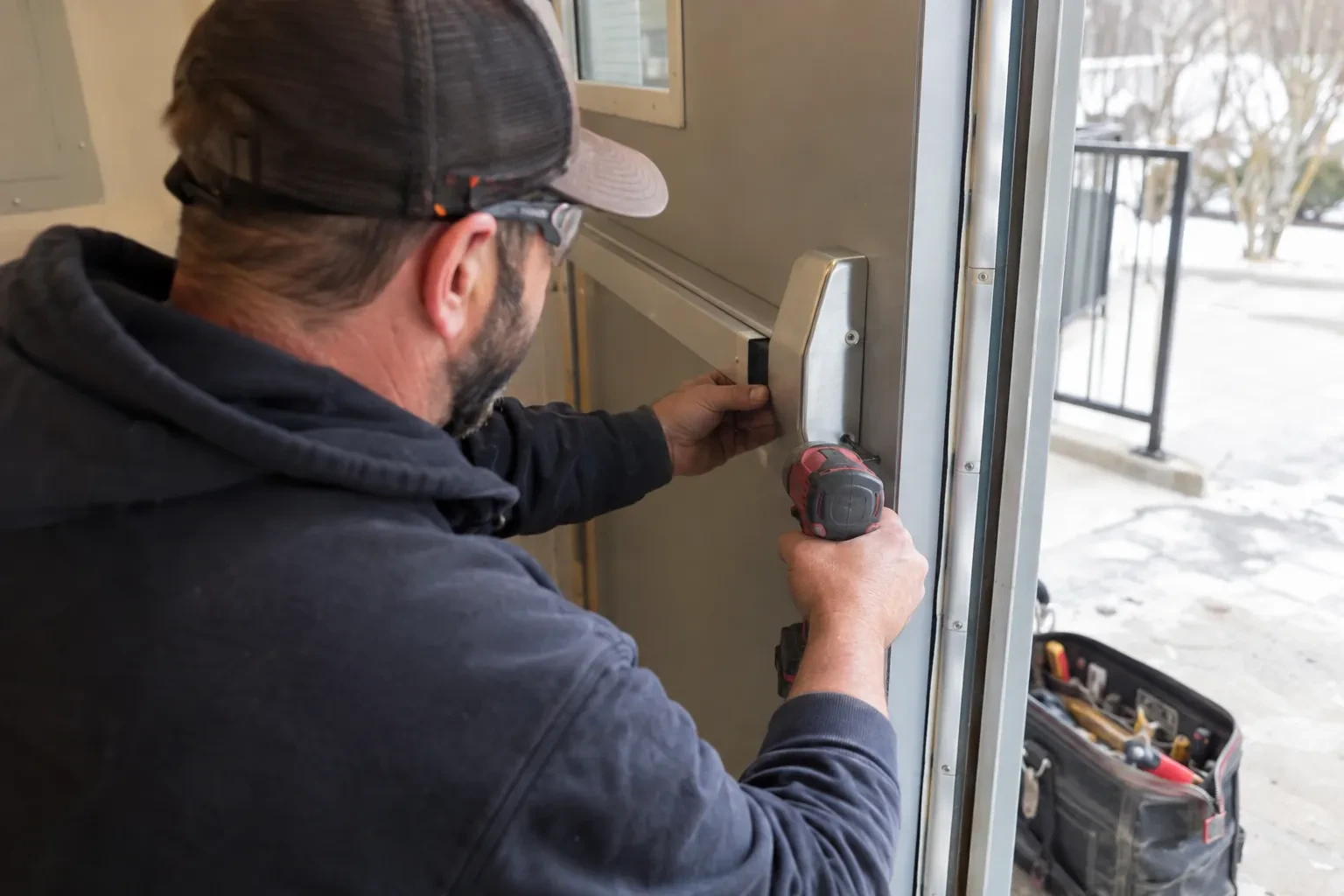
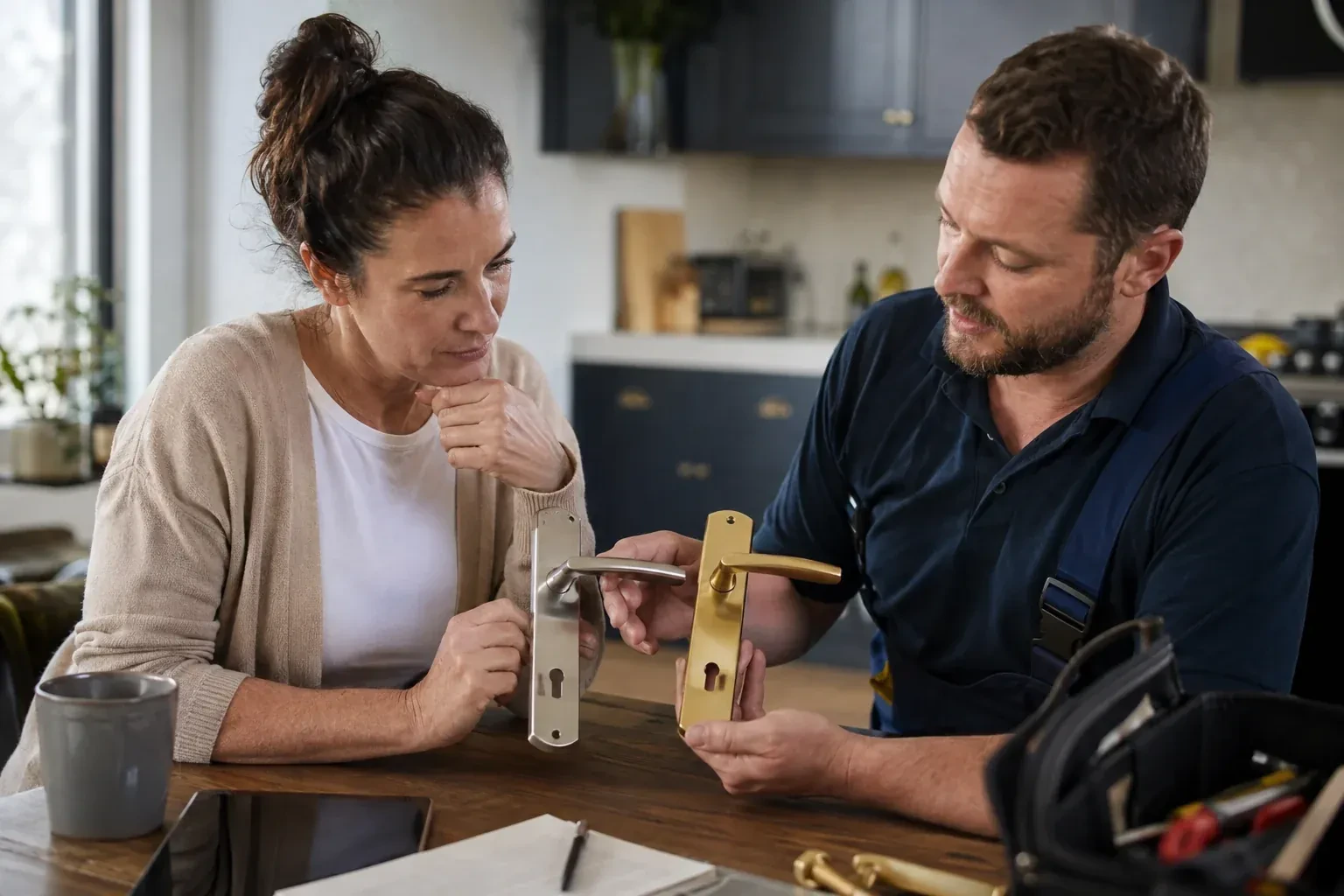
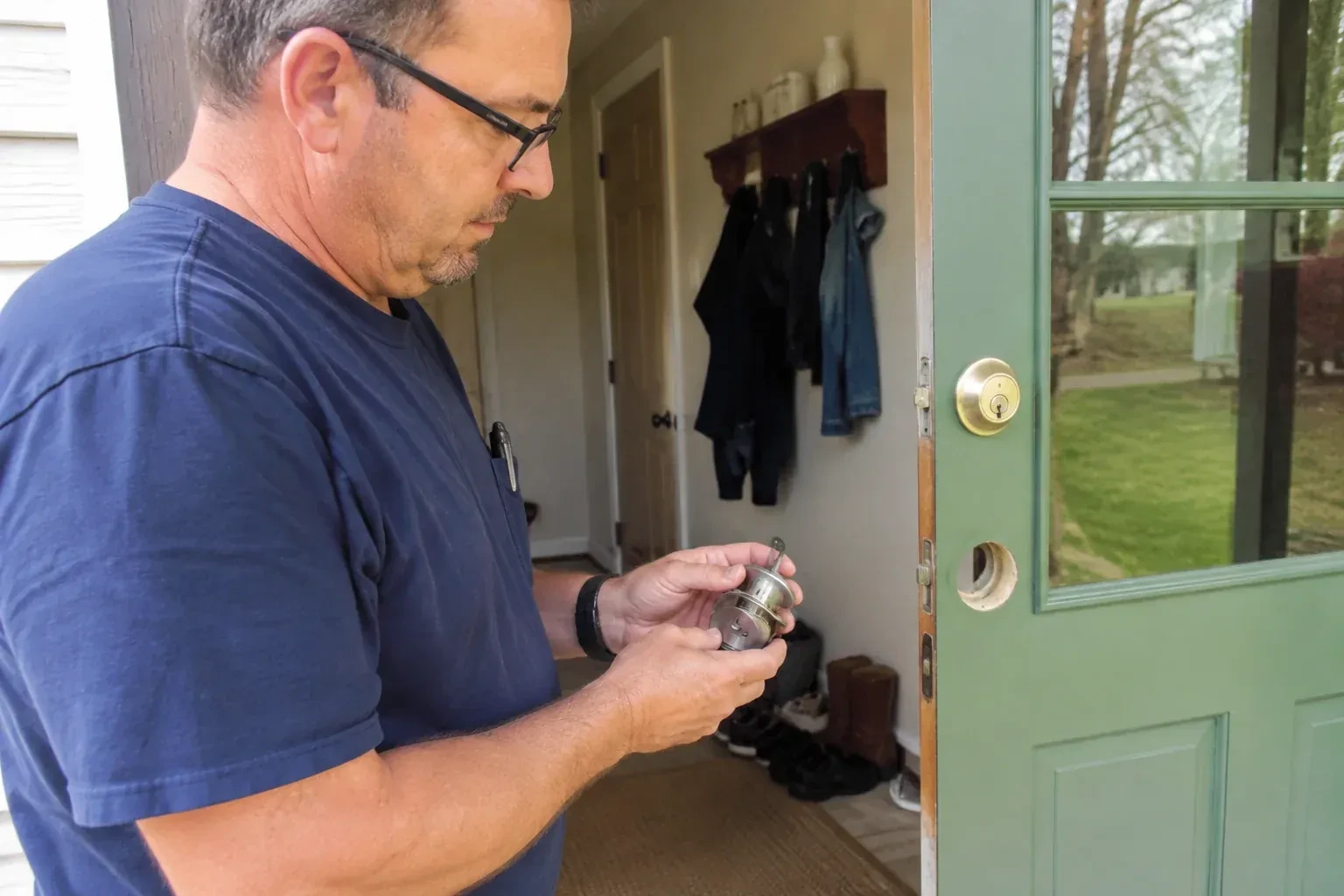
We keep doors in Ellesmere working through their whole life. Fit it, tune it, rekey it when people change, upgrade it when the household wants more. Because the same company does each stage, the second visit never starts from scratch: we already know the door, the frame and the finish, and we pick up where the last visit left off.
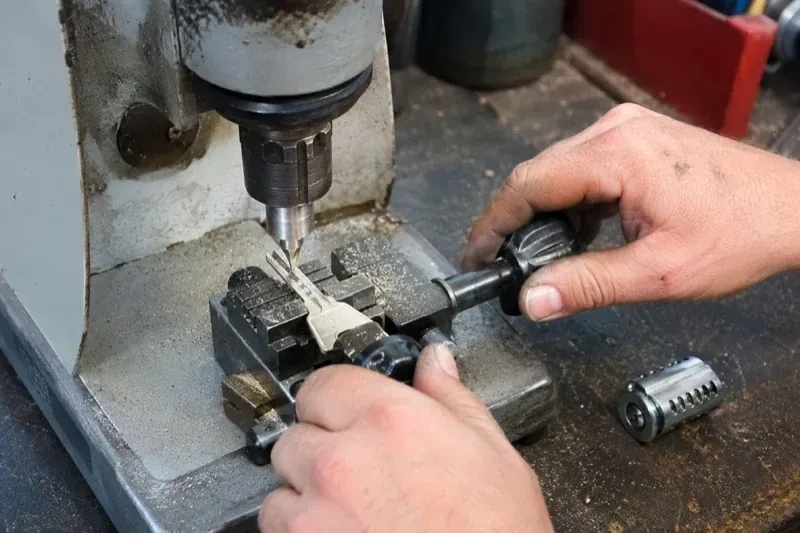
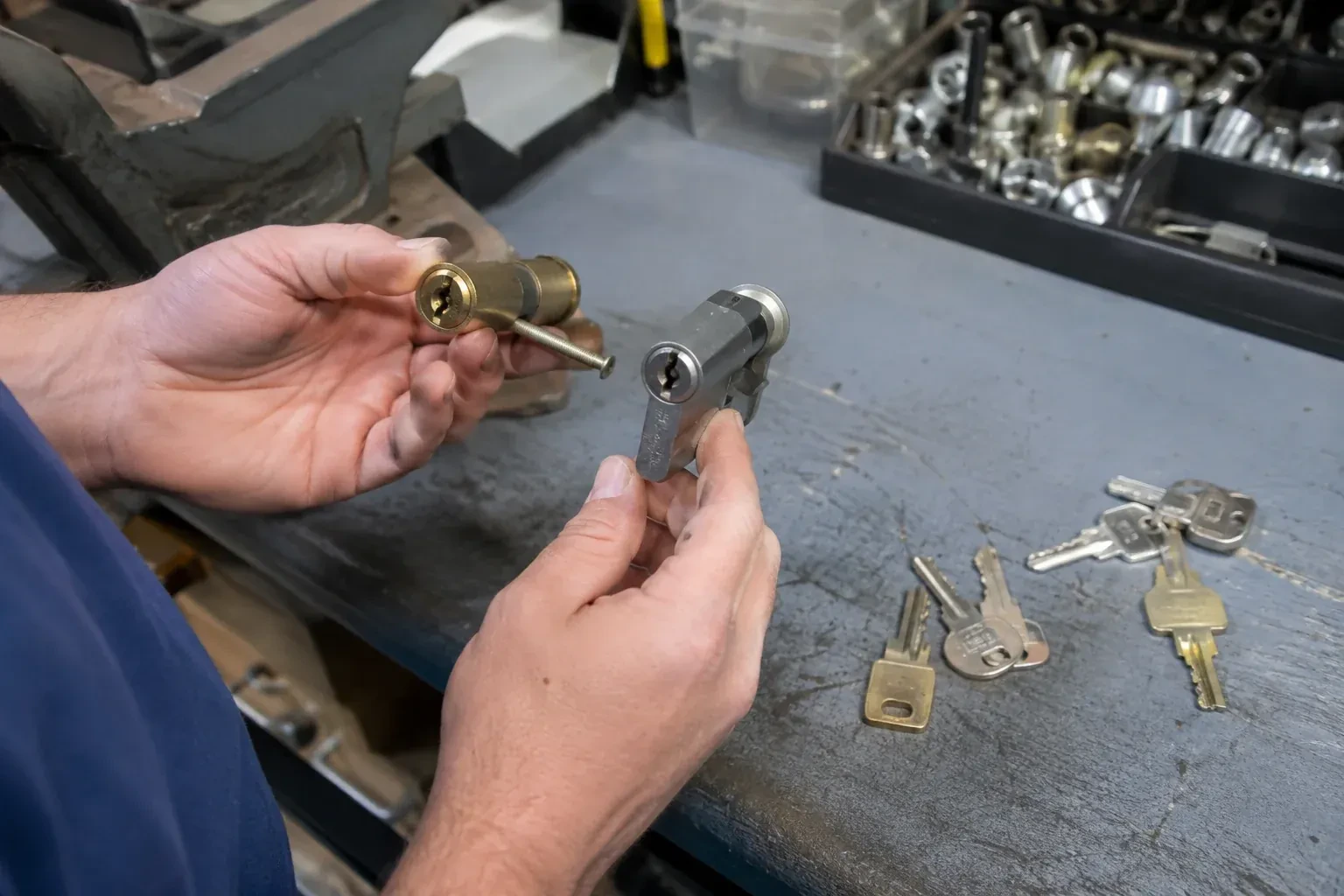
A key that snaps in the lock is a small crisis that happens to careful people all over Ellesmere. We extract the broken piece without harming the pins, cut a new key and check the cylinder for whatever caused the break in the first place. Often it is a worn key or a misaligned strike, and sorting that out means the new key lasts.
31years in business
24/7open every day
Questions welcomed. Ask about the lock, the method, the parts or the reasoning. A good explanation is part of the service, not a favour.
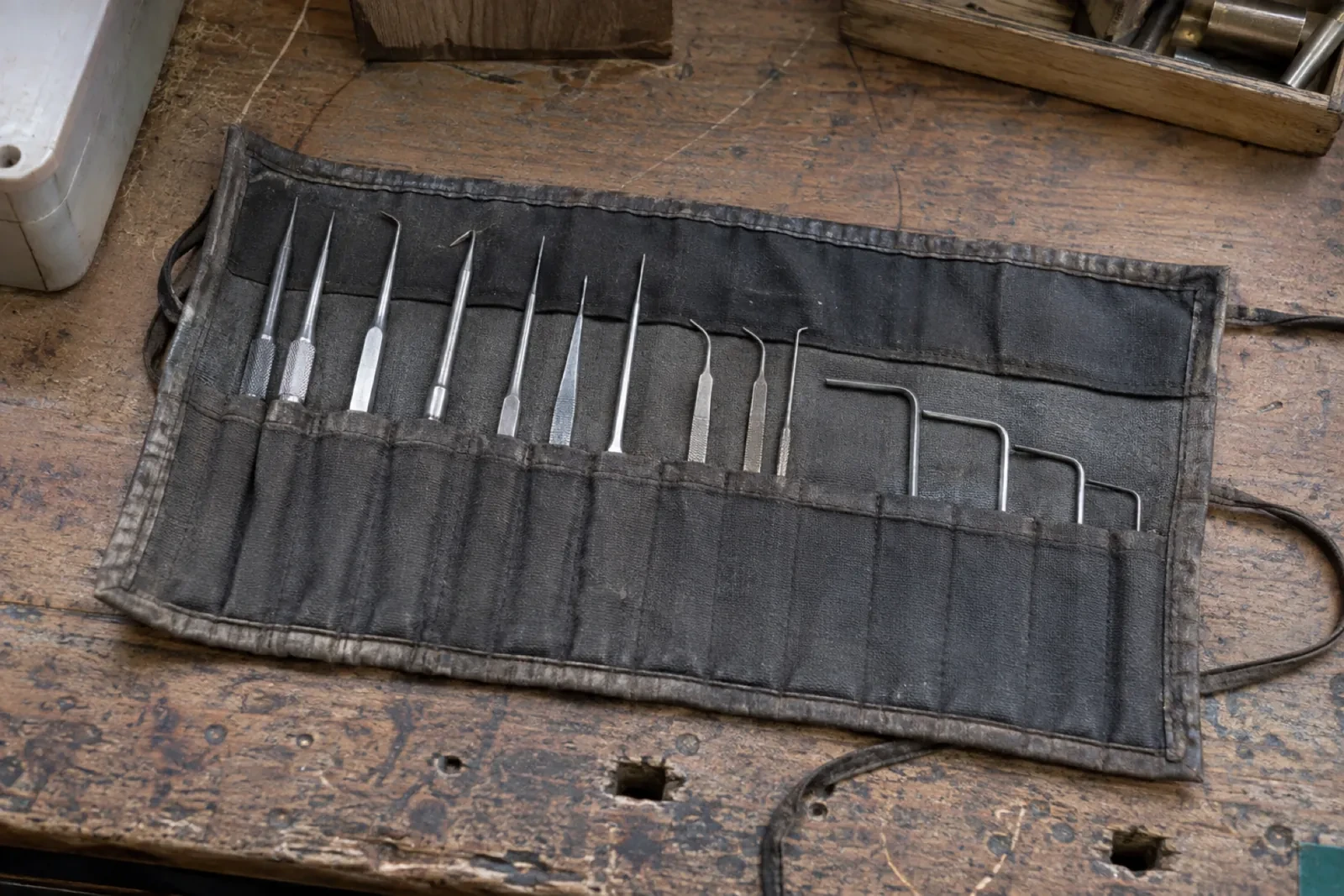
Nothing forced that could be finessed. We reach for picks and shims before drills, and we tell you if the lock has left us no gentle option.
Swept, wiped and working. Metal filings, drywall dust and old screws all leave with us. The lock is tested from both sides and the key handed over.
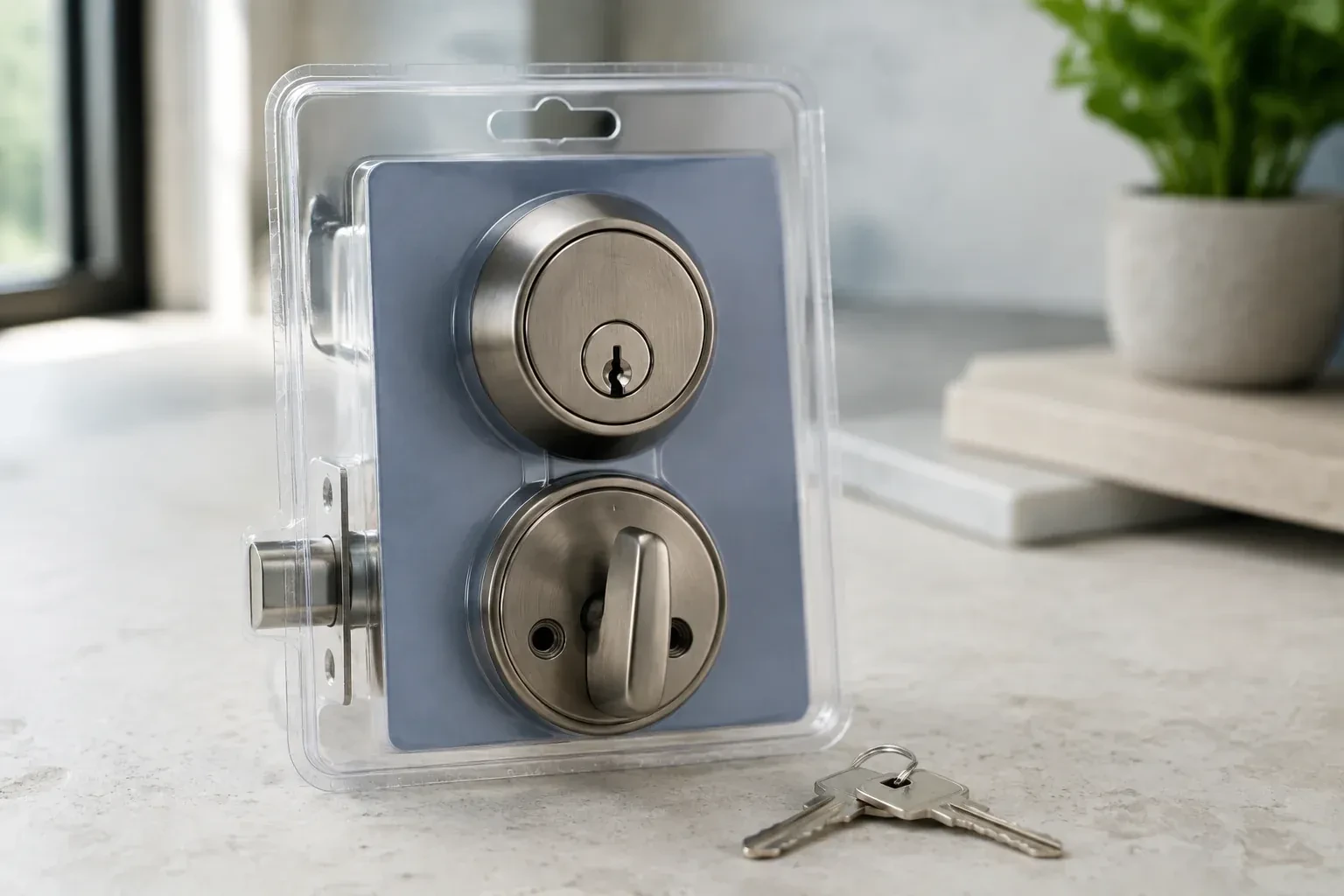
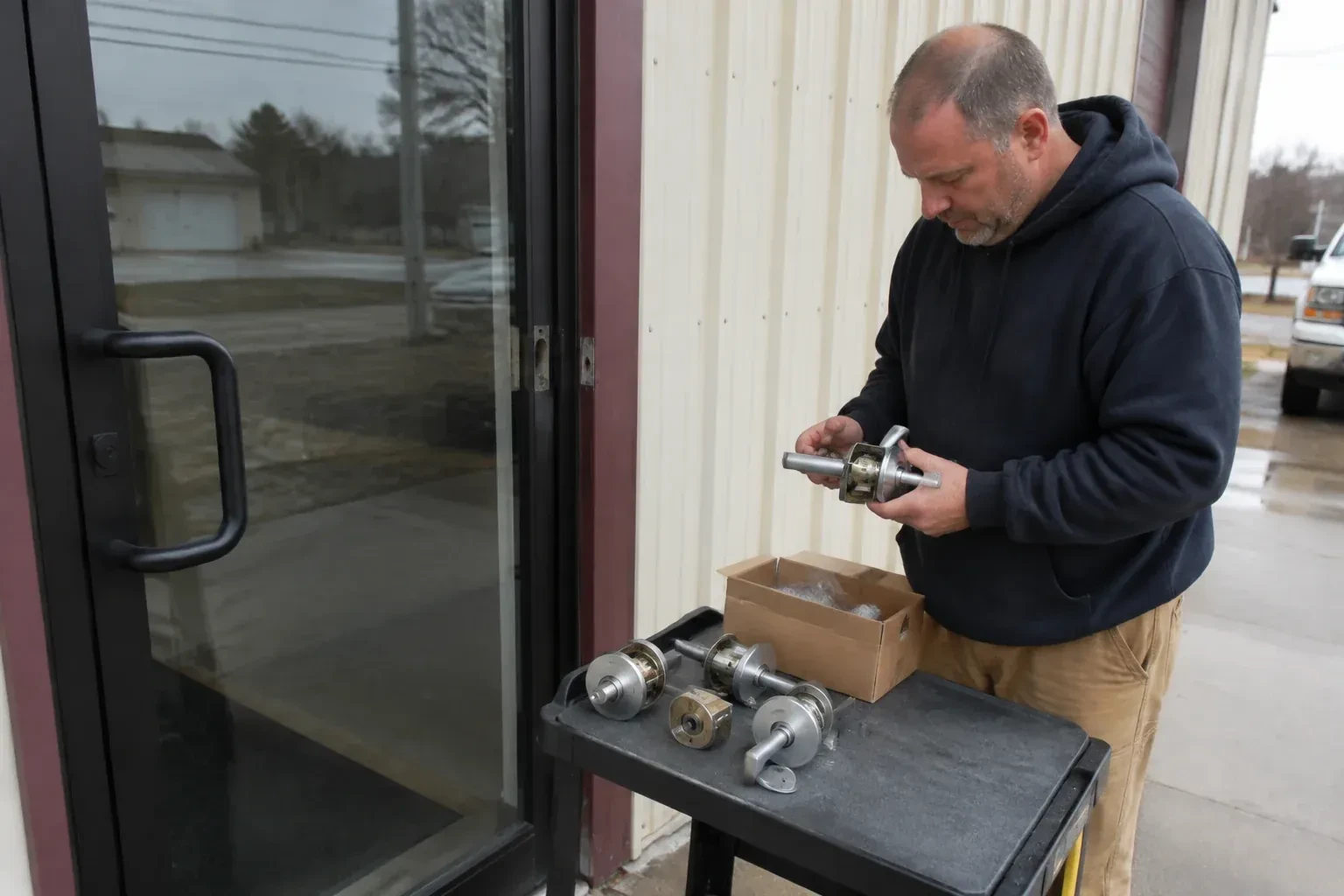
A locksmith's week in Ellesmere is a mix of small fixes and bigger decisions. A cylinder rekeyed after a lost key, a deadbolt added to a door that never had one, a shop rekeyed after staff changes, a safe that finally opens. The pages below describe each service and how the visit usually goes.
About 58% of homes in Toronto were built in 1980 or earlier, according to the 2021 Census.
Older homes
Established homes often have non-standard bores and backsets from an earlier generation of hardware. A locksmith working in such an area carries adapter plates and cylinders in the older sizes, so an upgrade fits the existing door instead of forcing a new one.
Single-detached houses make up about 23% of homes in Toronto (2021 Census).
Where most people live in townhouses, apartments or condos, doors come in two kinds: the suite door you control and the shared entrances the building manages. A locksmith works on your door freely and coordinates with management on the rest.
After a week of humid weather the back door has swollen in its frame. The key turns, you can feel the bolt trying to move, but it is jammed hard against the strike plate and the door refuses to open.
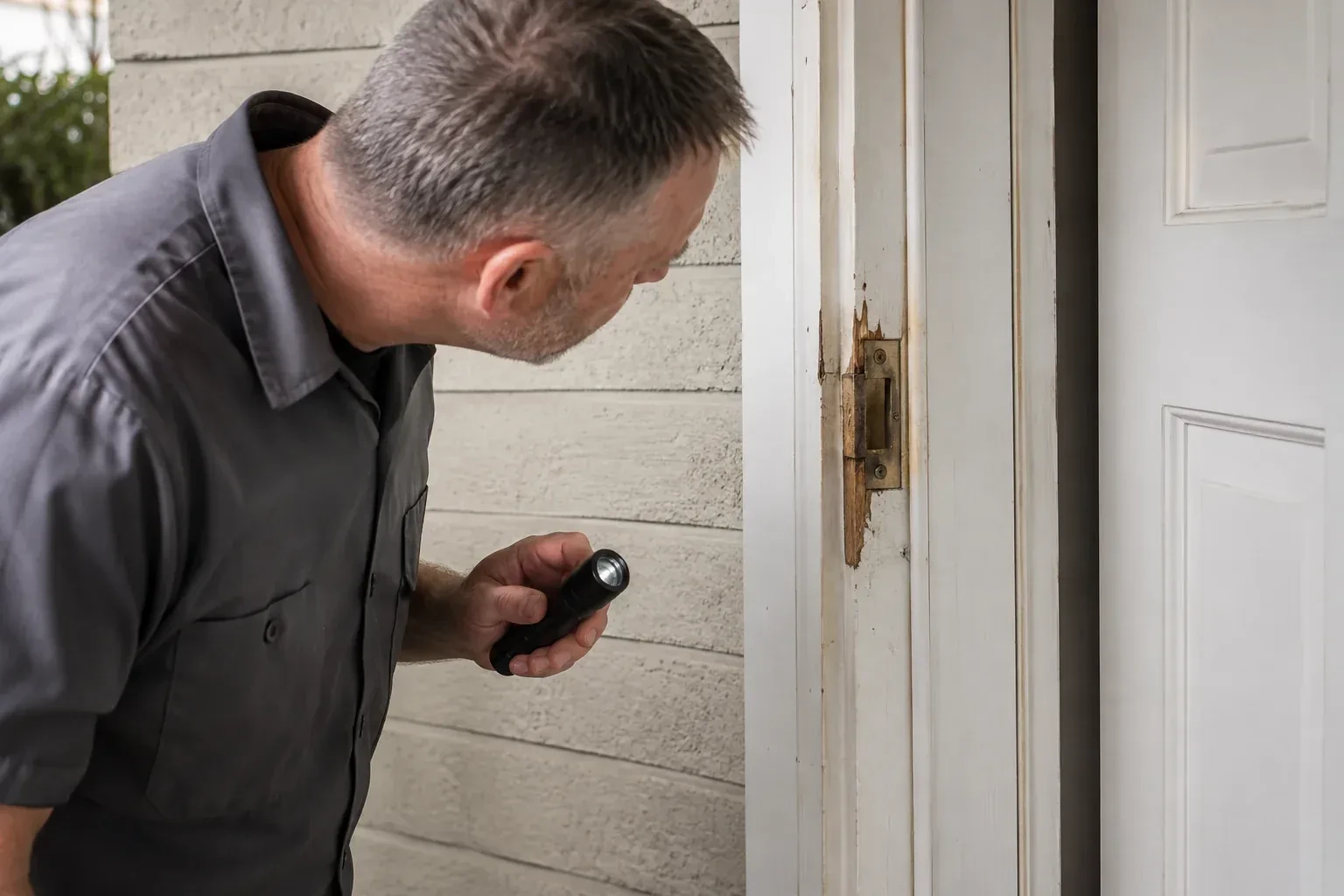
You came home to find the front door standing open. The deadbolt is still thrown, but the strike plate is dangling from one screw and a fist-sized piece of the jamb is lying on the hall floor.
You were shovelling the driveway after dark and the ring must have slid out of your coat pocket somewhere under a metre of snow. You have raked the whole bank with a flashlight. It will turn up in April, and you would rather not wait.
You moved in three weeks ago. The previous owner left a handful of keys, none labelled, and the bolt on the side door rattles in its housing. You would like every exterior door to bolt, and to know exactly who can open it.
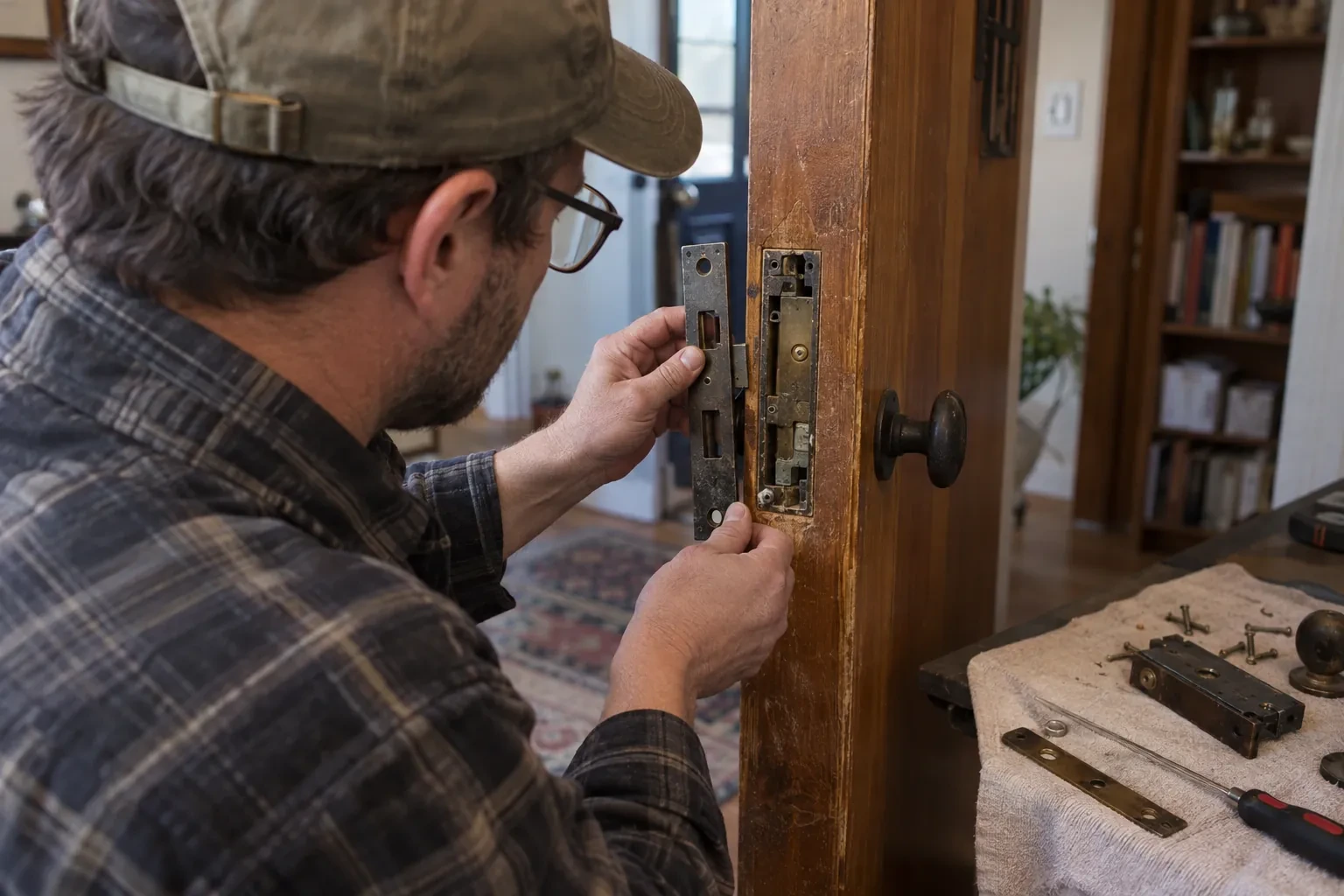
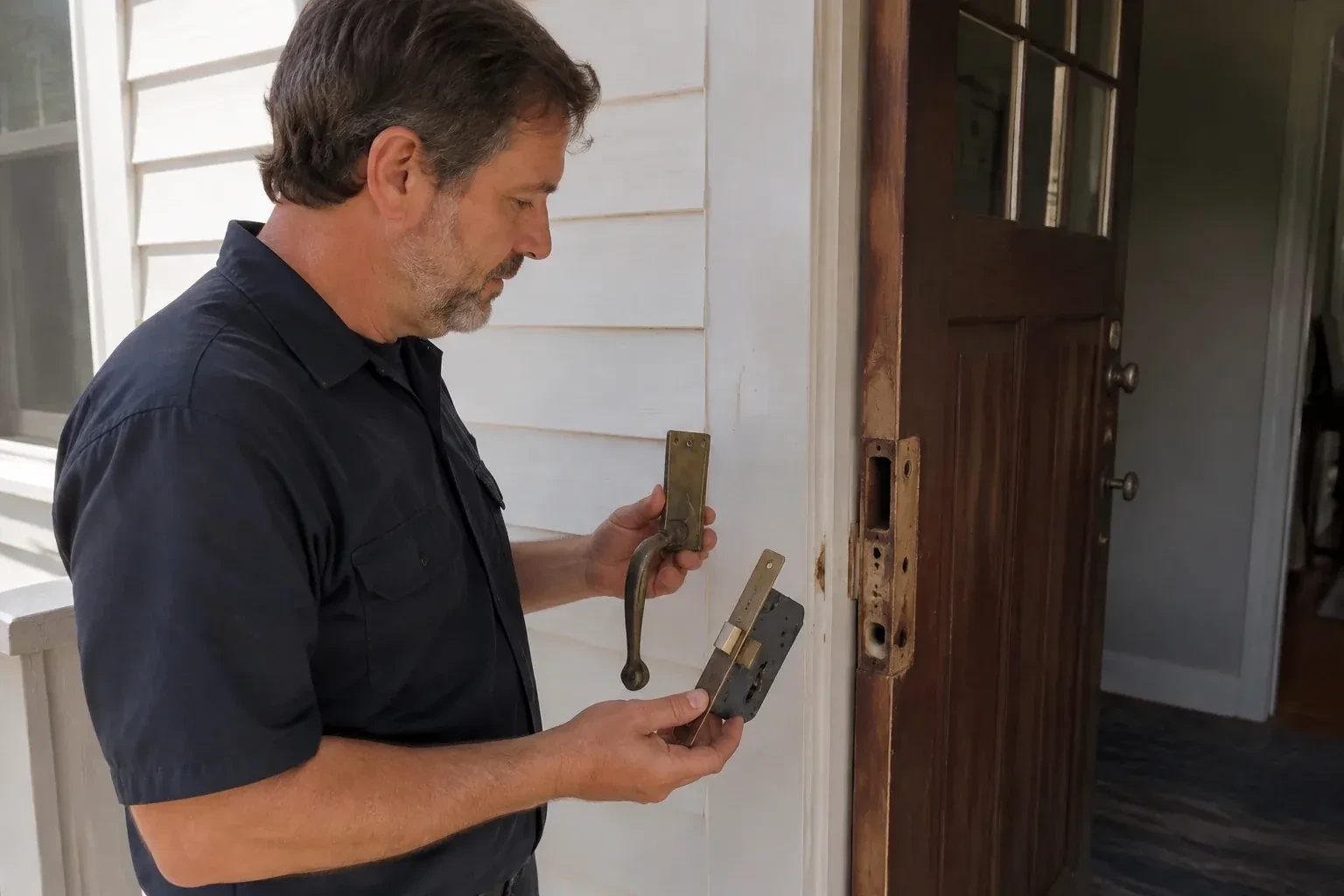
The century home's original mortise lock takes a key the size of a spoon, sticks in humid weather and has worn its strike to a groove. You want a lock that works every day without giving up the old door.
A visitor buzzes from the panel downstairs, someone presses the button by the door, and nothing happens. The electric strike on the lobby door used to click open on cue; now it stays silent, and residents are propping the entry with a folded flyer instead.
The only key to the car went into the lake with the kayak. Now the car sits locked in the driveway with a full tank, and there is no spare in the house, in a coat pocket or anywhere else.
A scrape sits beside the ignition slot, left by whoever tried the vehicle overnight in the driveway. The key that used to start it now does nothing at all, and the housing itself feels looser than it should.
After a winter under a cover, the steering lock will not budge. The key seats fully in the barrel, but turning it meets a wall of resistance that no amount of wiggling moves past.
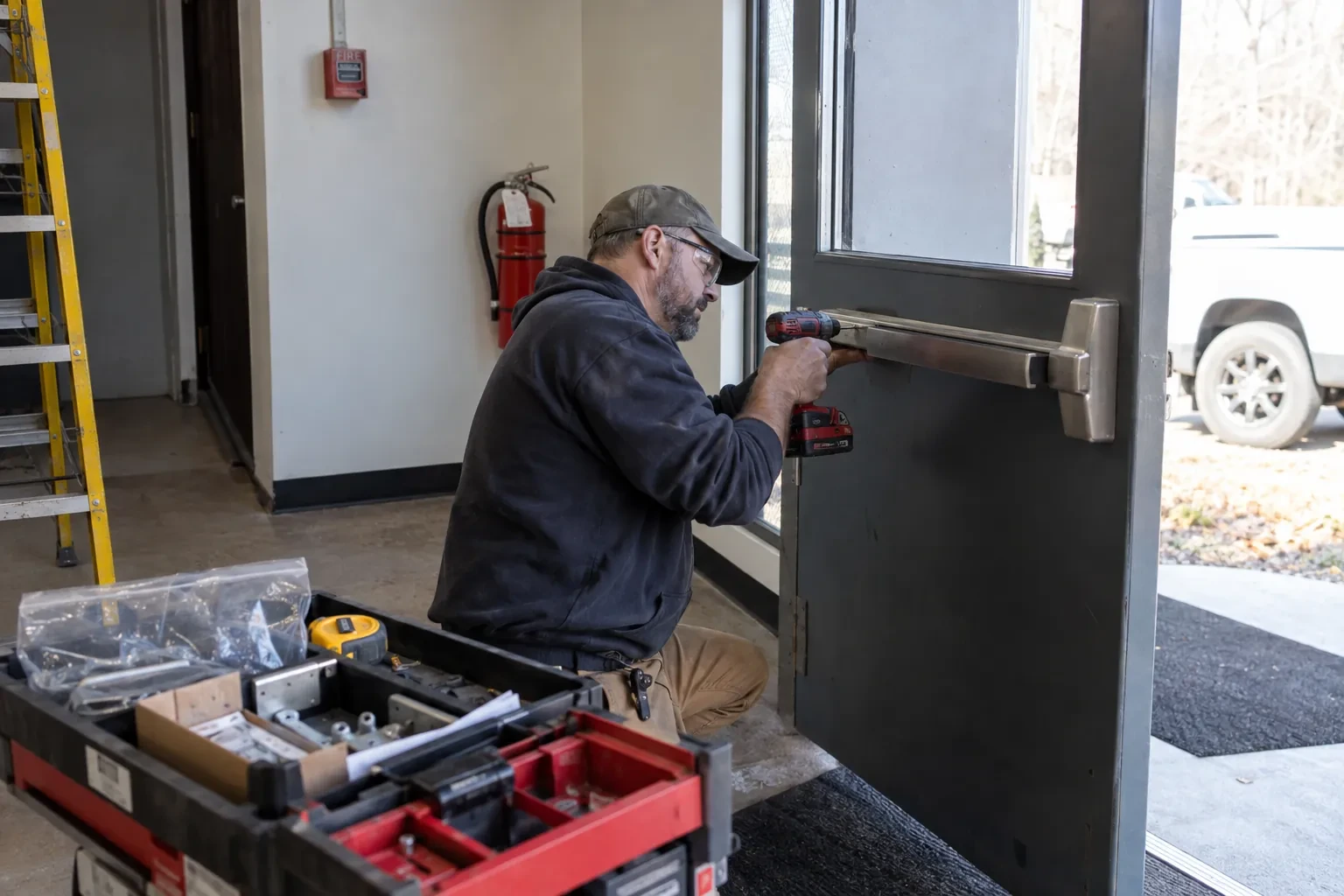
Keys for a business should be a record, not a rumour. Master key systems and restricted keyways make it possible to know how many keys exist and who holds each. The commercial pages explain how we set that record up and keep it accurate.
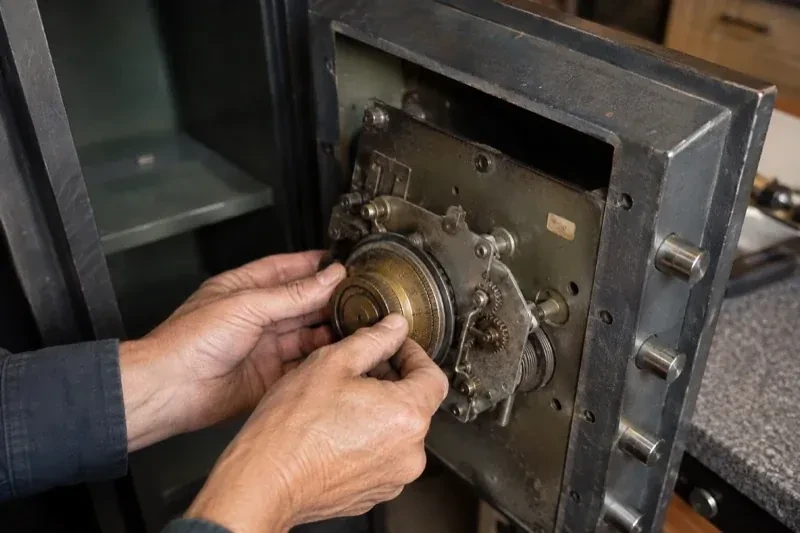
Pry marks circle the dial after an overnight break-in attempt, and the safe now refuses every number that used to open it, as if something inside has locked itself down.
The office is moving three blocks over, and the old commercial safe that has sat bolted to the concrete for fifteen years now needs to come out, travel across town, and go back down just as solidly.
Which fix fits?
After a week of humid weather the back door has swollen in its frame.
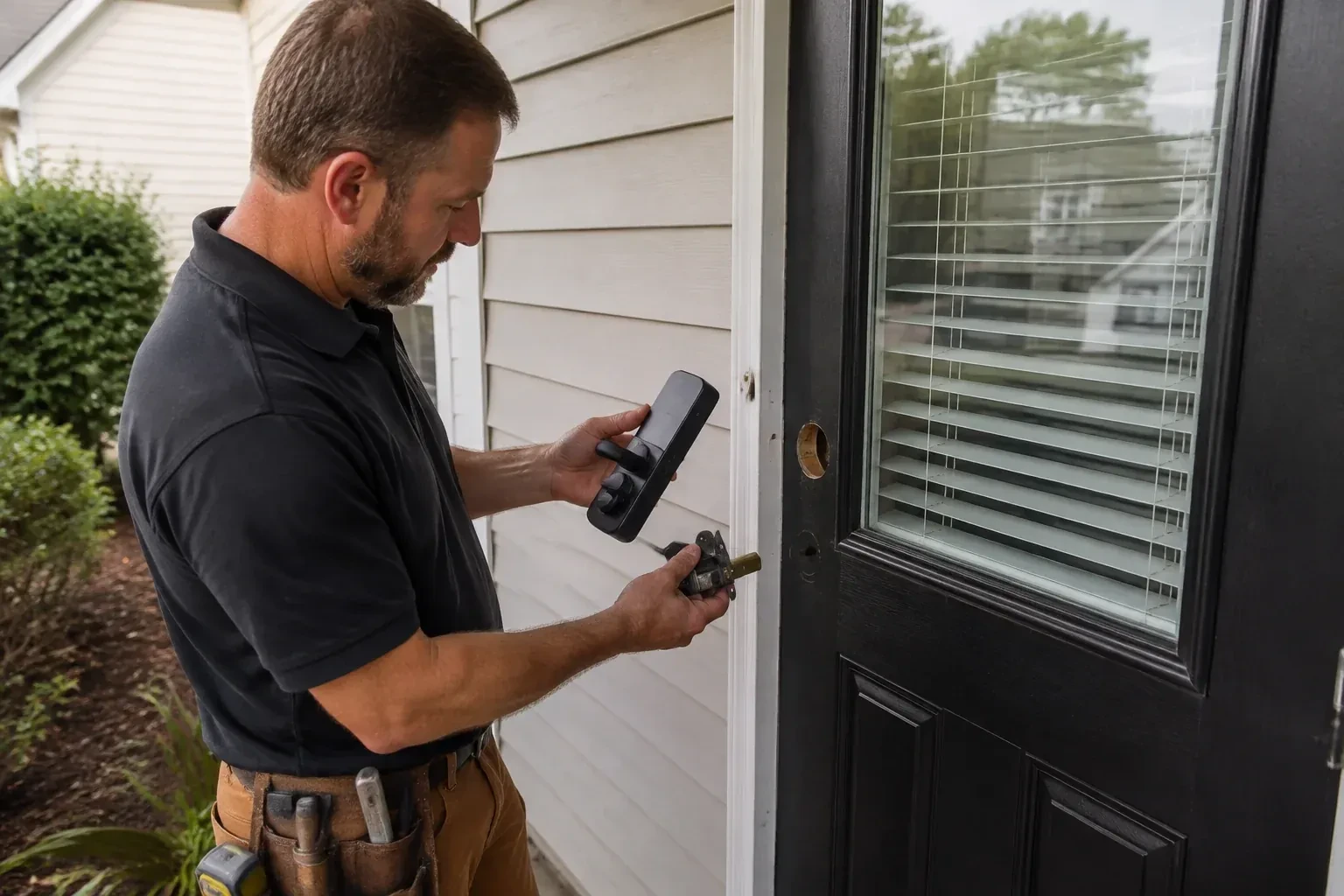
WhySteel-clad and fibreglass doors, the common insulated entry doors in newer subdivisions, take a deadbolt happily as long as they are cut for it properly.
The century home's original mortise lock takes a key the size of a spoon, sticks in humid weather and has worn its strike to a groove.
WhySome building entries add a buzzer, a keypad or an electric strike to the mechanical lock, and any one of those pieces can be the reason a door stops releasing on cue.
The only key to the car went into the lake with the kayak.
WhyWhether the key won't insert, won't turn, turns without engaging anything, or is stuck and refuses to come back out, each version of the symptom points toward a different part of the mechanism.
After a winter under a cover, the steering lock will not budge.
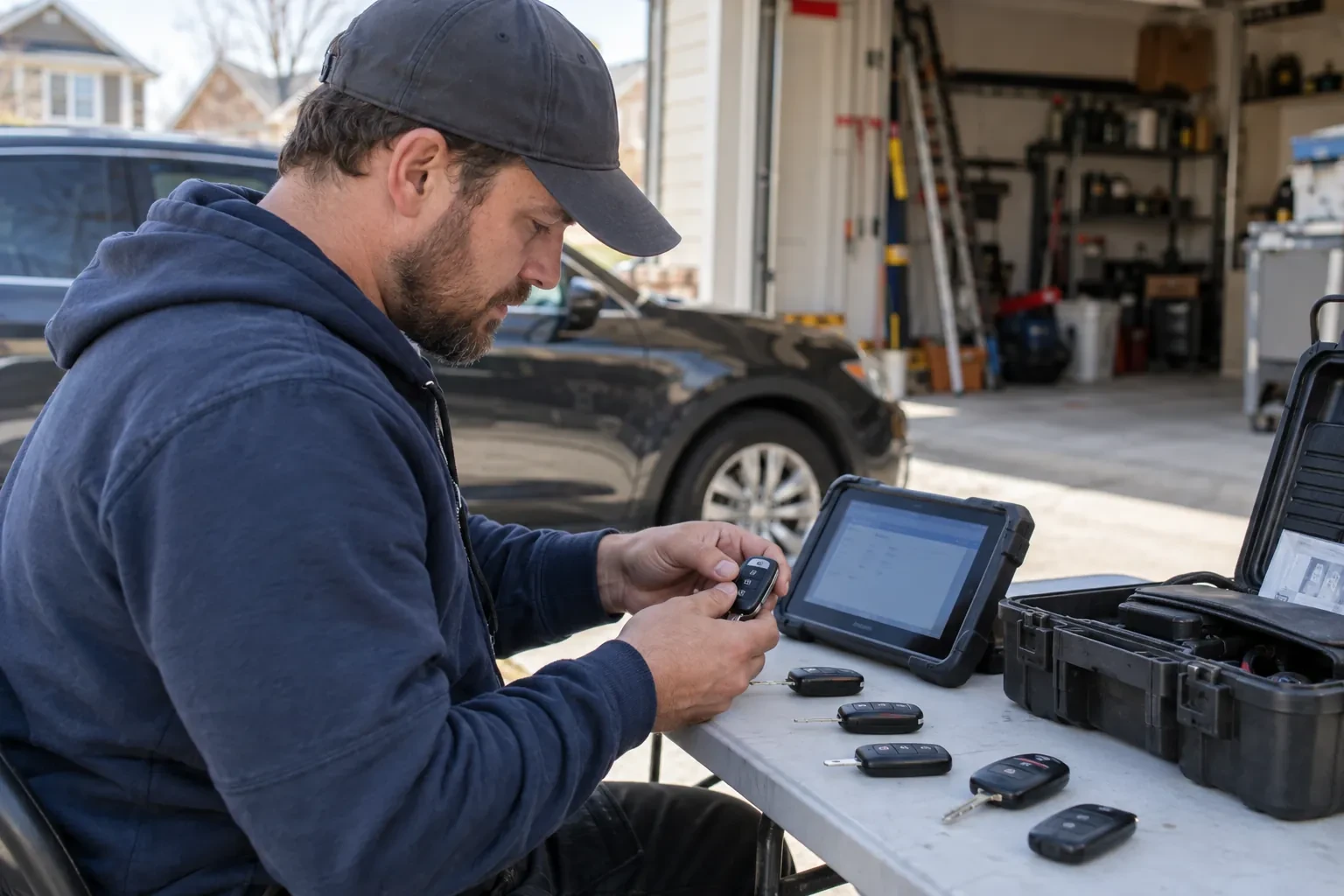
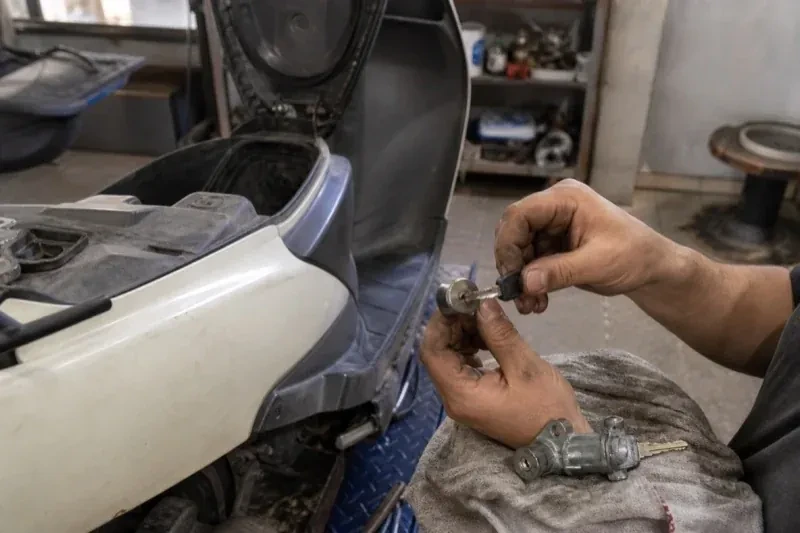
WhyMotorcycle and scooter key service is the work of producing a key that a two-wheeled machine will actually accept, whether that means cutting a plain blade, decoding an ignition lock with no key at all, or programming a transponder that talks to the engine control unit.
How a visit goes
Describe the property, the hardware and what has changed, and the visit starts from what you have seen.
1
2
3
01
Walking the building together
We visit each door on the plan and talk about who uses it, how often and at what hours. Wiring routes and power are checked at the same time.
02
Installing readers and locks
Readers, electric strikes or maglocks and the controller go in with cables hidden where the building allows. Every door is tested for release and re-locking.
03
Setting up users and handover
We add the first users, show your administrator how to add and remove people, and leave written notes so the system is yours to run.
In most residential lockouts the lock is untouched. Picking, decoding and latch tools operate the mechanism the same way your key does, so there is nothing to repair afterwards. A drill only appears when a cylinder is seized, plugged by a snapped key or engineered against picking, and you hear about that before it starts. Should it come to that, replacement hardware goes on before the locksmith leaves so you lock up normally that evening.
Do longer screws really make a difference?
A large one. Factory strike and hinge screws are usually short enough to grip only the jamb, a piece of trim about an inch thick. Three-inch screws pass through the jamb and the gap behind it into the stud, so a blow has to move the wall rather than the trim. Lock manufacturers supply reinforcement plates with three-inch screws for exactly this reason, and note that a door beside a sidelight needs a different arrangement because glass sits where the stud would be.
Do I have to prove I live here before you rekey?
Yes, and it is a step that protects you. A rekey changes who can open the door, so the locksmith confirms the person asking has the standing to decide: photo identification matched to the address for an owner, a lease or bill for a tenant, management records for a superintendent or property manager. Say on the phone what you have so the visit starts smoothly.
What happens during the visit, step by step?
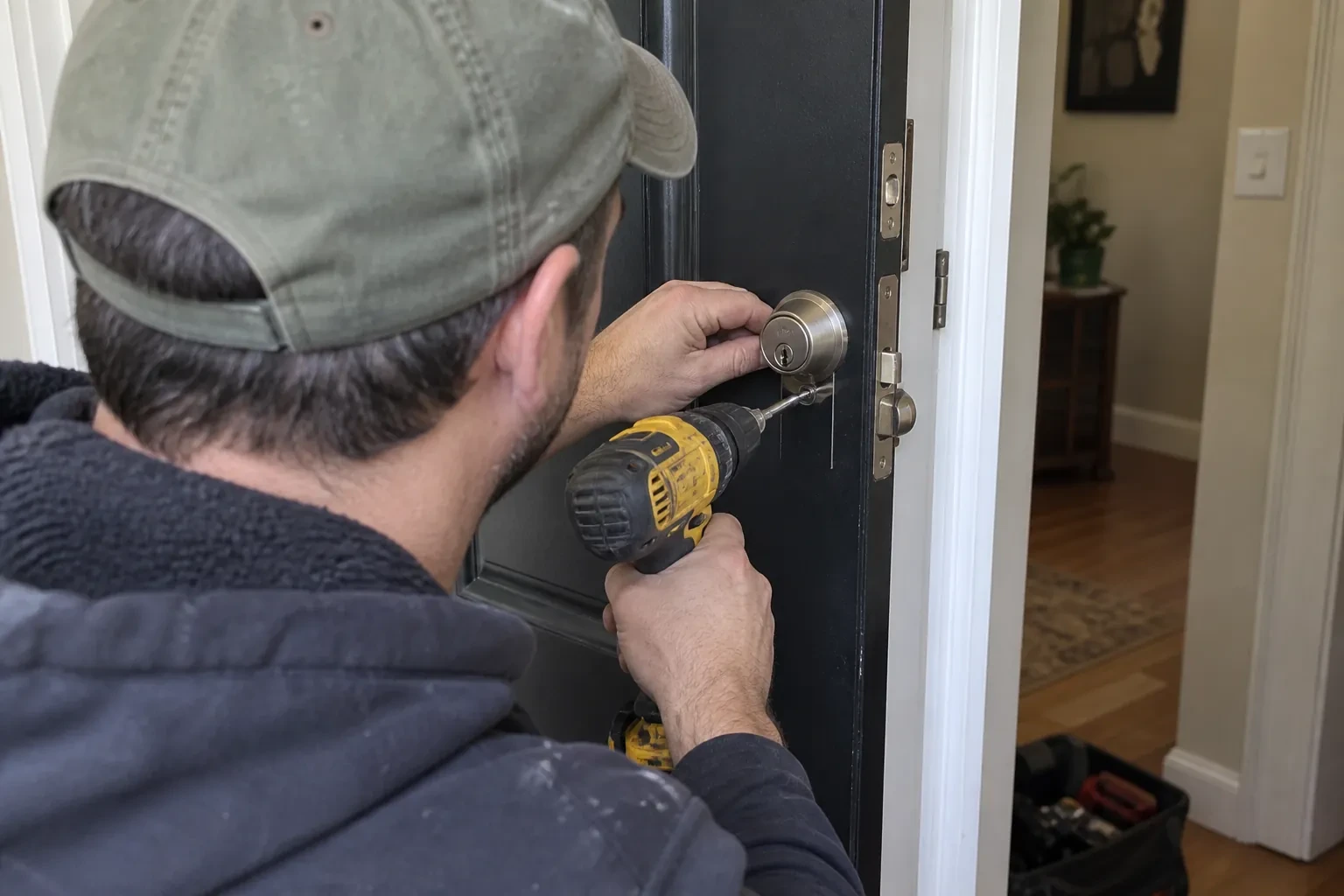
The locksmith looks at the door, frame, glass and hinges, measures the bore and backset, and confirms the hardware and key plan with you. The door is bored or the old lock removed, the bolt is set to the backset, and the cylinder and thumb-turn are assembled. The strike position is marked from the bolt itself, the pocket bored, and a reinforced strike fastened into the framing. Everything is tested open and closed, keys are cut and tried, and the area is vacuumed.
Can every door in the house work from one key?
Yes, provided the cylinders share a compatible keyway, which the locksmith checks when choosing hardware. New cylinders are pinned on site to a single new key and any existing locks worth keeping are repinned to match. Front, back, side and garage doors commonly end up on one key, and a shed or gate padlock can join them. You then decide how many copies exist and who holds each.
How long does a gate or building entry lock visit usually take?
It depends on what the assessment finds once the locksmith is looking at the actual hardware. A single gate lock that only needs adjusting or rekeying is a shorter visit than one where the closer, hinges and post all need attention, or where several gates on a property are being brought onto one key. Electronic hardware such as a buzzer or electric strike adds its own testing time. The locksmith can give a closer sense of the scope once the gate or door has been examined in person.
Can a key be made for an older car with no chip?
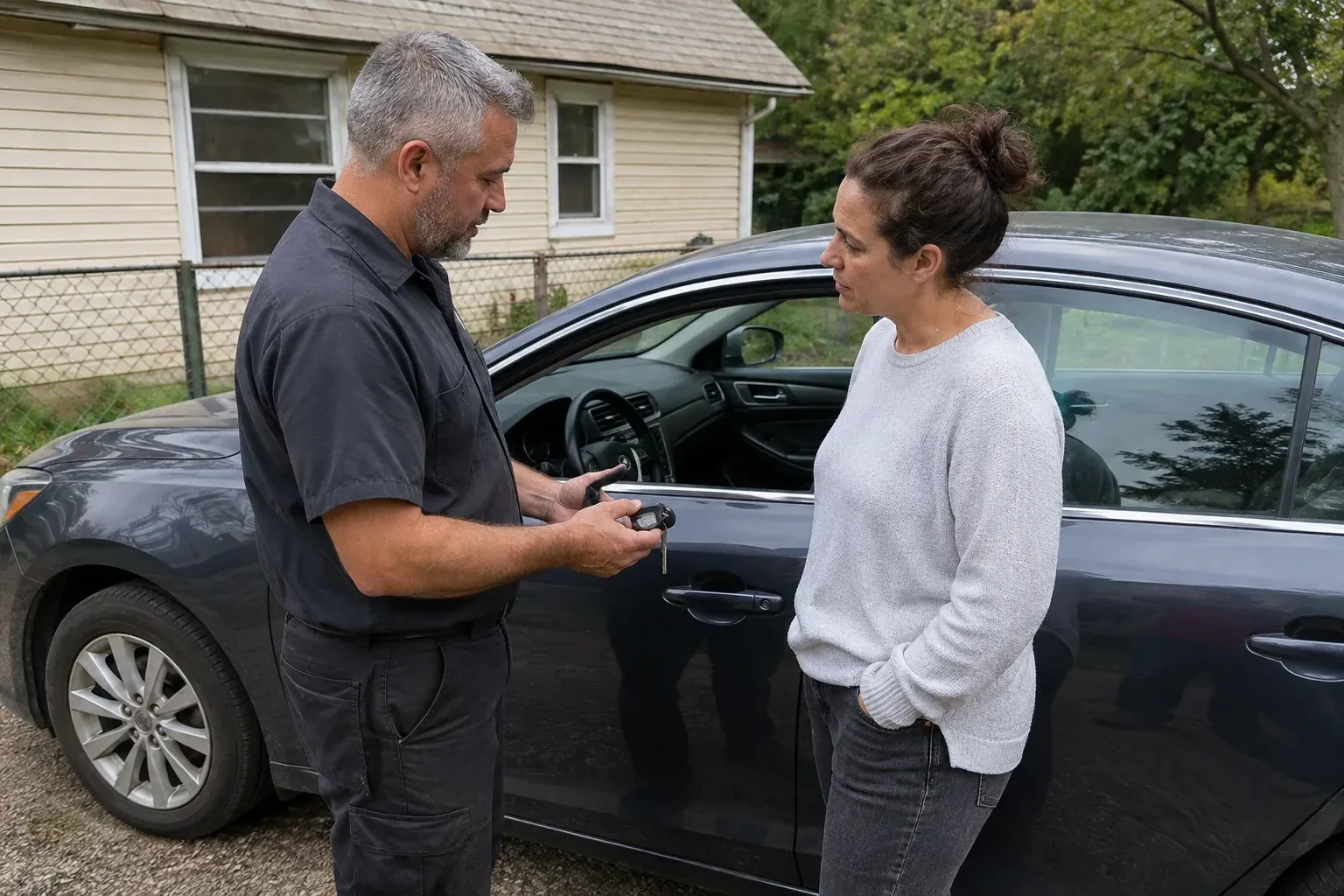
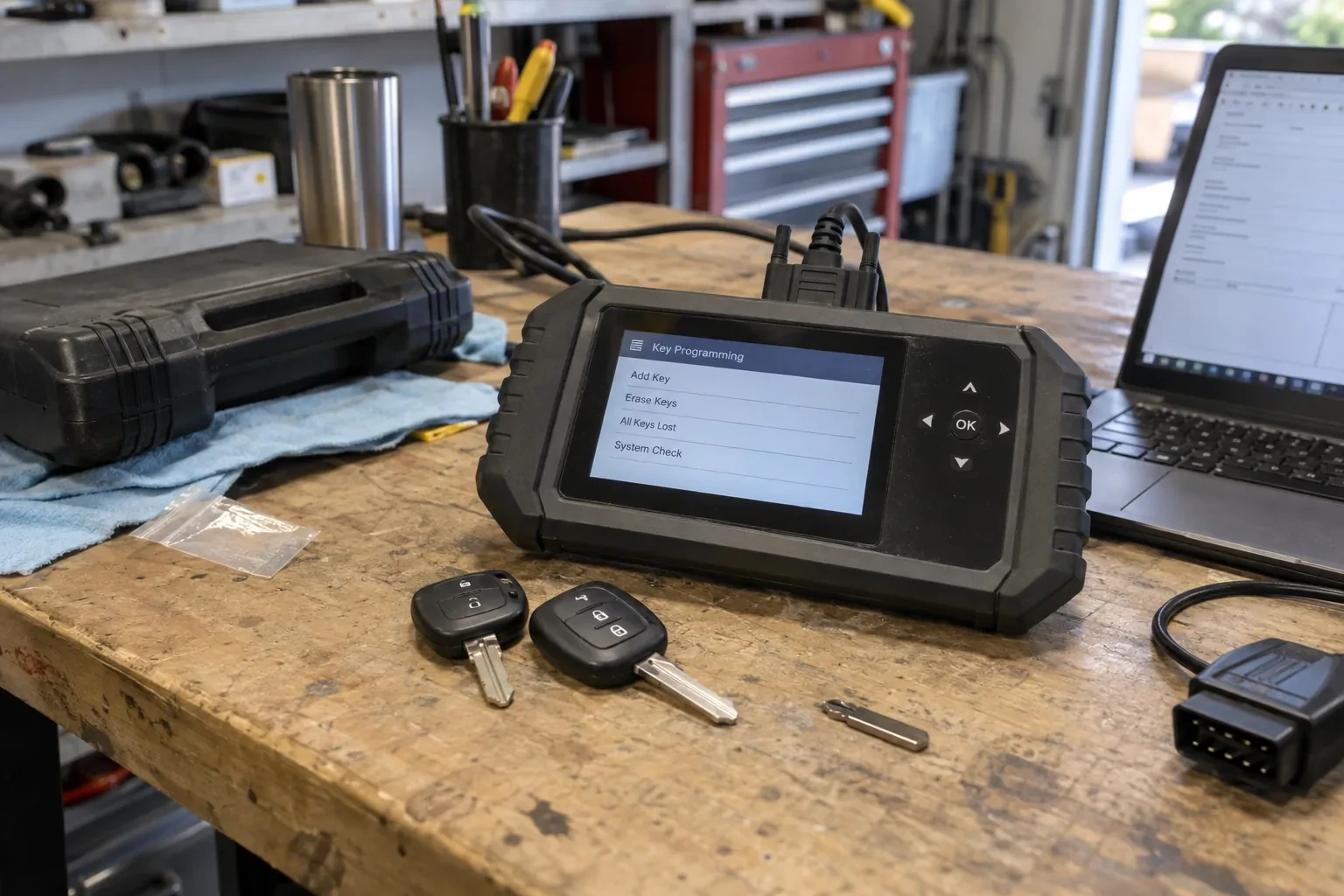
Yes, for a vehicle that genuinely has no immobilizer, checked by VIN and equipment rather than assumed from age, since several early-2000s vehicles already shipped with a factory immobilizer and coded key. Where that is the case, it is the simplest key work there is: a blade cut to the factory code from the VIN or to a reading of the door lock, rather than copied from a worn original. If the ignition has become sloppy, the locksmith can rebuild it in the same visit.
How many keys will I leave with?
That depends on what you ask for and what the vehicle already has. A single working key is enough to drive away, but most people ask for at least one spare cut and tested at the same time, especially if the visit started because the only working key had worn down badly or snapped off inside the ignition altogether.
What should I have ready before you arrive?
The make, model and year if known, the VIN if it is accessible, which locks are involved, and whether the engine cranks but does not start, which can point toward an immobiliser issue among other ordinary starting-system causes. Mentioning whether any key at all still exists, even a broken or poorly cutting one, changes what equipment comes along, since working from a key is a different job than decoding a lock with nothing to reference.
Request a visit
We keep doors in Ellesmere working through their whole life. Fit it, tune it, rekey it when people change, upgrade it when the household wants more. Because the same company does each stage, the second visit never starts from scratch: we already know the door, the frame and the finish, and we pick up where the last visit left off.