Change or rekey · Ellesmere
Lock Replacement & Upgrade in Ellesmere
The house is fifteen years old and every exterior door still wears the light hardware the builder fitted: a short bolt, a thin strike held by two small screws, and a knob lock that never suited a street entrance.
In plain words
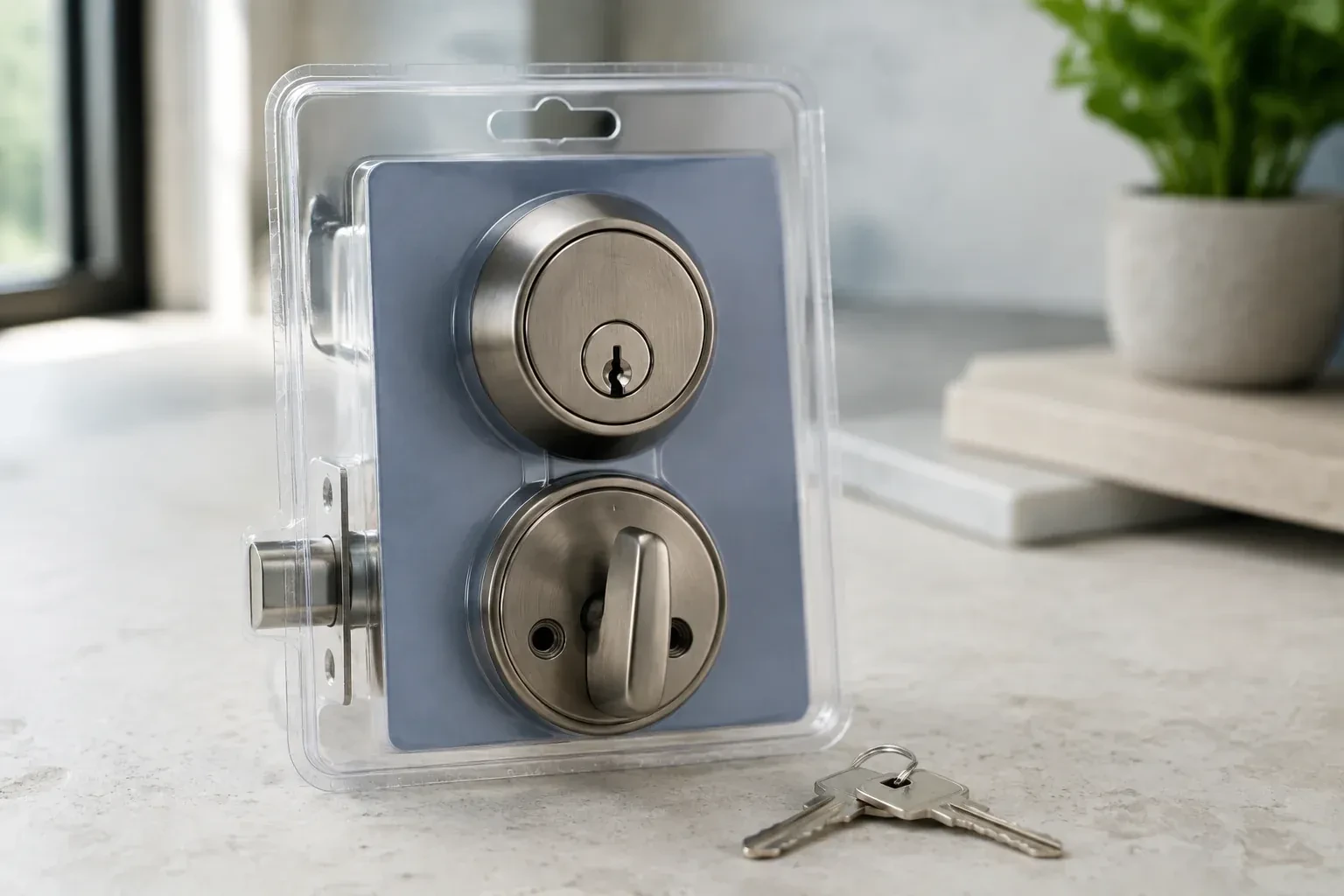
After a break-in or an attempt, the door tells a story, and the new hardware should answer it. Splintered wood around the strike means the jamb gave before the lock did, so the repair pairs a heavier deadbolt with a reinforced strike and 75 millimetre screws that reach the framing behind the jamb. A bent bolt or cracked housing is replaced with a graded deadbolt whose bolt has a hardened core. A knob lock that was bumped or forced is swapped for a set with better pins. The aim is a whole opening that resists force, not merely a shinier lock.
How the visit goesThe century home's original mortise lock takes a key the size of a spoon, sticks in humid weather and has worn its strike to a groove. You want a lock that works every day without giving up the old door.
Lock Replacement & Upgrade
How the visit goes
Function, and the way out
Each door has a job, and the hardware should match it. The main entrance needs a keyed deadbolt with an interior thumb-turn so anyone inside can leave without hunting for a key. A door with glass beside it is better served by a reinforced strike and glass protection than by a keyed cylinder on the inside. Interior doors may want passage, privacy or a keyed function, and a lever suits hands that find a knob awkward. Sorting function out first keeps looks from overriding how the door has to work.
Taking the old hardware off without harm
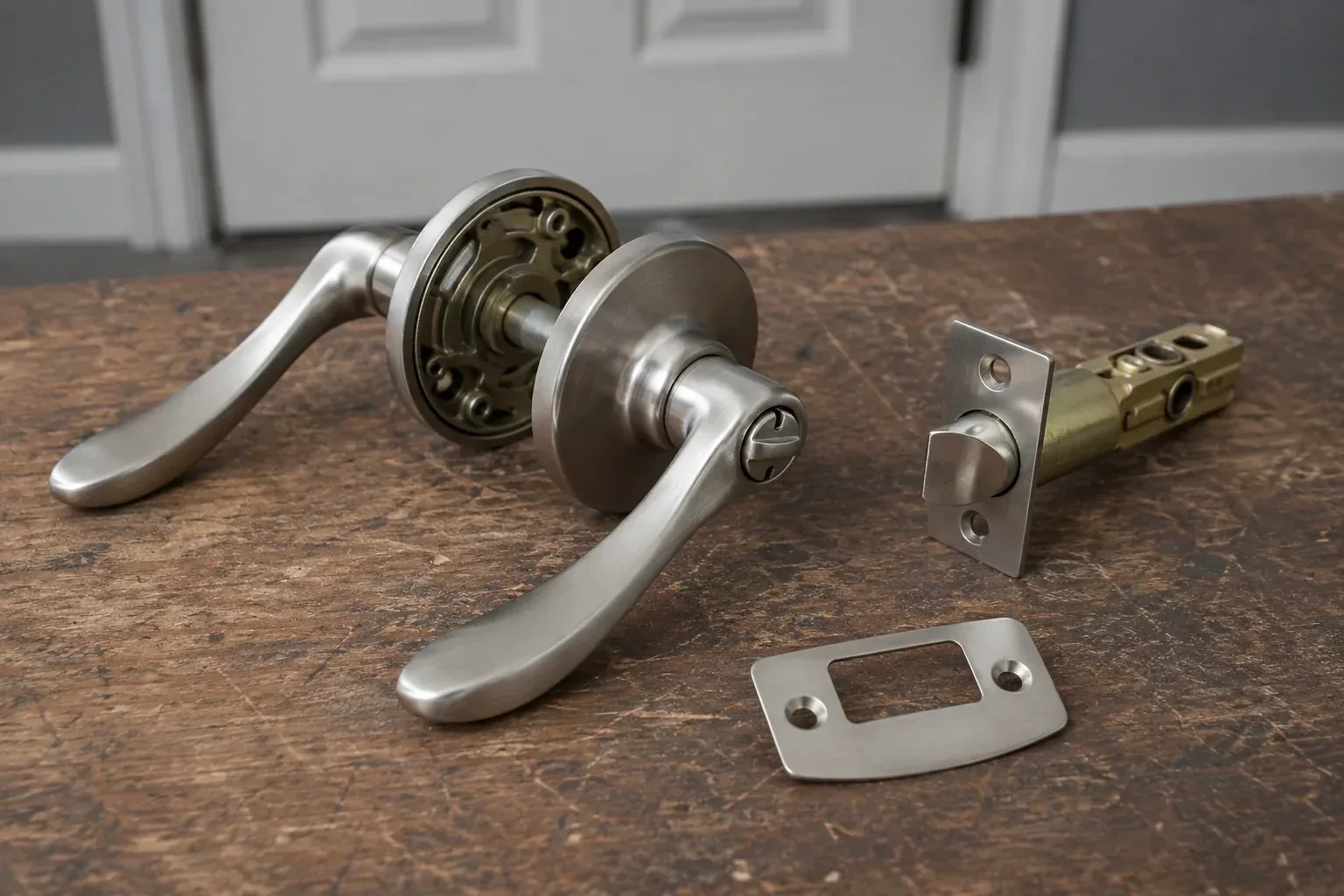
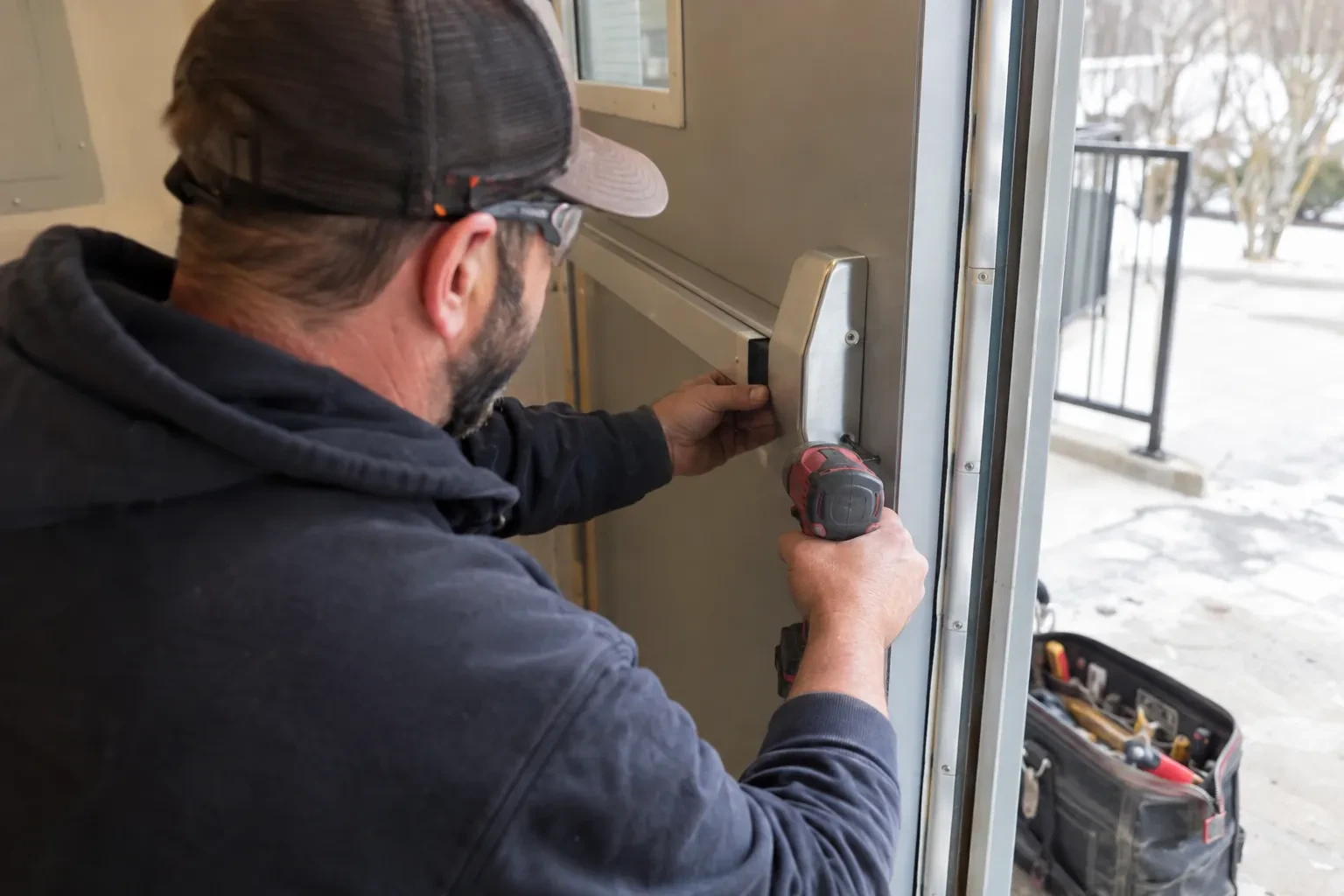
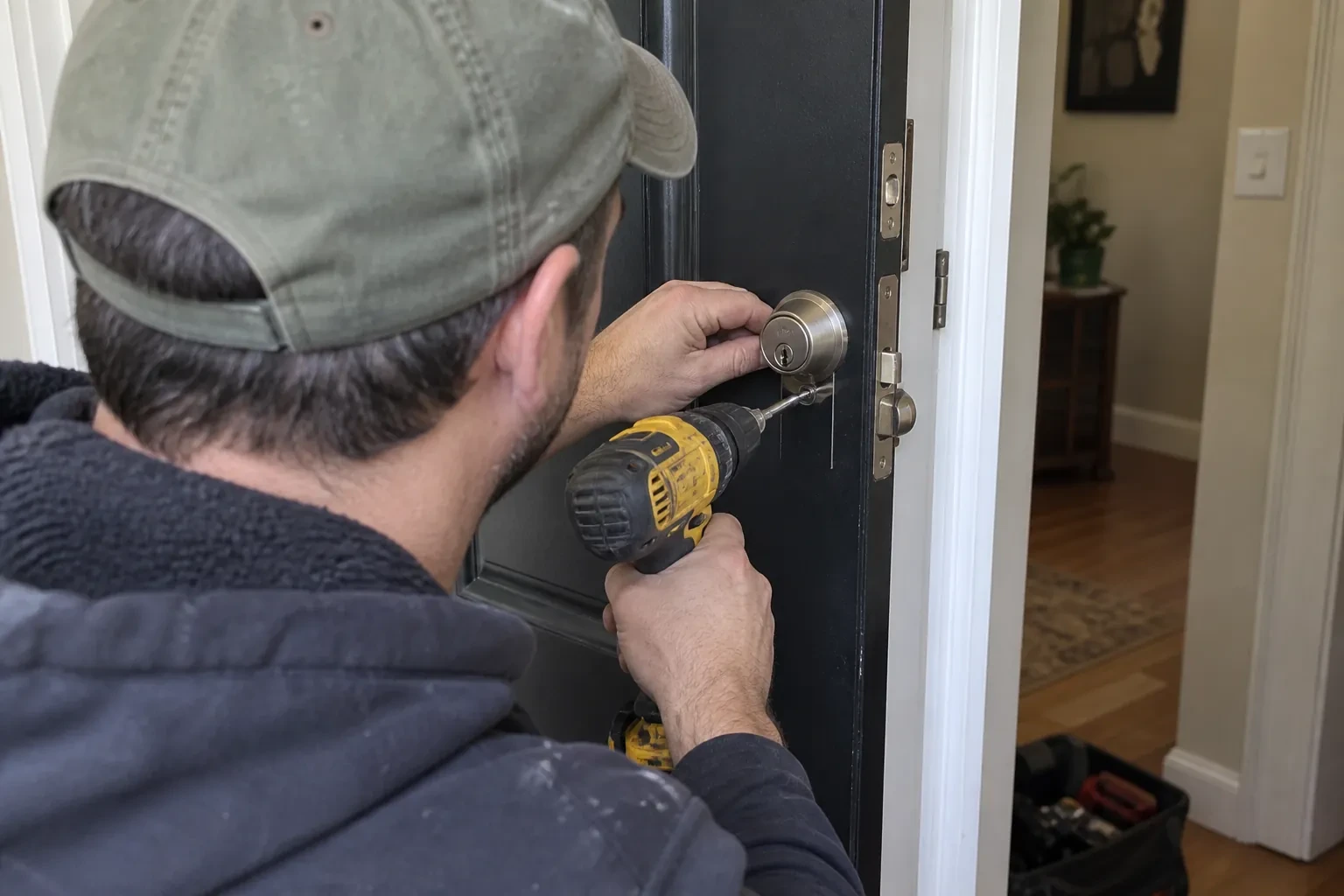
Removal is done with the same care as fitting. Interior trim screws come out first, then the interior rose or thumb-turn, and the exterior housing lifts away with its tailpiece. The latch or bolt slides out of the edge bore once its two faceplate screws are released, and the old strike comes off the jamb. Painted-over screws are scored free rather than forced, seized screws are eased with a hand driver of the right size, and a stripped head is drilled out only as a last step. The bore and edge mortise are then cleaned of paint build-up and debris so the new parts seat properly.
Every lock tried the way you will use it
Before the tools go back in the van, each lock is operated from both sides with the door open, then closed, then closed hard against the weatherstrip. The latch should catch on its own when the door swings shut, the deadbolt should throw to its stop with a fingertip on the thumb-turn and no shoulder on the door, and the key should turn without lifting or jiggling. You are invited to try each one yourself and to lock up behind the locksmith. Anything that felt marginal has been adjusted, so the door you close that night behaves the same as the one you tested.
Lock Replacement & Upgrade
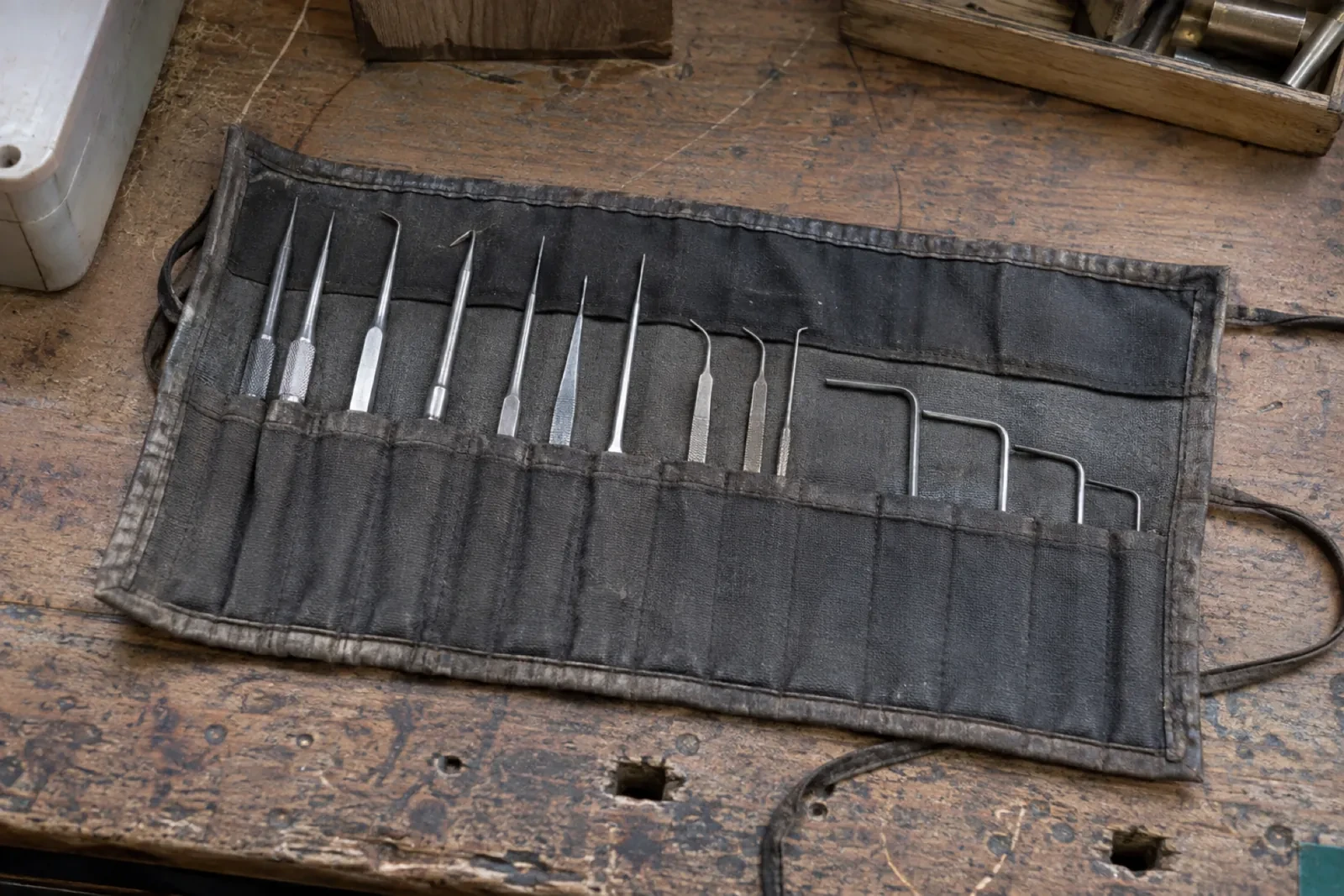
In the van
Reinforced strike plate and strike box
75 millimetre strike and hinge screws
Manufacturer-approved cylinder lubricant
Cylinders, plug follower and pinning kit
Graded deadbolt
Lock Replacement & Upgrade
What affects the quote
Type of lock
A knob set, a lever, a deadbolt, a full handleset with deadbolt above, a patio door lock and a keypad or smart deadbolt each carry a different hardware cost and take different time to fit.
Keying alike and rekeying
Pinning new cylinders to one key and repinning existing locks to match is work per cylinder, so a whole house on a single key is quoted by the number of locks joining it.
Special-order hardware
Most standard locks come from the van. A specific style, an unusual finish or a restricted system may need ordering, which affects scheduling and is noted in the quote rather than discovered on the day.
What to have ready
- Can you photograph each lock from outside, inside and along the door edge?
- Which finish should the new hardware match?
- Has the door been forced or damaged, or does it need a push to lock?
Lock Replacement & Upgrade: questions
QuestionsWhich finishes stand up to salt and winter?
Finish is one of the three categories on the residential hardware label, and it covers exposure to sun, humidity, salt and skin oils. In practice, PVD brass, satin nickel and stainless finishes tolerate a salted driveway well, powder-coated black holds up when it is not chipped, and traditional lacquered brass tends to bloom green where salt reaches it. A storm door or a small overhang helps any finish, and wiping salt off in a thaw helps more.
Can every door in the house work from one key?
Yes, provided the cylinders share a compatible keyway, which the locksmith checks when choosing hardware. New cylinders are pinned on site to a single new key and any existing locks worth keeping are repinned to match. Front, back, side and garage doors commonly end up on one key, and a shed or gate padlock can join them. You then decide how many copies exist and who holds each.
Will a new lock fit the holes already in my door?
Usually, yes. Most residential doors are prepared to standard sizes, a 54 millimetre cross bore and a backset of 60 or 70 millimetres, and most modern hardware adjusts between those backsets. The locksmith measures before choosing, so the new lock is matched to the door rather than the other way around. Where an older mortise lock or an unusual bore is found, filler plates, extension kits or a carefully jigged new bore bring the door to standard.
Related services
- Deadbolt InstallationThe old deadbolt has grown lazy.
- Vintage Mortise Lock ServiceThe interior bedroom doors on the second floor have the original mortise latches, and none of them close any more.
- Smart Lock InstallationThere are four copies of the front-door key floating around: one with the cleaner, one with a neighbour, one on a hook at your parents' place, and one you honestly cannot account for.