Change or rekey · Toronto
Lock Rekeying
The previous owners left a coffee tin of keys on the counter, some labelled, most not.
In plain words
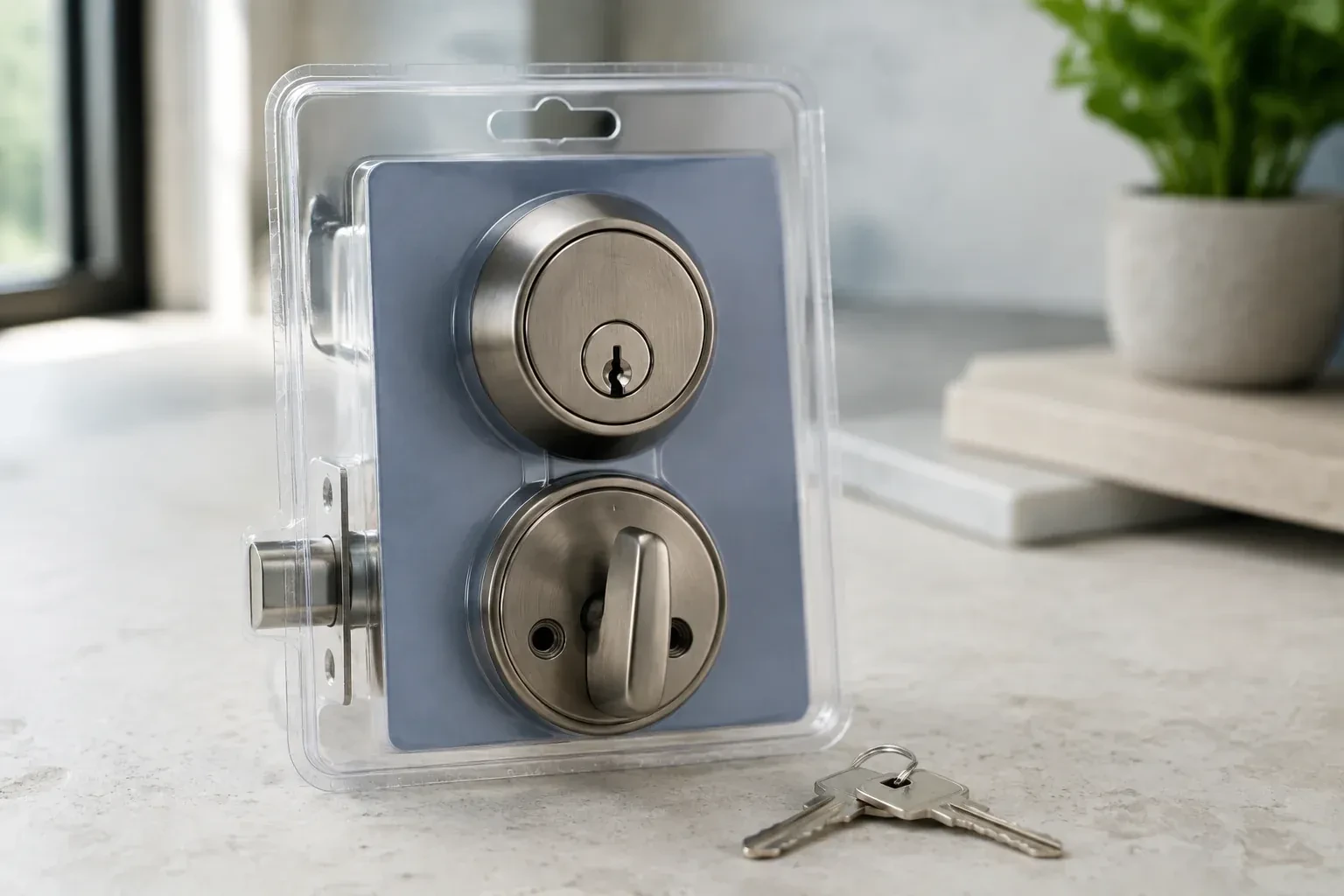
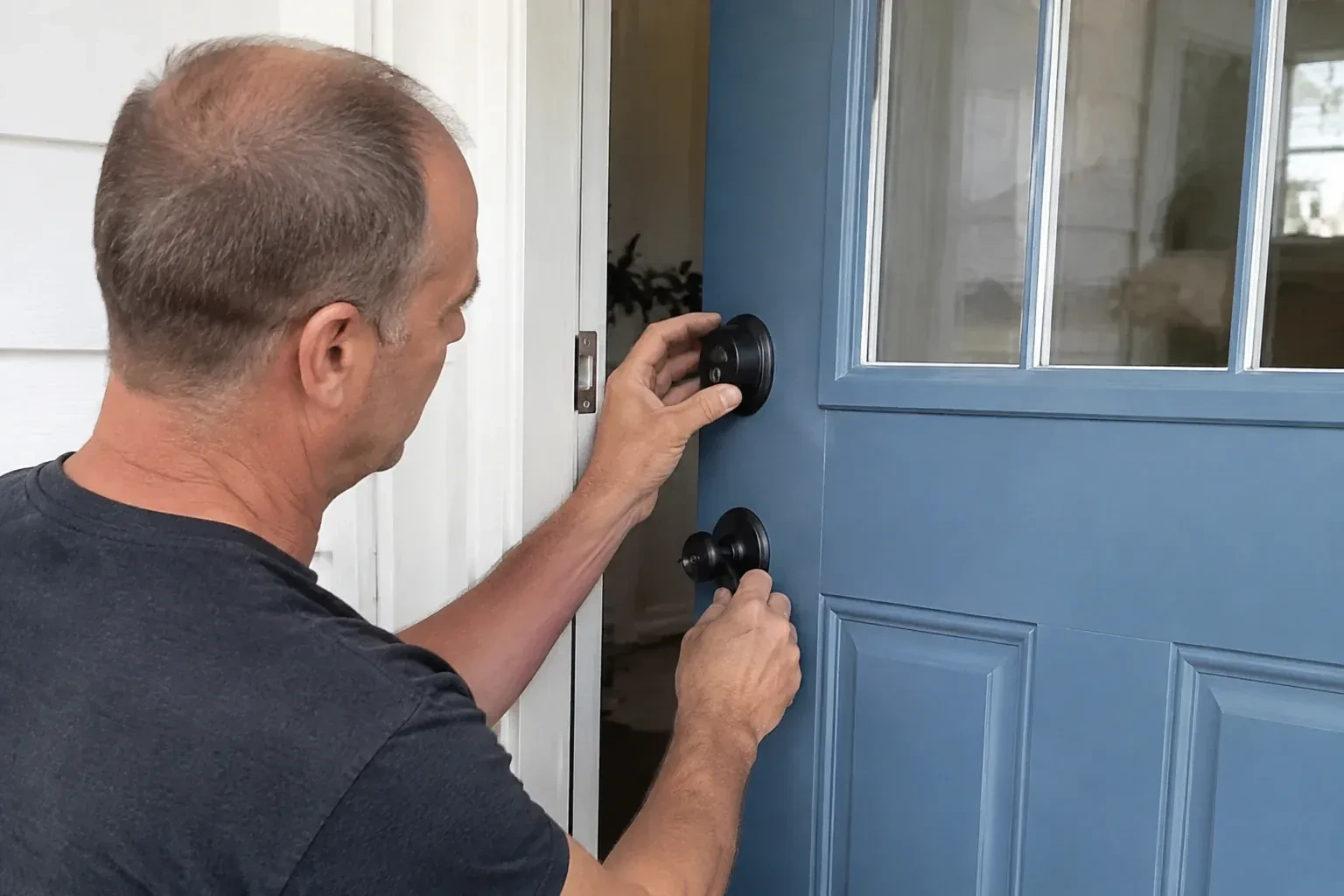
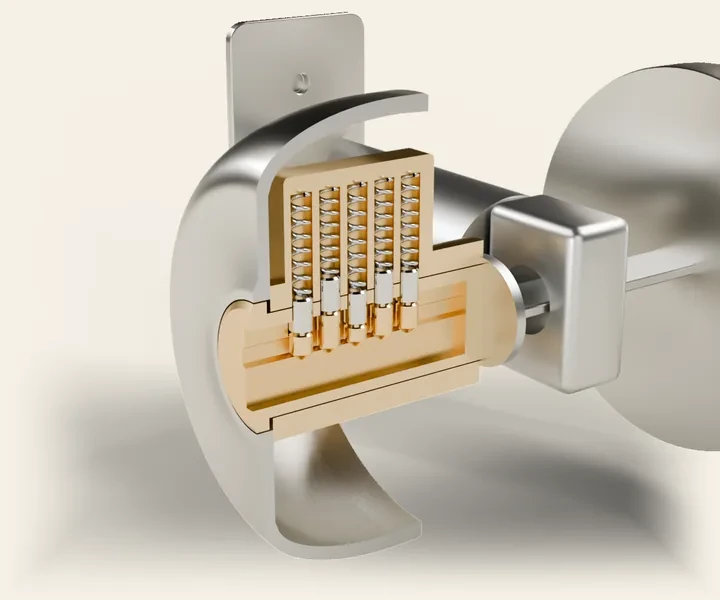
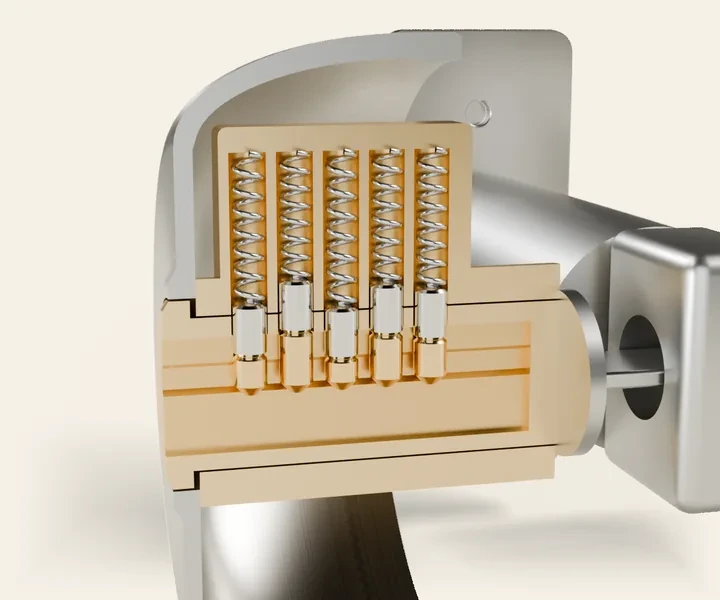
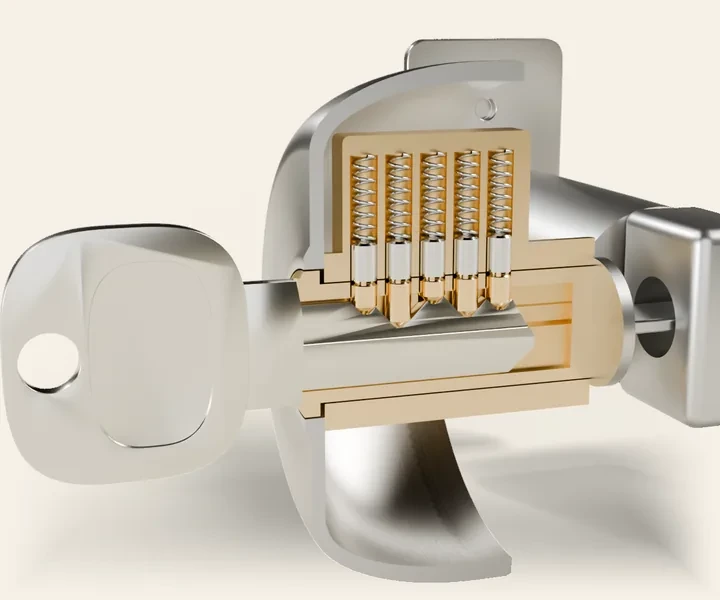
What you keep after rekeying is almost everything. The deadbolt, the handle set, the finish that matches your door hardware, the strike plate and the holes in the door all stay exactly where they are, which matters on an older door where new hardware rarely lines up with old mortises. What changes is a handful of brass pins a few millimetres long inside each cylinder, and the key in your pocket. The work is done on site, one cylinder at a time, so the house is never left with an unsecured door, and worn springs or a sticky plug can be dealt with while the cylinder is already apart.
How the visit goesThe whole key ring went missing somewhere between the grocery store and the bus. You got back in with the spare, but a set of keys is out there, and you would sleep better knowing they open nothing.
Inside the lock
What a rekey changes
01
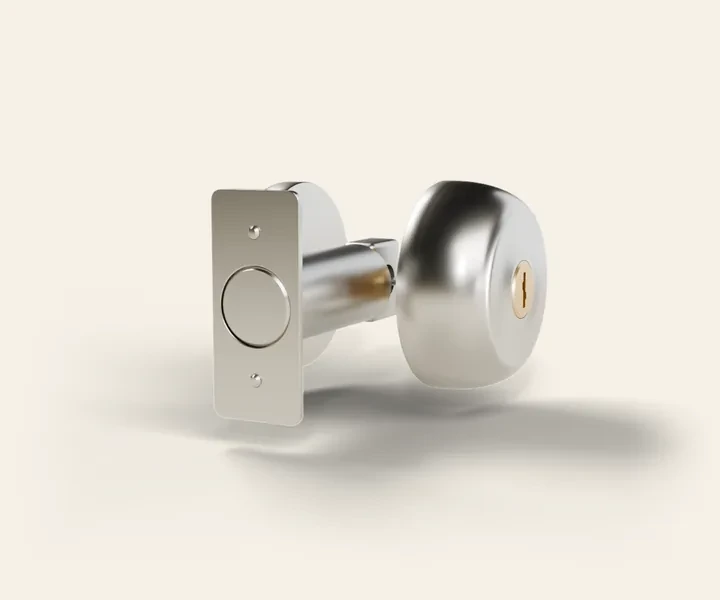
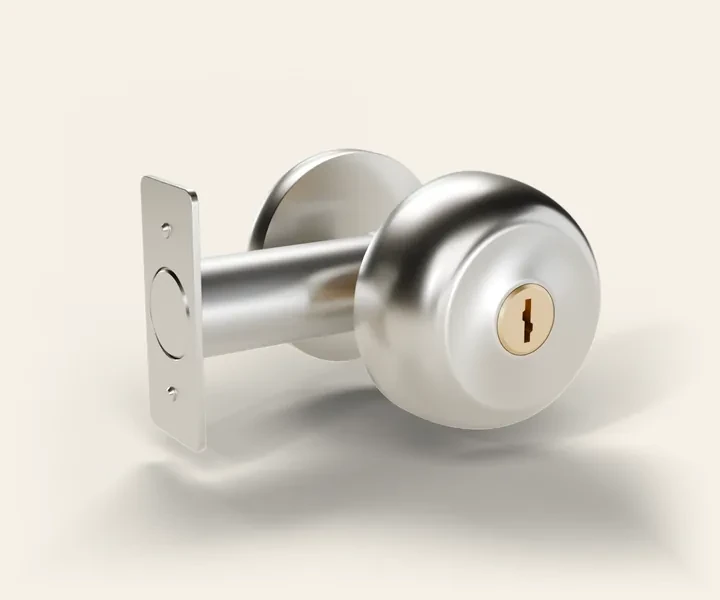
The lock you already have
02
Inside the cylinder
03
Pins, springs and the shear line
04
A new key, new pins
Lock Rekeying
How the visit goes
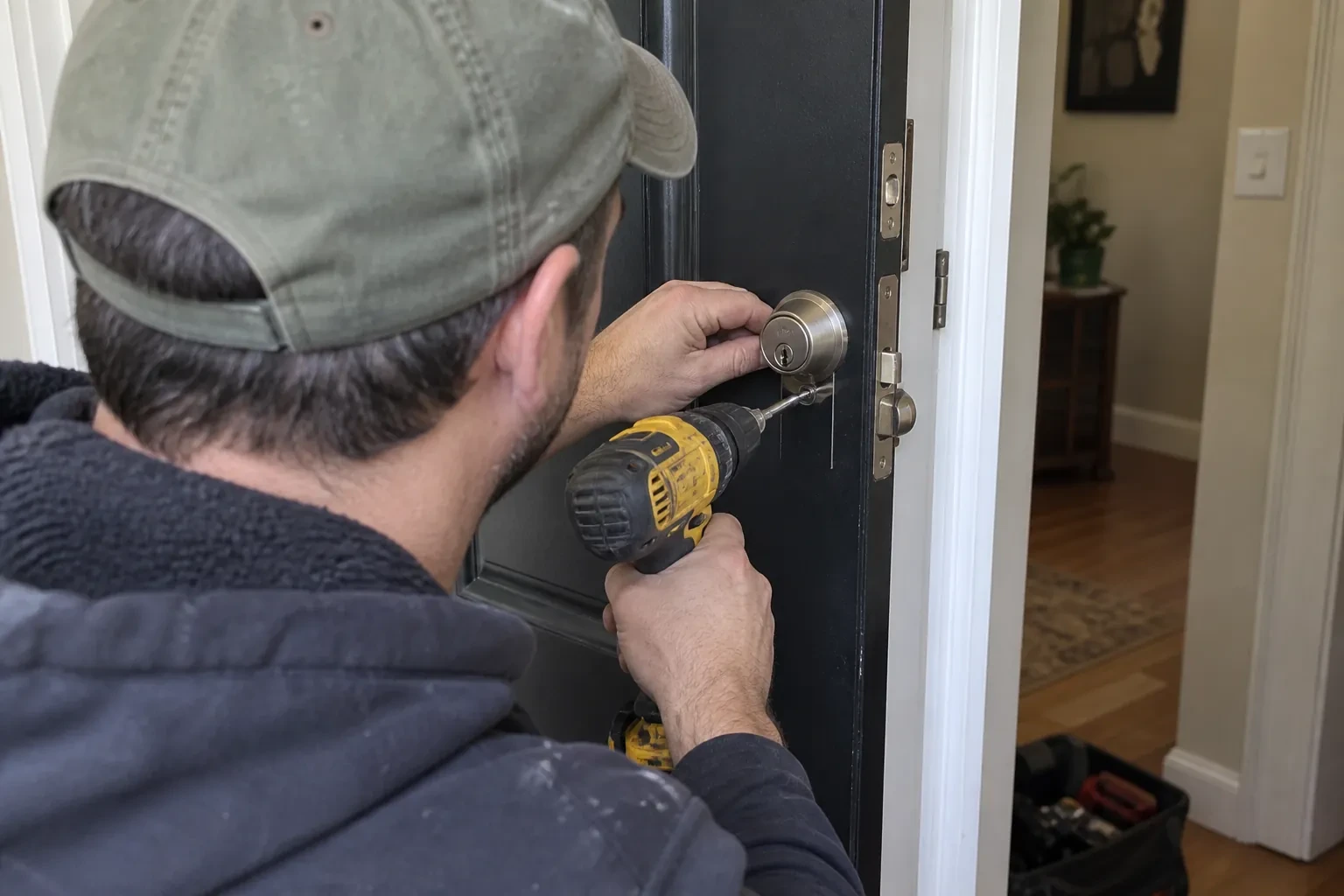
The condition of every cylinder
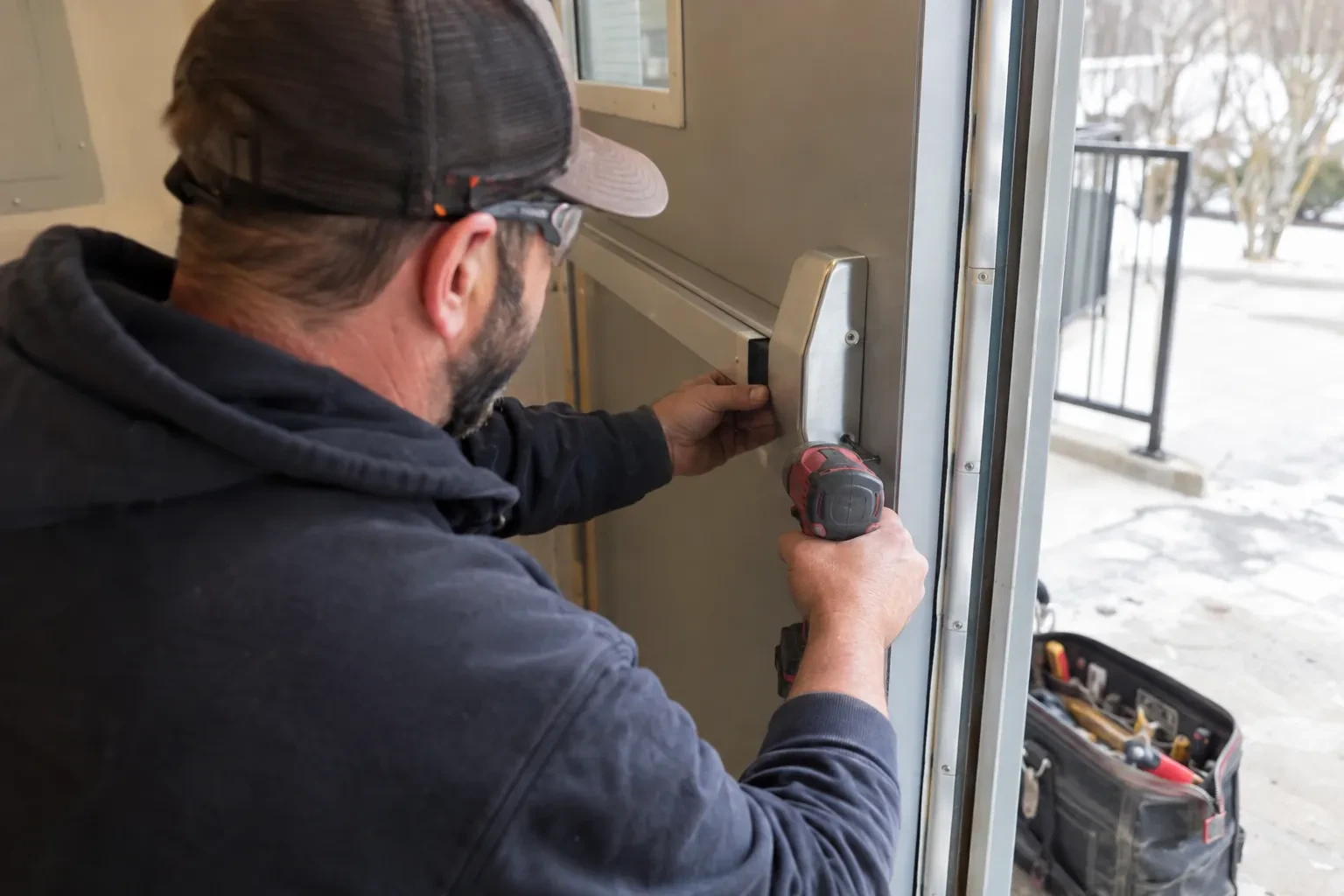
A cylinder about to be pinned to a new key should be worth pinning. The locksmith turns the existing key in each lock and feels for a plug that drags, soft springs, a wobbling cam or a keyway packed with grit and old oil. A cylinder in good order is rekeyed as it is. A worn one is cleaned and given fresh springs while it is apart, and one that has truly worn out is pointed out so you can choose a replacement rather than have new pins dropped into a tired lock. A bolt that binds against its strike gets noticed here too, so the strike can be adjusted while the locksmith is at the door.
Proving the old keys are finished
The last operation at every door is the test that matters most. The locksmith turns the new key from outside and inside with the door open, then closed, and confirms the bolt throws fully and draws back cleanly. Then the old key is tried in the same cylinder and must turn nothing. This is repeated at every rekeyed door, because the door that gets skipped is the one an old key still opens. Spares cut from the new pinning are tried in every lock they are meant for. The old keys, now just shaped brass, are collected or handed back to you for the recycling bin.
Looking after a freshly pinned cylinder
A cylinder that has just been rekeyed turns as smoothly as it ever will, and a little care keeps it that way. Once or twice a year, a puff of whatever lubricant the cylinder maker specifies into the keyway and a few turns of the key is all it needs, since some current cylinders use oil while too much graphite can itself gum a cylinder. When you need more copies, cut them from one of the locksmith's originals rather than from a copy, because each generation drifts a little from the true depths. A key that starts to need a jiggle is the cylinder asking for a clean and a new key, not a sign of anything serious.
Lock Rekeying
In the van
Replacement cylinder for odd keyways
Key gauge
Reset tool for user-rekeyable cylinders
Key tags and keying record
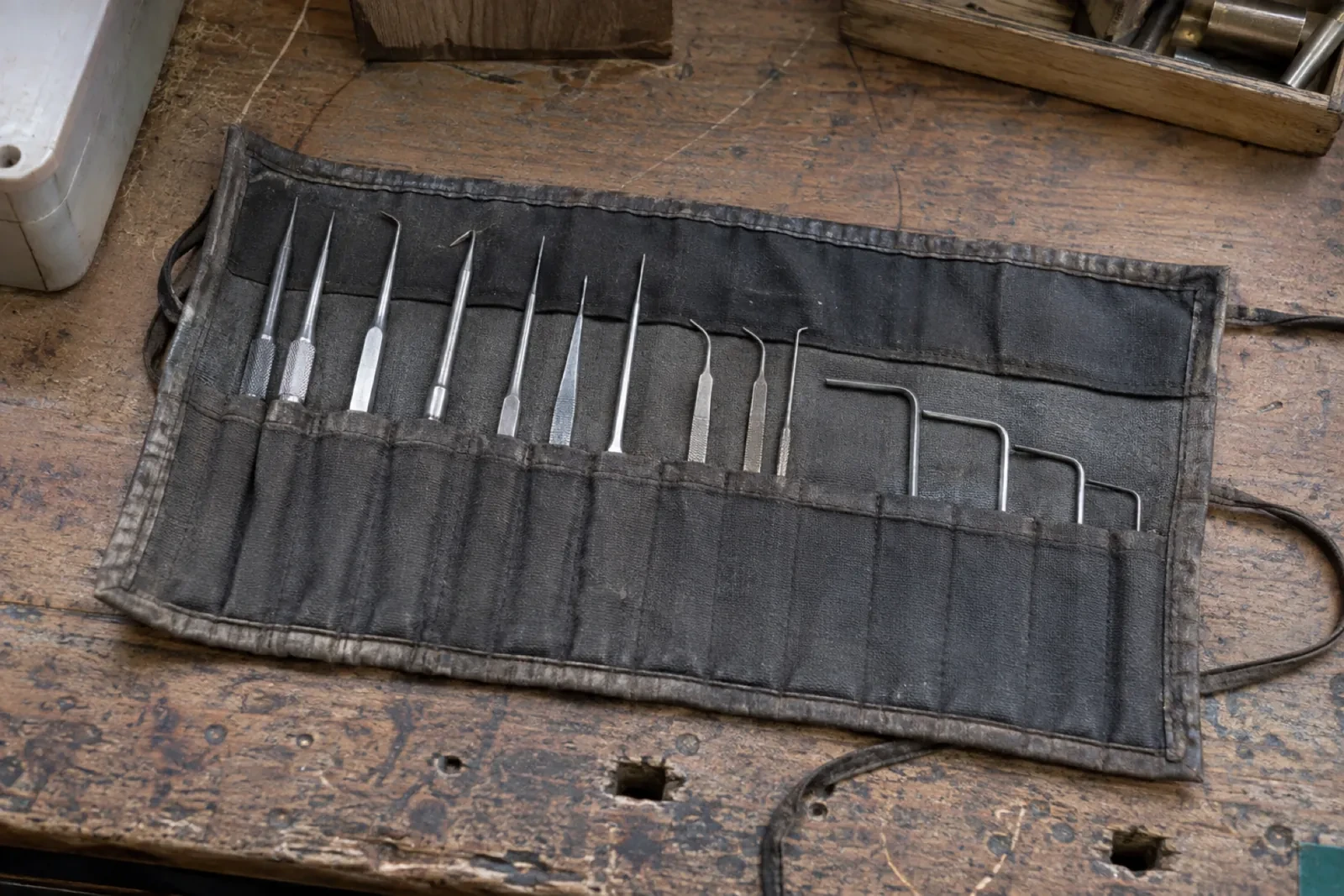
Pinning tweezers and tray
Lock Rekeying
What affects the quote
Restricted or high-security cylinders
Patented keyways use controlled blanks and pins that cost more than standard ones, and their keys are produced from a controlled record instead of being copied, so a system of that kind is quoted differently from builder-grade hardware.
Records, tags and labelled key sets
A homeowner needs a short note. A property manager may want a keying chart, tagged sets for each suite and a key-issuance log, which is more office work and is quoted as such.
Condition of the existing cylinders
A clean cylinder is repinned as it is. One with collapsed springs, a plug packed with old oil or a worn housing needs service or replacement while it is apart, and that shows separately.
What to have ready
- Is there a basement suite or office that should keep its own key?
- Do any locks feel stiff, loose or need a wiggle to turn?
- Is there a shed, gate, mailbox or padlock you would like on the same key?
Lock Rekeying: questions
QuestionsI rent. Can I have my locks rekeyed?
Yes, with your landlord's agreement, which is what the tenancy rules here expect before a tenant changes a lock. Most landlords are glad to consent when a key has gone missing or a former roommate has moved out, and the locksmith will want to hear that the landlord knows and will be holding one of the new keys. The rekey itself runs the same as for an owner, and a short note listing the doors done is handy to pass to the landlord.
My keys were lost with something showing my address. Is rekeying enough?
Rekeying is exactly the right response, because it makes the lost key useless at every door that was pinned. The locksmith will walk the property with you to be sure nothing is missed, including the garage side door, a shed and any padlock the same key opened, and will suggest changing any garage keypad code that was written on the same ring. After that, whoever finds the keys is holding brass that opens nothing on your property.
I am a landlord. Should I rekey between tenants?
Many landlords do, and it removes the question of whether every copy came back. The locksmith rekeys the unit's cylinders so the incoming tenant holds the only working keys, cuts the copies you want, and notes the count for your move-in record. Because provincial tenancy rules expect the tenant to be handed replacement keys whenever a landlord changes a lock, the visit ends with keys for both of you and a clear list of which doors were done.
Related services
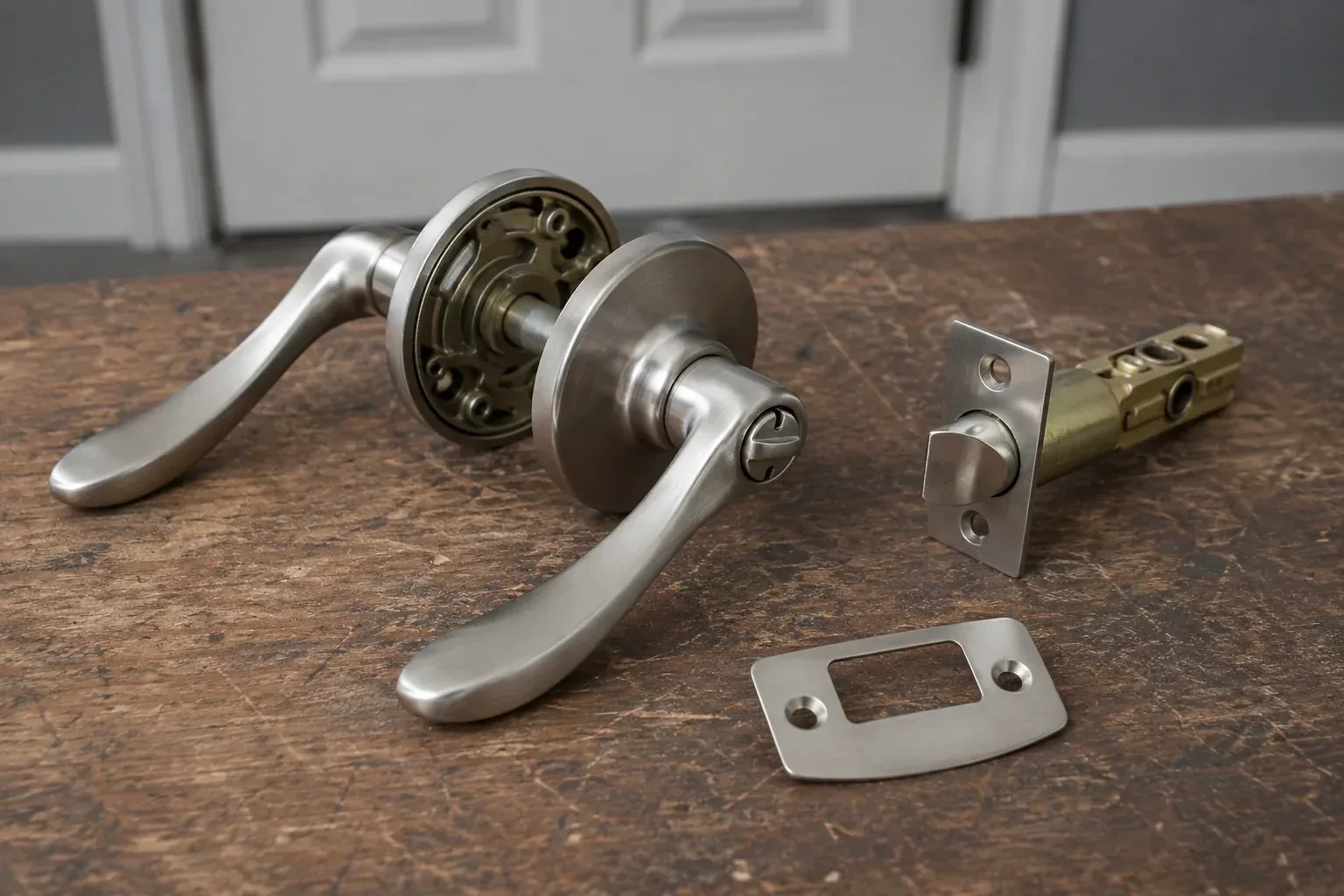
- Lock Replacement & UpgradeThe house is fifteen years old and every exterior door still wears the light hardware the builder fitted: a short bolt, a thin strike held by two small screws, and a knob lock that never suited a street entrance.
- Vintage Mortise Lock ServiceThe interior bedroom doors on the second floor have the original mortise latches, and none of them close any more.
- Smart Lock InstallationThere are four copies of the front-door key floating around: one with the cleaner, one with a neighbour, one on a hook at your parents' place, and one you honestly cannot account for.