Change or rekey · Toronto
Deadbolt Installation
The old deadbolt has grown lazy.
In plain words
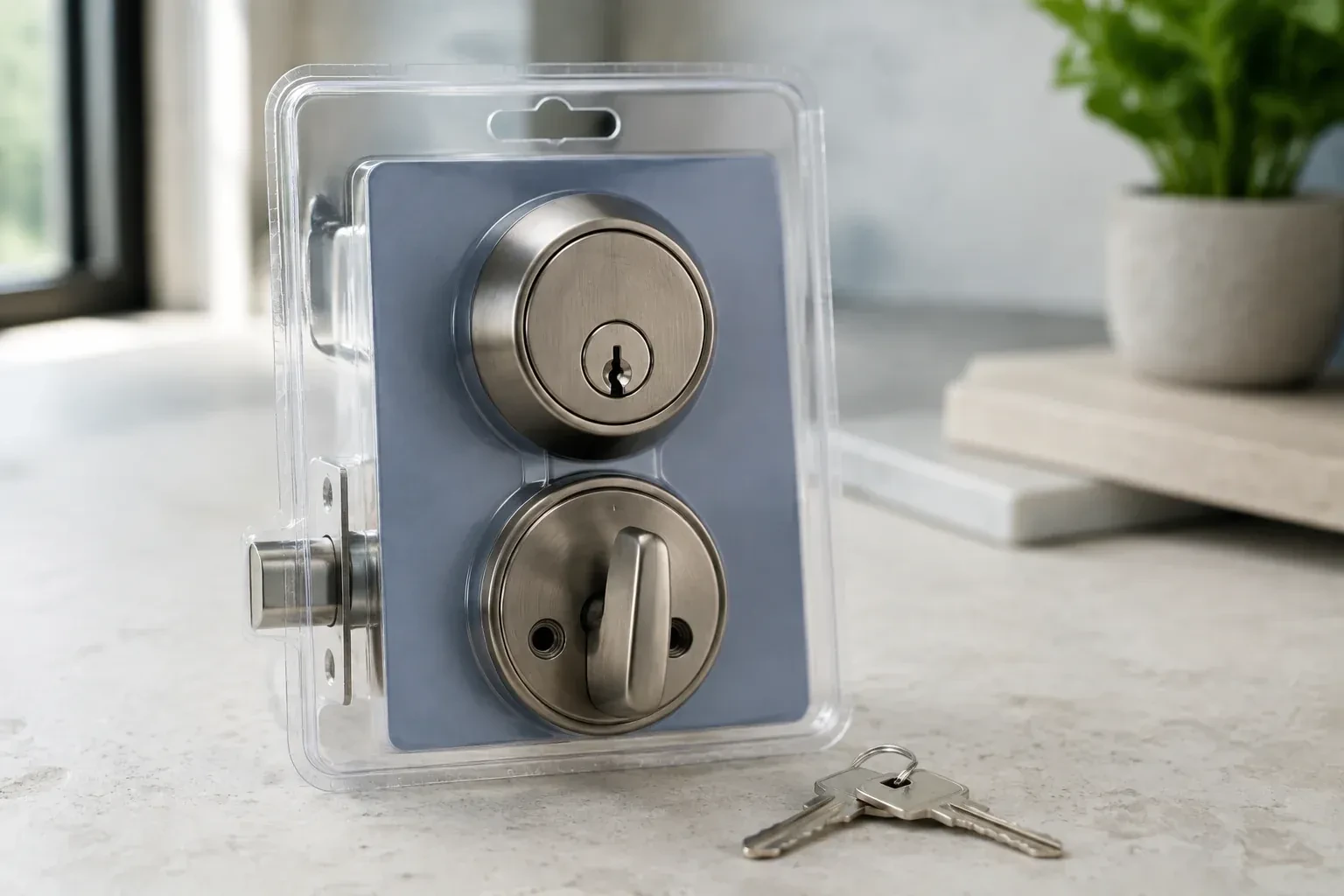
A deadbolt installation is also the moment to sort out keys. The new cylinder can be pinned to match the key you already use, so the household stays on one key, or set to a fresh key if you would rather retire whatever copies are in circulation. Many keypad and smart deadbolts fit the same standard bore as a mechanical one, so a door prepared today for a keyed bolt often accepts one later, though the exact model's bore and thickness still need checking. Either way you leave with keys that work in every door they are meant to, tested one by one.
How the visit goesYou moved in three weeks ago. The previous owner left a handful of keys, none labelled, and the bolt on the side door rattles in its housing. You would like every exterior door to bolt, and to know exactly who can open it.
Deadbolt Installation
How the visit goes
Exit, fire and who lives here
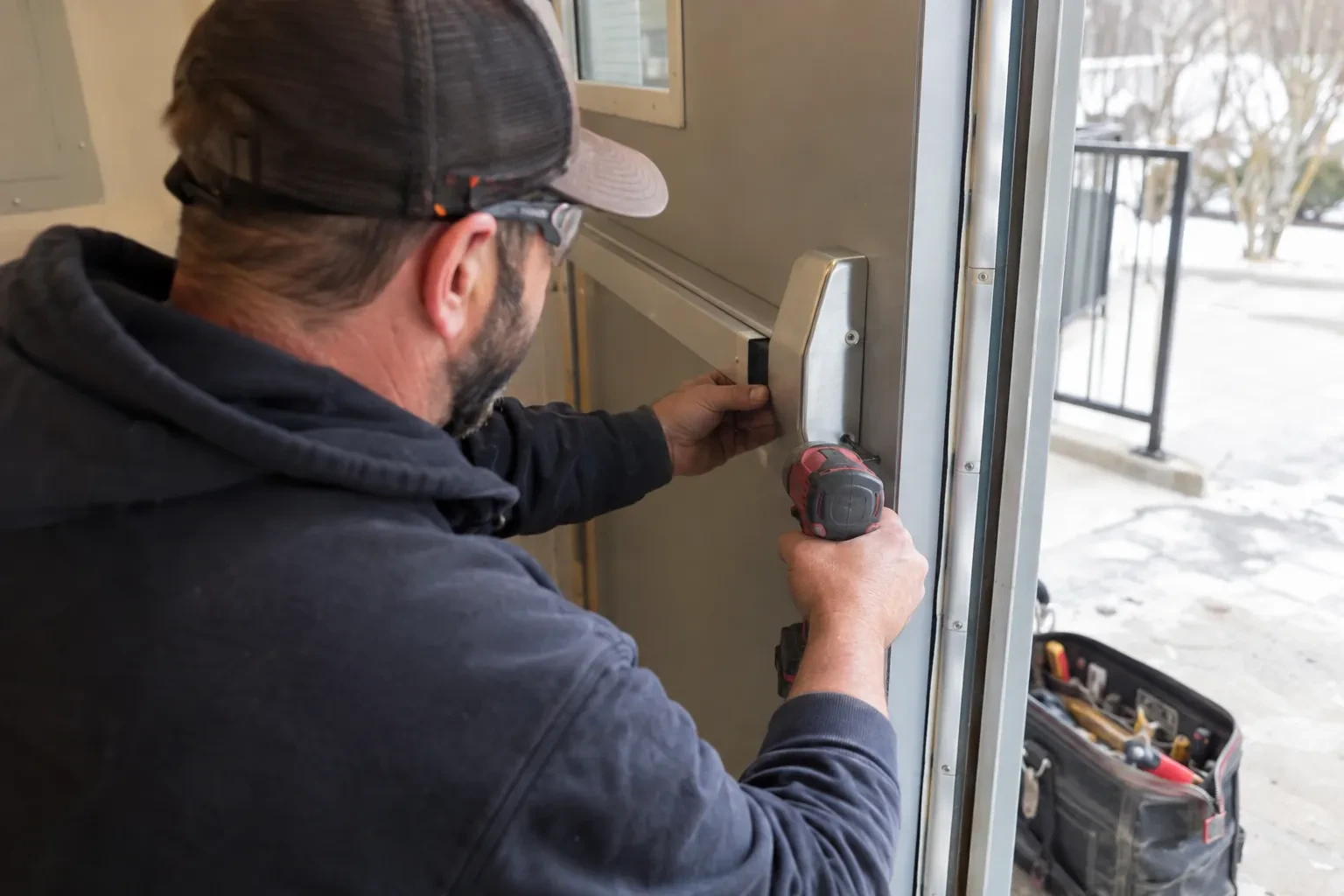
The last part of the first look is about the people, not the door. The locksmith asks whether this is the door the household leaves through, whether children, older relatives or anyone with limited hand strength use it, and whether it is a rental where the landlord holds keys. A door that serves as a way out gets a thumb-turn planned for it, so nobody has to hunt for a key to leave. A lever thumb-turn is easier for small or stiff hands than a knurled one, and a rental may need a note to the building manager. None of this takes long, and it shapes which box comes off the van.
Swapping an old deadbolt in place
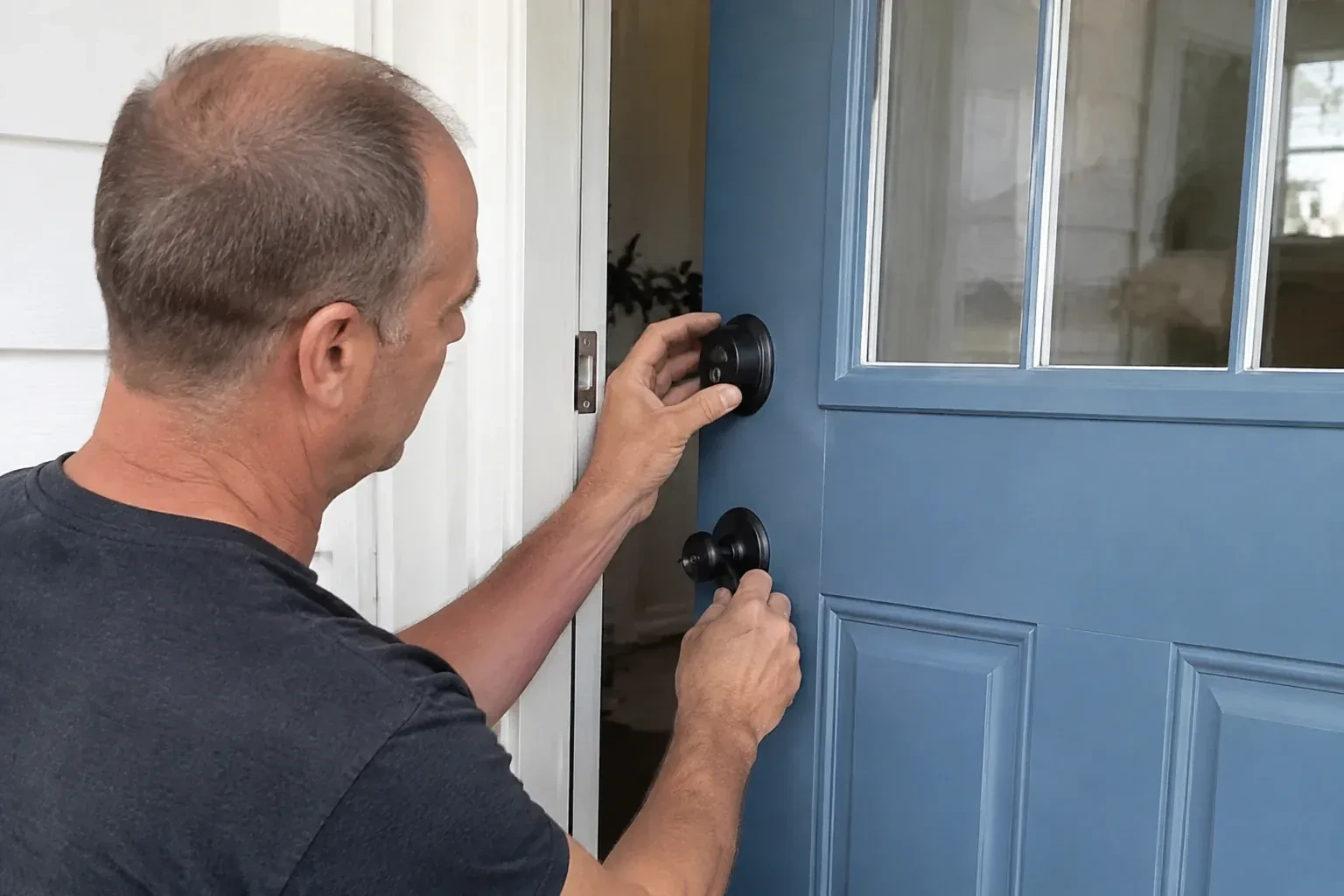
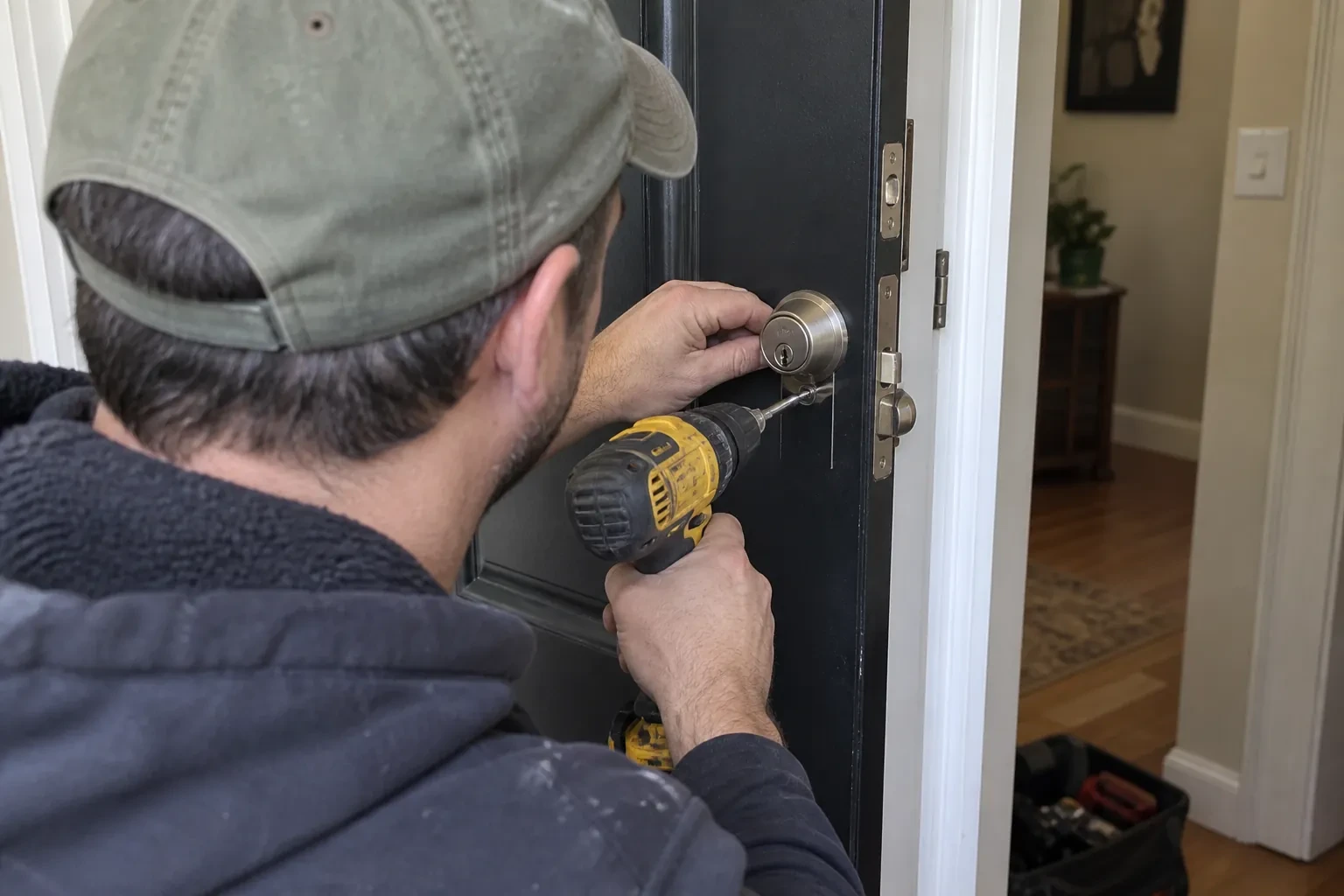
When an existing bolt is being replaced, the work starts by backing out the two inside screws and lifting off both housings, then removing the bolt from the edge. The bore and backset are measured against the new hardware, and any difference is dealt with before the new bolt goes in: a larger bore for a smart deadbolt, a different faceplate shape, or a spacer for a thinner door. The new bolt, cylinder and thumb-turn go on in the usual order. The old strike comes off too, the pocket is deepened if needed, and a reinforced strike with long screws replaces it, so the upgrade happens on both sides of the gap.
A record for the home file
You should know what is on your door in plain terms, so the visit closes with a short account: the model and grade of deadbolt fitted, its finish, the backset and bore it sits in, whether the cylinder was keyed alike or set to a new key, how many keys were cut, and what was done on the frame side. For a rental, this note is useful for the landlord or building manager, who under tenancy rules is entitled to know what lock is on the unit and to hold a key. For an owner it is one line in the house file that makes the next locksmith visit, whenever it comes, a simpler conversation.
Deadbolt Installation
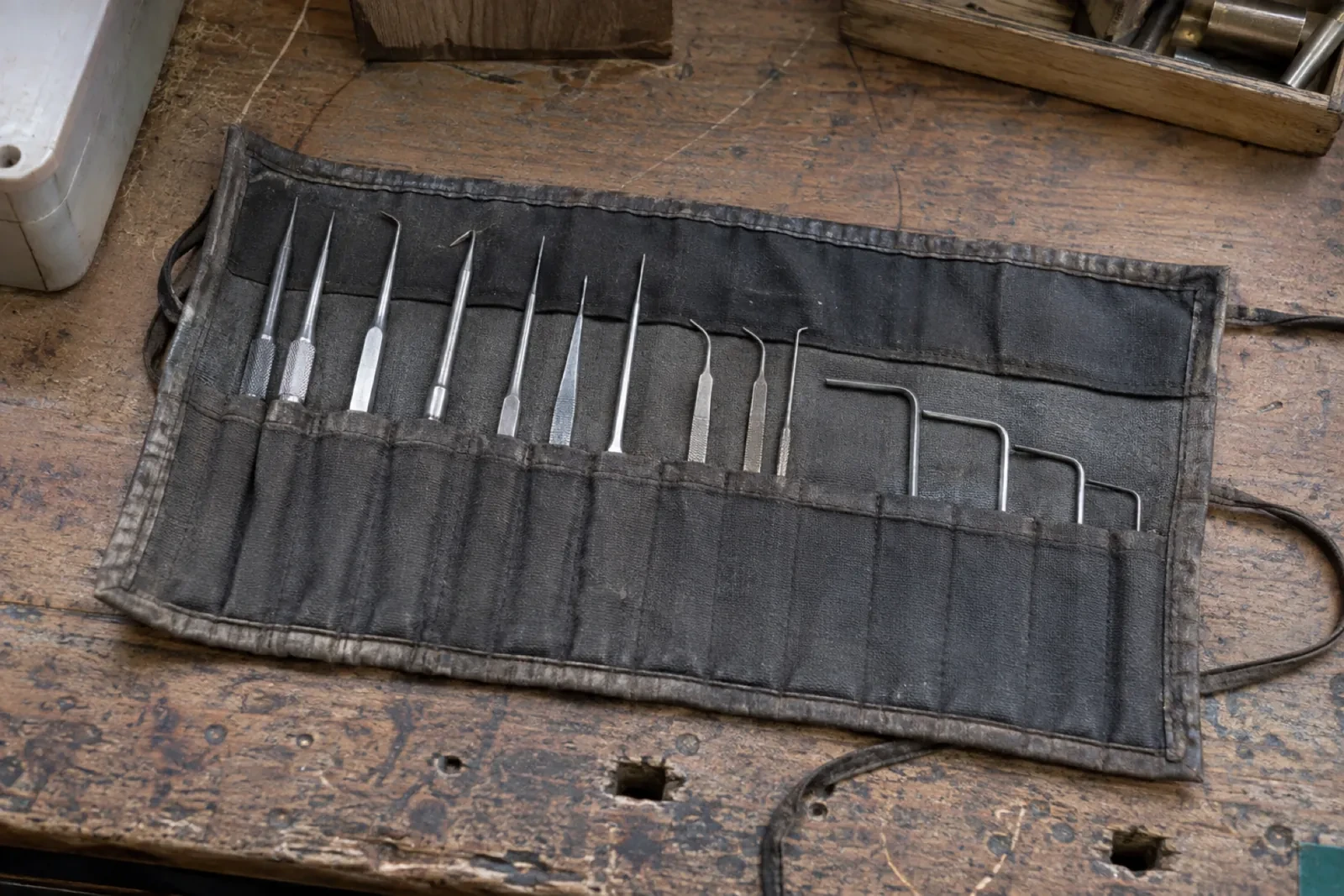
In the van
Single-cylinder deadbolt
25 mm auger bit
Boring jig and 54 mm hole saw
75 mm (3 in) strike screws
Rekeying pins and key blanks
Deadbolt Installation
What affects the quote
Finish and trim style
Coated finishes built for salt and sun, matching trim for an existing handleset, and low-profile faces cost differently from a standard brass or nickel unit, and you choose the level.
Door material
Solid wood, steel-clad and fibreglass doors are each cut differently. Metal skins call for slower cutting and cleanup of filings, so the material is one of the first things a quote takes into account.
Hardware supplied by you or by the locksmith
If you have already bought the lock, the quote covers labour and any adaptation of the door to that kit. Hardware supplied from the van is listed separately with its grade and finish.
What to have ready
- Have you already bought the hardware, and if so which model and does the template come with it?
- Does anyone in the household have trouble with small knobs or stiff thumb-turns?
- Has the door or frame ever been forced, or are any screw holes stripped?
Deadbolt Installation: questions
QuestionsCan I supply my own deadbolt?
Yes. Bring the box, the template and the instructions, and tell the locksmith the model beforehand so the bore and backset can be checked against your door. If the kit turns out to need a larger hole or a different faceplate than the door has, the locksmith adapts the door or suggests a matching model. Hardware bought online sometimes arrives set for a different door thickness, which is a small adjustment on site.
What happens during the visit, step by step?
The locksmith looks at the door, frame, glass and hinges, measures the bore and backset, and confirms the hardware and key plan with you. The door is bored or the old lock removed, the bolt is set to the backset, and the cylinder and thumb-turn are assembled. The strike position is marked from the bolt itself, the pocket bored, and a reinforced strike fastened into the framing. Everything is tested open and closed, keys are cut and tried, and the area is vacuumed.
What about glass beside the door or a window in it?
Glass within reach of the lock is the one case where a plain thumb-turn deserves thought. Options include a captive thumb-turn that turns freely until you remove its small key, laminated glass or a tested security-film system with its specified frame attachment, or simply setting the bolt farther from the glass. Lock manufacturers describe sidelights as a weak point, so the locksmith measures the reach and lays out the choices rather than defaulting to a key on the inside.
Related services
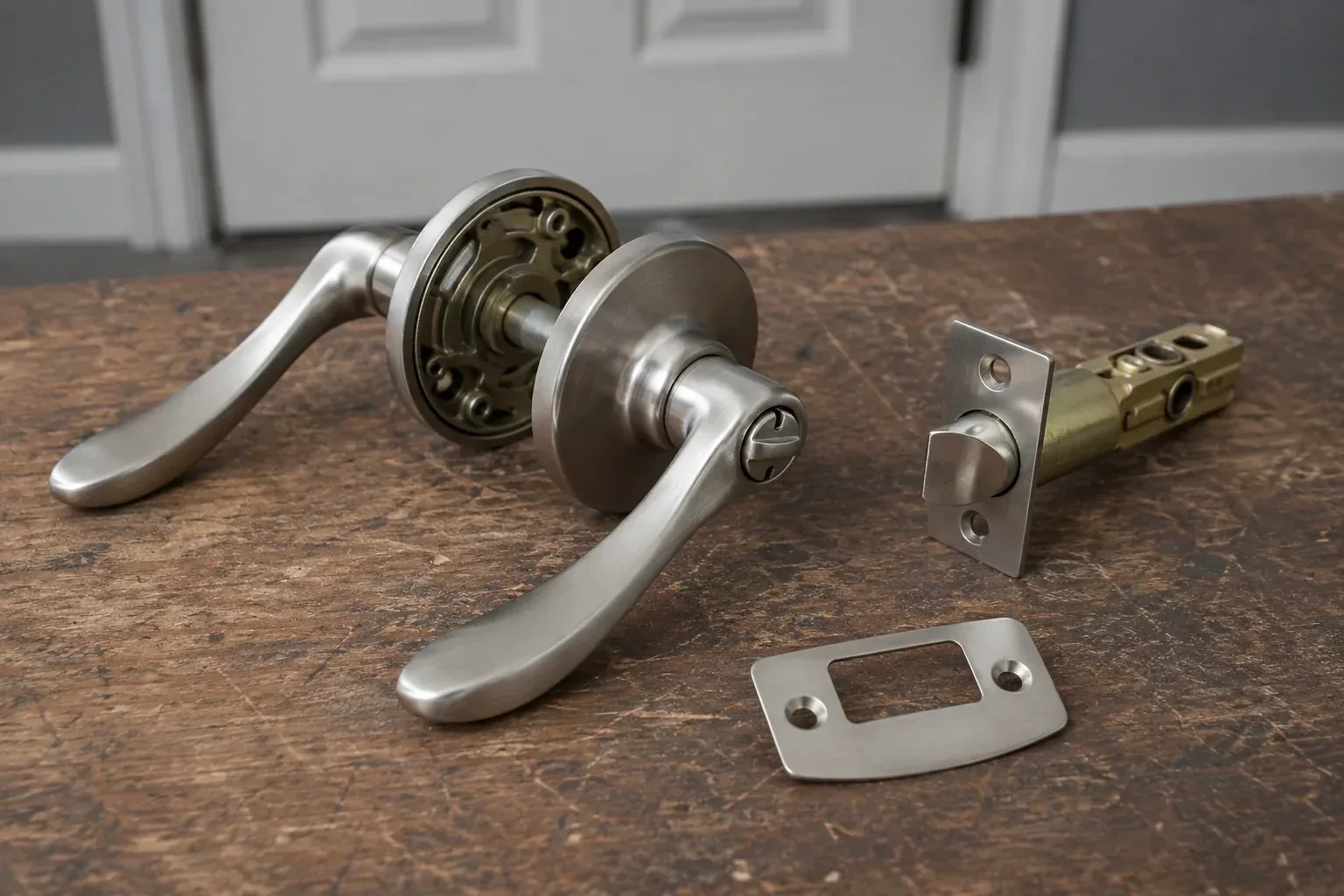
- Lock Replacement & UpgradeThe house is fifteen years old and every exterior door still wears the light hardware the builder fitted: a short bolt, a thin strike held by two small screws, and a knob lock that never suited a street entrance.
- Vintage Mortise Lock ServiceThe interior bedroom doors on the second floor have the original mortise latches, and none of them close any more.
- Smart Lock InstallationThere are four copies of the front-door key floating around: one with the cleaner, one with a neighbour, one on a hook at your parents' place, and one you honestly cannot account for.