Locksmith in Wexford Heights, OntarioA tidy locksmithfor tidy homes in Wexford Heights
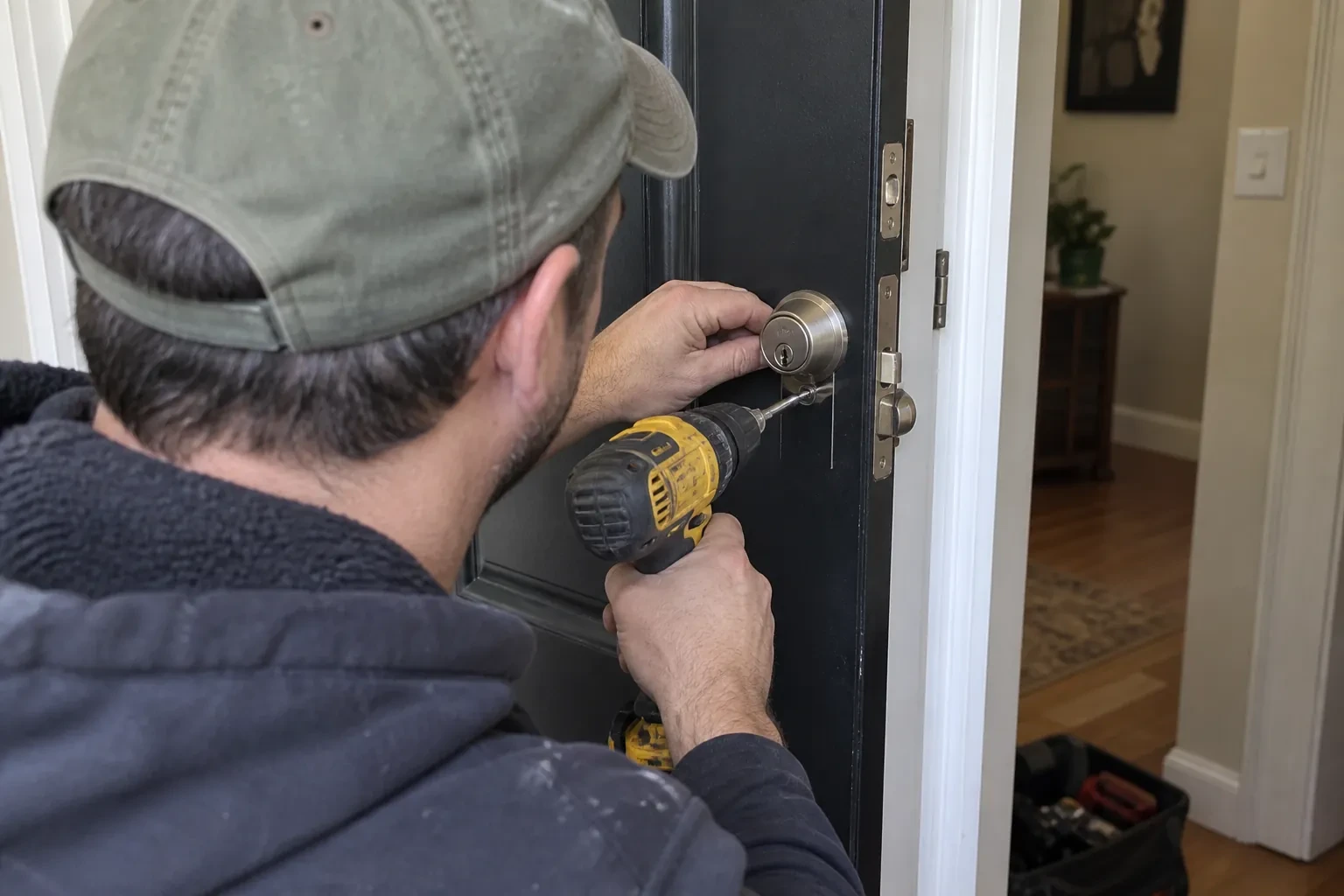
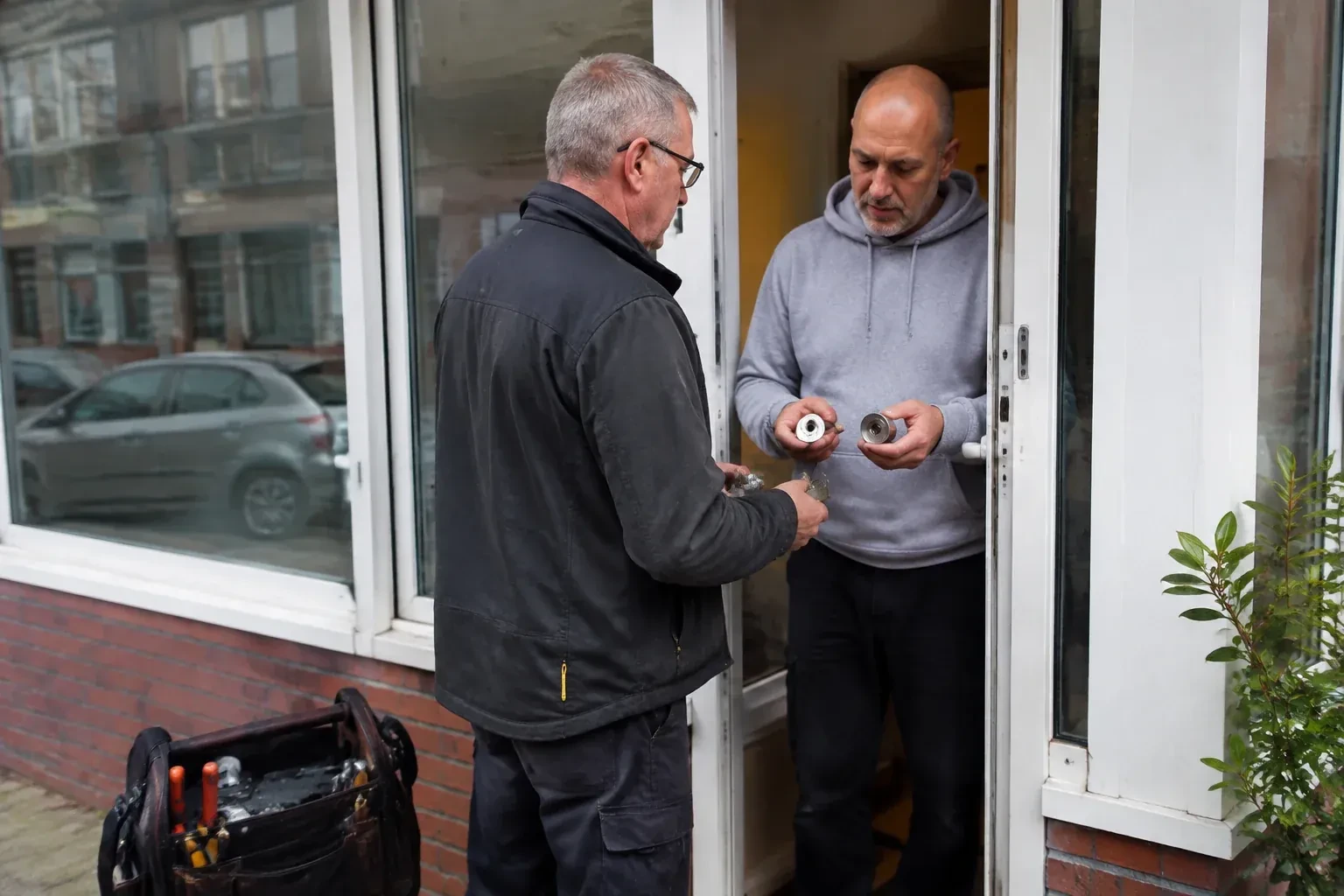
Lock work makes brass shavings, sawdust and small screws that roll under furniture. We put a drop sheet down, catch the mess, and vacuum before we go. Homeowners in Wexford Heights should be able to tell we were there only by the way the door now locks, not by anything left behind.
Lock work makes brass shavings, sawdust and small screws that roll under furniture. We put a drop sheet down, catch the mess, and vacuum before we go. Homeowners in Wexford Heights should be able to tell we were there only by the way the door now locks, not by anything left behind.
We look after the door, not just the lock.
We are straightforward about time. A locksmith heading to Wexford Heights calls when he is on the way, gives you an honest sense of how long the job will take once he has seen the door, and tells you if something changes. Nobody is left watching the driveway wondering, and nobody discovers the visit ran long only when the invoice arrives.
High security upgrades are a steady part of our work in Wexford Heights. Whether a break-in nearby has made you look at your strike plate, too many keys have gone out over the years, or a stockroom needs a controlled key, we assess the whole door, fit rated cylinders and reinforced strikes, and set up keys that cannot be copied without your authorisation.
31years in business
24/7open every day
Questions welcomed. Ask about the lock, the method, the parts or the reasoning. A good explanation is part of the service, not a favour.
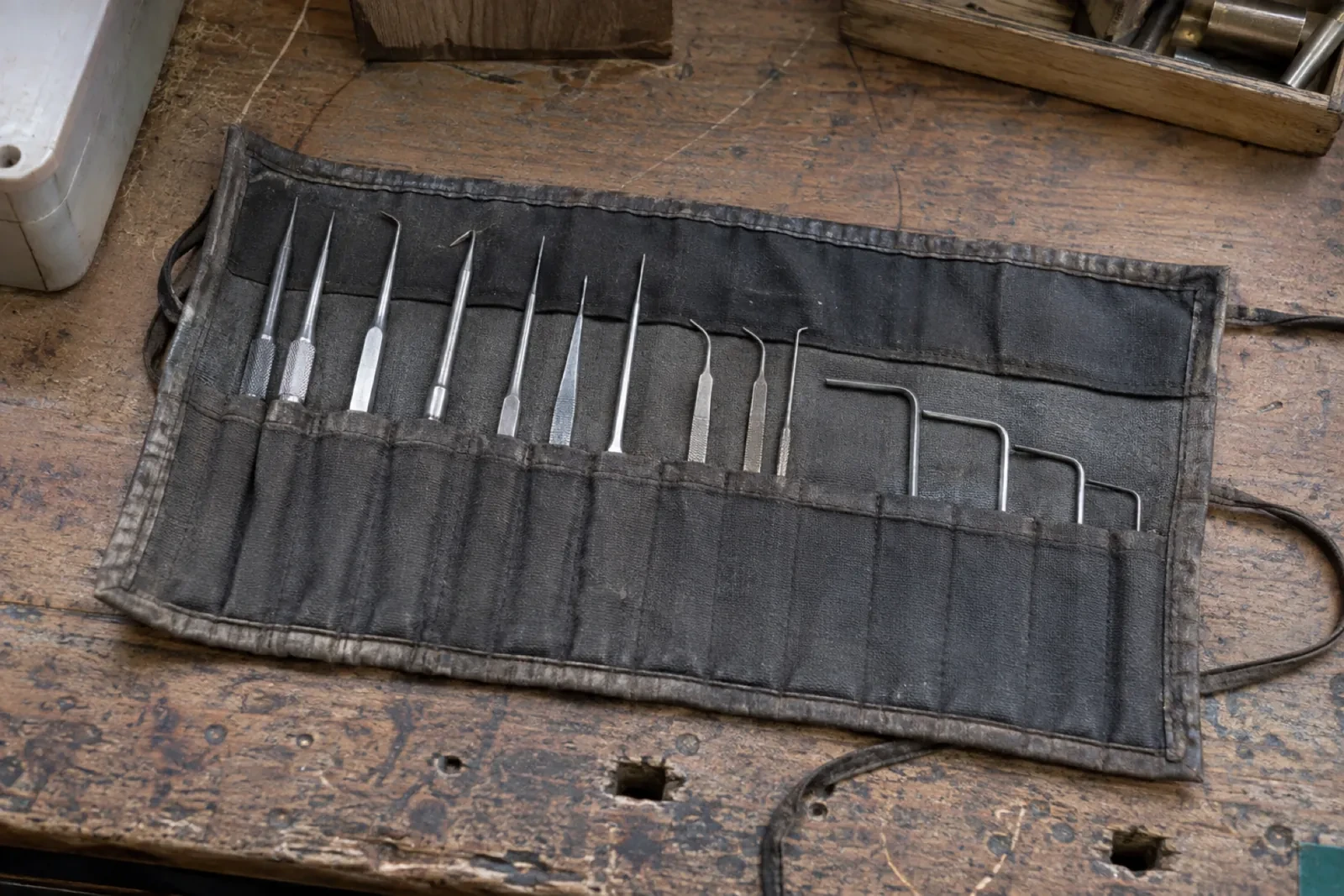
Nothing forced that could be finessed. We reach for picks and shims before drills, and we tell you if the lock has left us no gentle option.
Swept, wiped and working. Metal filings, drywall dust and old screws all leave with us. The lock is tested from both sides and the key handed over.
The pages that follow describe the lock services offered in Wexford Heights one by one, without sales talk. Where a service has a simpler or less involved cousin, the page says so. Where a repair will do instead of a replacement, the page says that too. The aim is for you to choose well, not to choose more.
About 58% of homes in Toronto were built in 1980 or earlier, according to the 2021 Census.
Older homes
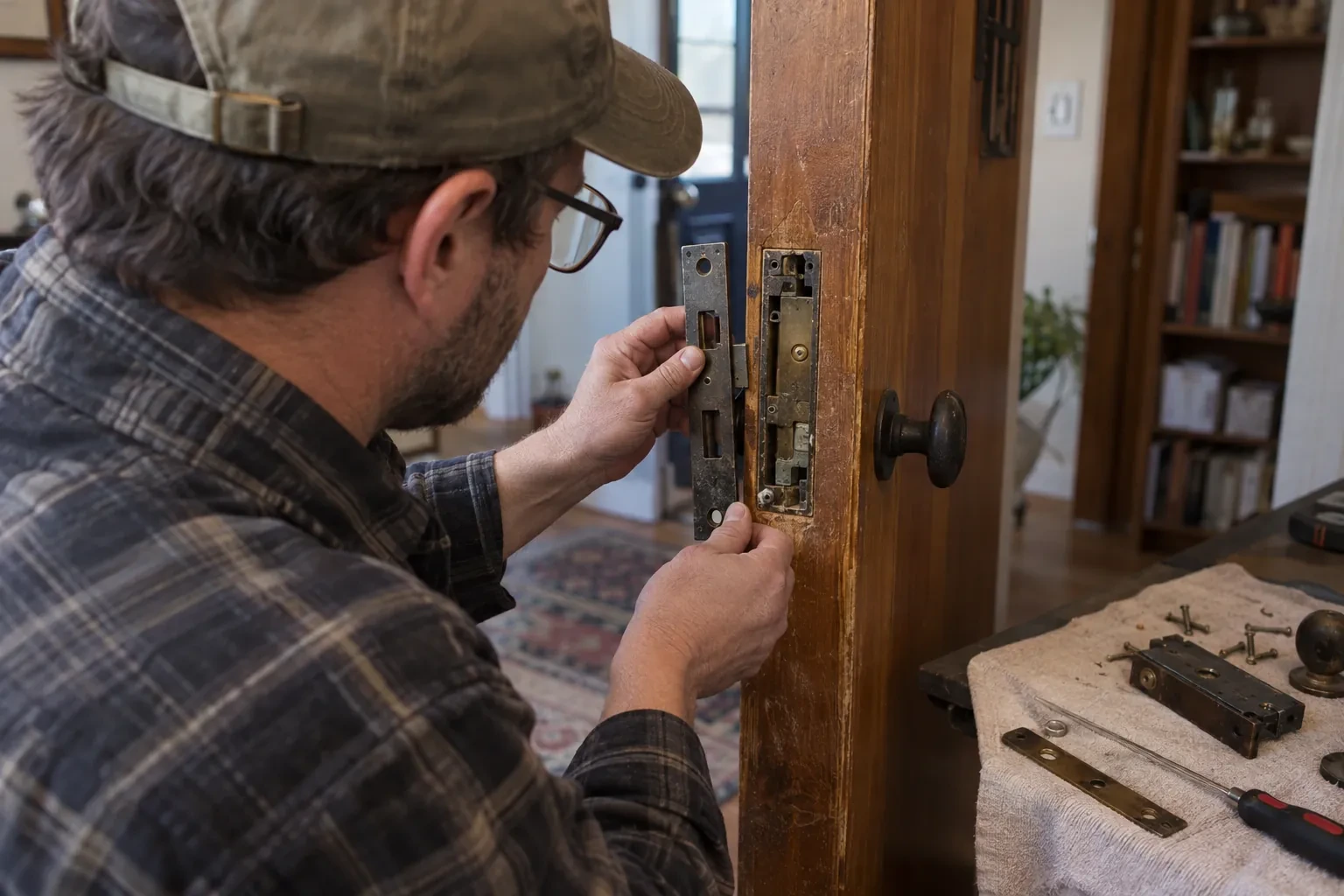
Old brass keys wear thin, and a key that has bent for years finally lets go in a cold cylinder. In older housing stock this is a regular call, so the locksmith is ready to extract the piece, check the cylinder and cut a new key from the code.
Single-detached houses make up about 23% of homes in Toronto (2021 Census).
Condo boards commonly set rules about what may be changed on the outside face of a suite door. A locksmith experienced with attached housing knows to keep the visible hardware within those rules while still upgrading the cylinder and strike behind it.
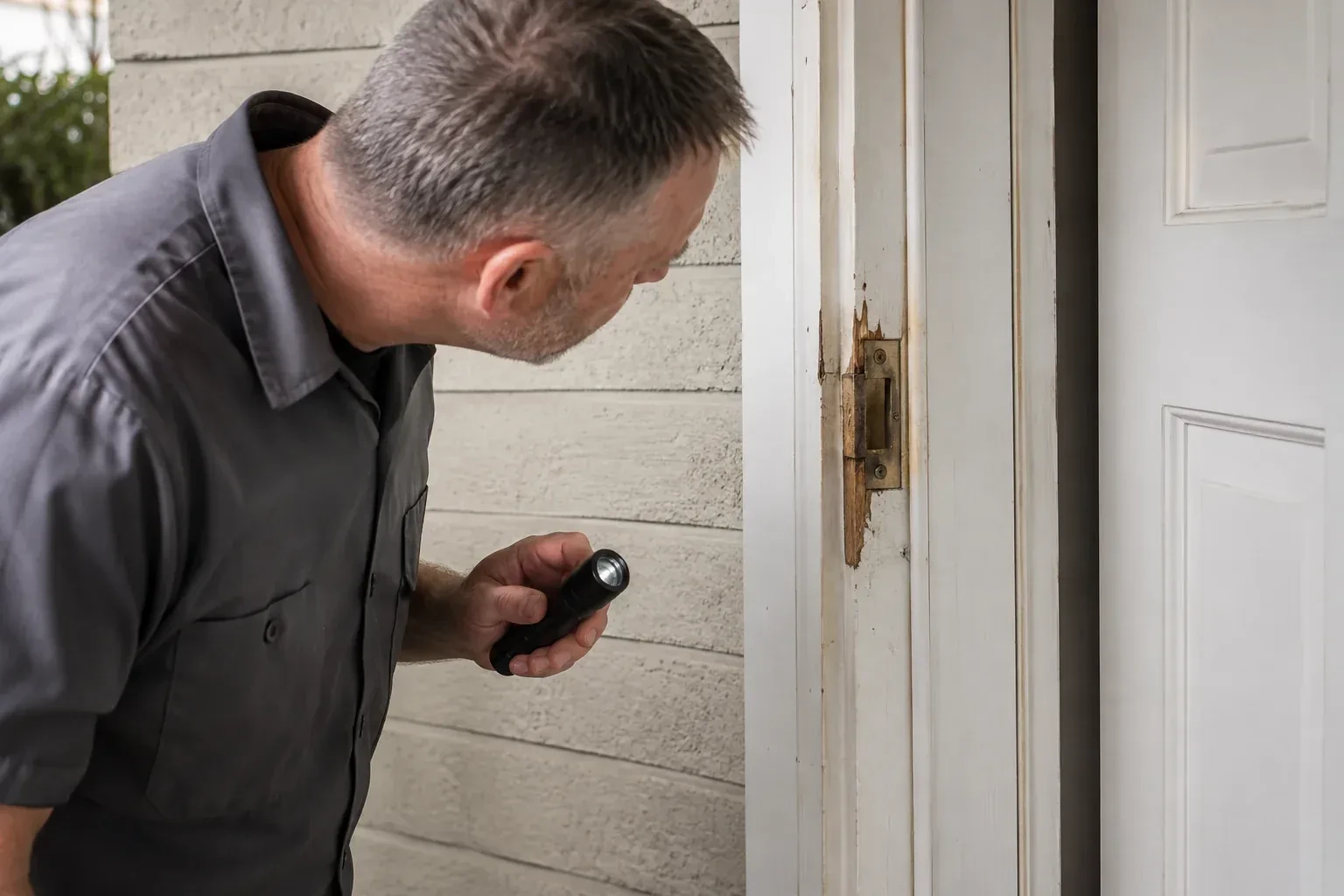
The kick is the most common attack on a residential door, and a standard strike plate held by two short screws fails to it. Reinforced strikes and door-edge wraps are the least glamorous part of high security and the part most often worth doing.
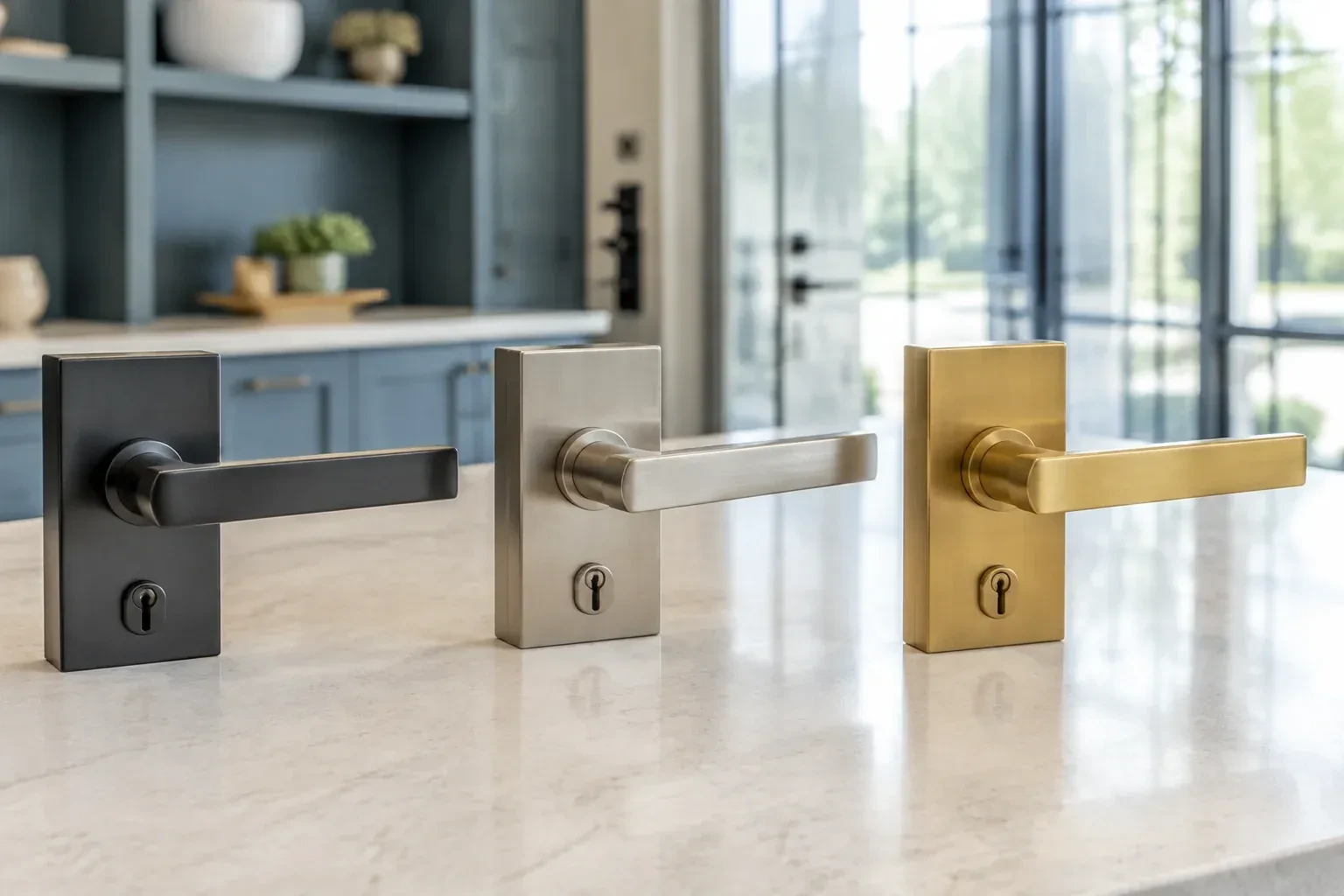
The house is fifteen years old and every exterior door still wears the light hardware the builder fitted: a short bolt, a thin strike held by two small screws, and a knob lock that never suited a street entrance.
Keys for a business should be a record, not a rumour. Master key systems and restricted keyways make it possible to know how many keys exist and who holds each. The commercial pages explain how we set that record up and keep it accurate.
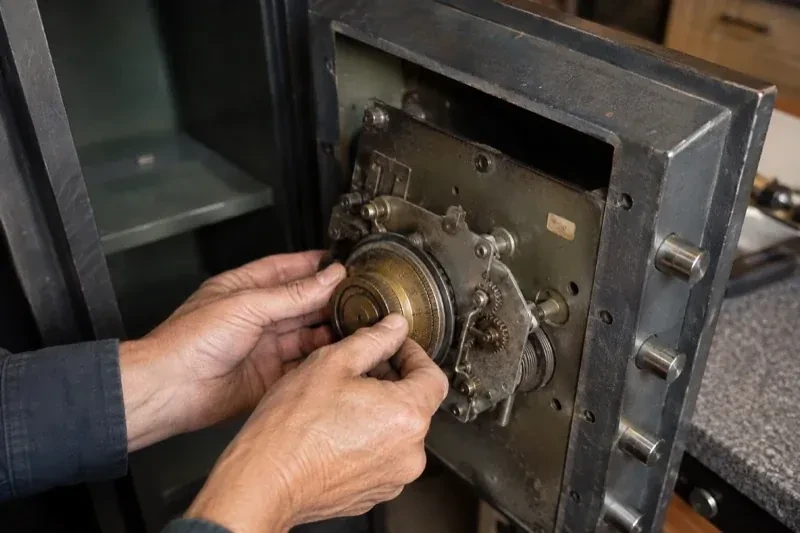
Pry marks circle the dial after an overnight break-in attempt, and the safe now refuses every number that used to open it, as if something inside has locked itself down.
The office is moving three blocks over, and the old commercial safe that has sat bolted to the concrete for fifteen years now needs to come out, travel across town, and go back down just as solidly.
Which fix fits?
The key slides in and turns all the way round, but the bolt stays put.
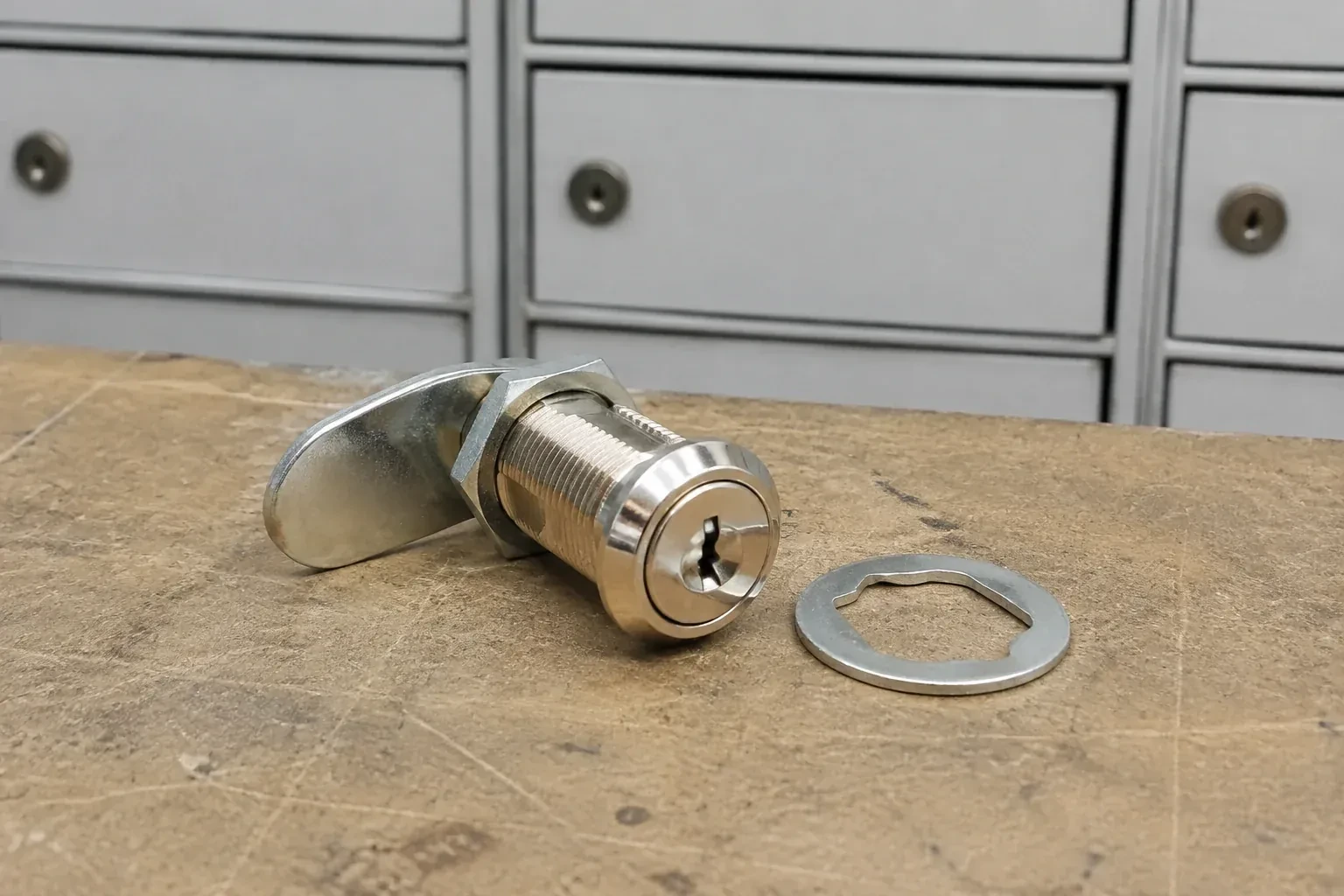
WhyMailbox lock replacement swaps the small lock inside a mailbox door or a single compartment of a building's mail panel for a new one that matches the same opening.
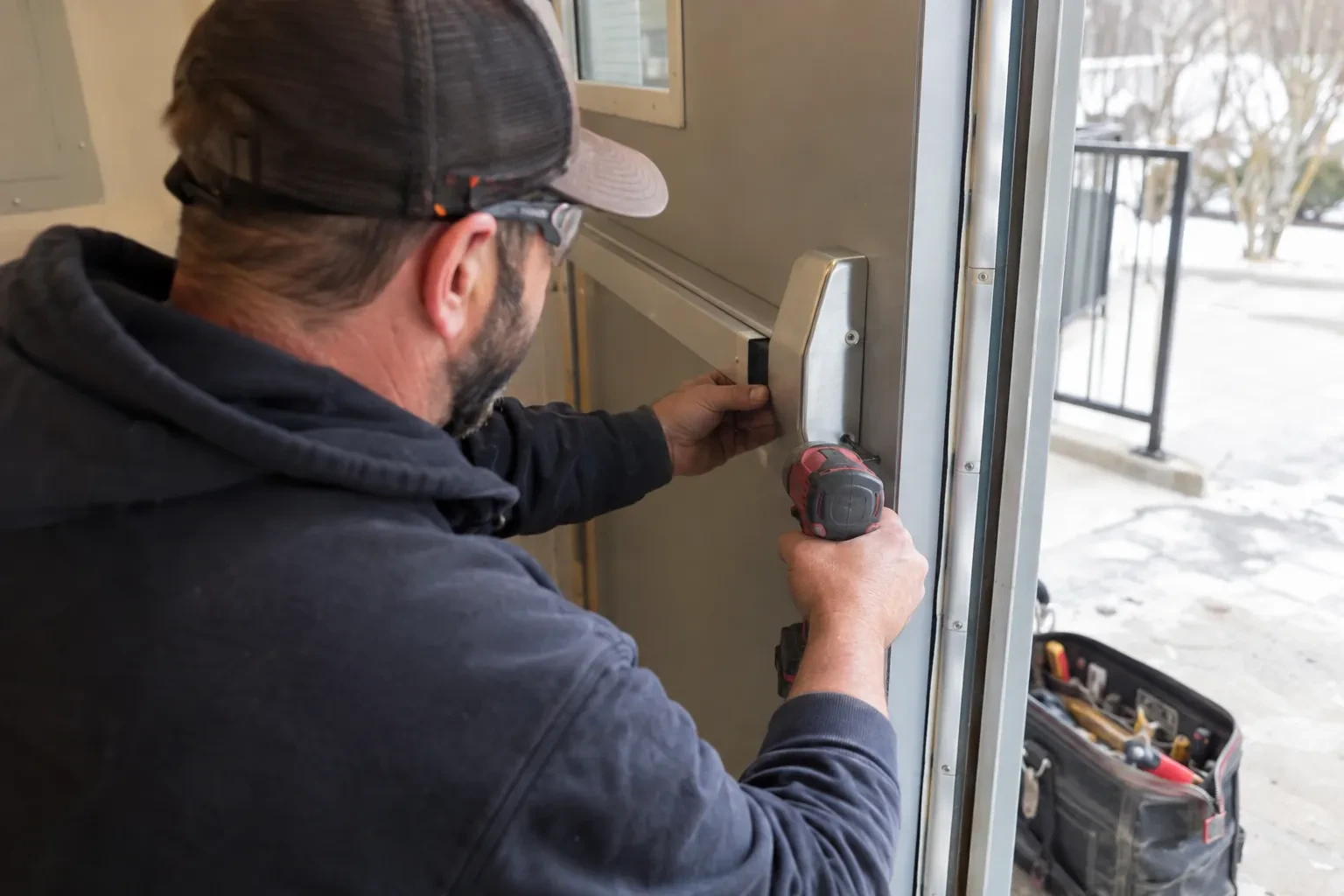
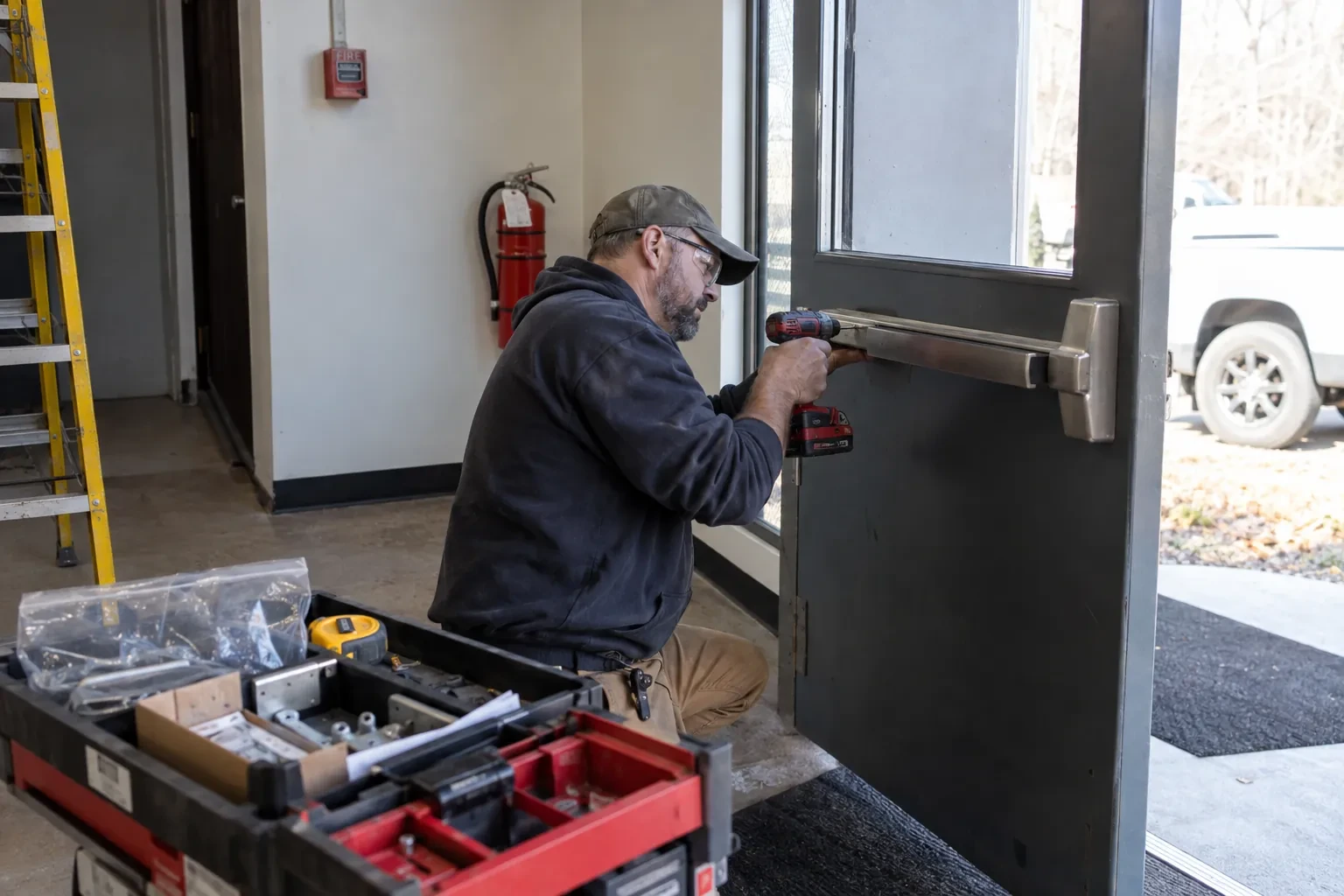
The fire inspector's note is blunt: the banquet hall's second exit still turns on a deadbolt, and the crowd it is rated to hold needs a door that opens under one motion, no key involved.
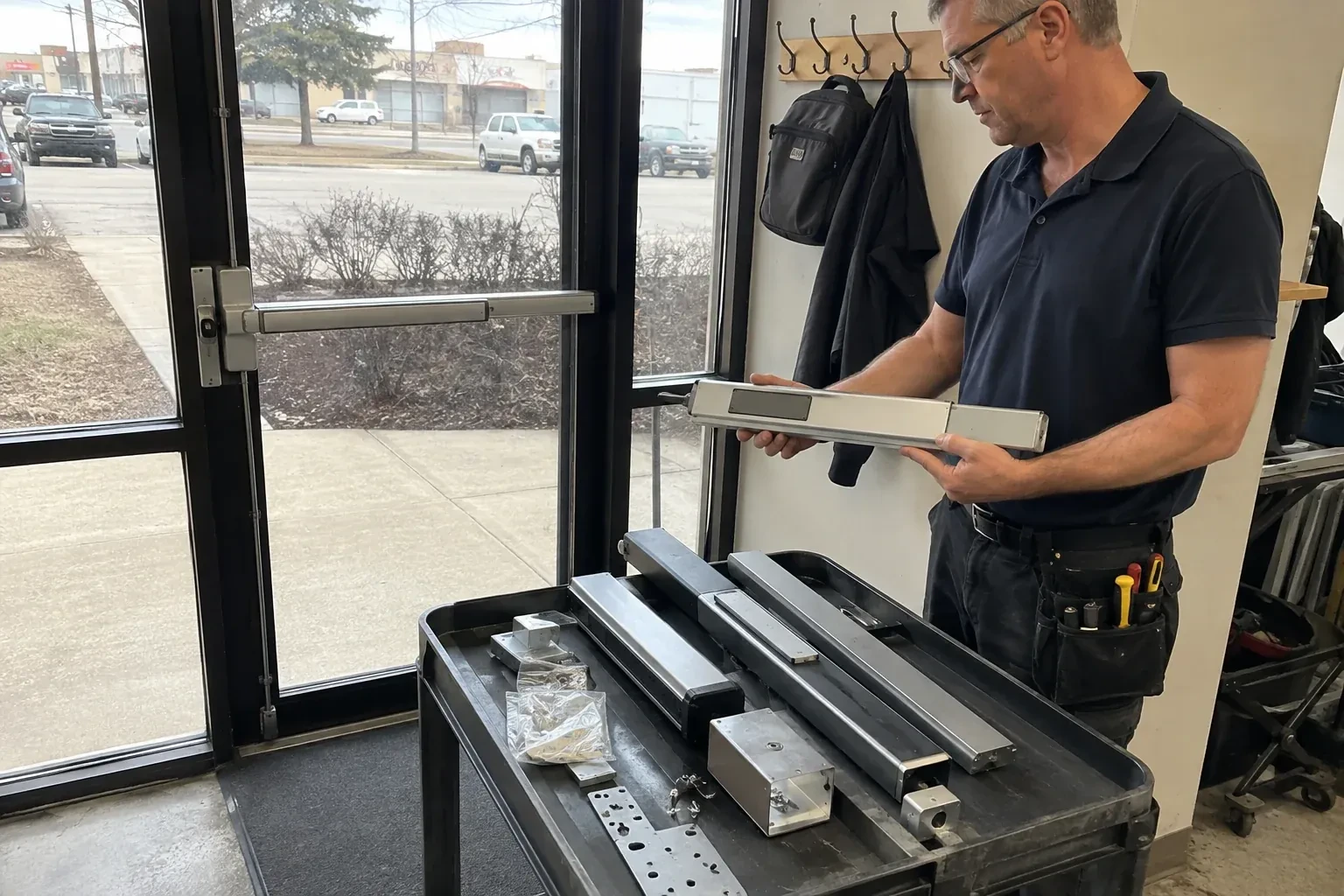
WhyElectrified exit hardware adds a layer without changing the basic behaviour of the door: a person inside can still leave under one motion of the hand, every time.
You stepped out at the pump to pay inside, the passenger locked their door out of habit, and the driver's door caught behind you.
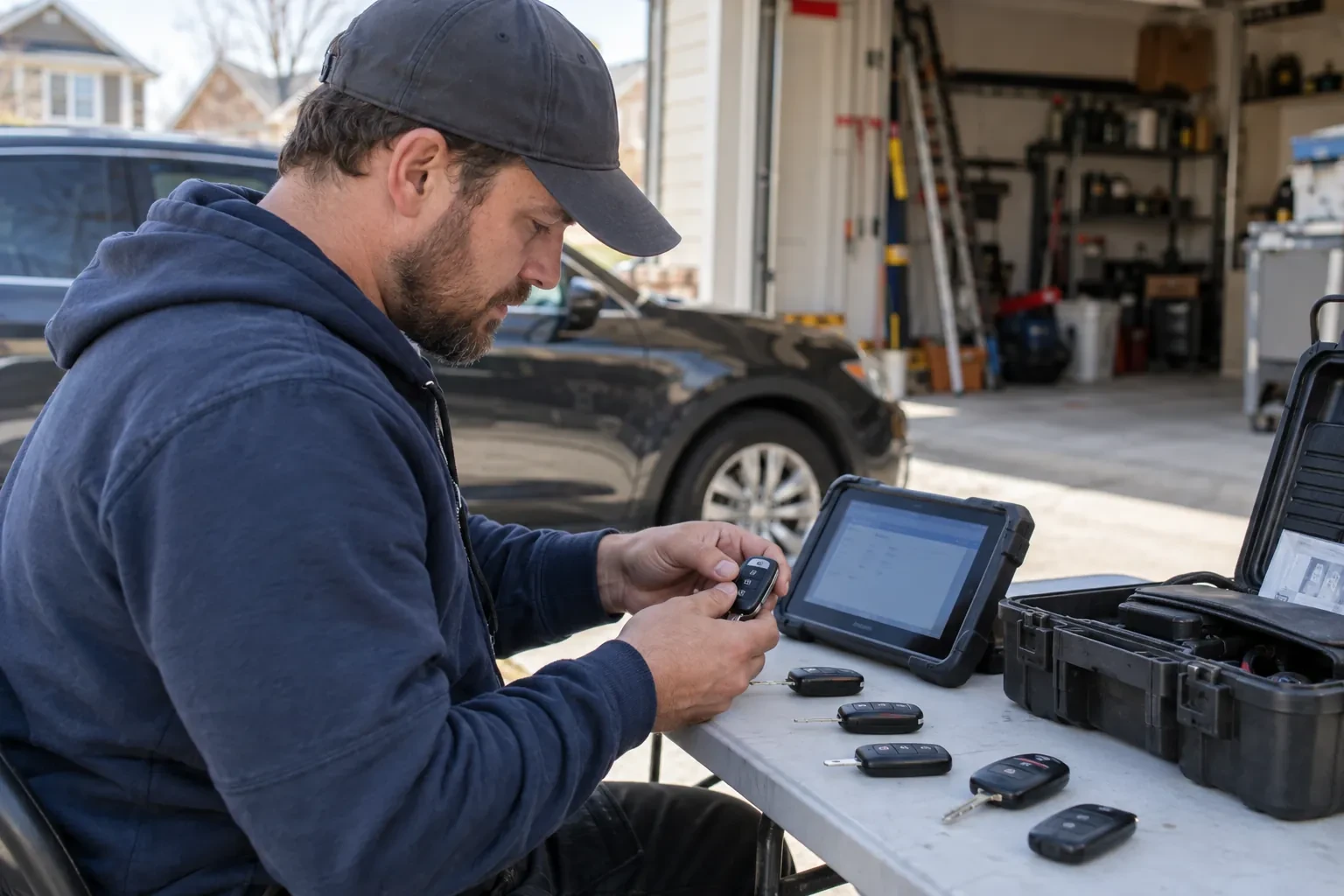
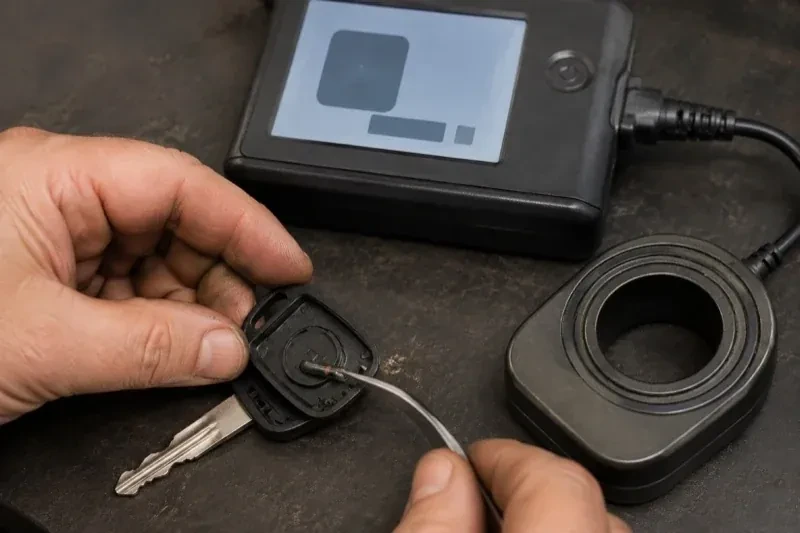
WhyTransponder-based immobilizers became mandatory equipment on new vehicles sold across the country from September 2007 onward, though many manufacturers had already been fitting them for years before that date.
Good days. Start with a turn.
1/9Home Lockout Service
The key slides in and turns all the way round, but the bolt stays put. There is no click, no resistance, just a key spinning in a lock that has stopped listening to it after years of daily use.
The old mortise lock on the front door of the house turns the key halfway and stops with a dull clunk. It has been getting harder for months, and the brass key is starting to show a bend.
The key turns freely in the round cylinder on the door, all the way around and back, without the bolt shifting at all. The cylinder itself wobbles slightly when you press it, as if it has come loose inside the door.
Your mother still lives on her own, and the personal support worker, the pharmacy delivery and two siblings all need to get in on different days. Cutting keys for everyone feels wrong; a code for each person, with a log, feels right.
The mail slot on the shop's exterior wall has a small compartment lock that a former employee still has a key to, months after they left. Nobody on staff can say with any confidence who else might hold a copy.
The fire inspector's note is blunt: the banquet hall's second exit still turns on a deadbolt, and the crowd it is rated to hold needs a door that opens under one motion, no key involved.
You stepped out at the pump to pay inside, the passenger locked their door out of habit, and the driver's door caught behind you. The engine is off, the keys are in the ignition, and the line of cars behind you is growing.
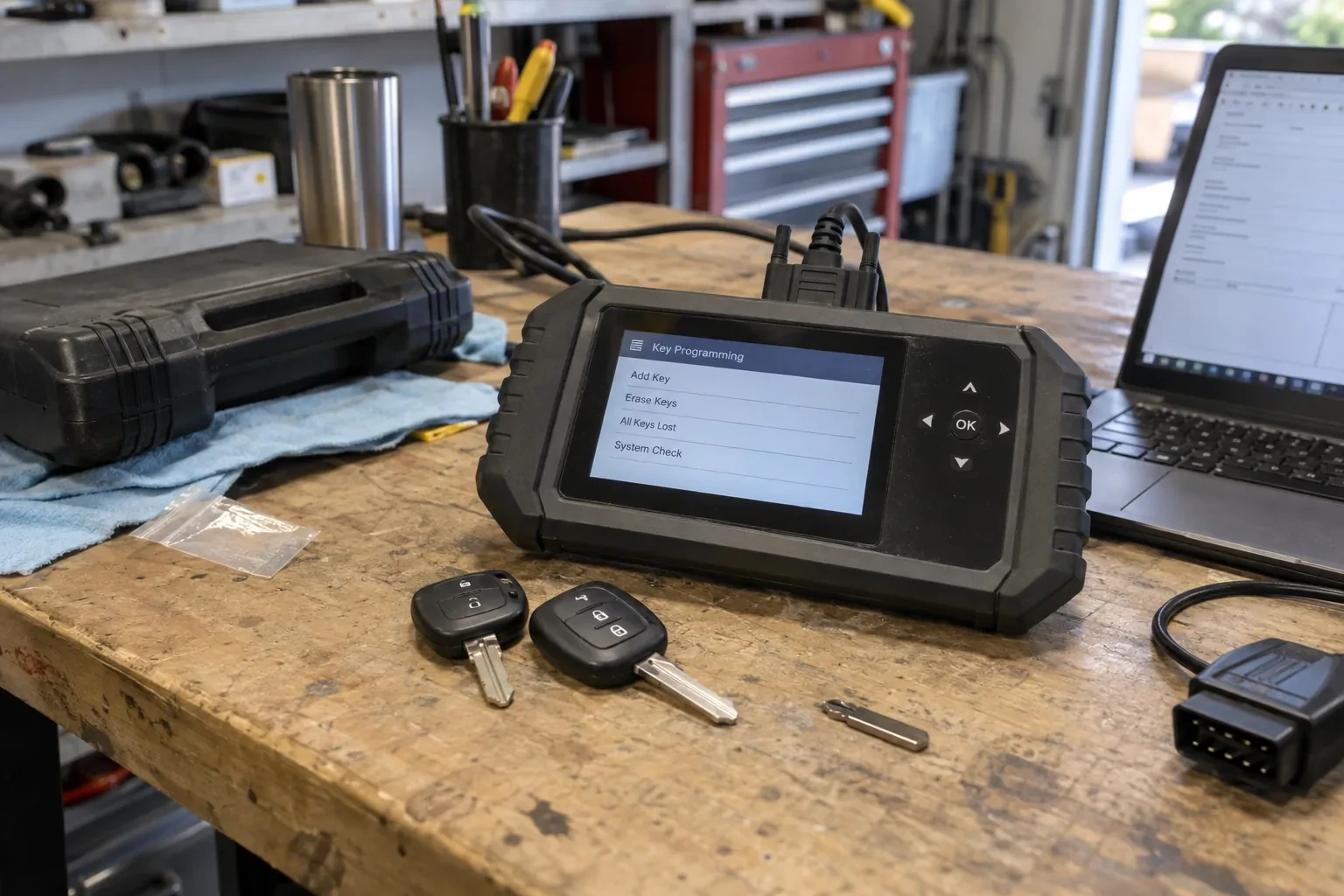
A fob went missing weeks ago somewhere between a coat pocket and a parking lot, and a spare has covered the gap since. Everything still opens and starts without trouble, which is exactly the concern: wherever that missing fob ended up, it may still work too.
The car came with a single key when the sale went through, and that key is the only thing standing between the household and being stranded. A second one has been on the list for weeks, quietly moved down every time something more urgent came up.
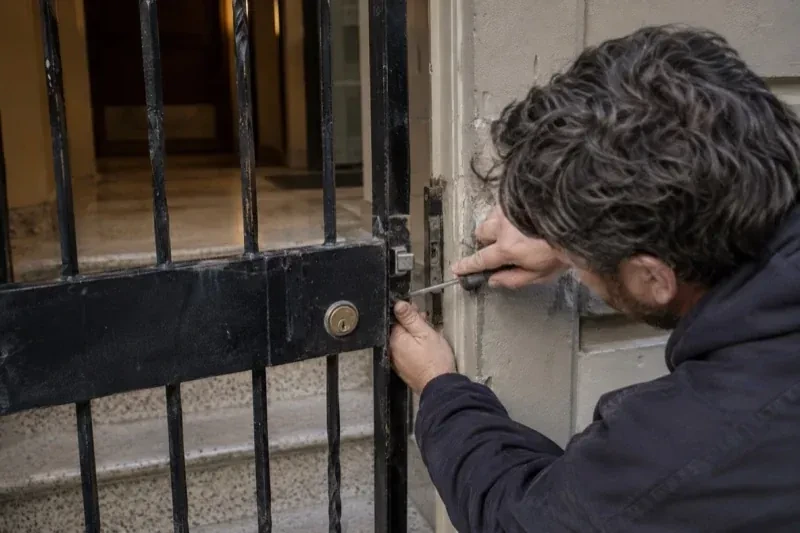
In most residential lockouts the lock is untouched. Picking, decoding and latch tools operate the mechanism the same way your key does, so there is nothing to repair afterwards. A drill only appears when a cylinder is seized, plugged by a snapped key or engineered against picking, and you hear about that before it starts. Should it come to that, replacement hardware goes on before the locksmith leaves so you lock up normally that evening.
What is a tailpiece, and why does it matter here?
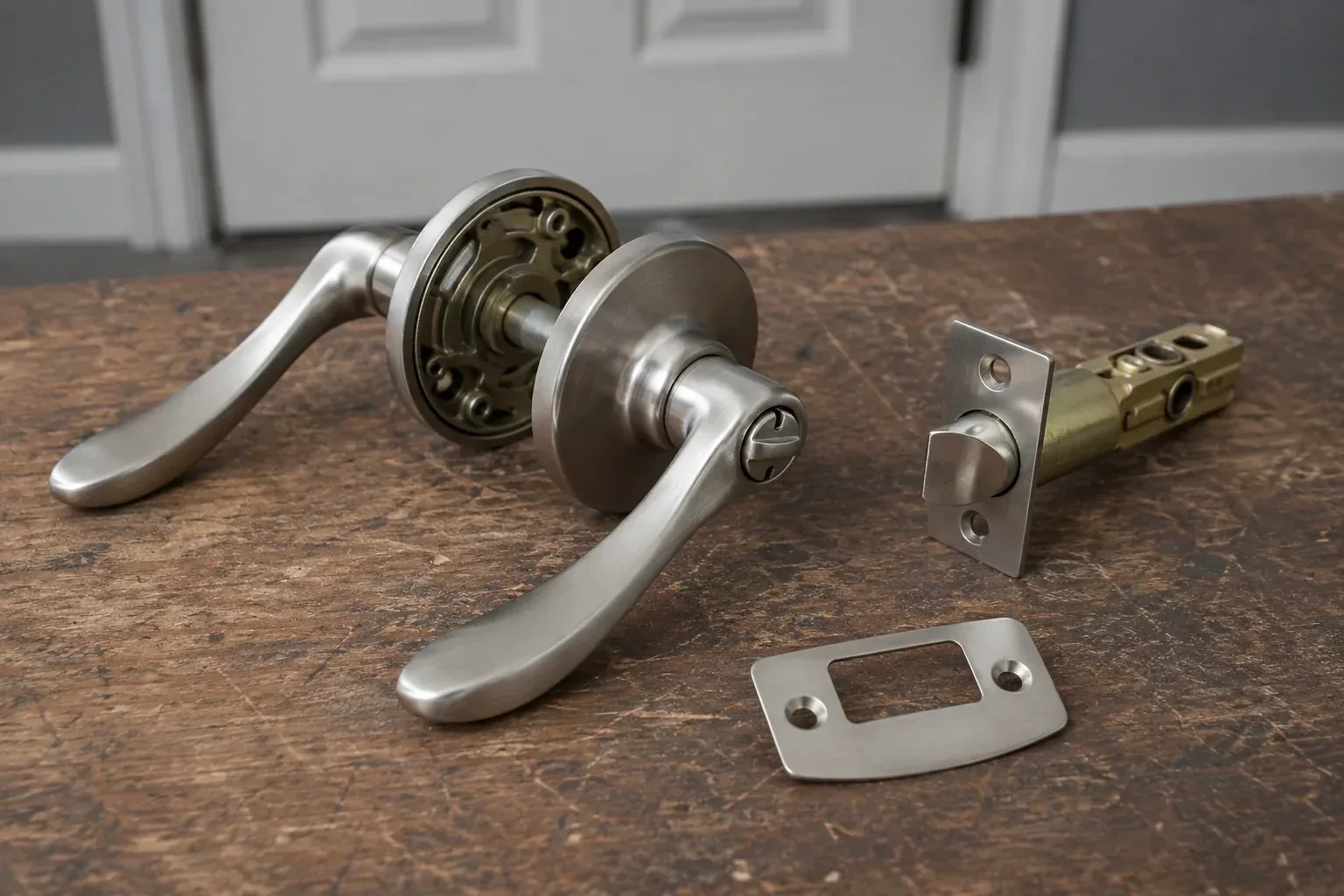
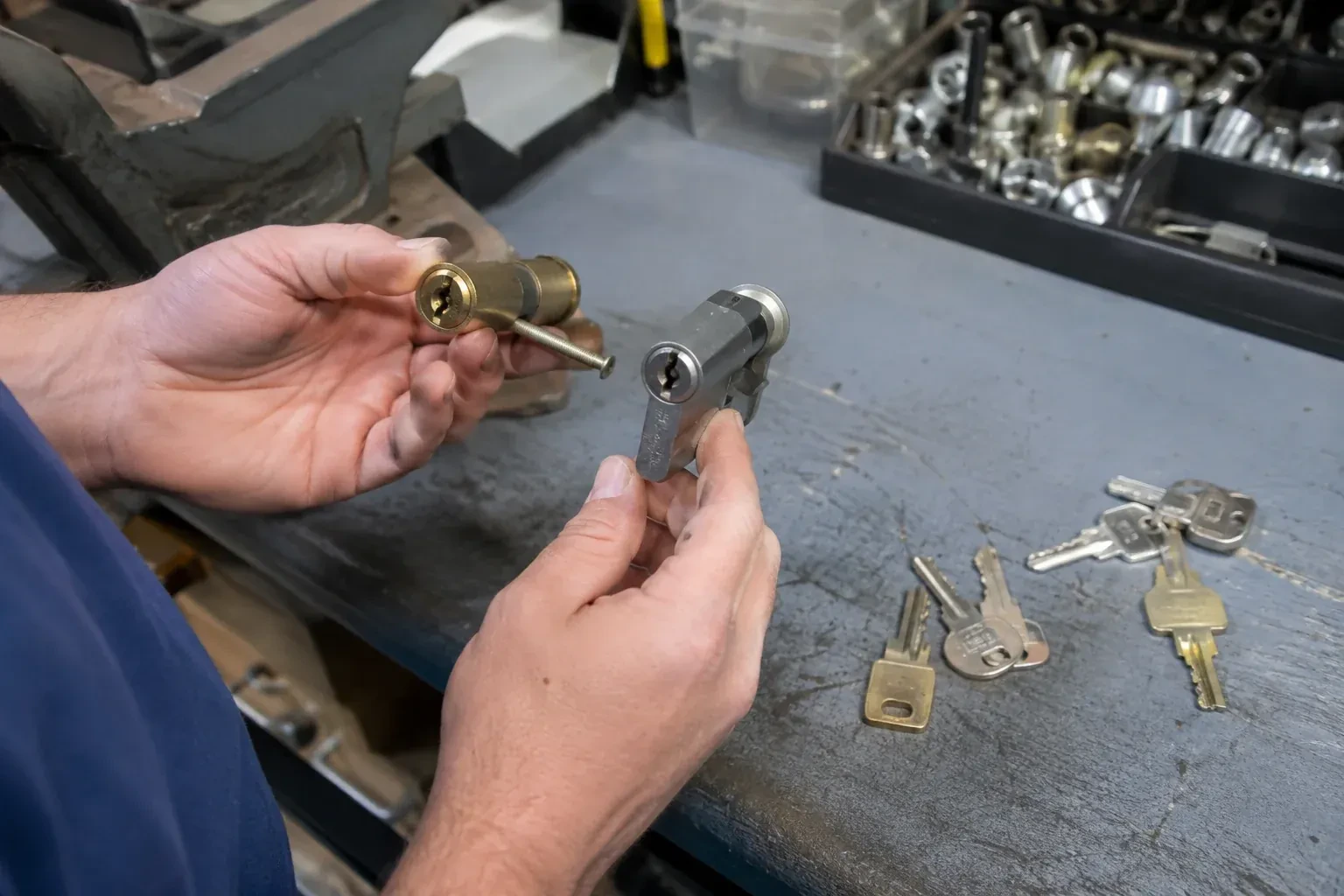
The tailpiece is the flat bar that sticks out of the back of a deadbolt cylinder and turns the bolt mechanism when the key turns; on a knob or lever set the equivalent part is a cam or spindle. It carries all the twisting effort, so a bent, worn or broken one is the reason a key can turn without anything happening. It is a small part to replace, it comes in several lengths, and the right length matters.
The key turns all the way round but the bolt stays put. What is wrong?
On a cylinder mortise lock this points to the cylinder rather than the case. The set screw that holds the cylinder in the door has loosened or stripped so the whole cylinder rotates, or the cam on the back of the cylinder has worn or is the wrong shape and no longer catches the bolt lever. Both are fixed by resetting or replacing the cylinder and its set screw, and the case itself is usually fine.
I am a landlord. Are smart locks a good fit for my rental?
They suit turnover well: a departing tenant's code is deleted and a new one created without cutting keys or wondering about copies. Two things to plan for. The tenant in place must always have a working way in, which usually means their own code plus a key to the override cylinder, and any lock change on an occupied unit is done with the tenant's knowledge. Set the administrator account up under the property, not a departing employee, so control stays with you.
How many keys do I get when the lock is changed?
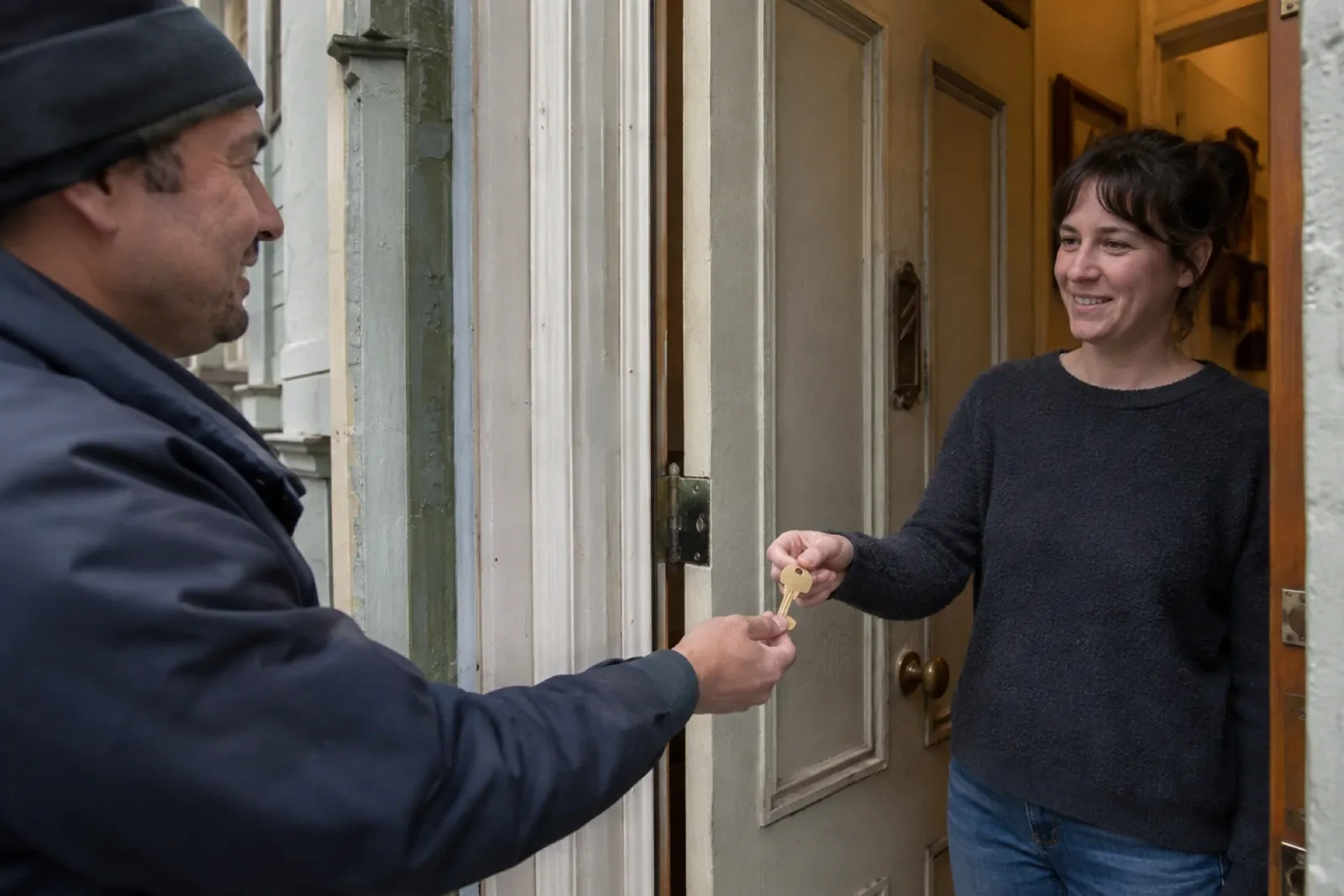
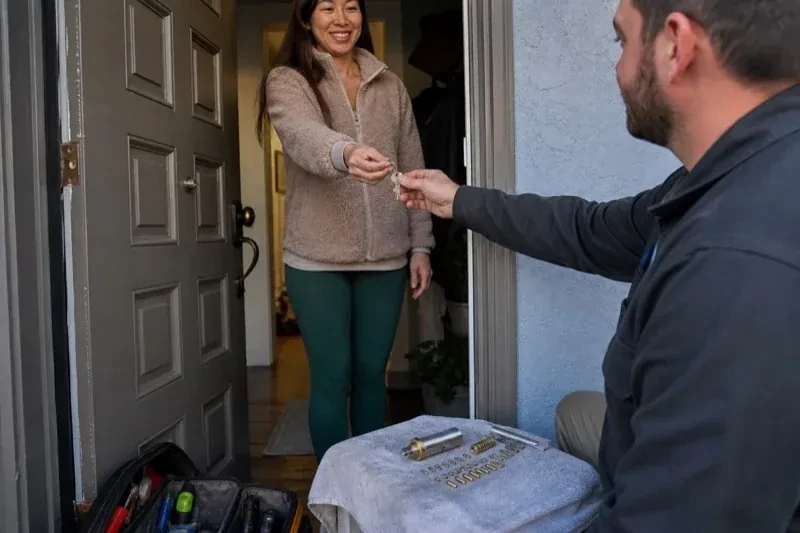
Two keys is standard, cut from blanks matched to the new lock and tested in the door before the visit ends. Additional keys for another household member, or for someone who collects mail while you travel, are cut on the spot if you ask, rather than needing a separate stop at a hardware store afterward.
Can a padlock or extra deadbolt stay on a door that has this hardware?
No additional fastening should stay on an exit door that does not release the same way the primary device does. A hasp, padlock or separate deadbolt added at some point for extra security is a common finding on an older door, and removing or replacing it with something that releases under the same push is part of bringing that opening back to a single, reliable exit.
Will you need to see identification before opening my car?
Yes, and it is the part of the visit that protects you most. Photo identification matched against the vehicle permit, the insurance card or a rental agreement shows the car is yours to open. The permit carries the owner's name and plate number, so the match is straightforward. Roadside clubs ask their locksmiths for the same check, and every car owner benefits from a trade that asks before it opens.
What should I do if my fob gets wet?
Remove the battery as soon as possible and let the fob dry completely before testing it again, since a battery left in contact with a damp circuit board usually causes the lasting damage rather than the water itself. If the fob still fails to respond once it is dry, the shell and battery contacts are worth checking before assuming the electronics are beyond repair.
What's the difference between a transponder key and a key fob?
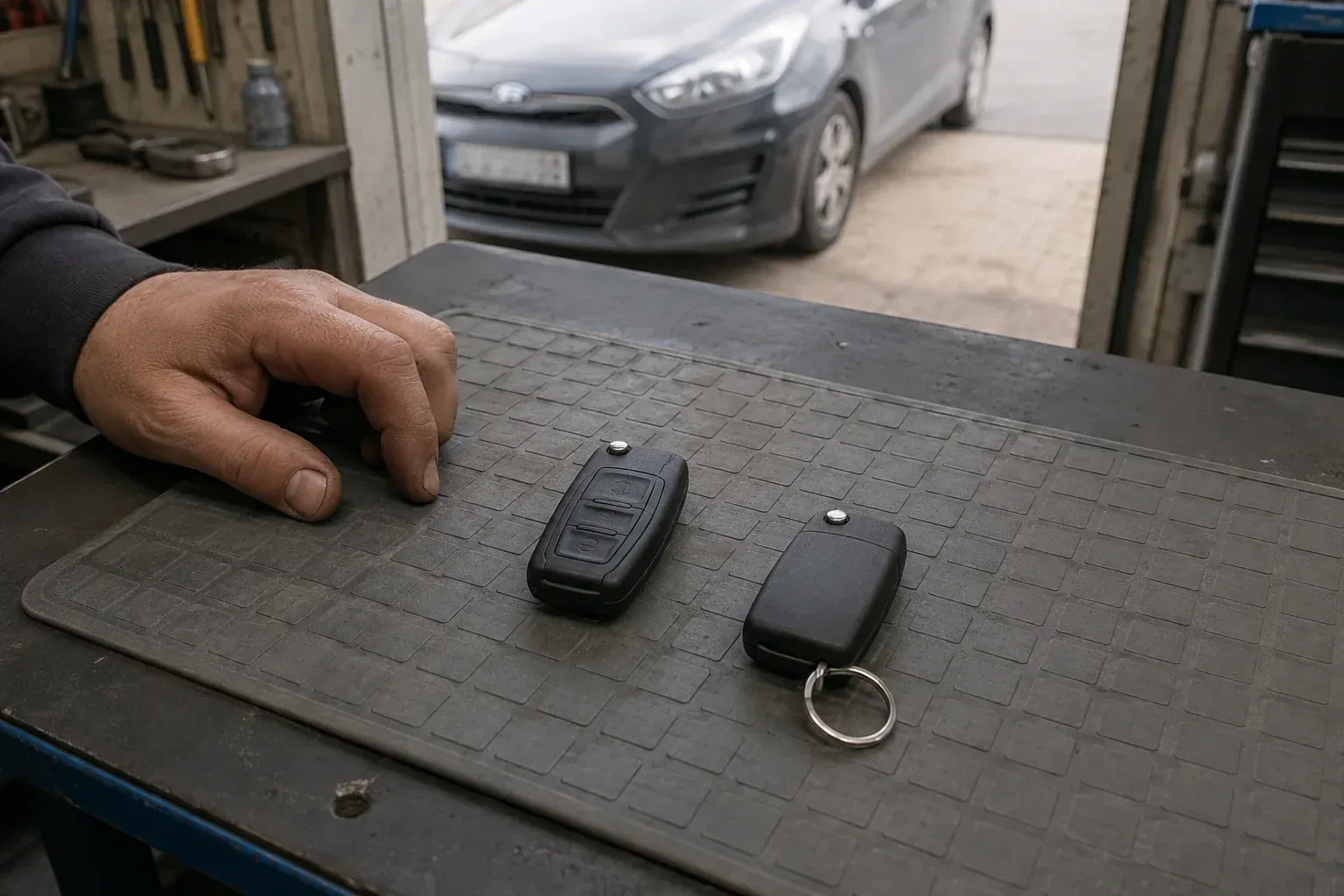
The transponder is the passive chip that talks to the immobilizer and lets the engine start; it needs no battery of its own. The fob is the separate, battery-powered piece that handles remote locking, unlocking and alarm functions. Many modern keys combine both in one housing, but they answer two different systems, which is why a fob with a dead battery can still start the car with its mechanical blade.
Request a visit
We are straightforward about time. A locksmith heading to Wexford Heights calls when he is on the way, gives you an honest sense of how long the job will take once he has seen the door, and tells you if something changes. Nobody is left watching the driveway wondering, and nobody discovers the visit ran long only when the invoice arrives.