Car keys · Toronto
Car Key Replacement
The key snapped at the head while you were turning it in a stiff, frosty door lock.
In plain words
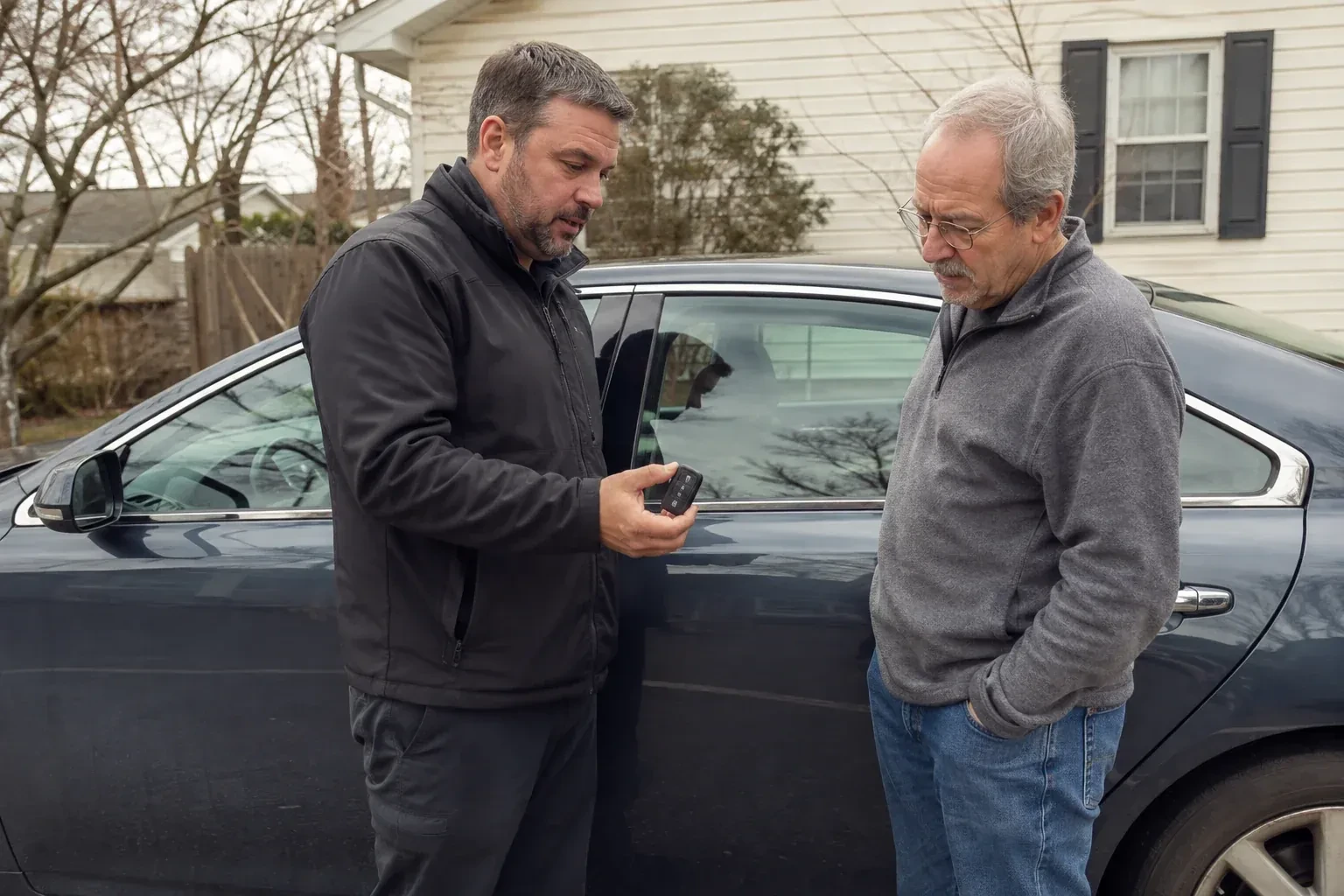
It helps to think of a car key as several parts sharing one case. The metal blade is the mechanical part; it opens the doors and, on older cars, turns the ignition. The transponder is a small chip with no battery that answers the immobilizer when the key is near the ignition; without the right answer the engine refuses to run. The remote is a separate radio circuit with its own battery that works the lock, unlock, trunk and panic buttons. A proximity fob adds hands-free entry and push-button start. Replacement can involve any or all of these, and a good visit begins by working out which ones you need.
How the visit goesThe car is yours now, but somebody else still holds a key to it. Adding another key is not enough; you want the old ones to stop working the vehicle so the question is settled for good.
Car Key Replacement
How the visit goes
Which functions the new key should have
Not every key for the same car does the same things, so the locksmith asks what the old one did and what you would like now. Lock and unlock are standard; trunk release, panic alarm, remote start and memory seat recall depend on the fob part number and how the car is equipped. Phone-as-a-key is separate, set up through the vehicle's own software and account rather than by fob part number. Some owners want a plain spare key; others want a full duplicate of the original fob. Naming the functions up front means the right part is fitted and each one is tested at the end.
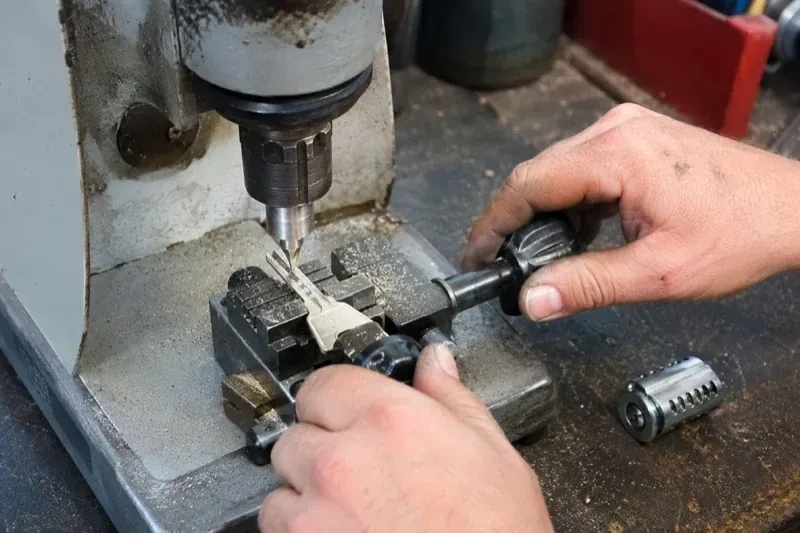
Milling a high-security blade
Many vehicles from the last two decades use an internal-cut key, sometimes called a laser-cut or sidewinder key, with a wavy groove milled into the flat of the blade instead of teeth along its edge. These are produced on a milling cutter that follows the code to a fine tolerance, because the wafers in a high-security lock have little forgiveness for an off-depth cut. The blank is clamped, the groove is milled on both sides, the burrs are cleaned off and the blade is checked in the lock for smooth travel. A blade that drags or catches is recut rather than forced.
Ownership paperwork kept in order
The visit closes with your documents back in your hands and a copy of the authorization record kept by the locksmith, which is the industry's way of tying every key made to a named owner and a VIN. It is a good moment to check that the vehicle permit is current and in your name, especially after a private purchase, since the ownership transfer is what makes future key service straightforward. Keep the permit in your wallet or with your licence rather than in the glovebox next to a spare key, so a break-in gives nobody both the car's identity and a way to drive it.
Car Key Replacement
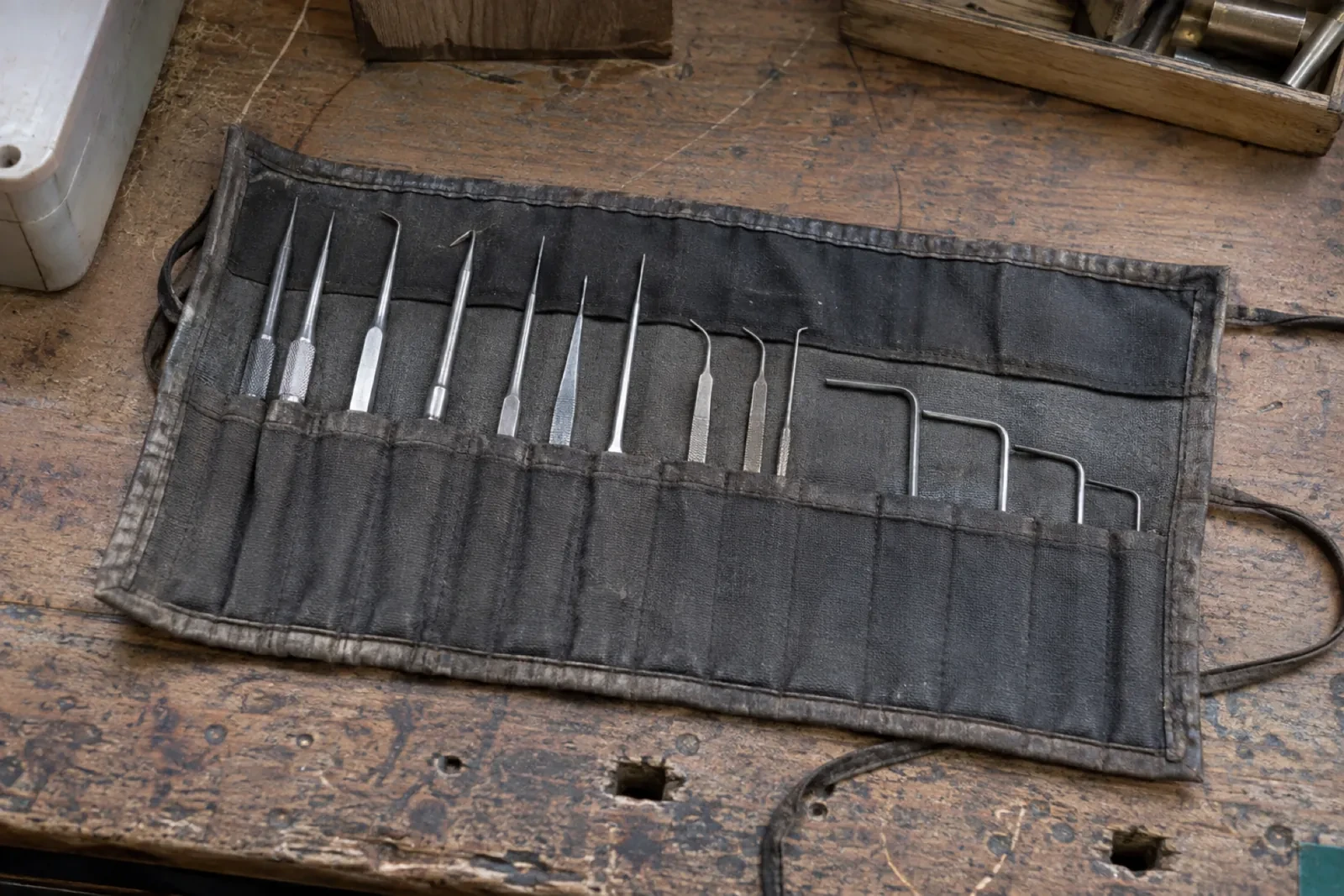
In the van
Remote frequency tester
Vehicle battery maintainer
Decoding pick and lock reader
OBD programming tool
Laser-style milling cutter
Car Key Replacement
What affects the quote
Where the vehicle is
Travel is part of every mobile call. A car on a driveway across town and one in a lot at the end of a rural road involve different trips, and the quote reflects the distance.
How many keys you leave with
Each key is a blank, a cut and a programming slot, so the total follows the count. Making the spare during the same visit is usually the sensible time to do it.
Erasing the keys you no longer hold
Removing lost or stolen keys from the immobilizer during the session is a small extra step, and re-registering the keys you kept follows it. If you want the old keys silenced, say so and it is quoted.
What to have ready
- How many keys would you like to leave with?
- Does the car start with a key in the ignition or with a push button?
- Is the car registered in your name, leased, or owned by a company?
Car Key Replacement: questions
QuestionsAfter a break-in the doors and ignition are on different keys. Can that be fixed?
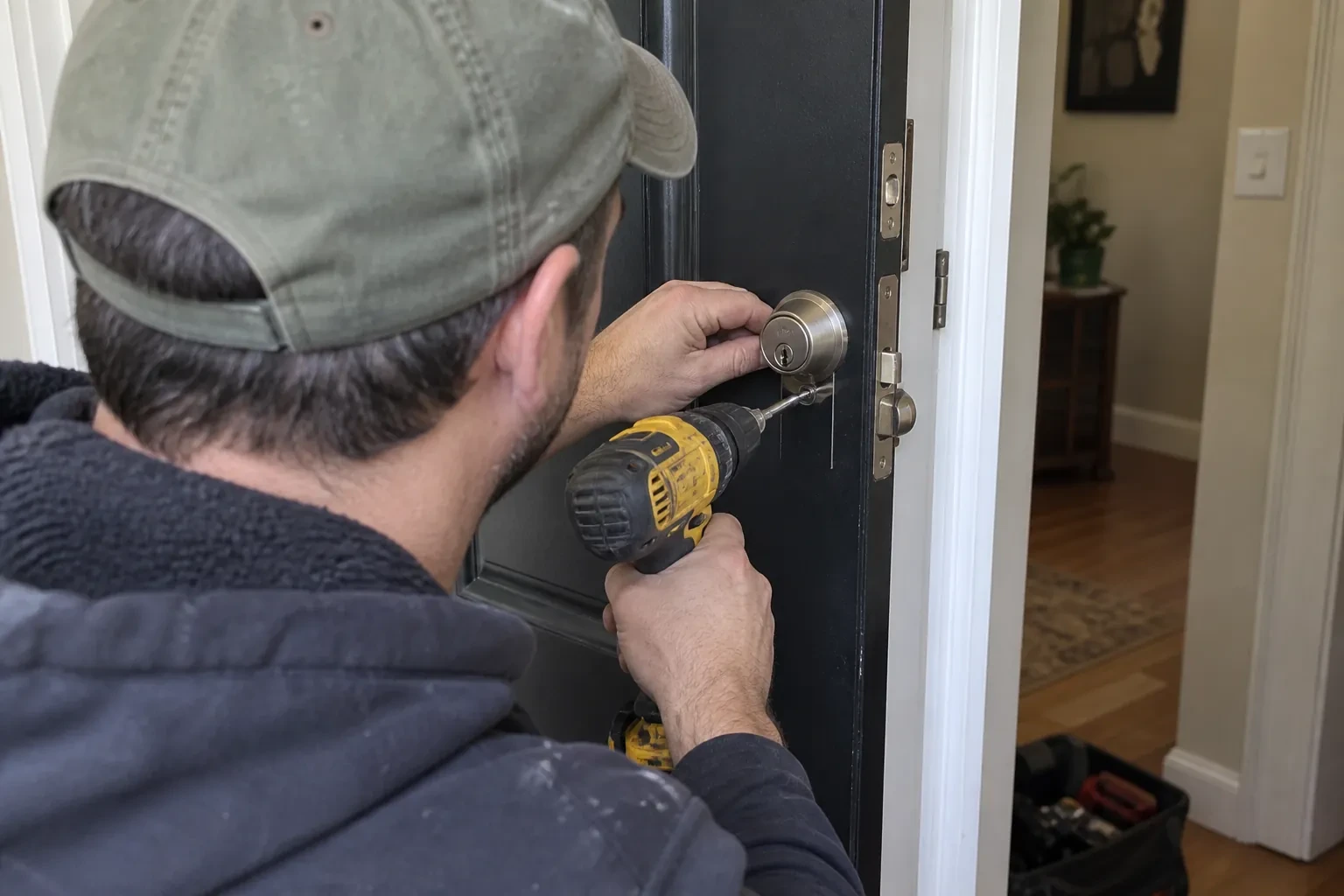
Yes. When a door lock is forced and replaced, or an ignition is swapped, the car can end up needing two blades. A locksmith can rekey the replacement cylinder to match the surviving one, so a single key operates every lock again, and cut new keys to that combination. The transponder side is unchanged by the lock work, so your existing programmed keys carry on starting the car once the blades match.
Can a key be made for an older car with no chip?
Yes, for a vehicle that genuinely has no immobilizer, checked by VIN and equipment rather than assumed from age, since several early-2000s vehicles already shipped with a factory immobilizer and coded key. Where that is the case, it is the simplest key work there is: a blade cut to the factory code from the VIN or to a reading of the door lock, rather than copied from a worn original. If the ignition has become sloppy, the locksmith can rebuild it in the same visit.
The fob died in the cold. Is that a battery or the key?
Almost always the battery. Coin cells deliver less in deep cold, and a cell that was already weak goes quiet on the first bitter morning. Most cars still start with a flat fob if it is pressed to the start button or laid in a marked slot, and the emergency blade opens the door. Replace the cell, and if the fob stays silent with a fresh one, the remote board or a corroded contact is the next thing to look at.
Related services
- Spare Car Key DuplicationThe paperwork for the used car changed hands last week, and the previous owner mentioned, almost as an afterthought, that a second key never turned up.
- Key Fob ProgrammingA replacement fob just arrived in its box, shiny and untouched.
- Transponder Key ProgrammingEvery key that ever opened the car is gone at once, one taken with a stolen bag, the spare misplaced months ago and never replaced.