Change or rekey · Toronto
Lock Replacement & Upgrade
The house is fifteen years old and every exterior door still wears the light hardware the builder fitted: a short bolt, a thin strike held by two small screws, and a knob lock that never suited a street entrance.
In plain words
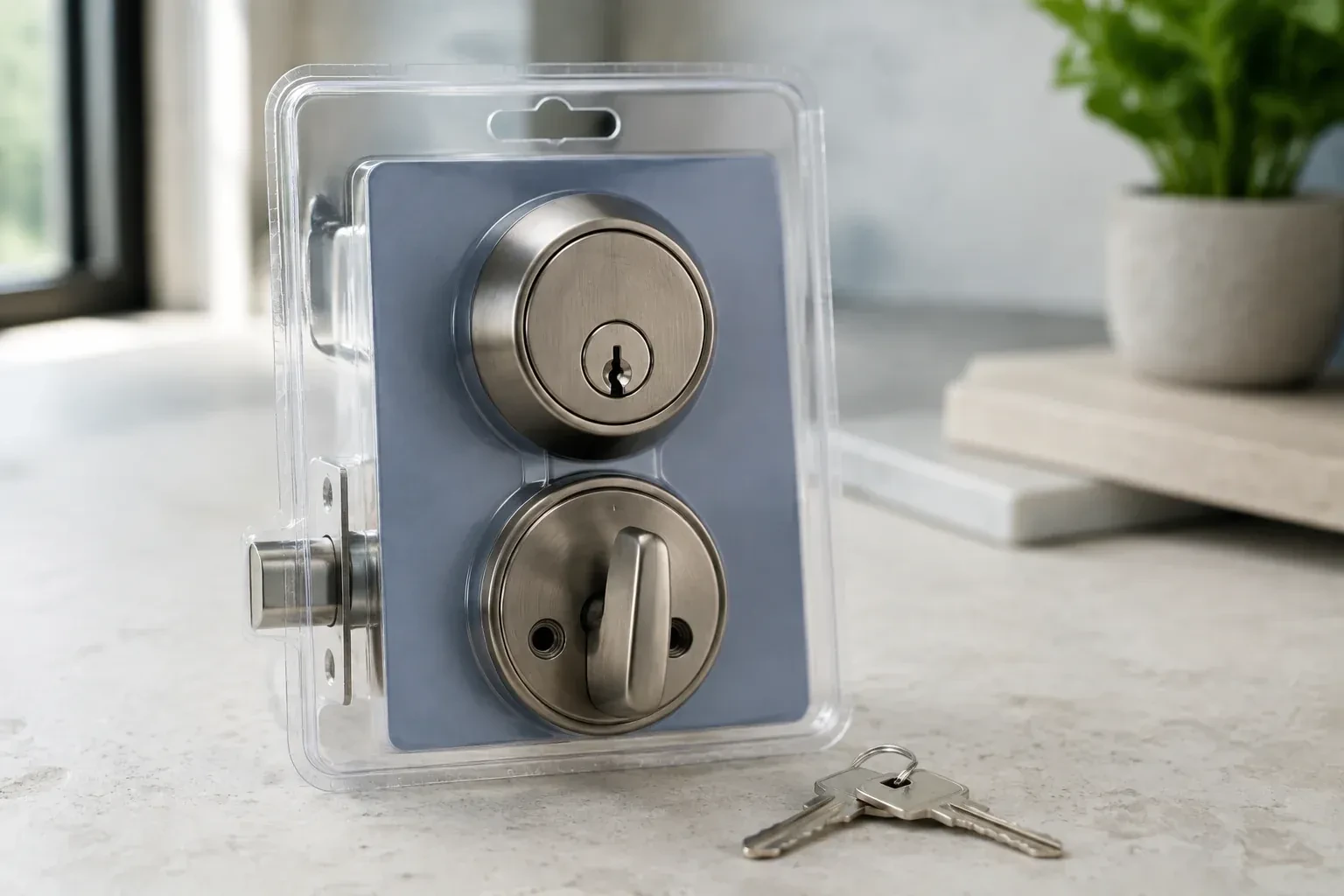
When people say upgrade they usually mean a heavier lock, and there is a real scale behind that word. Builders hardware in North America is graded to ANSI/BHMA standards, with Grade 1 the highest and Grade 3 the lightest, and residential products carry a separate label scoring security, durability and finish. A higher grade certifies stronger performance on the standard's own tests, and moving up often brings a longer hardened bolt, a sturdier housing, pins that resist picking and a strike built to anchor into the framing, though the exact features depend on the model. The locksmith explains which grade fits which door.
How the visit goesSomeone tried the back door while you were away. The jamb is splintered around the strike, the bolt is bent, and the knob turns with a grinding feel. Everything held, barely, and you want hardware that would do better next time.
Lock Replacement & Upgrade
How the visit goes
How the old lock behaves in use
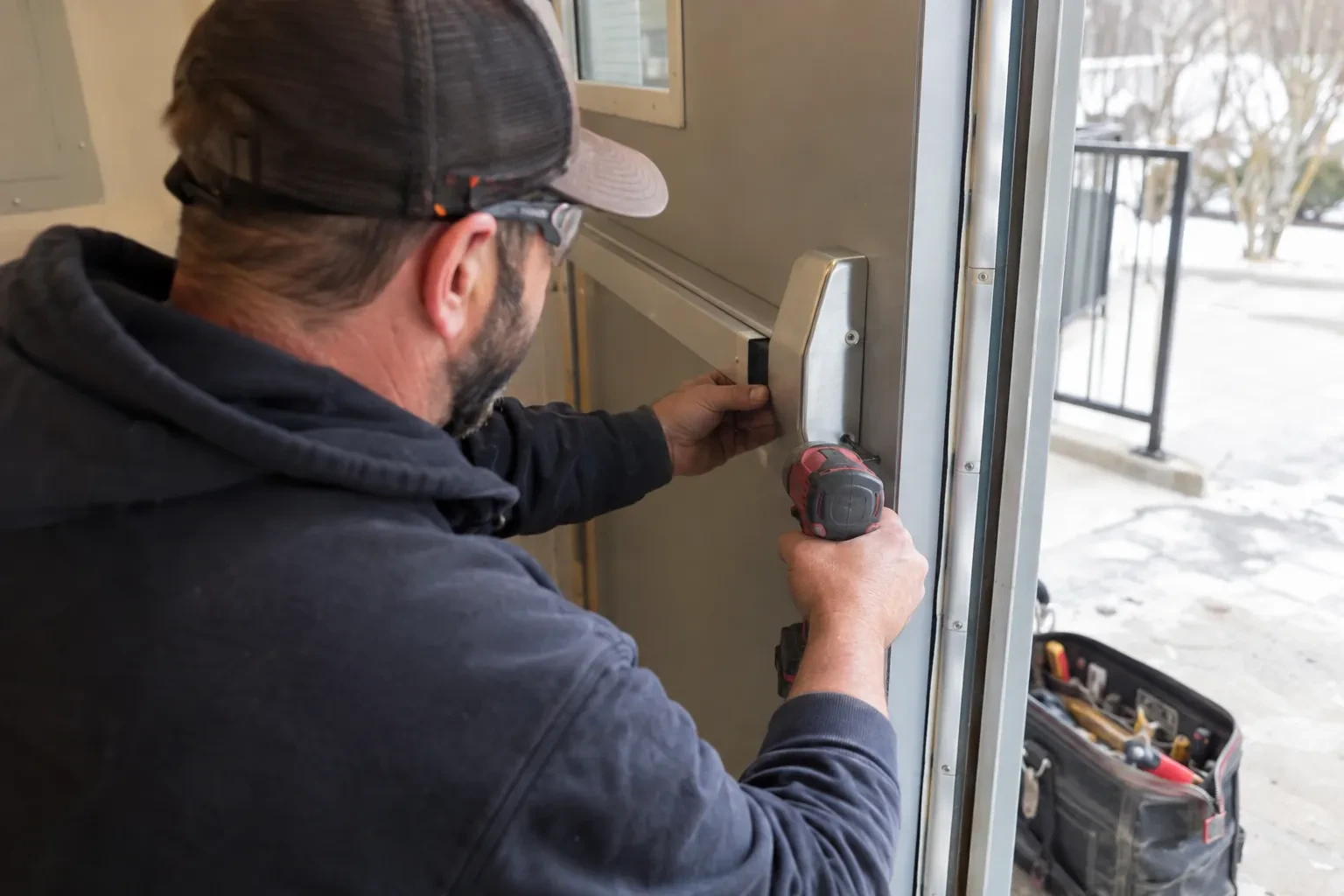
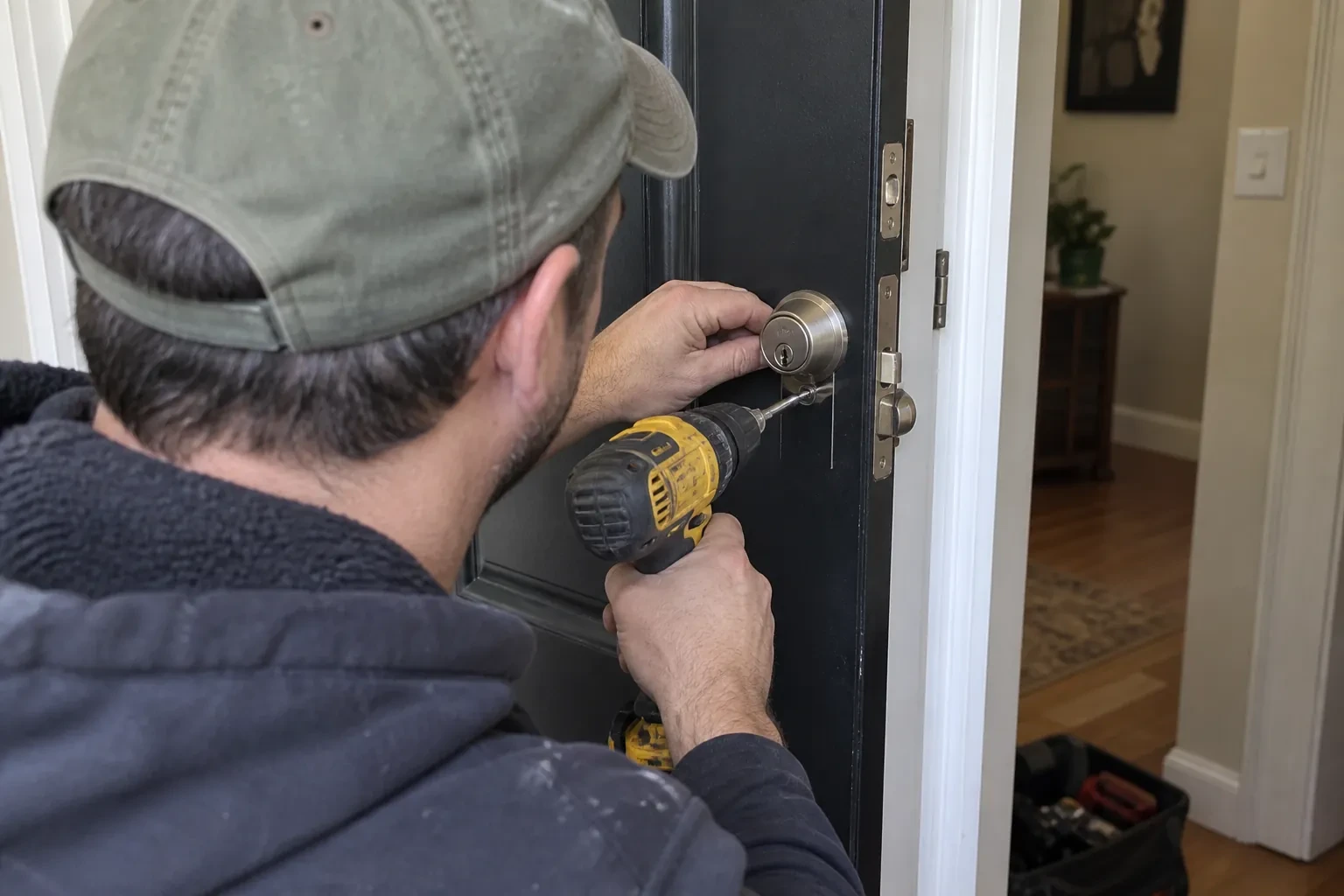
The locksmith works the existing hardware the way you do every day and watches for the tell-tale signs. A key that must be lifted or wiggled points to worn pins or a worn key. A knob that turns too far, or a lever that droops, suggests a tired spindle or spring. A latch that stays retracted, or a bolt that stops short, can be internal wear or something outside the lock altogether. Doing this with the door open first, then closed, separates faults inside the mechanism from faults in the fit of the door, and that distinction decides whether new hardware is the answer or part of the answer.
Fitting the latch or bolt to the door
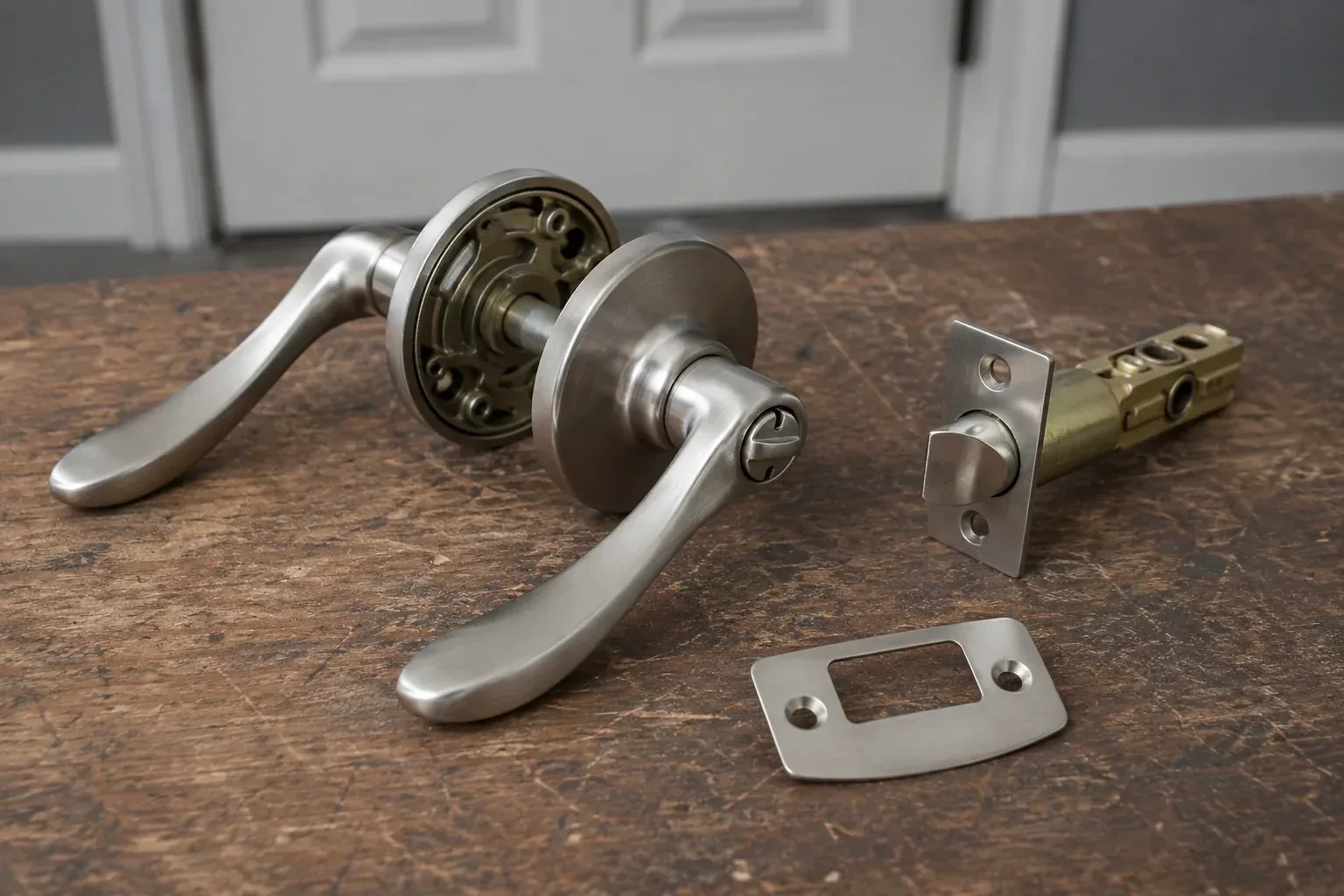
Most modern latches and bolts adjust between the two common backsets, so the unit is set to the measured figure and slid into the edge bore. A spring latch goes in with its bevel facing the strike, while a deadbolt is oriented the way its markings or instructions call for, not by that bevel rule. The faceplate should sit flush in its mortise; where the old cut-out differs in shape or size, the mortise is trimmed with a sharp chisel, or a round drive-in collar is used where the door was prepared that way. The bolt is checked to travel freely before anything else goes on, since a bolt that binds in the door will bind under the key too.
Simple habits that keep new hardware new
New locks ask very little. Once or twice a year, or at whatever interval the lock maker specifies, a puff of the lubricant that maker calls for in the keyway and a few turns of the key keep the pins moving freely, since the wrong product for that cylinder gathers grit instead of helping it. In winter, wipe salt spray off the exterior hardware when it appears, since salt is the finish's main enemy here. Each spring and fall, check that the hinge and strike screws are snug, because wood doors move with humidity and a dropped door makes a good lock feel worn. A key that starts to need coaxing is an early word from the cylinder.
Lock Replacement & Upgrade
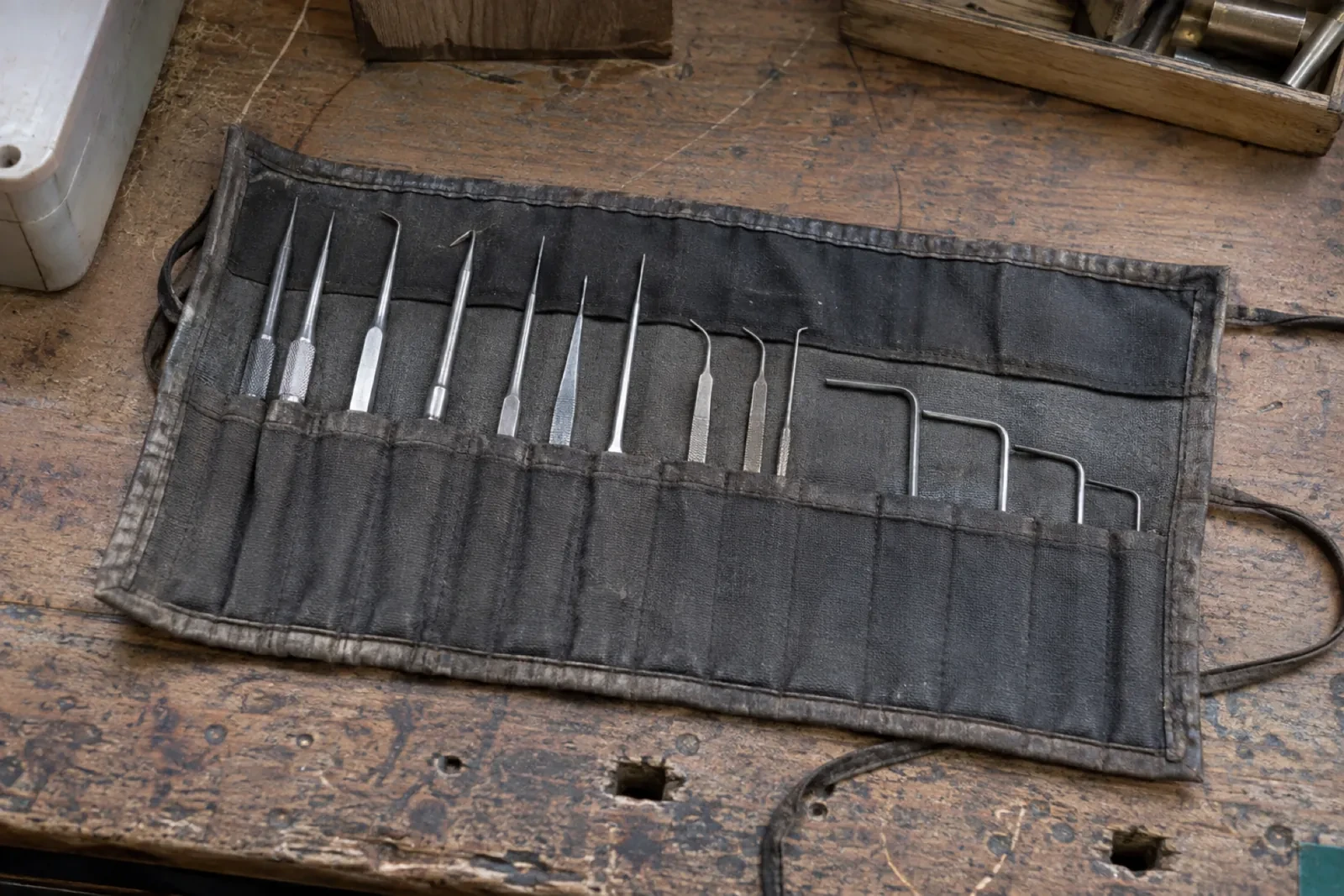
In the van
Reinforced strike plate and strike box
75 millimetre strike and hinge screws
Manufacturer-approved cylinder lubricant
Cylinders, plug follower and pinning kit
Graded deadbolt
Lock Replacement & Upgrade
What affects the quote
Patio and French door hardware
Sliding door mortise locks, foot bolts and flush bolts for an inactive French door leaf are specialty items sized to the door, and they are quoted as their own line beside the entrance work.
Special-order hardware
Most standard locks come from the van. A specific style, an unusual finish or a restricted system may need ordering, which affects scheduling and is noted in the quote rather than discovered on the day.
Older and mortise hardware
Servicing an original mortise case, sourcing a compatible cylinder or fitting a conversion plate on a century door involves more assessment and fitting time than a standard cylindrical replacement.
What to have ready
- Which finish should the new hardware match?
- Can you photograph each lock from outside, inside and along the door edge?
- Is the problem wear, damage, looks, a change of function or too many keys?
Lock Replacement & Upgrade: questions
QuestionsWhich finishes stand up to salt and winter?
Finish is one of the three categories on the residential hardware label, and it covers exposure to sun, humidity, salt and skin oils. In practice, PVD brass, satin nickel and stainless finishes tolerate a salted driveway well, powder-coated black holds up when it is not chipped, and traditional lacquered brass tends to bloom green where salt reaches it. A storm door or a small overhang helps any finish, and wiping salt off in a thaw helps more.
Can every door in the house work from one key?
Yes, provided the cylinders share a compatible keyway, which the locksmith checks when choosing hardware. New cylinders are pinned on site to a single new key and any existing locks worth keeping are repinned to match. Front, back, side and garage doors commonly end up on one key, and a shed or gate padlock can join them. You then decide how many copies exist and who holds each.
Will a new lock fit the holes already in my door?
Usually, yes. Most residential doors are prepared to standard sizes, a 54 millimetre cross bore and a backset of 60 or 70 millimetres, and most modern hardware adjusts between those backsets. The locksmith measures before choosing, so the new lock is matched to the door rather than the other way around. Where an older mortise lock or an unusual bore is found, filler plates, extension kits or a carefully jigged new bore bring the door to standard.
Related services
- Deadbolt InstallationThe old deadbolt has grown lazy.
- Vintage Mortise Lock ServiceThe interior bedroom doors on the second floor have the original mortise latches, and none of them close any more.
- Smart Lock InstallationThere are four copies of the front-door key floating around: one with the cleaner, one with a neighbour, one on a hook at your parents' place, and one you honestly cannot account for.