Lockouts · Toronto
Business Lockout Service
It is ten to nine, three staff are on the sidewalk with their coffees, and the key that has opened the glass front door for six years will not turn.
In plain words
Authority for a business is a question about the company, not just the individual at the door. An owner shows identification and something connecting them to the premises, such as the lease or the business registration. A manager or employee adds a call to the owner or head office, or a property manager who can vouch for them. A commercial landlord brings the lease terms or written instruction that supports the request. Good locksmiths treat this as the opening step of every business lockout and help find the right document rather than guessing, because the same care protects the business the next time a stranger claims to work there.
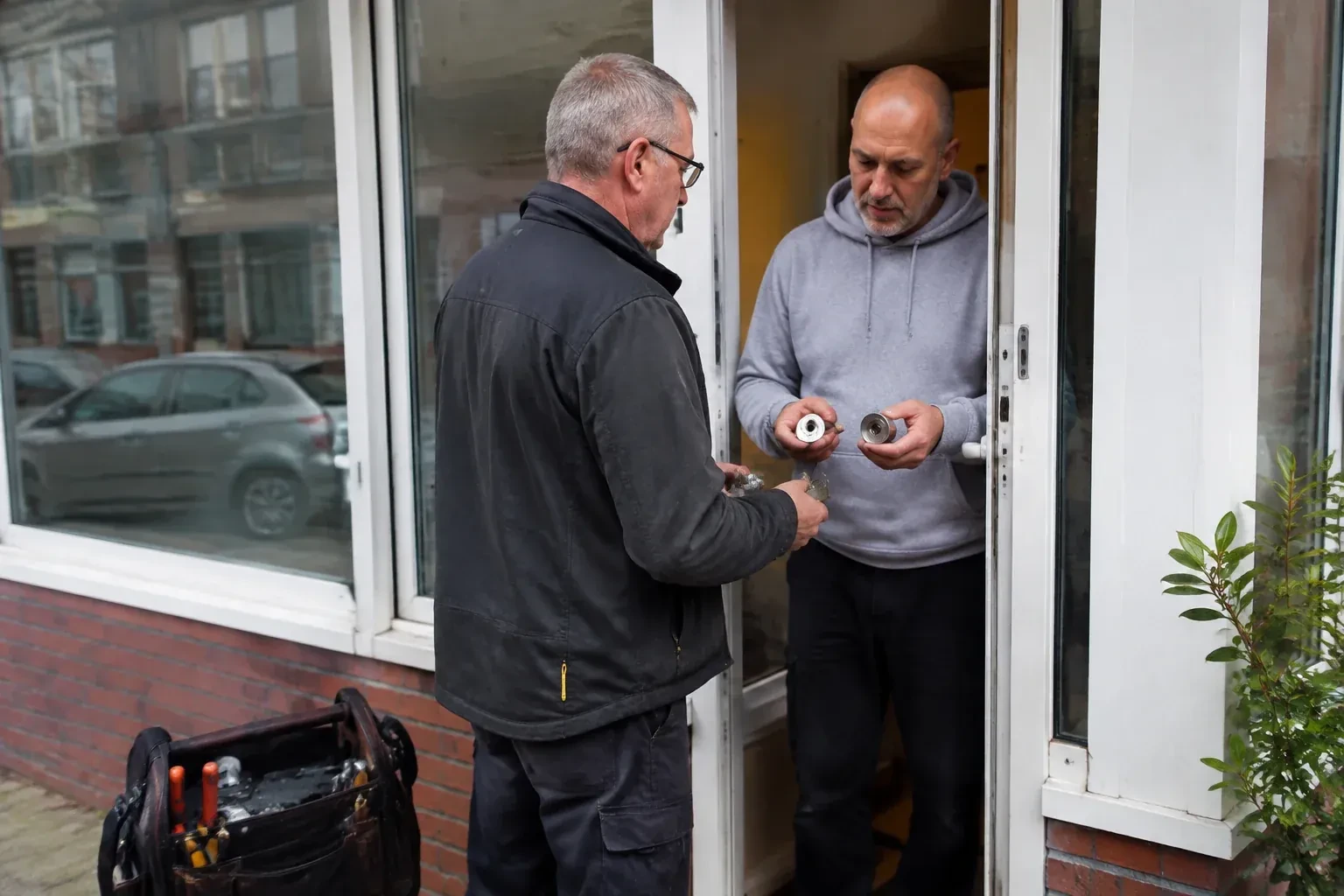
How the visit goesThe key went in stiffly, turned a quarter of the way, and came out in two pieces. Half of it is still inside the cylinder of the aluminium storefront door, and the deadbolt is hooked firmly into the frame.
Business Lockout Service
How the visit goes
Alarm, reader and anything wired to the door
Before the door moves, the locksmith asks what will notice when it does. Is there an alarm with a contact on this door, who holds the code, and should the monitoring company be told to expect an entry? Is the door controlled by a card reader, keypad or intercom, and does it use an electric strike, fail-secure or fail-safe, or a magnetic lock, which releases? Is there a mechanical override cylinder and does anyone hold its key? Has the access-control provider got remote access to unlock it? These answers decide whether the opening is a phone call, a battery, an override key or conventional lock work, and they keep the security system intact afterwards.
Getting past a dead reader or strike
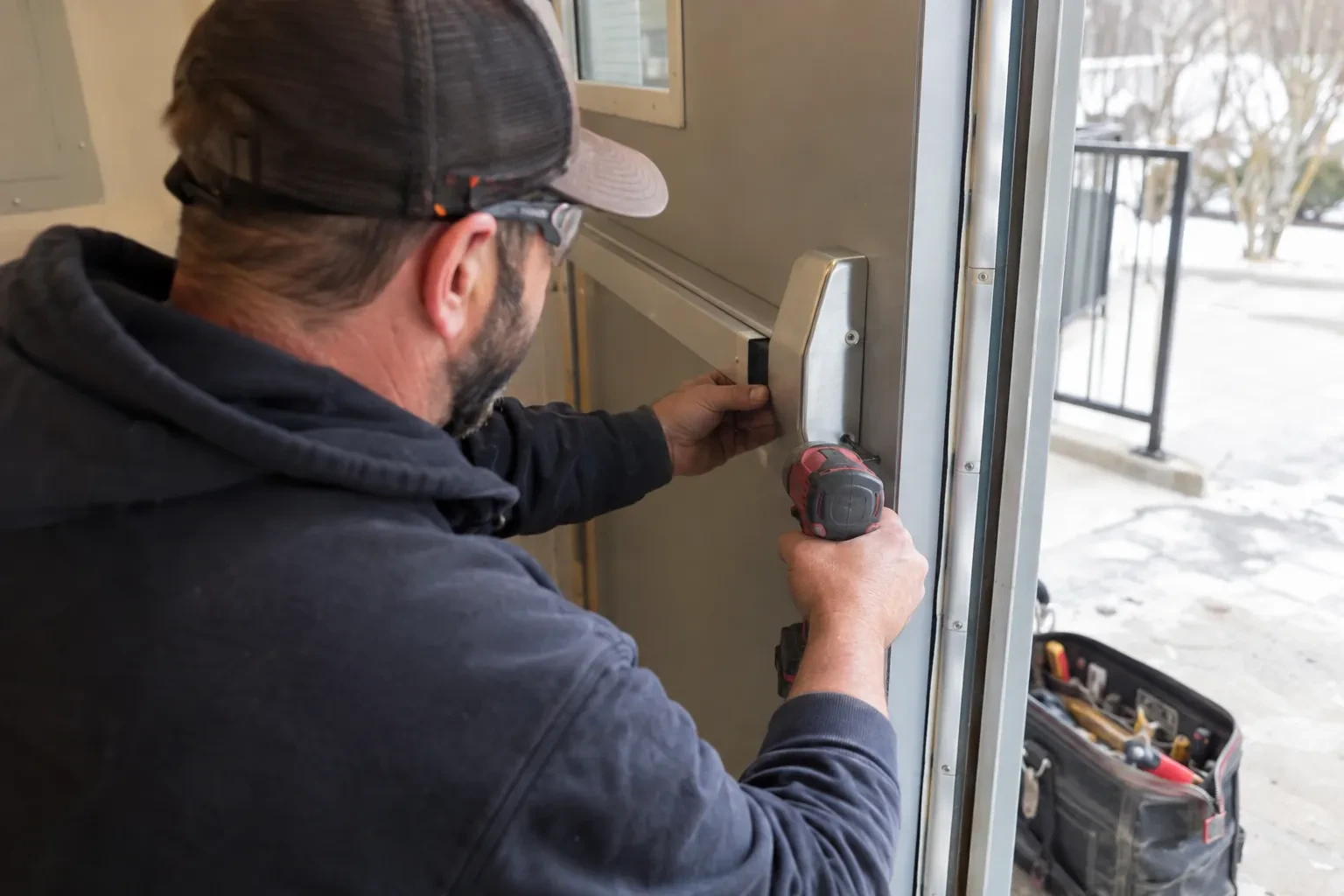
Electrified doors are opened by restoring what they lost rather than defeating them. The locksmith checks the power supply, breaker and battery backup for the controller, and a dead strike or reader often comes back with a fresh fuse or a charged battery. Where the hardware has a mechanical override, that cylinder is picked or decoded like any other. A magnetic lock that stays energised is released through its own controller or by the access-control provider remotely, never by cutting a wire, so fail-safe and fail-secure behaviour stay as the system designer intended. Once inside, credentials are re-enrolled, schedules confirmed and the alarm monitoring company told the entry is complete.
A door that swings, closes and latches properly
If the lockout began with a dropped door or a tired closer, the door itself is left in better shape than it was found. Pivots or the continuous hinge have been adjusted so the door hangs square, the strike has been dressed or repositioned so the bolt enters cleanly, and the closer's sweep and latching speeds have been reset so the door shuts and catches on its own without slamming. Heavy traffic doors drift again over time, so a glance at the threshold for fresh scrape marks and a listen for the latch catching each evening are worth building into the closing routine. Catching drift early keeps a lock from being blamed for a door.
Business Lockout Service
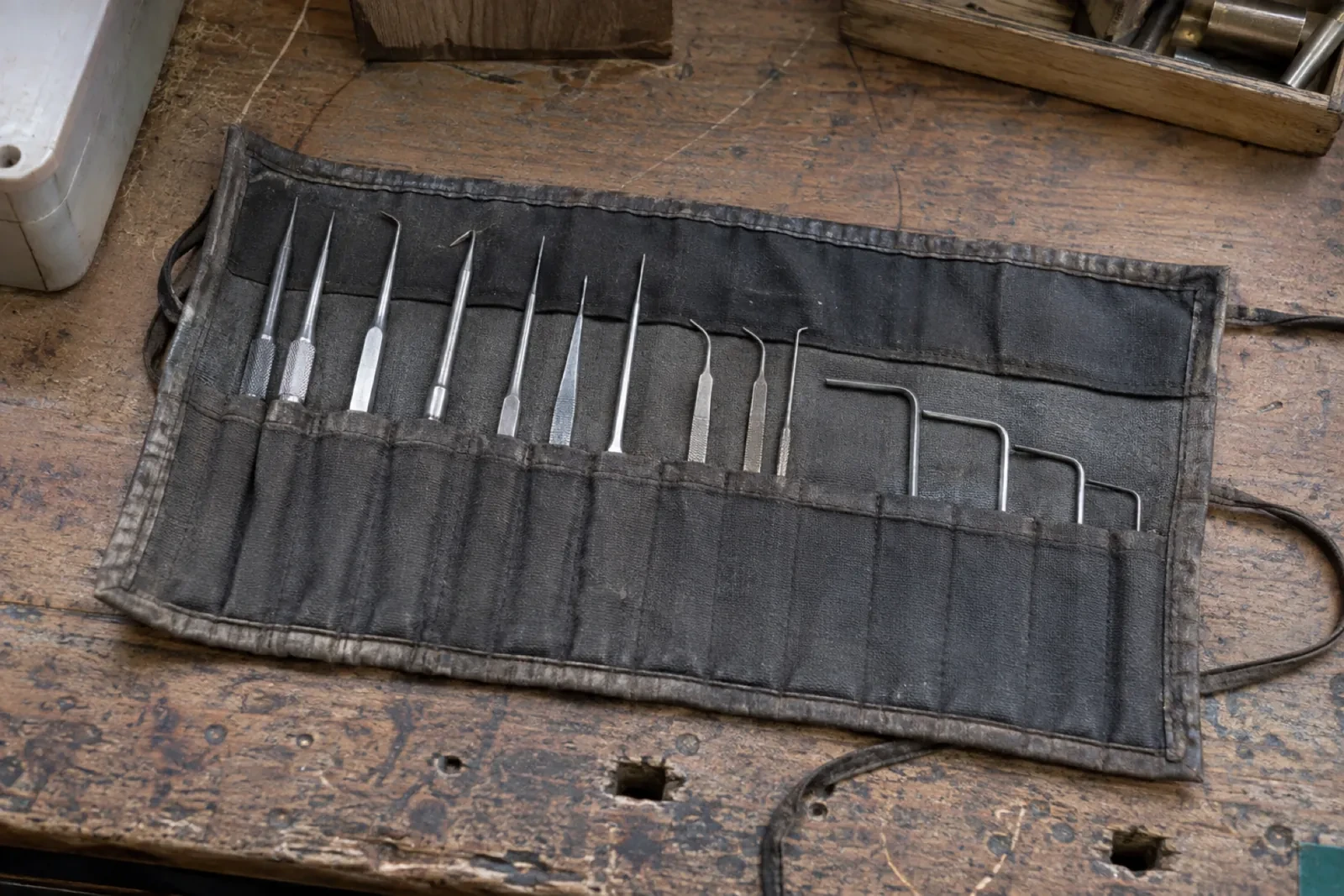
In the van
Interchangeable cores pinned to system
Exit device trim cylinders and dogging keys
Storefront deadlatch and hookbolt bypass tools
Cylinder decoder and plug spinner
Control keys and core-removal tools
Business Lockout Service
What affects the quote
Distance and access to the door
Travel is part of every call-out, and so is reaching the door: a plaza unit at street level, a suite behind a locked lobby, or a loading dock at the back of an industrial park each take a different amount of the locksmith's time.
Storefront, lever, mortise or exit device
An aluminium storefront cylinder, a cylindrical lever lockset, a full mortise lock and the trim of an exit device each take different tools and time to open, and the hardware on your door sets the starting point.
Broken key extraction and cylinder service
Removing a snapped key, cleaning and lubricating the cylinder and replacing a worn cam or tailpiece are added to the opening when that is what caused it, and a new key cut from code follows.
What to have ready
- Is anyone able to reach the owner, head office or property manager to confirm the request?
- Is there an alarm on the door, and who holds the code and the monitoring password?
- Has a key gone missing or left with a former employee, so that rekeying should follow?
Business Lockout Service: questions
QuestionsDo you work with our alarm company and access-control provider?
Yes, and it makes the visit smoother. The alarm station is told an entry is expected and the authorised person handles the disarm and password. For access control, the provider can often confirm the controller's status, unlock a magnetic lock remotely, or re-enrol fobs once you are inside, while the locksmith handles the mechanical side and the override cylinder. Nobody's wiring is cut; each party does the part it is set up to do.
We need to open for customers. How do you sequence the visit?
Entry comes first and repairs second. Once authority is confirmed the door is opened, staff go in and start their routine, and the locksmith turns to the cause: extracting a broken key, rekeying for a lost one, re-springing a deadlatch or lifting a dropped door. Anything that can wait for a quieter hour, such as rekeying interior doors, is offered as a return visit so the shop floor is not blocked while it trades.
What should I have ready when I call?
The address and unit number, which door you are outside, what the lock looks like, and where the keys are: with someone, lost, broken or simply refusing. Say whether there is an alarm or a card reader on the door, who can disarm or confirm your authority, and whether the building has a property manager. If you can send a photo of the lock and the door edge, the right cylinders and cores come on the first trip.
Related services
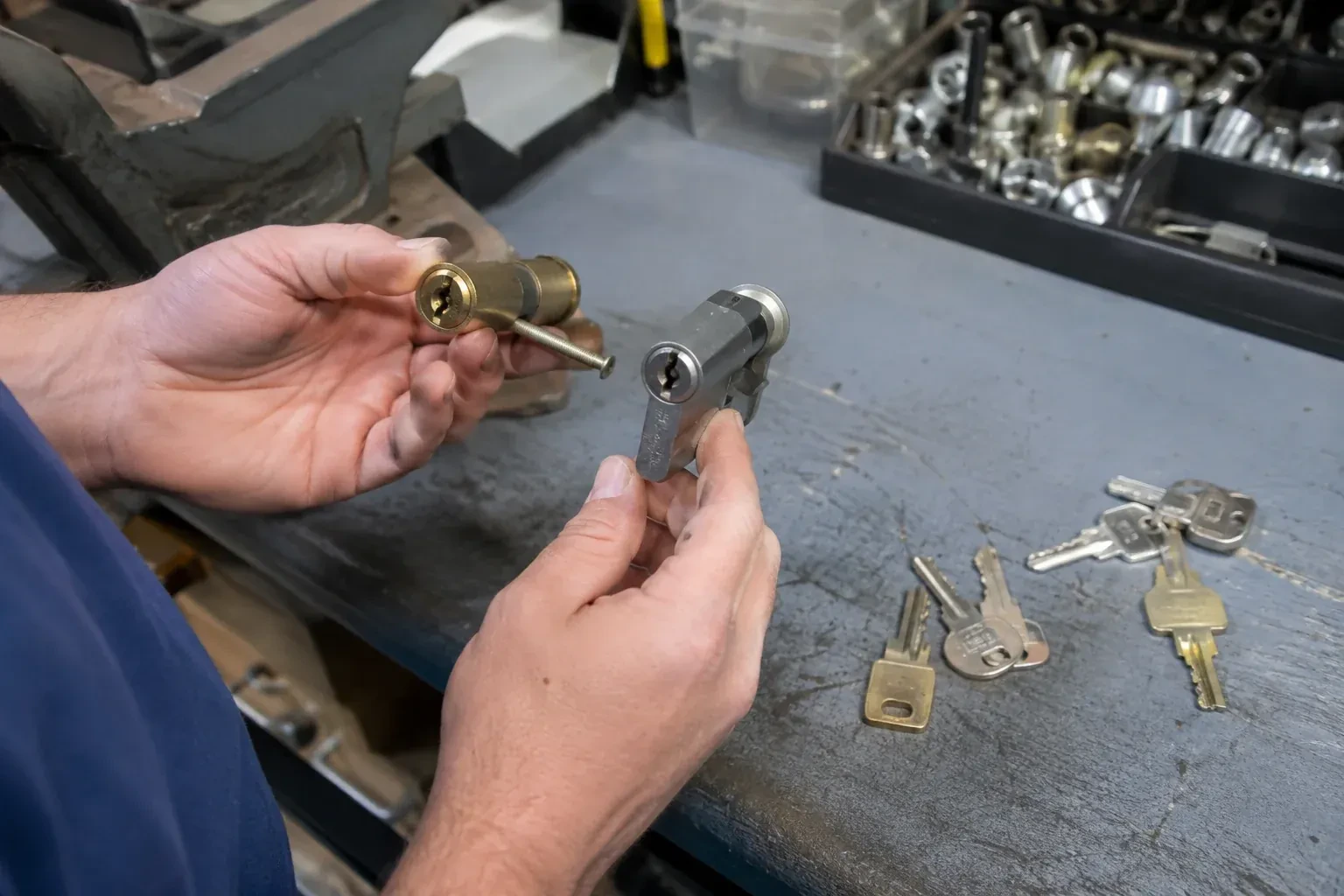
- Broken Key ExtractionThe key went in like any other morning, you turned it, and something gave with a small metallic click.
- Break-In Damage Lock RepairSomeone smashed the little window beside the door, reached in and turned the thumb-turn.
- Seized & Jammed Lock OpeningThe lock works, but only if you lean on the door with your hip while turning the key.