Change or rekey · Ellesmere
Gate & Building Entry Locks in Ellesmere
A neighbour mentions, in passing, that the key from three tenants ago still lets him into the building's front door.
In plain words
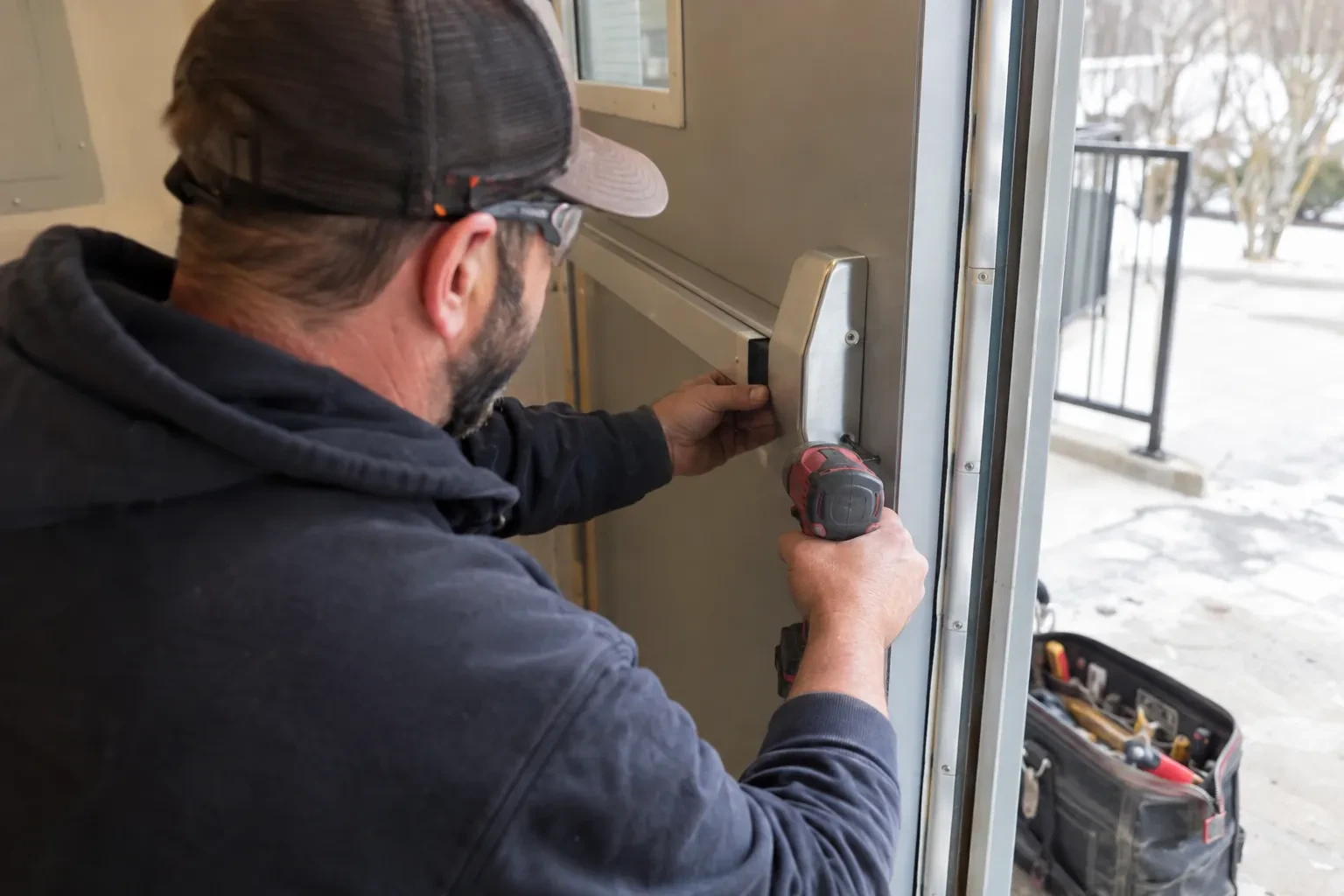
Some building entries add a buzzer, a keypad or an electric strike to the mechanical lock, and any one of those pieces can be the reason a door stops releasing on cue. This service checks the wiring, the power supply and the mechanical override together with the lock itself, rather than assuming the fault sits wherever the last person guessed. Whatever combination of electronic and mechanical hardware the entry uses, it leaves working as one system: a mechanical key still able to open it wherever the installed lock provides one, and a fail-safe strike or maglock still releasing on its own if the power ever goes out.
How the visit goesA visitor buzzes from the panel downstairs, someone presses the button by the door, and nothing happens. The electric strike on the lobby door used to click open on cue; now it stays silent, and residents are propping the entry with a folded flyer instead.
Gate & Building Entry Locks
How the visit goes
Looking for prior damage or an attempted entry
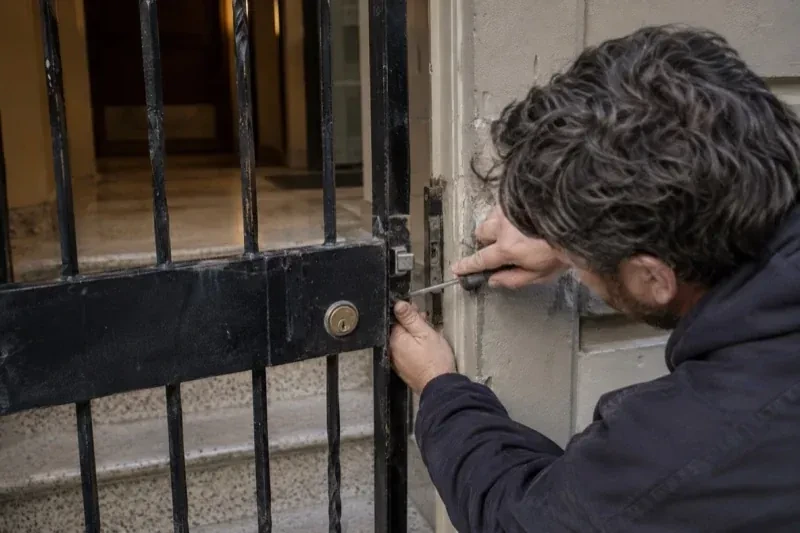
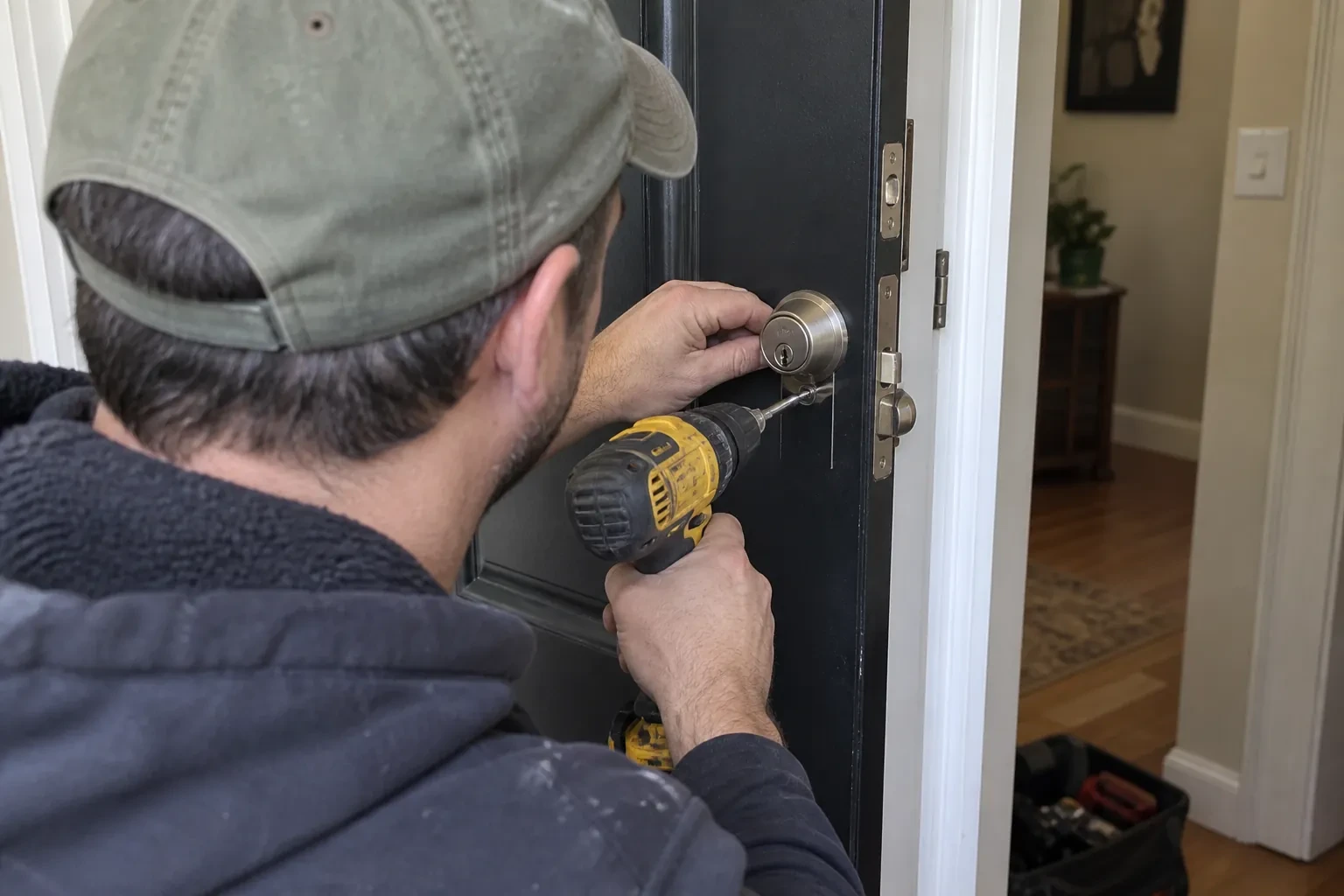
Before any work begins, the locksmith looks for signs that something has already been tried on the gate or door: pry marks near the strike, a scratched or spun cylinder, a bent hasp, or a padlock shackle that has been cut and replaced. Noting this clearly, before touching anything, means the property owner knows exactly what was there beforehand and what the visit actually changed. It also flags whether the surrounding frame or post absorbed damage that needs attention alongside the lock itself.
Resetting the strike and keeper
With the gate or door's adjusted position confirmed, the strike or keeper is repositioned, shimmed or deepened so the latch or bolt has a clean, full throw into it. On a wooden gate post this can mean moving the keeper's screws to fresh wood; on a metal frame it can mean elongating or relocating the mounting holes. The goal is a strike that lines up with the latch across the gate's whole range of motion, in damp weather and dry, rather than only on the one afternoon it happened to be tested.
A gate that closes itself properly
The visit ends with the gate or door swinging through several full cycles while you watch: opening from a stop, closing on its own, and settling into the latch without a slam or a rebound. Anything adjusted along the way, such as the closer's speed or the strike's position, is pointed out so you know what changed. From here the gate should close the same way whether it is pushed gently or blown by wind, which is the actual point of a working closer rather than a lock that only cooperates when someone remembers to push it shut.
Gate & Building Entry Locks
In the van
Hinges, pivots and shims
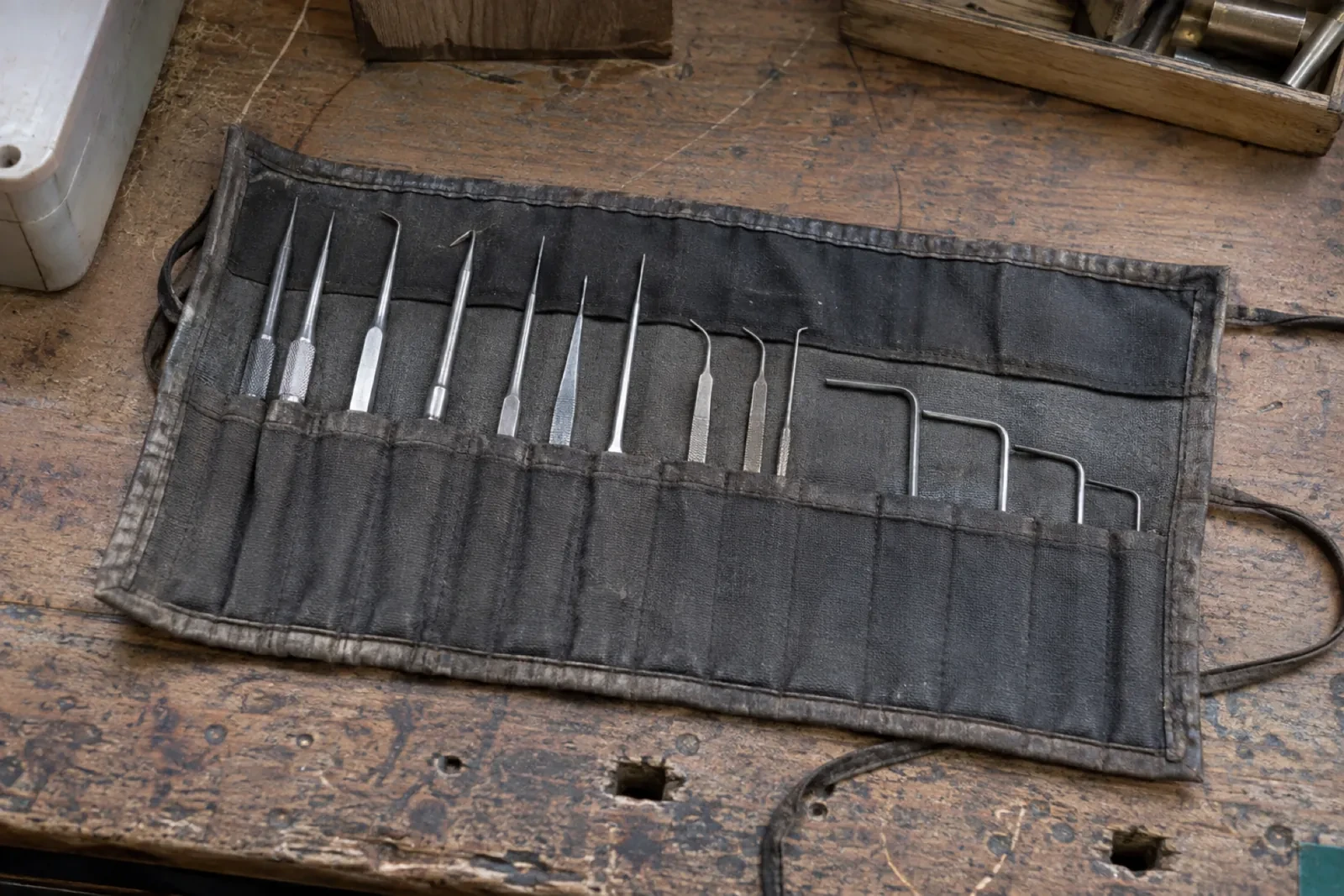
Cylinder decoder and pick set
Plug follower and repinning kit
Weather-rated cylinders
Keyed-alike cylinders
Gate & Building Entry Locks
What affects the quote
Master key or keyed-alike planning
Setting up a master key system, or bringing several separate locks onto one shared key, involves planning the pinning structure across every cylinder involved, which is more work than rekeying one lock in isolation.
Materials the gate or frame is built from
Wood, wrought iron, aluminum and vinyl gates each take fasteners and mounting approaches suited to that material, and matching the lock and closer correctly to the gate's construction is part of what the quote covers.
Weather-rated versus standard hardware
Hardware built and sealed for outdoor exposure differs from standard indoor-grade hardware, and choosing the weather-rated option for anything mounted outside is reflected in the parts portion of the quote.
What to have ready
- Is the lock dragging, slamming, stuck, or simply not latching?
- Which gate or door is giving you trouble?
- Is the gate sagging, dragging, or hard to close by hand?
Gate & Building Entry Locks: questions
QuestionsOur property has a lot of separate gates. Is there a way to manage that with fewer keys?
Yes, a master key arrangement is a common answer: individual gates each keep their own key for day-to-day use, while one additional master key opens all of them for whoever manages the whole property, such as an owner or a maintenance contractor. Setting this up means recombining or replacing the cylinders involved so they share a compatible pinning structure, which is planned out before any single gate's lock is touched, so the system works as intended once finished.
How long does a gate or building entry lock visit usually take?
It depends on what the assessment finds once the locksmith is looking at the actual hardware. A single gate lock that only needs adjusting or rekeying is a shorter visit than one where the closer, hinges and post all need attention, or where several gates on a property are being brought onto one key. Electronic hardware such as a buzzer or electric strike adds its own testing time. The locksmith can give a closer sense of the scope once the gate or door has been examined in person.
How should I look after a gate lock so it keeps working?
Twice a year, work the lubricant the cylinder maker specifies into the keyway and cycle the key a few times; the wrong product for that model can collect grit or gum up the mechanism instead of helping it. Check that the closer still settles the gate into the latch without slamming, and look at hinges or post hardware for movement, especially after a hard winter. A cylinder that starts needing a wiggle, or a gate that has begun to drag, is worth addressing while it is still a small adjustment.
Related services
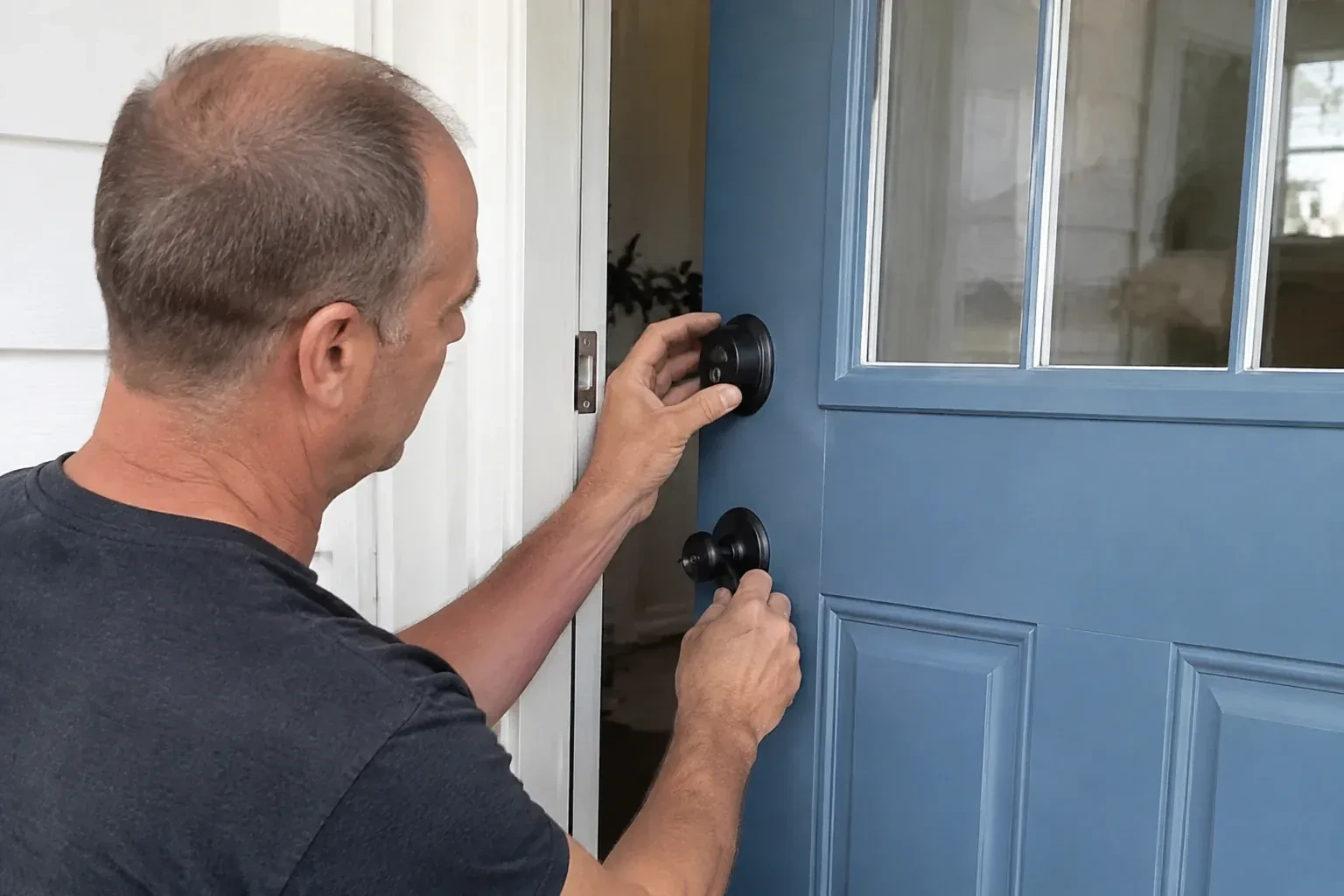
- Deadbolt InstallationThe old deadbolt has grown lazy.
- Lock Replacement & UpgradeThe house is fifteen years old and every exterior door still wears the light hardware the builder fitted: a short bolt, a thin strike held by two small screws, and a knob lock that never suited a street entrance.
- Vintage Mortise Lock ServiceThe interior bedroom doors on the second floor have the original mortise latches, and none of them close any more.