High security · Ionview
Safe Opening & Combination Change in Ionview
Pry marks circle the dial after an overnight break-in attempt, and the safe now refuses every number that used to open it, as if something inside has locked itself down.
In plain words
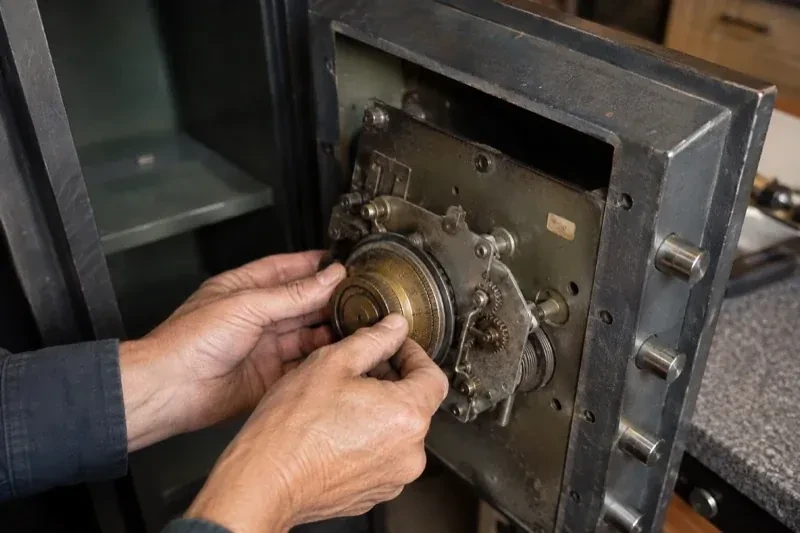
A safe opening and combination change service is built around confirming who has the right to be inside the safe before any tool touches it. Once that is settled, the locksmith identifies the safe's make, model and lock type, then works through the least invasive method that fits it, whether that means reading a dial by feel or resetting an electronic keypad. The final step sets a new combination chosen by the current owner, tested repeatedly, so the visit ends with a working safe under a code only they hold.
How the visit goesA software update reset the clinic's small safe overnight, and the receptionist's usual code now does nothing on a keypad that lights up but goes no further.
Safe Opening & Combination Change
How the visit goes
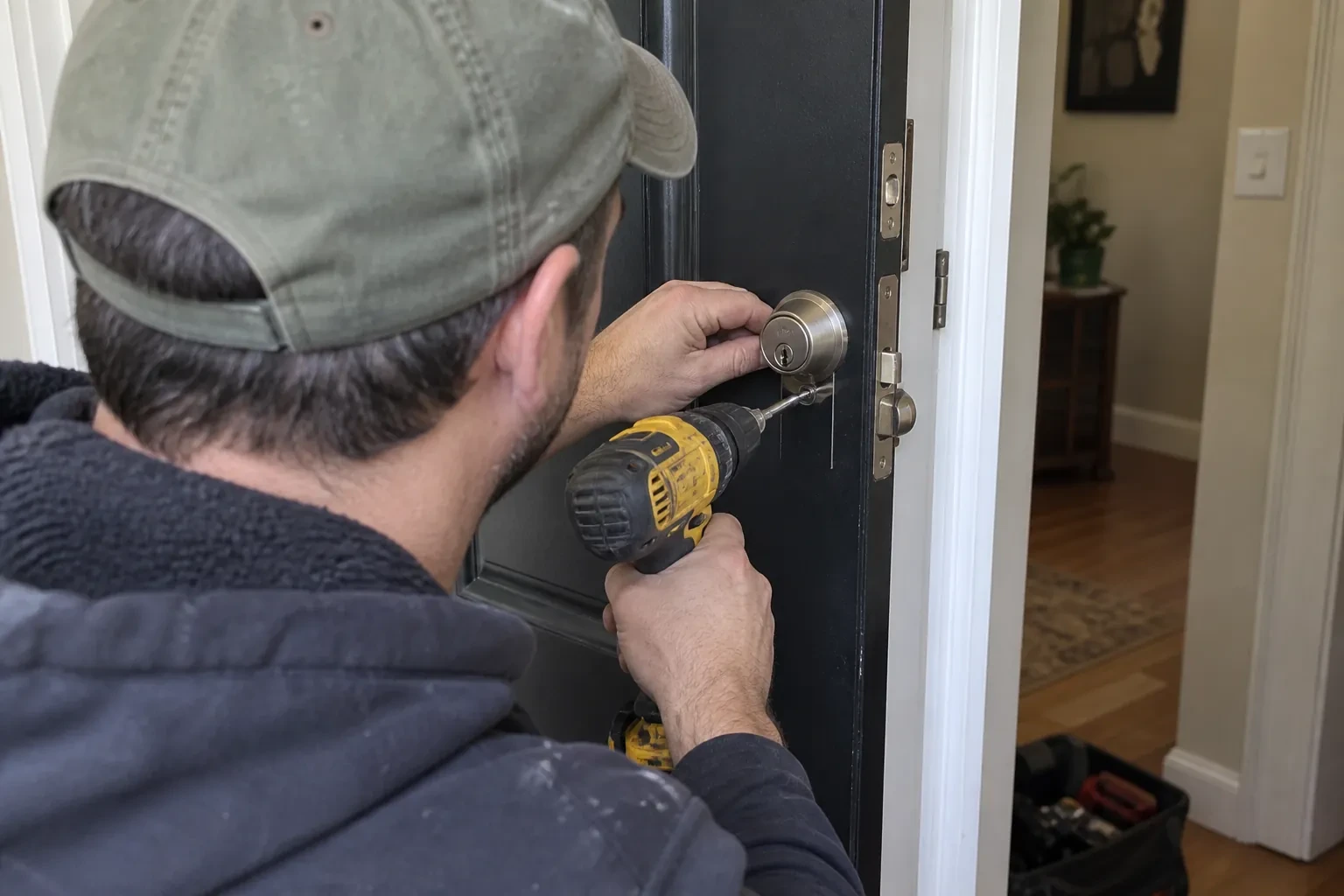
Records, plates and security ratings
A safe's data plate, when it survives, often carries more than a model number: many list a UL security classification for the lock itself, information that tells the locksmith what level of manipulation resistance to expect and what tools the job calls for. Any paperwork the owner still has, a purchase receipt, a service record from a previous visit, or a manual tucked in a drawer, adds detail that speeds up identification. Where none of that survives, the locksmith builds the same picture by reading the hardware directly, just with a few extra minutes spent confirming what the plate would otherwise have said.
Resetting an electronic keypad
Electronic safe lock recovery options vary by model: some support a manufacturer reset code entered through the keypad or an emergency key hidden behind a cover plate, while others need a small reset tool connected to a port on the back of the lock, which sits inside the secure container and still needs the door opened by other means first. The locksmith works through the specific model's own procedure where one exists, which for many models restores factory defaults or wipes stored codes rather than revealing the old one. Where the keypad itself has failed rather than merely losing power, the input unit is replaced and reconnected to the existing lock body before any new code is set.
Confirming what belongs behind the door
For a safe used to store firearms, the visit is a natural moment to confirm the storage arrangement inside still matches what the applicable federal requirements for a business expect, since those rules cover the container, the room around it and how access is limited to authorized people. For a safe holding cash, records or client property, checking that nothing was disturbed while the lock was being worked on, and that the new combination is set before anything is put back, closes the loop on the same visit rather than leaving it for later.
Safe Opening & Combination Change
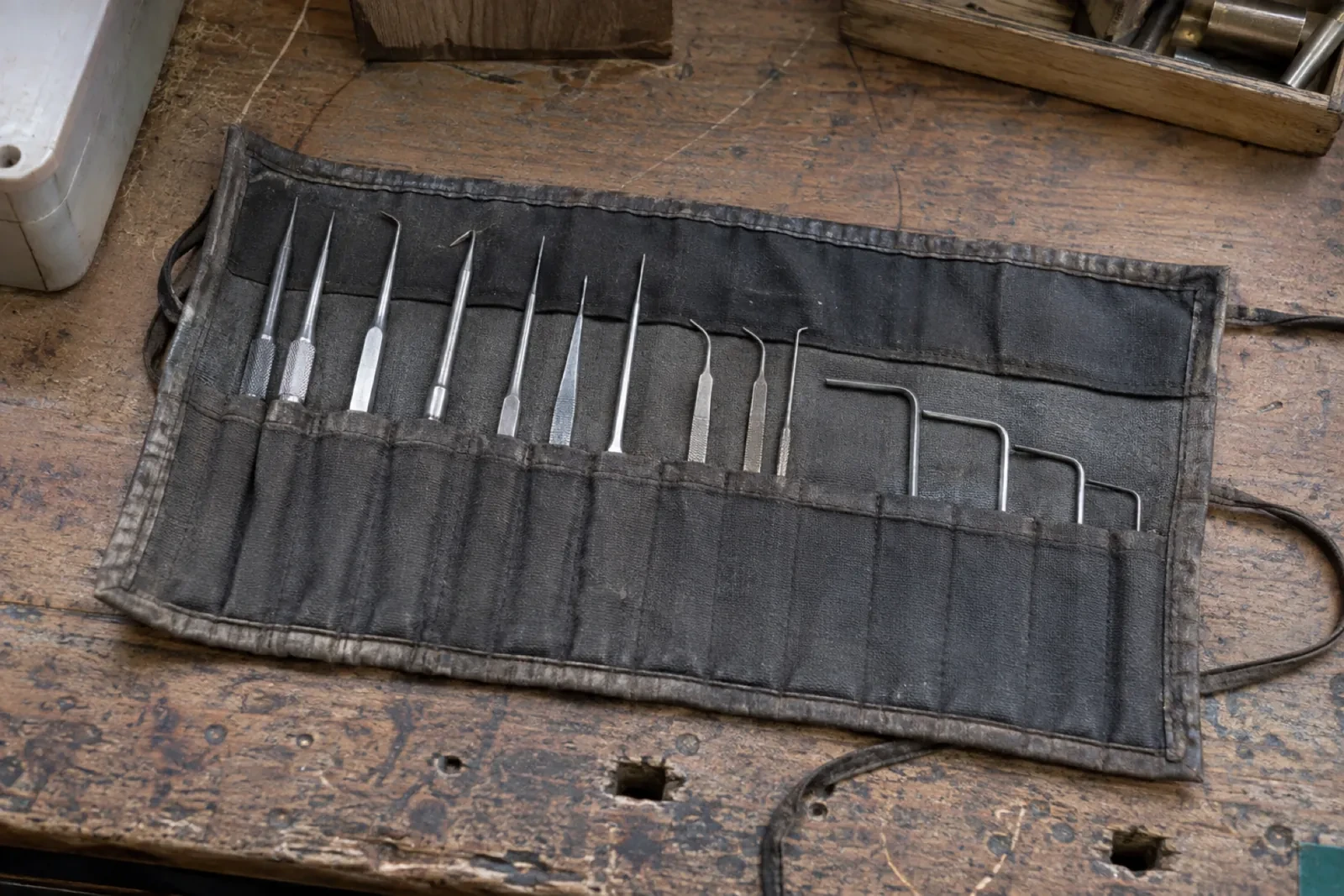
In the van
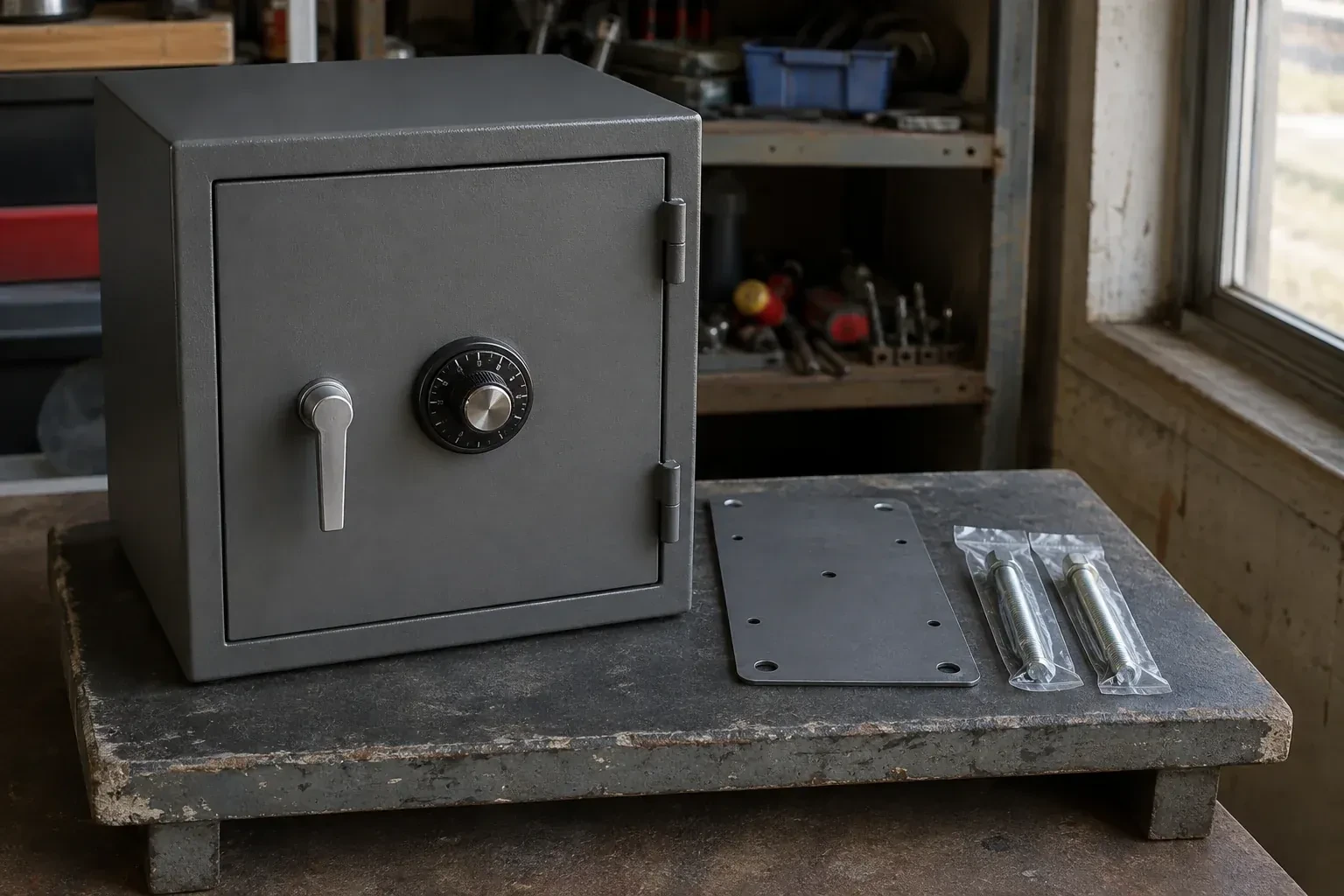
Repair plug and patch plate
Nine-volt and lithium batteries
Electronic keypad input unit
Borescope for internal viewing
Combination change key
Safe Opening & Combination Change
What affects the quote
Timing of the call
A visit during regular business hours costs the same amount as one arranged outside them. The locksmith confirms the exact figure on site once the safe's lock type, size and condition have been looked at in person.
Whether model or service records are available
A visible data plate, a purchase receipt or a manual on hand speeds up identifying the exact lock; a safe with none of that takes a few extra minutes to assess on site.
Contents that affect how carefully the opening proceeds
Cash, business records, prescription logs or firearms each carry their own handling expectations once the door opens, which can shape how the visit is planned and quoted.
What to have ready
- Who besides you should have the new combination afterward?
- Has the safe ever been drilled or serviced before?
- Is the combination lost, forgotten, or simply not working anymore?
Safe Opening & Combination Change: questions
QuestionsWhat is a relocker, and does it change how the safe is opened?
A relocker is a small device inside some safes built to jam the bolt work until a trained technician services it, if the case is drilled in the wrong spot, dropped, or exposed to fire, as a defence against forced entry. If one has tripped, the fix is mechanical: freeing or replacing the relocking mechanism, rather than another attempt at the combination. Recognizing a tripped relocker early changes the plan from the first visit rather than after several failed attempts.
What happens to the hole if my safe has to be drilled?
It is closed with a repair plug or patch plate matched to the case material and finish before the visit ends, aiming to leave one small, professionally finished repair rather than an open hole, with the exact result depending on the safe's construction and the approved repair method used. If the drilled point affected the safe's original security rating, that is explained plainly, along with whether the replacement lock restores it to its prior level.
Can you open a safe used to store firearms?
Yes, the opening itself proceeds the same way as for any other safe. Afterward, for a business, it is worth confirming the storage arrangement still meets the applicable federal requirements for secure firearms storage, since those cover the container, the surrounding room and who has access, separately from whatever caused the lock to need attention.