High security · Woburn
Safe Opening & Combination Change in Woburn
Pry marks circle the dial after an overnight break-in attempt, and the safe now refuses every number that used to open it, as if something inside has locked itself down.
In plain words
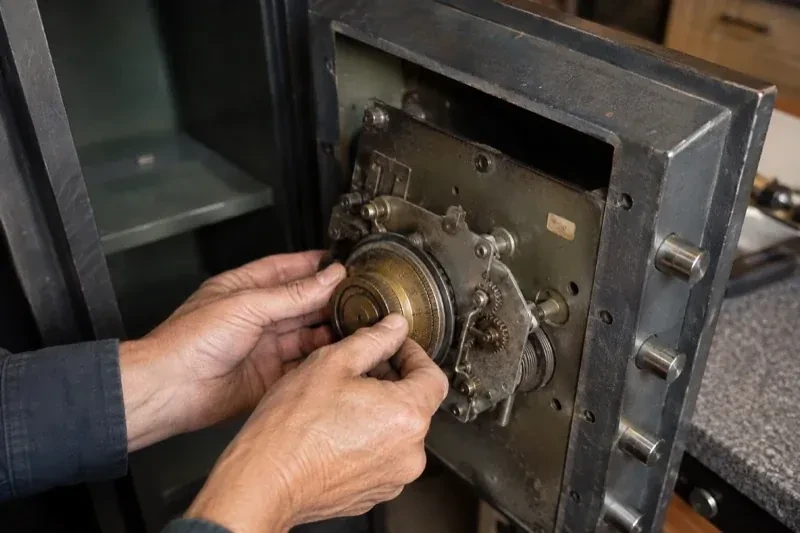
A safe that arrives with no history at all, through an estate, an auction or a property changing hands, gets treated as an unknown until the locksmith reads it directly: the data plate, the lock type, the dial or keypad style, and any wear that hints at its age. From there the opening proceeds exactly as it would for a known safe, and afterward a fresh combination replaces whatever was set by owners nobody can ask.
How the visit goesThe bookkeeper who set the office safe's code retired in a hurry, and the float cash for tomorrow's registers is sitting behind a keypad nobody else in the building can operate.
Safe Opening & Combination Change
How the visit goes
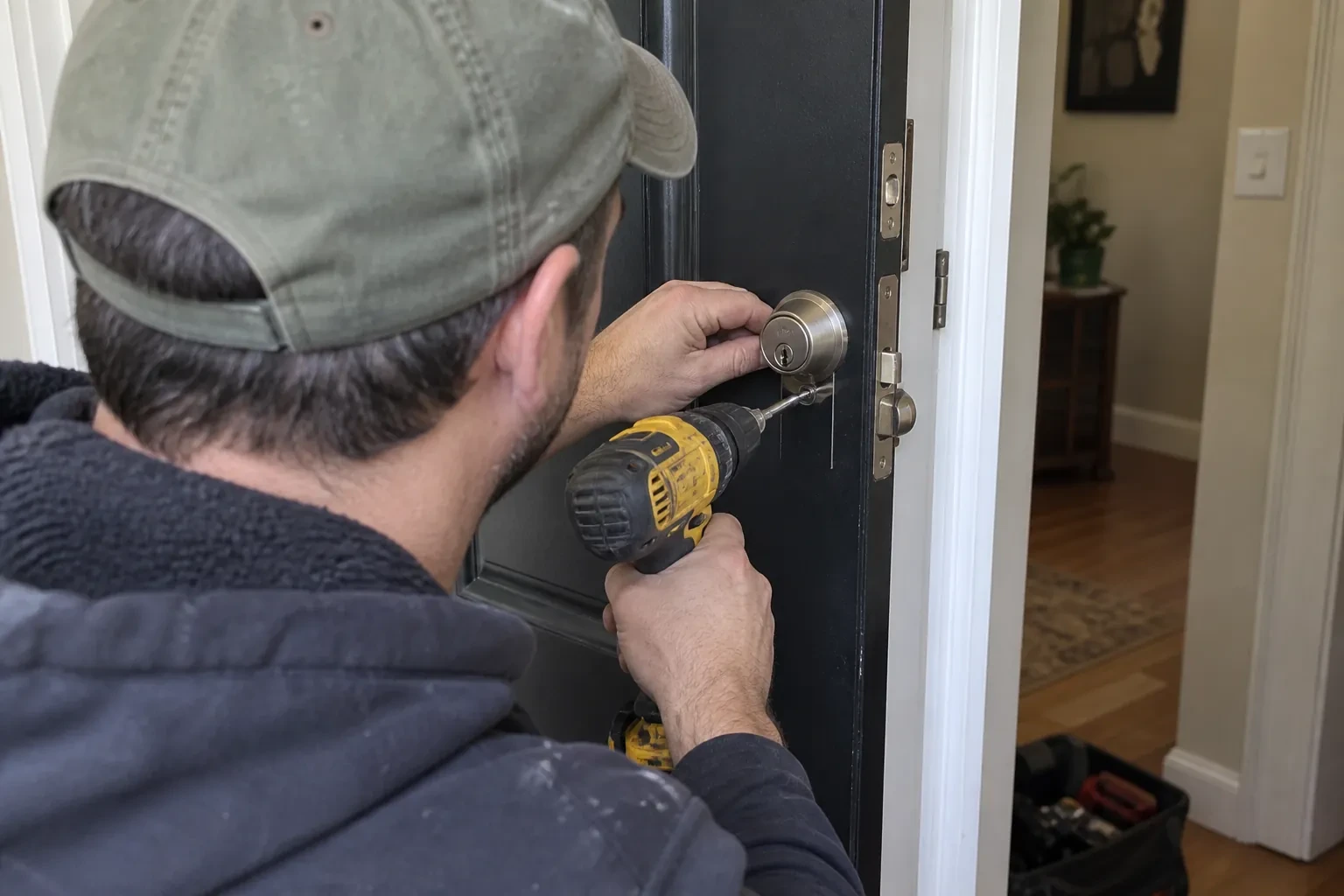
Checking the bolt work and handle
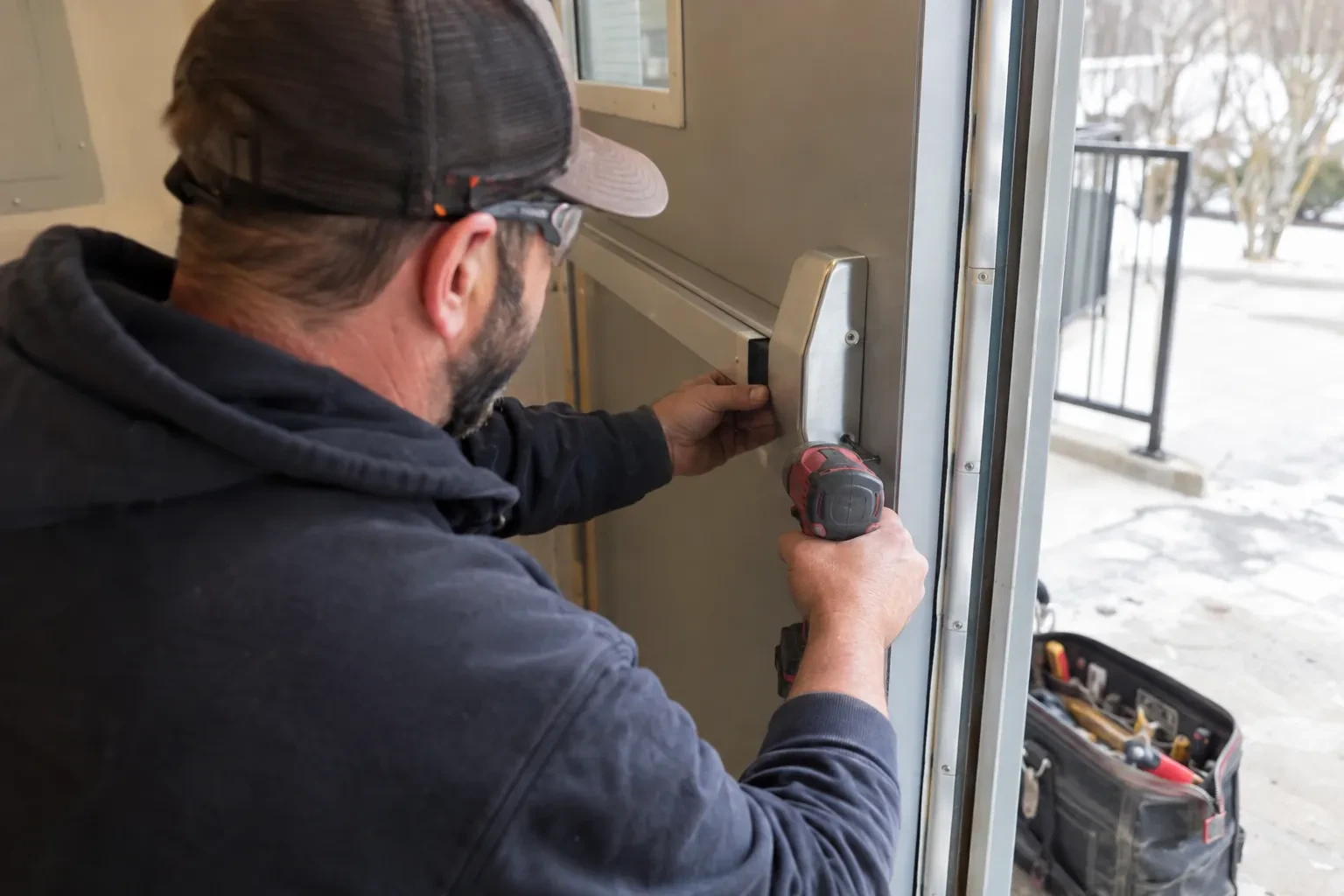
A locked-out safe is not always a locked-out lock. The locksmith checks whether the handle turns normally, whether the bolt work is retracting at all, and whether resistance shows up at the handle rather than at the dial or keypad. A jammed bolt, a corroded linkage or a relocker that has dropped into place can all hold a door shut even when the correct combination is entered without complaint. Sorting this out before assuming the lock has failed avoids replacing a perfectly good combination lock to solve a mechanical problem that sits elsewhere in the door.
Setting and testing the new combination
With the safe open and the lock confirmed sound, a new combination or code is set, with the current owner choosing the numbers themselves within whatever range and spacing that lock's rules allow, rather than being handed a default. For a mechanical lock this means using a change key to reset the wheel pack to the new sequence; for an electronic lock it means entering the new code through the keypad or a connected programming tool. The new combination is then dialed or keyed in several times, with the door open and then closed, before the visit is considered finished, so any mistake surfaces on the spot rather than the next morning.
A little care keeps the lock reliable
A mechanical dial benefits from being turned through a full combination cycle occasionally even when the safe is not otherwise in use, since a dial left untouched for years is more likely to develop the stiffness that led to this visit. An electronic keypad benefits from a battery change on a set schedule rather than waiting for a low-battery warning to appear, since a dead battery at an inconvenient moment is the more common failure than the lock itself. Wiping the keypad and dial face of dust occasionally, without any liquid cleaner, keeps both types responding the way they should.
Safe Opening & Combination Change
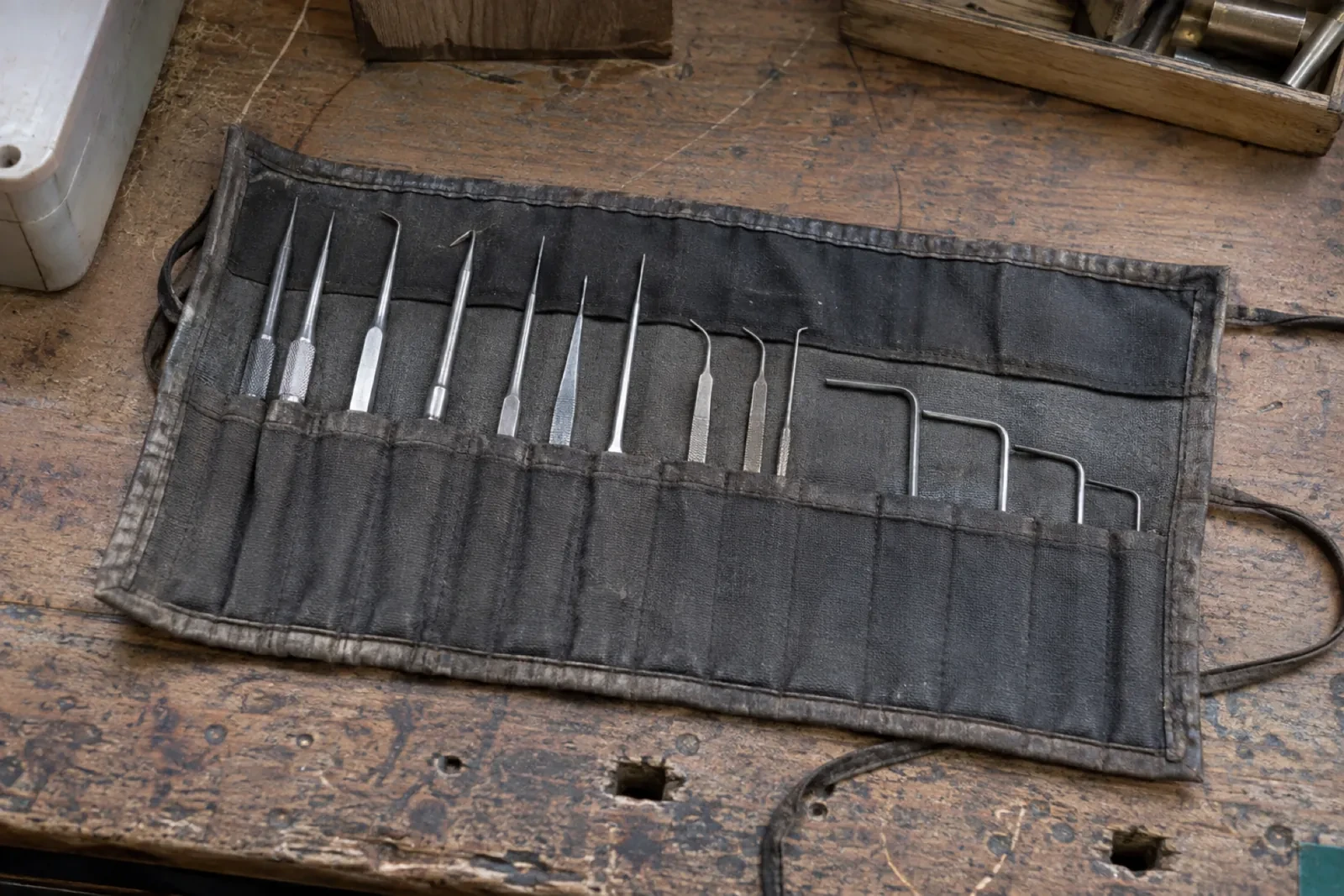
In the van
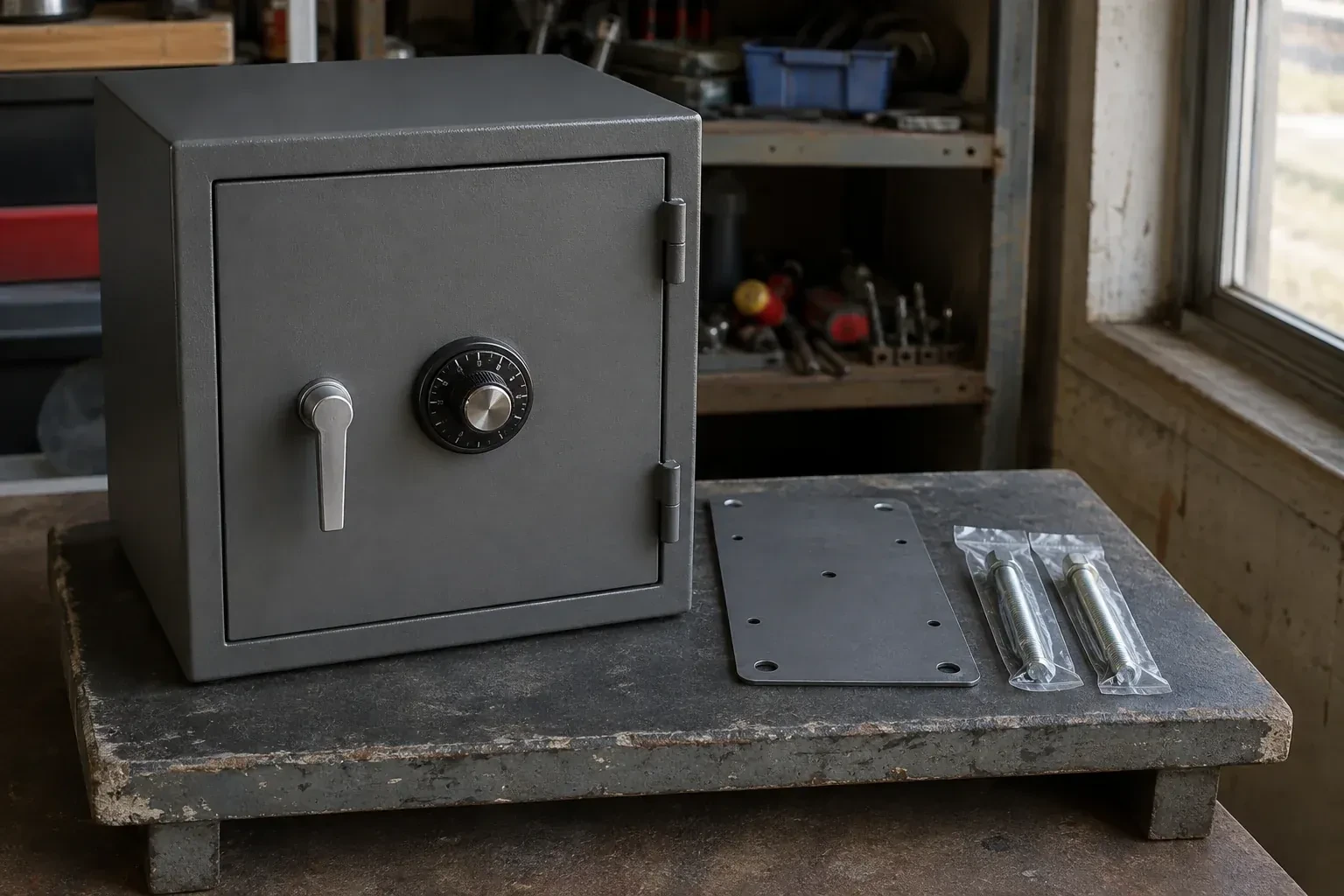
Repair plug and patch plate
Nine-volt and lithium batteries
Electronic keypad input unit
Borescope for internal viewing
Combination change key
Safe Opening & Combination Change
What affects the quote
Whether drilling turns out to be necessary
Manipulation, decoding and manufacturer reset paths are tried first; drilling, a repair plug and any replacement lock only enter the picture once those routes are exhausted.
Number of new codes needed afterward
Setting one combination for a single owner is the simplest case; programming separate codes for several staff members on an electronic lock takes correspondingly more time.
Timing of the call
A visit during regular business hours costs the same amount as one arranged outside them. The locksmith confirms the exact figure on site once the safe's lock type, size and condition have been looked at in person.
What to have ready
- Is the lock a dial, a keypad, or a key?
- What brand and model is the safe, if you know it?
- Who besides you should have the new combination afterward?
Safe Opening & Combination Change: questions
QuestionsWhat is a relocker, and does it change how the safe is opened?
A relocker is a small device inside some safes built to jam the bolt work until a trained technician services it, if the case is drilled in the wrong spot, dropped, or exposed to fire, as a defence against forced entry. If one has tripped, the fix is mechanical: freeing or replacing the relocking mechanism, rather than another attempt at the combination. Recognizing a tripped relocker early changes the plan from the first visit rather than after several failed attempts.
What happens to the hole if my safe has to be drilled?
It is closed with a repair plug or patch plate matched to the case material and finish before the visit ends, aiming to leave one small, professionally finished repair rather than an open hole, with the exact result depending on the safe's construction and the approved repair method used. If the drilled point affected the safe's original security rating, that is explained plainly, along with whether the replacement lock restores it to its prior level.
Can you open a safe used to store firearms?
Yes, the opening itself proceeds the same way as for any other safe. Afterward, for a business, it is worth confirming the storage arrangement still meets the applicable federal requirements for secure firearms storage, since those cover the container, the surrounding room and who has access, separately from whatever caused the lock to need attention.