Lockouts · Toronto
Home Lockout Service in Toronto
After a week of humid weather the back door has swollen in its frame.
In plain words
Winter creates its own kind of lockout. Meltwater runs into a keyway during the day and freezes overnight, a weather-exposed cylinder stiffens in the cold, and a door that shrank in January may drop its bolt out of line with the strike. A home lockout visit in these conditions is as much about the door as the lock: the locksmith thaws and frees the cylinder without forcing it, checks whether the bolt or the frame is the real obstacle, and opens the door in a way that leaves the hardware sound. A little dry lubricant and a tube of de-icer usually finish the job.
How the visit goesIt is minus fifteen, the wind is coming across the driveway, and the key will only go halfway into the deadbolt. Yesterday's thaw left water in the keyway and overnight it froze solid. Forcing it only makes the metal flex.
Home Lockout Service
How the visit goes
Reading the lock itself
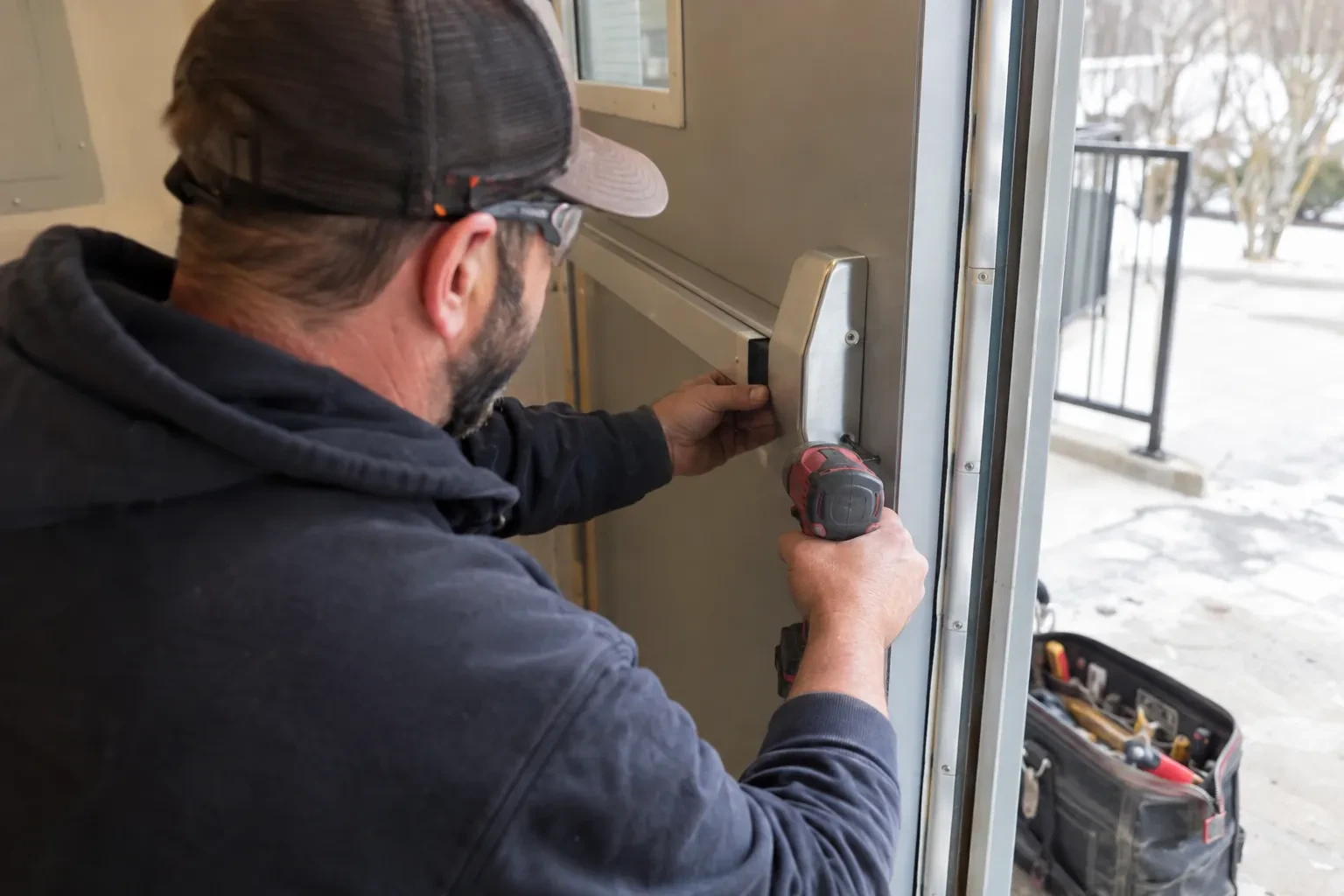
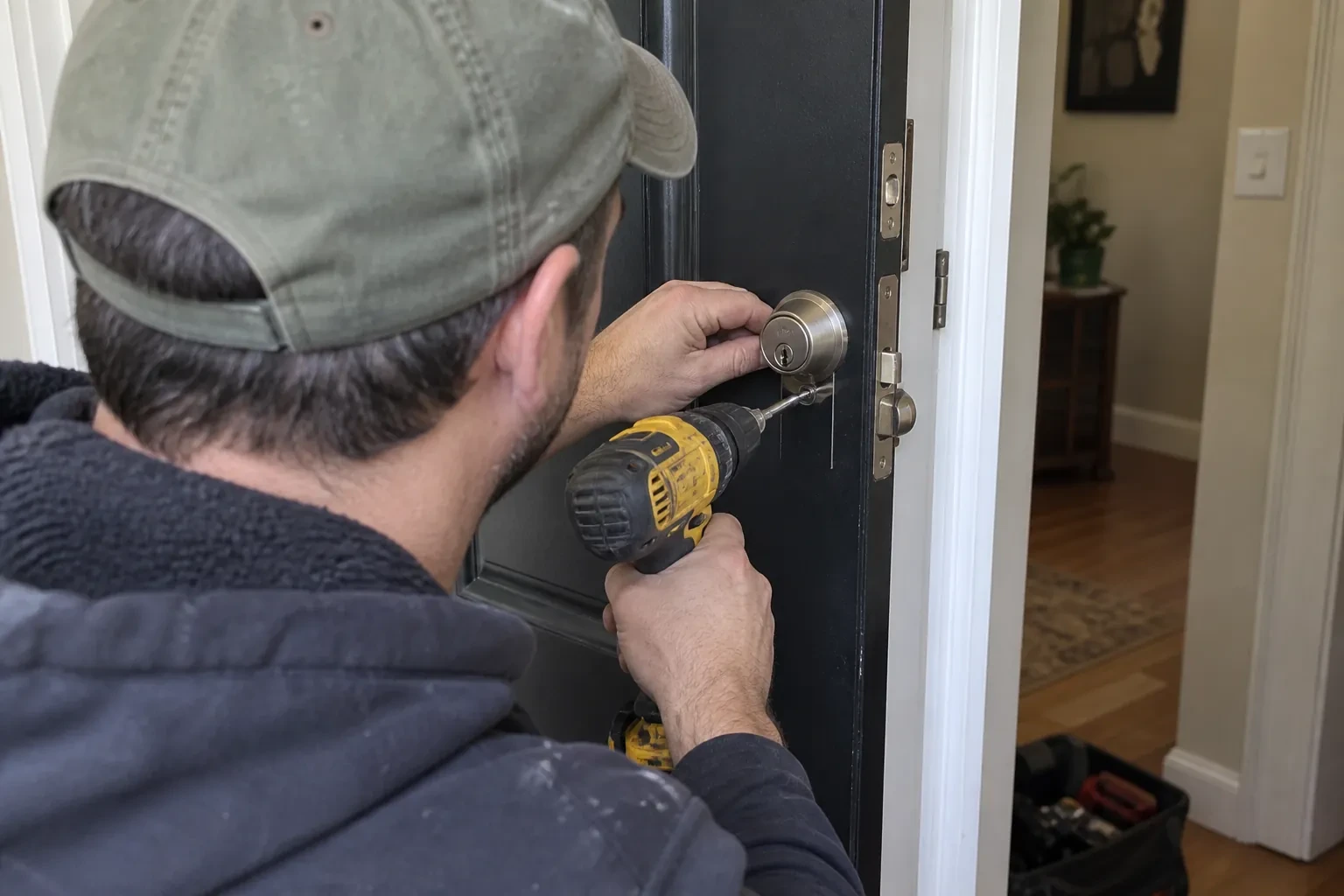
Every lock announces what it is to someone who knows where to look. The shape of the keyway, the maker's mark on the face, the presence of a thumb-turn or a second keyed side, and whether the door has a separate deadbolt above a latching knob all tell the locksmith which family of hardware they are dealing with. A residential pin-tumbler cylinder, a mortise case in a century home, a restricted keyway with security pins and a keypad lock with a hidden override each respond to different techniques. Identifying the lock correctly before touching it is what makes a clean, non-destructive opening the usual outcome.
Least invasive first, always
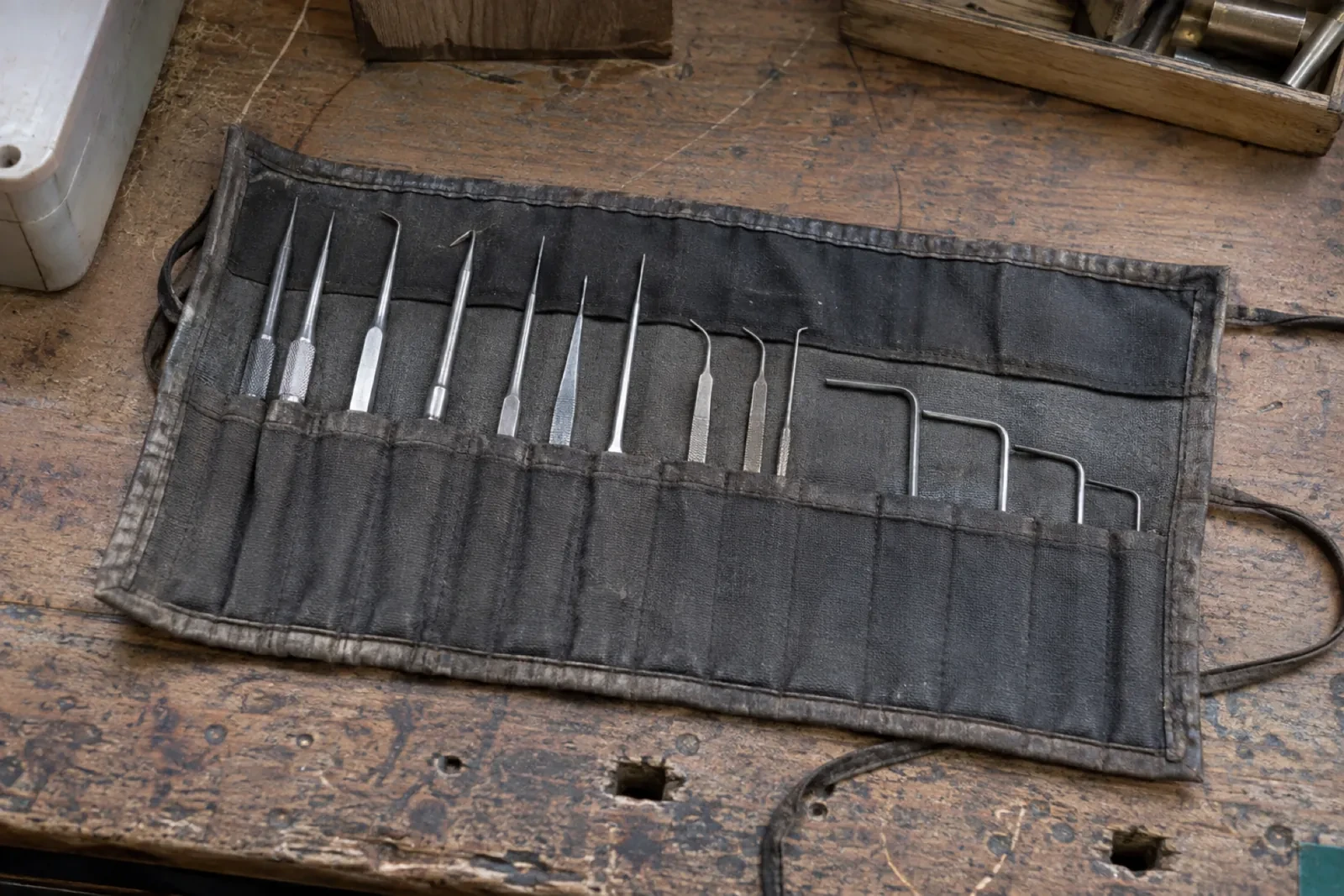
The opening follows a ladder. At the bottom rung are methods that operate the lock exactly as a key would: single-pin picking, raking or decoding the cylinder so the plug turns and the bolt withdraws. Next come bypasses that work around the cylinder, slipping a spring latch or reaching the inside thumb-turn with a purpose-made tool. Only when the hardware defeats all of those does drilling come into the conversation, and it is a conversation, not a surprise. Working up this ladder means the lock is intact in the great majority of cases and you close the door behind the locksmith with the same hardware you had that morning.
A clear record of what was done
You should know exactly what happened to your door, so the visit closes with a plain account: which lock was opened, by what method, whether any cylinder was drilled and replaced, what hardware was fitted, how many keys were cut and whether other doors were rekeyed to match. For tenants this note is useful to pass to a landlord or building manager, since the rules about changing locks in a rental expect both sides to know what hardware is on the door. For owners it is a handy line in the home file for the next time someone asks which key opens what. It also makes any later service a simpler conversation.
Home Lockout Service
In the van
Plug follower and repinning kit
Key blanks and key cutter
Replacement cylinder or deadbolt
Nine-volt battery for smart locks
Plug spinner
Home Lockout Service
What affects the quote
Keying other doors to match
Bringing the back door, side door and garage onto the new key after a rekey is extra work per cylinder, and simplest to arrange during the same call-out.
Any upgrade you choose while the locksmith is there
Some people use the visit to move to a heavier deadbolt, a reinforced strike, a keypad or a lockbox. None of it is required to get you inside; each option is priced as a separate line.
Type and grade of the lock
A builder-grade knob latch, a residential deadbolt, a mortise case in an older home and a high-security cylinder each take different tools and different amounts of time to open, and that difference shows in the quote.
What to have ready
- Is the door swollen, sagging or hard to close even when it is unlocked?
- If the key is lost, would you like the locks rekeyed during the same visit?
- Do you own the home, rent it, or manage it for someone else?
Home Lockout Service: questions
QuestionsWhat if the door is stuck rather than the lock?
This is more common than people expect, especially in older houses and at the change of seasons. A door that has swollen, sagged on its hinges or been pushed out of square by thick weatherstripping can pin the bolt against the strike so it will not draw back even with the right key. The locksmith relieves the pressure to free the bolt, then adjusts the strike, hinges or seal so the door closes and locks without a shoulder.
Will opening the door damage my lock?
In most residential lockouts the lock is untouched. Picking, decoding and latch tools operate the mechanism the same way your key does, so there is nothing to repair afterwards. A drill only appears when a cylinder is seized, plugged by a snapped key or engineered against picking, and you hear about that before it starts. Should it come to that, replacement hardware goes on before the locksmith leaves so you lock up normally that evening.
Can you get me in if my smart lock has died?
Yes, usually. Backup access on a keypad or app-controlled deadbolt depends on the model. Many carry small external terminals that wake the lock when a fresh nine-volt battery is touched to them, long enough to enter your code; some also keep a conventional keyed override behind a cover, which a locksmith can pick or decode like any other cylinder, while other current models have no cylinder at all and rely only on their own recovery method. Once inside, the batteries are replaced and your codes are checked.
Related services
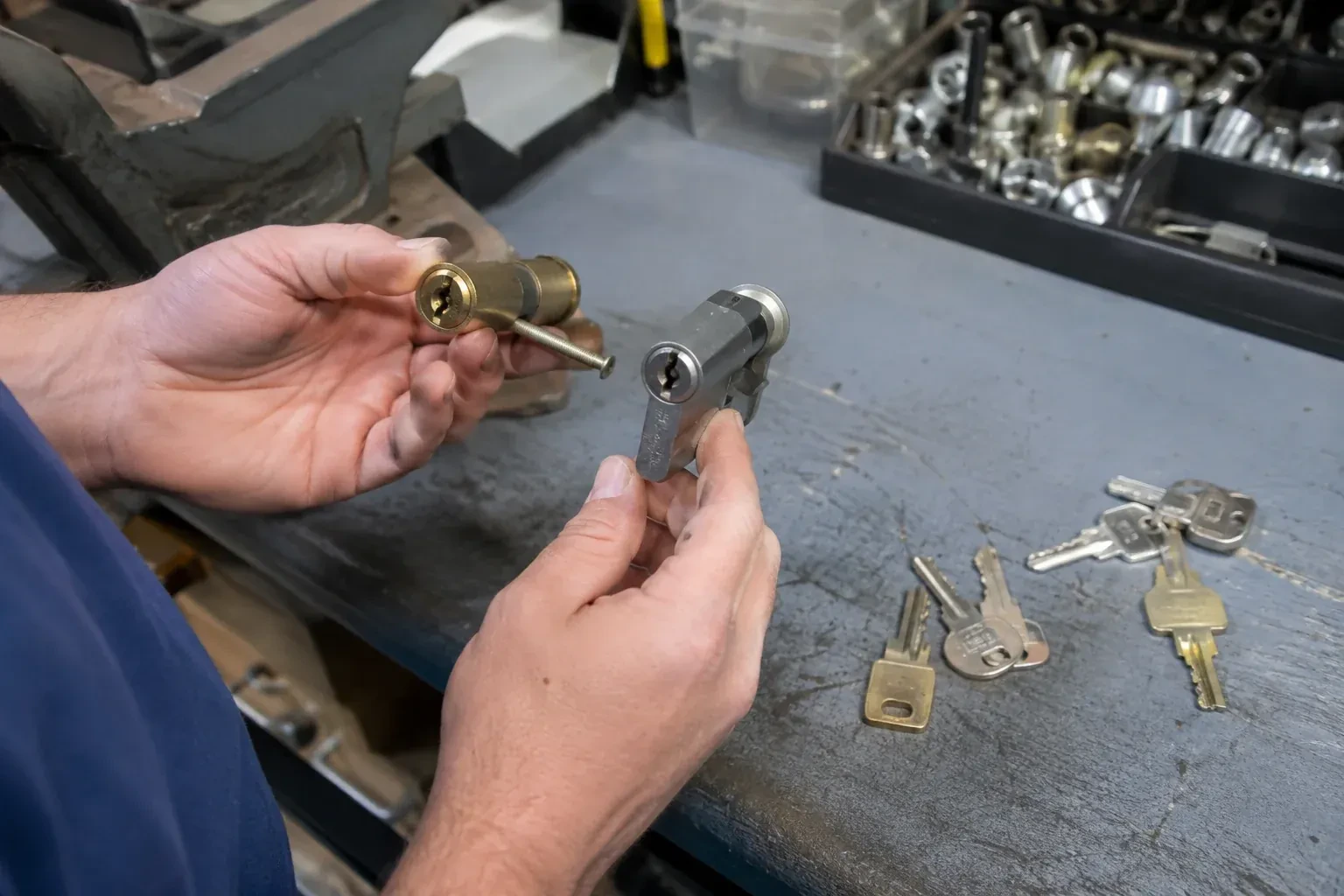
- Broken Key ExtractionThe key went in like any other morning, you turned it, and something gave with a small metallic click.
- Break-In Damage Lock RepairSomeone smashed the little window beside the door, reached in and turned the thumb-turn.
- Seized & Jammed Lock OpeningThe lock works, but only if you lean on the door with your hip while turning the key.