Car keys · Dorset Park
Transponder Key Programming in Dorset Park
Every key that ever opened the car is gone at once, one taken with a stolen bag, the spare misplaced months ago and never replaced.
In plain words
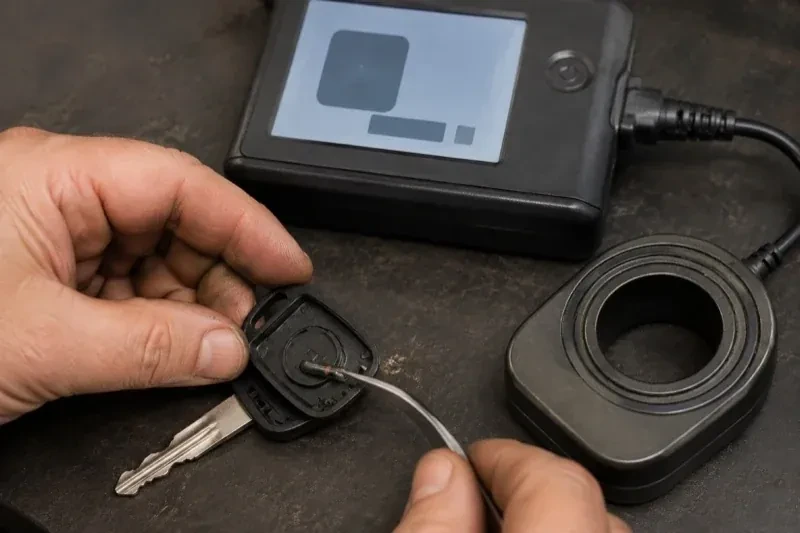
Transponder key programming is the step that teaches a vehicle's immobilizer to recognize a key's chip so the engine agrees to start, separate from cutting the metal blade that opens the door. A locksmith identifies the vehicle's own security system, connects programming equipment to it, and writes the new key's identity into its memory. Whether the job is a single spare, a replacement for a lost key, or every key gone at once, the visit ends the same way: the engine is started with the finished key, not just tested on a screen.
How the visit goesSince the remote starter was installed last month, the original key has started acting strangely, the car catches on the first turn some mornings and refuses outright on others. Nothing about the key itself changed, but whatever the installer touched under the dash seems to be arguing with it.
Transponder Key Programming
How the visit goes
Counting the keys that still work
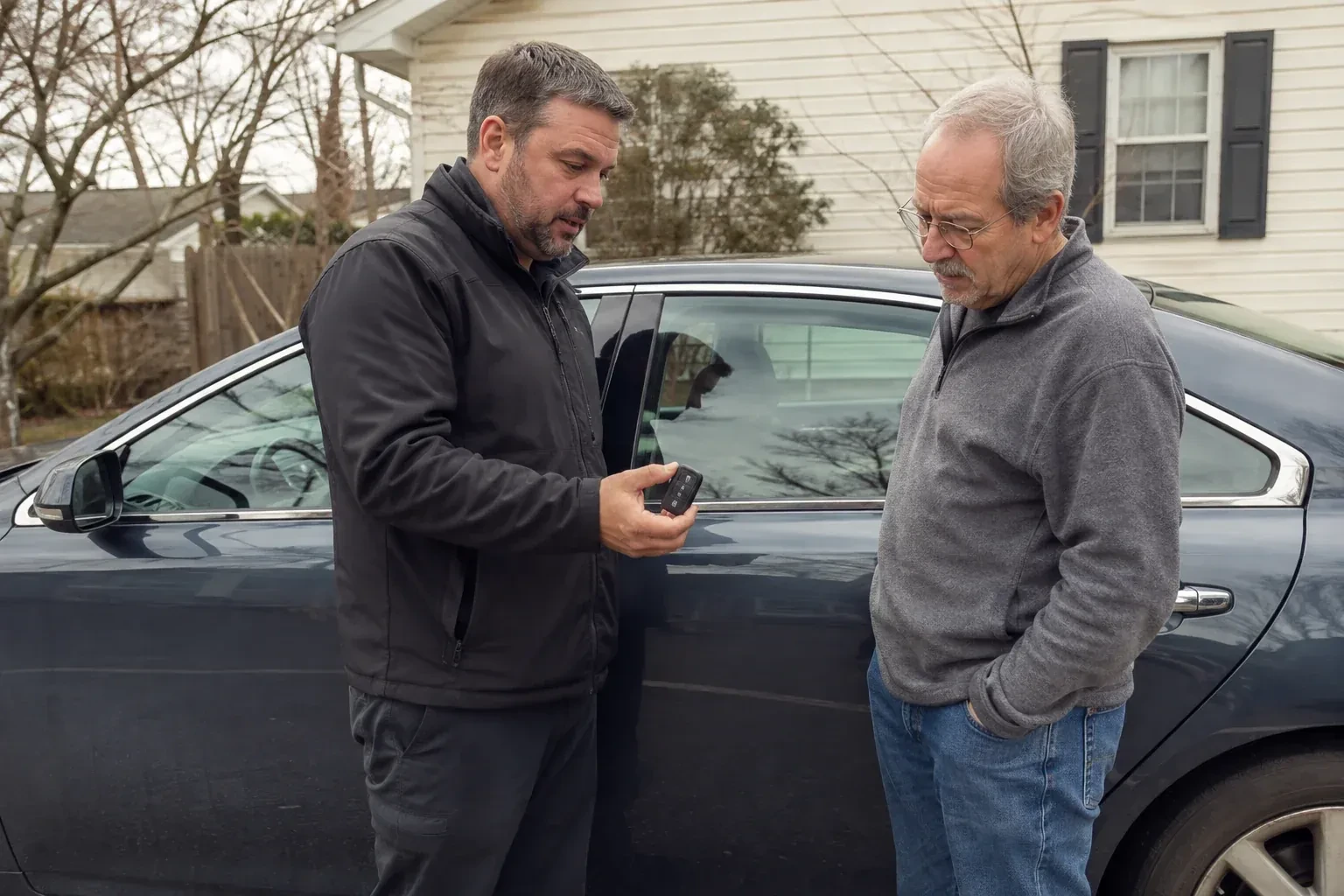
The next question is not about the lock but about the keys: how many currently work, whether one was lost or stolen, and whether every key for the vehicle is genuinely gone. A single missing key changes little beyond adding a spare and clearing its old identity. All keys lost changes the whole visit, since there is nothing left to prove the system already trusts, and the work has to start by re-establishing that trust before a single new key can be written.
Proving it with the engine, not just the tool
A programming tool reporting success is not where the job ends. Every key that should now work is tried in turn: a cold start, a restart a few minutes later, and several full ignition cycles, because a connection that looks fine once can still be marginal. Remote and proximity functions get the same treatment, tested from a normal distance rather than right beside the vehicle. The visit is only considered finished once every key does what it is supposed to, more than once.
A record of what is active now
Once the work is finished, it helps to know exactly what is true about the vehicle's keys: how many now work, which one was cleared from memory, and which functions were paired to which fob. This is a short, plain account rather than a technical log, useful for a household sorting out who holds which key, or for anyone handling the vehicle later who needs to know it was recently reprogrammed rather than untouched since it left the factory floor.
Transponder Key Programming
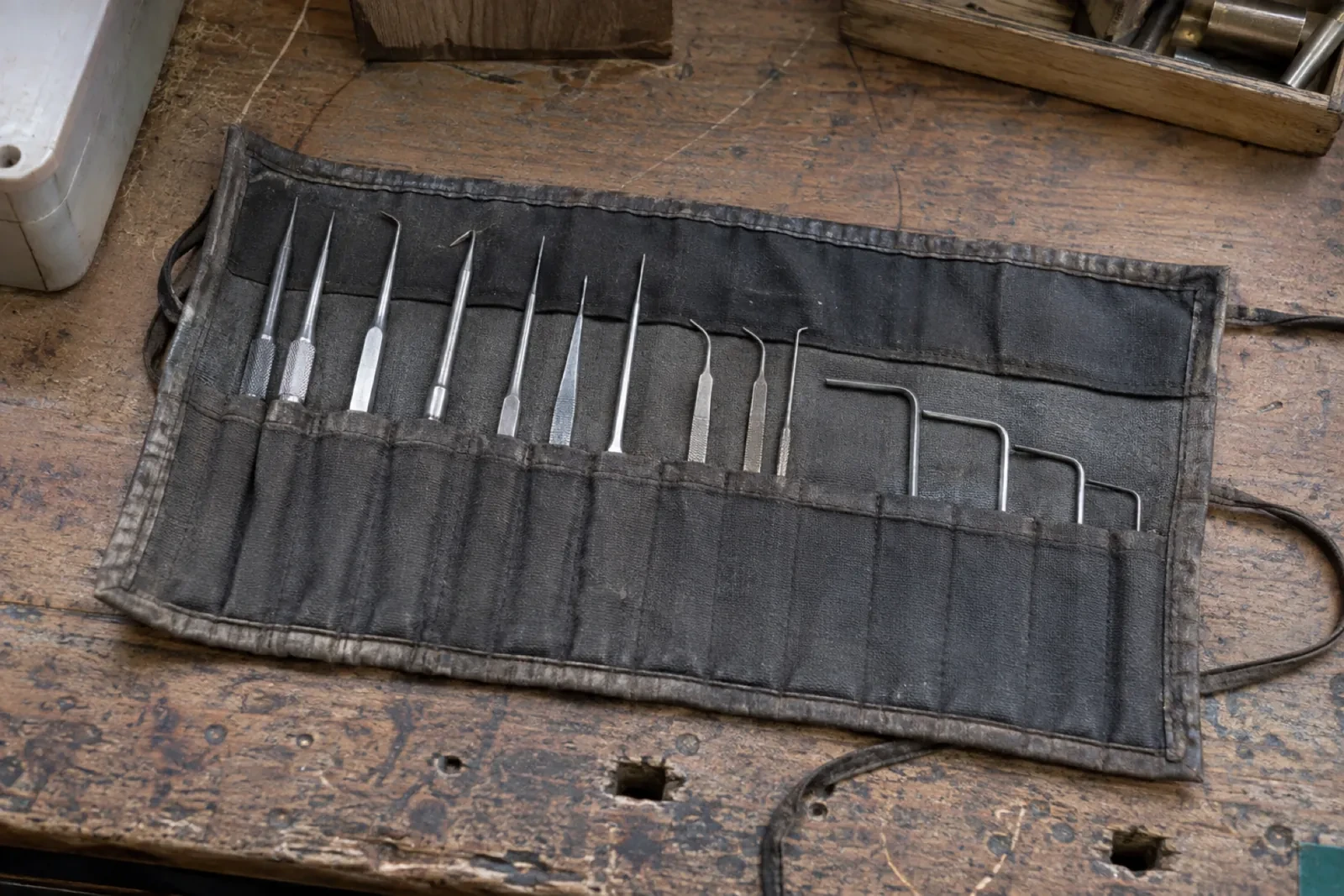
In the van
Emergency insert blade
Fob battery
VIN reference tool
Frequency test reader
Proximity smart key
Transponder Key Programming
What affects the quote
Any extra function added to the new key
Pairing remote entry, trunk release, or proximity walk-up functions onto a new key is additional work beyond the immobilizer chip alone, and each function is confirmed working before the visit is considered finished.
Vehicle make, model and year
The chip family, the immobilizer generation, and how reachable the vehicle's key list is all follow from the exact vehicle, so identifying it precisely early on shapes both the blank needed and how much of the visit is straightforward programming versus a more involved security session.
Fob battery or housing replacement
A fob with a failing battery, cracked buttons, or a worn housing may need that hardware replaced alongside the programming, which is identified during the initial check of the key rather than assumed either way.
What to have ready
- Do you have the vehicle permit or registration on hand?
- How many working keys would you like when this is finished?
- Is this a lost, stolen, damaged or spare-key situation?
Transponder Key Programming: questions
QuestionsCan a push-button, proximity-style key be programmed the same way?
Yes, though there is usually more to pair afterward: the proximity functions that let the vehicle detect the key nearby, alongside the same immobilizer identity a traditional transponder key would carry. The visit still ends with the same test, confirming the engine starts and the vehicle recognizes the key at a normal walking distance.
What's the difference between a transponder key and a key fob?
The transponder is the passive chip that talks to the immobilizer and lets the engine start; it needs no battery of its own. The fob is the separate, battery-powered piece that handles remote locking, unlocking and alarm functions. Many modern keys combine both in one housing, but they answer two different systems, which is why a fob with a dead battery can still start the car with its mechanical blade.
What does a flashing security light on the dashboard usually mean?
Most commonly it means the immobilizer does not recognize the key currently in the ignition, whether because the chip has failed, the key was never programmed, or the vehicle's module is looking for a different identity than the one it is being shown. It is a useful, specific signal rather than a general warning, and it points fairly directly at a transponder issue.
Related services
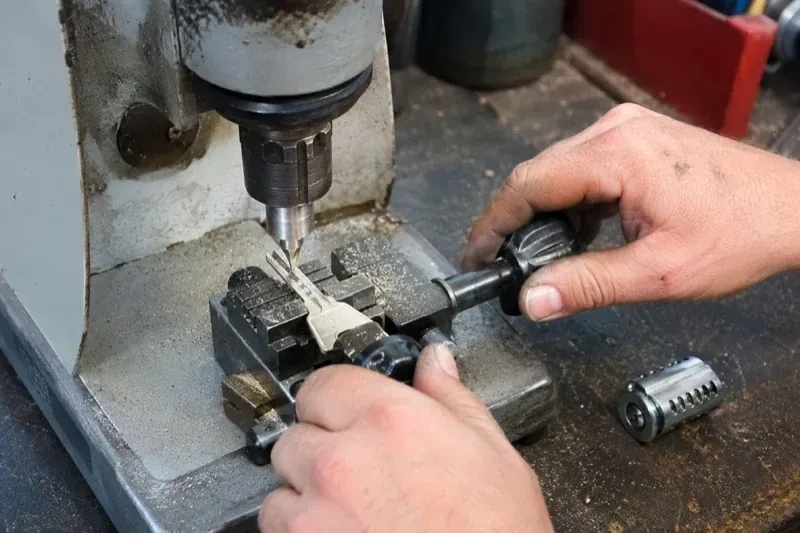
- Car Key ReplacementThe key snapped at the head while you were turning it in a stiff, frosty door lock.
- Spare Car Key DuplicationThe paperwork for the used car changed hands last week, and the previous owner mentioned, almost as an afterthought, that a second key never turned up.
- Key Fob ProgrammingA replacement fob just arrived in its box, shiny and untouched.